The Barefoot Revolution That’s Changing How We Run
There is a quiet shift happening on running trails and city parks. More runners are taking off their shoes and experiencing what it means to move naturally again. Barefoot running is not just a trend. It is a reminder of how the human body was designed to move long before modern footwear existed.
When you remove layers of cushioning, your body instantly changes how it runs. Your foot strike pattern becomes lighter and more controlled. Most runners naturally shift to a mid-foot strike or forefoot strike, which helps distribute impact more evenly and reduces stress on the knees and hips. You begin to feel every texture beneath you, and that feedback teaches your body balance, rhythm, and awareness with each step.
Research from Harvard University shows that barefoot runners tend to land more softly and with a lower impact-loading rate than those wearing heavily cushioned shoes. This means your joints and muscles absorb force more efficiently, even though total ground reaction force running remains similar. Over time, that gentle landing style can improve comfort and reduce overuse injuries.
Running barefoot also reactivates small stabilizing muscles in your feet. These often go quiet in regular shoes but play a major role in foot muscle activation, posture, and running biomechanics. Studies have shown these muscles grow stronger after just a few weeks of barefoot or minimalist running shoes training, leading to better stability and coordination.
This movement is not about rejecting shoes altogether. It is about learning to move with awareness and reconnecting with the natural mechanics your body already knows. For beginners, minimalist running shoes can offer the best of both worlds. A touch of protection while letting your body relearn how to run naturally.
Thinking about improving your form, building resilience, or taking your training to the next level? Our Running Coaching program pairs expert guidance with personalised plans that fit your body, your goals, and your lifestyle.
Whether you’re transitioning to a more natural stride, rebuilding after an injury, or training for your next race, you’ll get structure, feedback, and support from experienced coaches who understand what works in the real world.
Every plan is designed around smart progress—not quick fixes—so you can run stronger, longer, and with more confidence in your technique.
Start Your Personal Plan →

The Science Behind Barefoot Running And Your Body
To understand why barefoot running feels different, it helps to look at simple mechanics. When you remove thick foam, your body adjusts stride, cadence, and landing. Most runners shift to a forefoot strike or mid-foot strike. This lets the ankle, Achilles, and calf act like a spring that stores and releases energy each step.
Research shows a softer landing with a lower impact loading rate. The total ground reaction force running can stay similar under some conditions, but the sharp impact spike is smaller. That means your body spreads force over a slightly longer time. Knees and hips may see less peak stress, while the calf and Achilles take on more work during the transition period.
This change connects closely to running biomechanics. Without a high heel or stiff midsole, your stride shortens and your cadence rises a little. Less overstride means the foot lands closer to your center of mass, which reduces braking at contact and helps you move forward more smoothly.
Foot strength plays a key role. Studies show increases in intrinsic foot size and stiffness after several weeks of natural loading, a process called foot muscle activation. Stronger small muscles can support the arch and improve stability when the ground is uneven. However, this progress takes time, and rushing adaptation can cause soreness or minor strain in the lower leg.
Sensation also matters. Bare soles heighten proprioception in running, your sense of position and movement. More feedback from the skin and joints helps you fine tune balance in real time. You learn to relax the foot on contact, then load and release like a spring as you toe off.
None of this happens instantly. It is gradual training. The tissues adapt to the new pattern just like they adapt to hill workouts or speed work. A careful approach allows the body to strengthen safely while reducing risk of injury. This reflects the idea behind the broader minimalist running movement: teach the body to move well first, then build volume and pace. While research supports many benefits, experts note that results vary and injury prevention depends on how slowly and mindfully the transition is made.
For more scientific background on how barefoot movement affects impact forces and running form, see the Harvard University research summary on barefoot running.

Benefits And Risks Of Barefoot Running
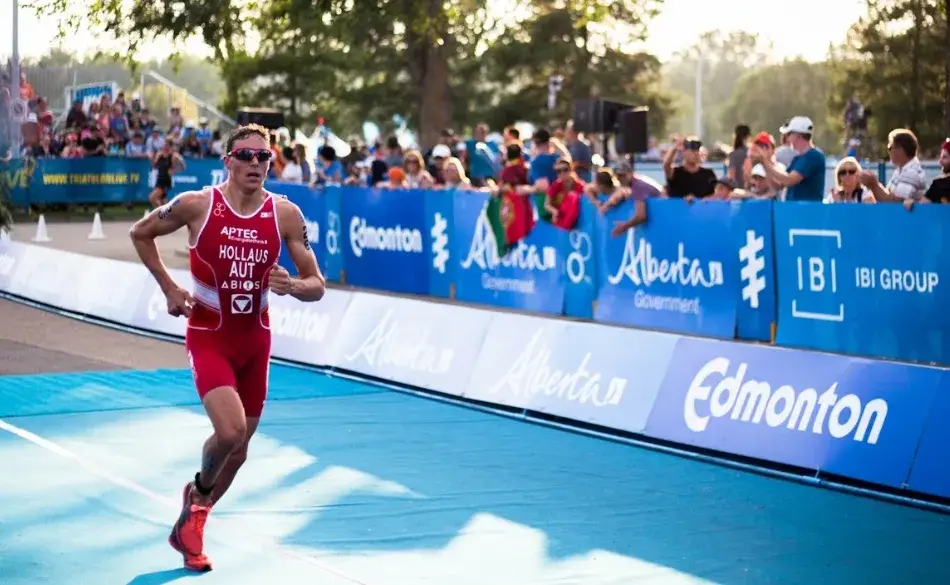
Barefoot running has gained attention for the freedom it offers, but the real value lies in how it shapes your body and movement. Done correctly, it can improve strength, awareness, and efficiency. Yet, like any change in training, it carries risks if rushed or done without guidance. Understanding both sides helps you make an informed choice that fits your goals and body.
The Main Benefits
- Better running biomechanics: Without thick shoes, your body naturally adjusts to a shorter stride and smoother rhythm, improving alignment and control.
- Increased foot strength: Barefoot and minimalist running shoes stimulate smaller muscles that support the arch and improve stability.
- Improved proprioception: Running barefoot enhances sensory feedback, helping you sense the ground and react quickly to changes in terrain.
- Reduced impact-loading rate: A natural forefoot strike spreads impact across the foot, lowering stress on joints such as the knees and hips.
- Greater balance and coordination: The constant micro-adjustments from uneven surfaces develop coordination and reaction time.
The Main Risks
- Calf and Achilles strain: Because of the mid-foot strike position, the lower leg muscles take more load than in cushioned shoes.
- Metatarsal stress: Sudden mileage increases or hard surfaces can cause soreness or small stress reactions in the forefoot.
- Skin irritation and cuts: Running on rough terrain without protection can lead to blisters or abrasions until the skin toughens.
- Slow adaptation period: It can take several months for bones, tendons, and muscles to adjust to the new loading pattern.
You can learn more about how toe alignment and foot strength support natural running in our in-depth guide on toe spacers for runners.
Research supports both the benefits and cautions. Studies show improved running biomechanics and stronger intrinsic foot muscles after gradual adaptation, yet they also highlight the higher risk of early overuse injuries during the transition. For this reason, experts recommend starting on soft barefoot running surfaces like grass or sand and increasing mileage slowly over time. The goal is to develop skill and strength first, then gradually explore harder terrain as your body adapts.


Safe Transition Plan With A Week By Week Guide
Switching to barefoot running works best when you follow a clear plan. The goal is simple. Build foot strength, protect tissues, and guide your running gait transition without flare ups.
Start small and stay curious. Use soft running surfaces like grass first. Add hard paths only when your calves feel normal the day after. If soreness lingers, repeat the week.
Many runners like a bridge step with minimalist running shoes. They keep ground feel while adding a thin layer of protection. That can smooth your transition to barefoot running and reduce skin irritation early on.
Use the table below to guide volume and focus. Keep strides short, land under your hips, and breathe steady. Think light and quick. Pay attention to foot muscle activation and rising proprioception in running as your body adapts.
👉 Swipe to view full table
| Week | Main Focus | Sessions | Suggested Barefoot Time* | Surface | Technique Cues | Coach’s Notes |
|---|---|---|---|---|---|---|
| 1 | Awareness and feel | 2–3 easy runs | 3–5 min per run | Flat grass | Light steps, quick cadence, soft landings | Focus on comfort, not speed. Stop if sharp pain occurs. |
| 2 | Rhythm and posture | 3 runs | 6–8 min per run | Grass or turf | Torso tall, eyes forward, feet under hips | Begin short mobility drills for ankles and calves. |
| 3 | Cadence and control | 3–4 runs | 10–12 min per run | Short-cut grass or packed dirt | Short stride, relaxed ankles, steady rhythm | If sore, repeat this week before progressing. |
| 4 | Introduce firmness | 4 runs | 12–15 min per run | Grass–path mix | Touch down softly, lift quickly, avoid pushing off | Begin gentle strength work for calves and arches. |
| 5 | Balance and coordination | 4–5 runs | 15–18 min per run | Grass, smooth dirt | Quiet feet, even rhythm, stay relaxed | Alternate barefoot and shod miles during longer sessions. |
| 6 | Strength under fatigue | 5 runs including short strides | 18–20 min per run + 4 x 15s strides | Firm dirt path | Maintain posture and cadence as fatigue sets in | Skip strides if tight or sore; recovery is key. |
| 7 | Confidence on mixed terrain | 5 runs | 20–25 min per run | Grass, dirt, brief pavement | Stay relaxed, scan ahead, land under hips | If discomfort develops, scale back for a week. |
| 8+ | Sustain and adapt | 5–6 runs weekly | 25–30 min per run | Preferred safe routes | Light, quick, and quiet steps | Increase time or distance by 5–10% weekly only if pain-free. |
*Times are flexible and may vary by individual. Some runners may need more than 8 weeks to adapt safely. Research (Lieberman 2010; Ridge 2013) shows that a gradual, individualized approach reduces injury risk. Always listen to your body and progress slowly.
As you finish the plan, blend barefoot segments into regular runs. Keep most miles easy. Add speed only after you hold smooth form for thirty minutes. This keeps tendons safe and builds real skill.
By the end you should feel lighter steps and stronger arches. You will notice better balance on uneven ground and a clearer sense of contact and release. That is the quiet power of barefoot running for beginners done with patience and care.


How To Improve Technique And Prevent Common Barefoot Injuries
Once you are confident with running barefoot, refining your technique keeps your progress safe and efficient. A good form helps you maintain speed while protecting tendons, joints, and muscles from excess load. Because your shoes no longer absorb shock, technique becomes your new cushioning system.
The most important change for most runners is shifting from a heavy heel strike to a gentle forefoot strike or mid-foot strike. That allows the Achilles and calf to act like a spring that stores energy. Keep the knees soft and relaxed; this prevents jarring forces from reaching the hips and lower back. Think of landing quietly, if your steps sound loud, you are striking too hard or too far in front of your body.
Body posture plays a big role in your running biomechanics. Stay tall through the torso but relaxed in the shoulders. Avoid leaning from the waist; instead, let a subtle forward tilt come from the ankles. This keeps your center of mass aligned and supports a smoother foot strike pattern. Use your arms naturally to balance and drive rhythm.
To prevent injuries during the transition to barefoot running, consistency matters more than volume. Add only small increases in weekly time (no more than ten percent). Keep some of your normal shoe runs to maintain total fitness while your feet adapt. Run on soft barefoot running surfaces first and check daily for soreness in the calves, Achilles, or top of the foot.
- Warm up with mobility: gentle ankle circles, calf raises, and toe spreads before every run.
- Include strength drills: single-leg balances, towel curls, and short hops build barefoot running strength.
- Cool down properly: walk barefoot for a few minutes after each session to let tissues relax.
- Listen to feedback: small aches are normal, but sharp pain means stop and rest.
Good form turns every run into practice for efficiency. Over time, your feet become stronger shock absorbers, your balance improves, and your stride feels lighter and more natural. The reward is not only performance but longevity in running and training.
If you ever experience heel discomfort while adapting, learning how to manage it early helps prevent setbacks. You can read more in our guide on why your heel hurts while running and how to fix it naturally.
Looking to build endurance, rhythm, and confidence over 5 km? Our 5 km Running Training Plan blends expert structure with practical workouts that fit your schedule and goals.
You’ll follow a balanced mix of easy runs, pace development, and strength work—designed to help your body adapt gradually while keeping training enjoyable and sustainable.
Whether you’re new to running or returning after a break, this plan helps you find your rhythm, stay consistent, and reach the finish line feeling strong and in control.
View The Plan →

The Real Pros And Cons Of Barefoot Running
Every runner wants to know if running without shoes is truly better. The answer depends on your goals, body mechanics, and how much time you are willing to invest in adaptation. Like any training method, it offers unique rewards and potential drawbacks. Knowing both sides helps you decide what fits best for you.
Pros — Why Runners Love It
- Improved running biomechanics: Removing cushioning lets your body find a more natural foot strike pattern that aligns with your structure.
- Strengthened feet and ankles: The lack of support forces greater foot muscle activation, which can prevent injuries in the long term.
- Better sensory feedback: With direct contact to the ground, you gain sharper proprioception in running and greater awareness of balance and terrain.
- Lower impact peaks: Studies show that forefoot strike landings reduce the sudden impact spike that occurs with heel strikes, lessening joint stress.
- Connection and mindfulness: Feeling the ground underfoot makes running a more mindful, grounded experience.
Cons — What To Watch Out For
- Transition injuries: Jumping in too quickly can cause calf strain, Achilles soreness, or metatarsal stress.
- Surface hazards: Gravel, glass, and hot pavement can injure unprotected feet; awareness and route choice matter.
- Slow adaptation curve: Building enough barefoot running strength takes weeks or months depending on your baseline fitness.
- Performance fluctuations: Some runners initially see slower times until efficiency improves through consistent training.
- Limited suitability: Those with prior foot conditions, severe flat feet, or mobility issues may need professional guidance before attempting it.
Research shows that barefoot running benefits like improved balance, coordination, and muscle activation are real but vary by individual. There is no single best answer—some runners thrive barefoot, while others perform better in minimalist running shoes or cushioned trainers. For tips on refining your stride and form over longer distances, check out our detailed article on best running form for long distance success. The best approach is to experiment safely, track how your body responds, and adapt gradually.


Barefoot Running vs Minimalist Shoes What’s The Difference
Many people use the terms barefoot running and minimalist running shoes as if they mean the same thing, but they are not identical. Both encourage a natural stride and better running biomechanics, yet the experience and adaptation demands are quite different.
True barefoot running means zero protection. Your feet contact the ground directly, which gives the richest proprioception in running (the sensory feedback that tells your brain how each step lands). This immediate response helps fine-tune your foot strike pattern and balance. The downside is the risk of cuts, heat, or debris on rough terrain.
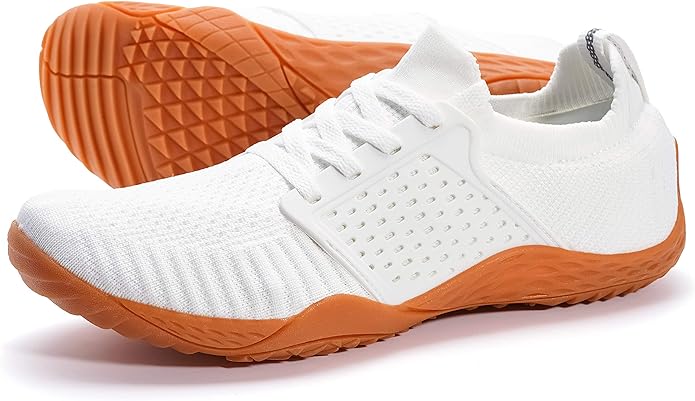
Minimalist running shoes offer a middle ground. They keep soles thin and flexible but include a small buffer to guard against sharp objects. Most models feature a wide toe box and zero-drop design to preserve a natural forefoot strike or mid-foot strike pattern. For many beginners, they serve as a transition tool that reduces risk while still strengthening the feet.
Studies show that runners wearing minimalist shoes can achieve similar improvements in foot muscle activation and running economy as those who go fully barefoot, provided they move gradually. The key difference lies in sensory experience: shoes reduce feedback slightly, but they also lower the chance of skin injury. Choosing between them depends on comfort, terrain, and confidence.
Think of minimalist shoes as training wheels for the barefoot running movement. Some runners use them permanently; others phase them out once their feet adapt. There is no right or wrong, only what keeps you running pain-free and consistent.



As an Amazon Associate, SportCoaching earns from qualifying purchases.


Who Should And Shouldn’t Try Barefoot Running
Running without shoes can benefit many people, but it is not ideal for everyone. Your injury history, running surface, and patience level all play major roles in determining whether it is a smart move. Understanding your starting point helps you decide how (or if) to begin.
Good candidates are runners who enjoy technical awareness and don’t mind a slow learning process. Those with healthy calves, strong arches, and consistent training habits often transition successfully. If you already perform mobility or balance work, you have a head start in developing barefoot running strength and stability.
Use extra caution if you have a history of plantar fasciitis, Achilles tendonitis, or stress fractures. These conditions may worsen under the higher loads of a forefoot strike. The same caution applies to runners with rigid arches, neuropathy, or arthritis. Consulting a physiotherapist or running-form specialist can help identify potential red flags before starting.
If you are prone to forefoot soreness or have dealt with ball-of-foot pain, make sure your footwear supports natural loading. You can explore our guide on the best running shoes for metatarsal pain to learn which models offer comfort without sacrificing a natural stride.
Age and training experience also matter. Younger athletes adapt faster, but adults can still succeed with gradual running gait transition. Beginners should start on soft barefoot running surfaces and focus on short, controlled sessions rather than mileage goals. Over time, the body develops resilience that supports longer distances.
Ultimately, barefoot running is less about copying others and more about listening to your own body. If it makes you feel lighter, stronger, and more connected, keep building slowly. If pain or fatigue lingers, step back or mix in minimalist running shoes. The best running style is the one that keeps you healthy and eager to run again tomorrow.
Dreaming of running 42.2 km with strength and confidence? Our Marathon Running Training Plan gives you expert structure and steady progression so you can build endurance without burning out.
Every week blends long runs, targeted pace work, and recovery blocks—helping you improve stamina, efficiency, and mental resilience. It adapts to your fitness level and lifestyle, making marathon training feel achievable, not overwhelming.
Whether it’s your first marathon or your fifth, this plan helps you reach the start line prepared, motivated, and ready to run your best.
View The Plan →
Conclusion And Key Takeaways
Barefoot running is more than a trend. It is a return to how the body naturally moves when given the chance. The science shows real benefits (better balance, stronger feet, improved running biomechanics)but it also reminds us that success depends on patience and awareness. There is no shortcut. The body needs time to adapt to the extra workload placed on the calves, Achilles, and small stabilizing muscles.
If you are considering making the switch, start gradually, listen closely to your body, and focus on feeling each step rather than chasing pace. Use minimalist running shoes if needed as a bridge between full shoes and true barefoot running. Combine that with mobility, strength work, and recovery days to keep tissues healthy.
Running barefoot changes more than your stride, it changes how you experience movement. The ground feels closer, your posture steadier, and every step becomes feedback rather than impact. For many runners, that simple connection turns ordinary runs into something deeper and more mindful.
Whether you choose to stay in shoes or join the minimalist running movement, the lesson remains the same. Running well starts with understanding your body, respecting its limits, and training with intention. Barefoot running is not a quick fix, but when approached with care, it can rebuild strength, improve form, and remind you why running feels so good in the first place.