Top Spring Marathons in the U.S. (2026 Overview)
Spring is when America’s marathon calendar truly comes alive. From iconic city routes to peaceful coastal stretches, the U.S. spring marathon schedule offers something for every runner. Whether you want fast spring marathons for a Boston Qualifier or scenic runs through breathtaking landscapes, 2026 has no shortage of options.
Below is a detailed look at some of the best spring marathon courses in the country. Each event is known for its atmosphere, organization, and perfect spring marathon temperatures that help runners perform their best.
👉 Swipe to view full table
| Marathon | Location | Date / Year | Highlights / Notes | Best For |
|---|---|---|---|---|
| Boston Marathon | Boston, MA | April 20, 2026 (confirmed) | Historic event, rolling course from Hopkinton to Boston; world-renowned atmosphere. | Experienced runners chasing prestige and Boston tradition. |
| Napa Valley Marathon | Napa, CA | March 1, 2026 (confirmed) | Beautiful vineyard scenery, mild weather, gentle rolling terrain. | Destination runners and scenic marathon enthusiasts. |
| Bayshore Marathon | Traverse City, MI | May 25, 2025* | Flat, fast out-and-back along Grand Traverse Bay; top Boston Qualifier rate. | PR chasers and Boston hopefuls. |
| Eugene Marathon | Eugene, OR | April 27, 2025* | Flat course finishing inside historic Hayward Field in “TrackTown USA.” | Performance runners targeting fast spring marathons. |
| Los Angeles Marathon | Los Angeles, CA | March 16, 2025* | Iconic “Stadium-to-Stars” route through LA landmarks and lively crowd support. | Urban runners and first-time marathoners. |
| Cincinnati Flying Pig Marathon | Cincinnati, OH | May 4, 2025* | Hilly course with high-energy spectators and a cross-state route. | Runners who enjoy challenge and crowd atmosphere. |
| Pittsburgh Marathon | Pittsburgh, PA | May 4, 2025* | Bridge crossings, rolling hills, scenic riverside views. | Experienced runners seeking varied terrain. |
| Eau Claire Marathon | Eau Claire, WI | April 27, 2025* | Scenic route with multiple bridge crossings and gentle elevation. | Runners wanting a smaller, picturesque spring marathon. |
* 2025 date - 2026 schedule to be confirmed.
Each of these spring marathons combines ideal weather with strong community support. From the crowd-lined streets of Boston to the calm vineyards of Napa, there’s a race for every goal. If you’re mapping out your 2026 calendar, bookmark these events early. Many spring marathon registration deadlines close months in advance.
If you’re dreaming of taking your running beyond the U.S., explore our guide on Best Marathons in Europe to discover iconic races through historic cities and breathtaking landscapes.
Preparing for a spring marathon takes more than a training plan, it takes personal guidance, structure, and accountability. Our Running Coaching program is designed for runners aiming to reach their best this season. Whether you’re training for Boston, Eugene, or your first local race, you’ll receive expert one-on-one support, tailored pacing strategies, and recovery advice built around your specific goals.
- Personalised training: structured plans aligned with your race schedule and ability
- Expert analysis: professional feedback on pacing, technique, and endurance
- Adaptable programming: sessions adjusted for weather, fatigue, and race timing
- Accountability and motivation: stay consistent with ongoing coach support
Make 2026 your breakthrough marathon year with coaching that helps you train smarter, recover faster, and race with confidence.
Start Your Coaching Journey →

How to Choose the Perfect Spring Marathon for You
Picking the right spring marathon is about matching your goals, training environment, and motivation. With dozens of spring marathon courses across the U.S., the key is finding one that suits both your fitness level and your personality as a runner.
If your goal is speed or a Boston Qualifier spring race, prioritize flat, certified routes like Bayshore or Eugene. Both are fast spring marathons with consistent pacing opportunities and supportive weather. If you’re drawn to beauty over speed, scenic spring marathons such as Napa Valley or Eau Claire deliver inspiring backdrops that keep you mentally fresh for 26.2 miles. For runners who thrive on crowd energy, big-city events like Los Angeles or Pittsburgh offer large fields, music, and steady motivation from start to finish.
Your spring marathon training plan should also guide your choice. Runners in southern or coastal states often enjoy steadier winter training conditions, while northern athletes may juggle treadmill miles or icy roads. Either way, choose an event whose climate won’t shock your body on race day. Research shows that optimal performance occurs around 35–55 °F (2–13 °C). Cool enough to prevent overheating but warm enough for comfort during long efforts.
Logistics matter, too. Major events can sell out six to nine months ahead, so note spring marathon registration deadlines early. Smaller regional races typically stay open longer, offer easier travel, and feature friendlier pricing and local charm.
Finally, think about your “why.” Do you want a PR, a destination adventure, or your first finish line? The right marathon should excite you enough to stick with training through winter’s hardest days. When your race aligns with your motivation. Whether that’s a fast, flat BQ course or a scenic route through wine country, you’ll show up ready to run your best. To explore more events across the country, check out our guide on The Best Marathons in Australia for more ideas and inspiration.


Essential Spring Marathon Training & Preparation Tips
A structured spring marathon training plan gives you the best chance to run strong, stay healthy, and peak at the right time. The key is gradual progression, steady recovery, and adapting to typical spring marathon temperatures that can shift between cool mornings and warmer finishes.
Most runners benefit from 16–20 weeks of preparation, especially if coming from a low or moderate base. Experienced athletes may need closer to 12–16 weeks, but only if consistent mileage is already in place. Keep most runs easy, include one quality workout per week, and a single long run that slowly extends in distance.
Strength training is an often-overlooked advantage. Aim for two light sessions weekly to improve durability and running economy. Use simple movements (squats, lunges, planks) and progress gradually based on recovery and experience.
Fueling and hydration are equally critical. Your gut needs practice absorbing carbohydrates during running, so begin rehearsing spring marathon nutrition early. Start with 30–60 grams of carbs per hour on long runs and, if tolerated, increase toward 60–90 grams for advanced performance. Always test brands and timing in training, never on race day.
Weekly Structure Basics
- Easy runs: 60–75% effort to build aerobic endurance and promote recovery.
- Quality session: One tempo, progression, or interval workout to raise threshold pace.
- Long run: Extend distance every 1–2 weeks; finish the final 25–30% at goal pace.
- Strength & mobility: Two 20–30 minute sessions weekly using low to moderate resistance.
- Recovery: Take at least one full rest day per week and adjust mileage if fatigued.
Gear & Weather Planning
Create a simple spring marathon gear list that accounts for changing weather. Spring races can start near freezing and end warm, so versatile layering is key.
- Layers: Lightweight shell, arm sleeves, and gloves that can be removed mid-run.
- Footwear: Alternate between daily trainers and race shoes; break in race pair at least two weeks prior.
- Hydration strategy: Test different fluid volumes and electrolytes as cooler weather can mask sweat loss.
- Rain or sun gear: Cap, clear glasses, and a breathable waterproof top.
Fueling, Hydration, and Pacing
Hydrate proactively rather than only by thirst. Weigh yourself before and after long runs to gauge fluid loss and refine intake. Even in mild temperatures, dehydration can sneak up on you.
On race day, start conservatively and settle into pace after the first few miles. Cooler conditions may tempt faster splits early (save energy for the final 10K when it matters most).
Finally, include a taper of 2–3 weeks before race day. Gradually reduce volume while keeping light speed work to maintain sharpness. This recovery period allows your body to absorb months of training and arrive rested, fueled, and ready to perform. If you’re building from scratch or coming off the couch, check out our Sofa to Half Marathon 20 Week Training Plan to help you develop a strong foundation before beginning a marathon program.


Strategy for Spring Marathons
Your race-day plan for spring marathons should be simple, flexible, and calm. Focus on pacing, gear, and fueling strategies that you’ve practiced. Because spring marathon temperatures can vary quickly, you’ll want a plan that adapts to whatever the weather brings (from cool breezes to unexpected warmth).
Start steady. The opening miles should feel slightly easier than goal pace, giving your body time to warm up and your heart rate to stabilize. Once settled, hold an even rhythm and save energy for the final 10K. Negative splits (running the second half slightly faster) are ideal for most conditions, but some courses or headwinds may call for even pacing instead. If there’s wind, tuck behind groups when possible and push harder on sheltered sections. Study your course’s aid-station layout so your fueling matches your practiced spring marathon nutrition plan.
Prepare gear with the forecast in mind. Spring conditions can shift between chilly starts and sunny finishes. Pack throwaway layers or a poncho for the first mile, and dress for the warmest part of the race rather than the start line. A light waterproof shell and clear lenses help if it rains, while a cap and arm sleeves work well for mild sun. Review your spring marathon gear list the night before and avoid testing anything new on race day.
Logistics are just as critical. Larger races on the U.S. spring marathon schedule often require extra time for security checks, corrals, and long post-race exits. Plan travel, bag drop, and meeting points early. Arrive at least an hour before the start to stay relaxed, eat on time, and warm up gently.
Quick Race-Day Checklist
- Pacing: Start 3–6 miles below effort; hold steady; aim for even or slightly faster finish splits.
- Fuel & fluids: Stick to tested fueling plan; adjust intervals only if conditions change.
- Weather plan: Pack two outfit options; decide after warm-up based on temperature and wind.
- Wind strategy: Draft in headwinds when possible; conserve energy for later miles.
- Mindset: Break the course into 5K or 10K segments; reset focus each section.
- Logistics: Know corrals, bag drop, route exits, and your meet-up location before race morning.
Adaptability wins marathons. Weather, pacing, or small hiccups rarely go perfectly, but a calm, prepared mindset turns challenges into confidence. With your plan rehearsed and flexible, you’ll run the spring race you’ve trained for (no matter what the day delivers). For a deeper dive into pacing strategy, read our guide on How to Nail Your Marathon Run Pace and learn how to maintain your perfect rhythm on race day.
The 2026 spring marathon season is full of opportunity, but only if your training is smart. SportCoaching’s Marathon Running Training Plan is a 16–20 week program built for all levels. It’s structured to match your fitness, schedule, and target race (Boston, Napa, Eugene, and more). Get guidance in pacing, endurance, race strategy, and recovery so you’re in control come race day.
- All-level design: beginner through experienced runners
- Delivered fast: get your plan within 24 hours of purchase
- Flexible format: works via TrainingPeaks, heart rate, pace, or RPE
- Consultation included: 1-hour session to tailor strategy to you
Invest in a plan built for results, train smart, recover well, and push confidently toward your best spring marathon.
View the Marathon Plan →

Recovery After Spring Marathons
Finishing a spring marathon is an incredible achievement, but your performance depends on how well you recover afterward. The 26.2 miles may be over, yet your body continues repairing muscle fibers, replenishing glycogen, and restoring balance. A smart post-race plan helps you recover faster and return to running stronger.
Within the first hour, focus on rehydration and nutrition. Replace fluids gradually with water and electrolyte drinks (roughly 150% of what you lost during the race). Eat a balanced meal with a 3:1 ratio of carbohydrates to protein within 30–60 minutes of finishing. This early window is when your body is most efficient at absorbing nutrients and restoring glycogen stores.
For the next 3–7 days, prioritize rest and light movement. Gentle walking, stretching, or easy cycling promotes blood flow and eases stiffness. Most recreational runners benefit from at least five days without structured training, while experienced athletes may resume light jogging sooner if soreness is gone. Even when you feel fine, your muscles are still healing. Full recovery can take up to two weeks depending on fitness and intensity.
Watch for recovery signs. Heavy legs, poor sleep, or a drop in motivation mean you need more rest. Active recovery methods like mobility drills, foam rolling, and easy yoga support circulation without adding strain. Keep eating well with colorful vegetables, lean proteins, and complex carbs to boost repair and immune function.
Once fatigue fades, review your spring marathon training plan and race notes. What worked well? What would you change? Use these lessons to adjust pacing, fueling, or gear for your next race.
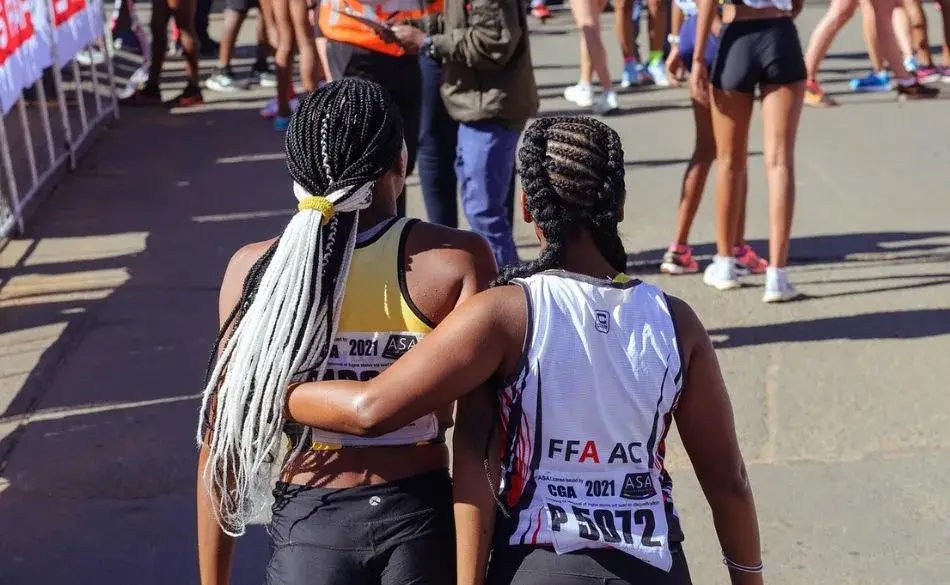

Spring Marathon Coaching with SportCoaching
Preparing for spring marathons isn’t just about running more, it’s about training smarter. That’s where SportCoaching comes in. Our personalized spring marathon training plans are built by experienced coaches who understand that every runner’s journey is unique. Whether you’re chasing a Boston Qualifier or finishing your first marathon, structured coaching helps you train with precision and purpose.
Each plan is customized around your fitness level, schedule, and race goals. You’ll get progressive mileage builds, race-pace workouts, strength sessions, and recovery strategies designed to prepare your body for typical spring marathon temperatures and unpredictable conditions. We use real performance data, not guesswork, to help you reach your peak right when it counts.
With SportCoaching, you’ll also gain access to professional feedback, training adjustments, and support when life gets in the way. No cookie-cutter templates, just expert coaching tailored to how you respond and improve each week. From pacing analysis to detailed fueling strategies, we help you master every element of your race preparation.
If you’re ready to make your next marathon your strongest yet, now’s the perfect time to start. A well-timed spring marathon training plan built with expert guidance ensures you line up confident, prepared, and ready to run your best.

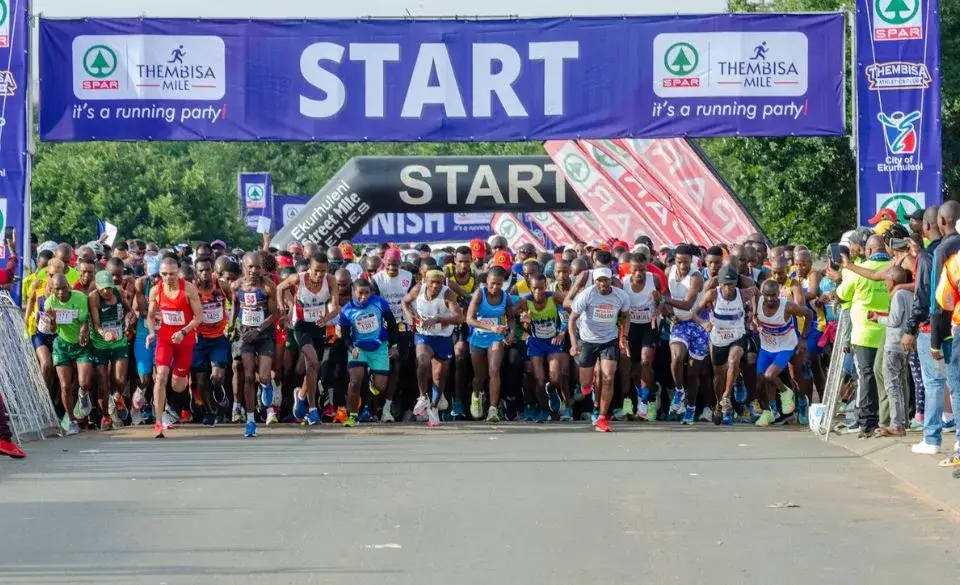
Preparing for the best spring marathons in America starts long before race day. The key is following a structured plan that builds endurance through the cooler months while keeping you injury free. Our Running Training Plans are designed specifically for runners targeting spring races like Boston, Napa Valley, and Eugene. Each program focuses on progressive fitness gains, smart recovery, and pacing control so you’re ready to perform when race day arrives.
- Custom built plans: tailored to your target race distance and course profile
- Data driven training: guided by proven methods to maximize performance and reduce fatigue
- Real world coaching: expert insight from coaches who train marathoners year round
- Spring specific preparation: sessions adapted for cooler weather and early season races
Make your 2026 marathon season your strongest yet with a plan designed for real results and lasting endurance.
Explore Spring Marathon Plans →