Why Great Triathlon Sunglasses Can Make or Break Your Race
Training for a triathlon challenges your whole body, but your eyes do just as much work. The best triathlon sunglasses protect them from sunlight, wind, and water while keeping your focus sharp through every transition.
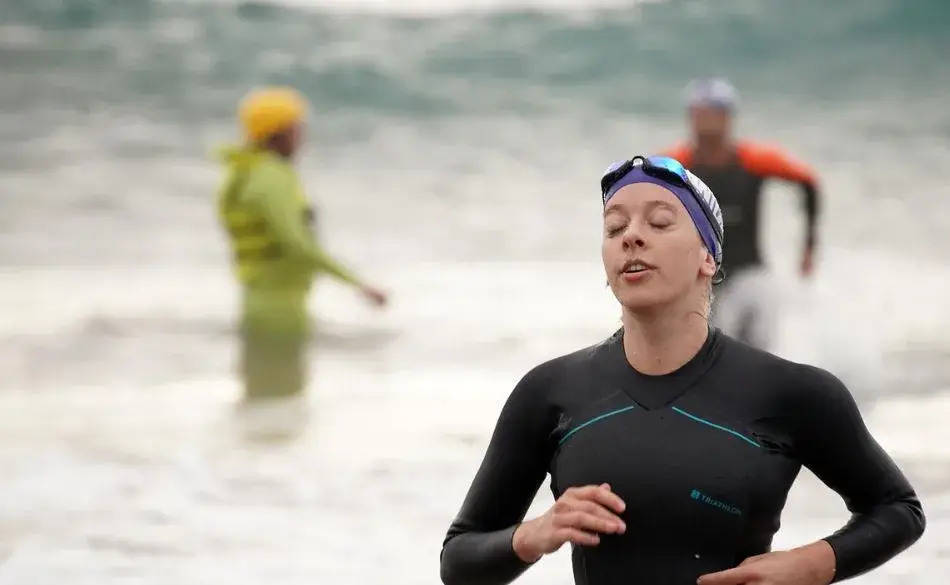
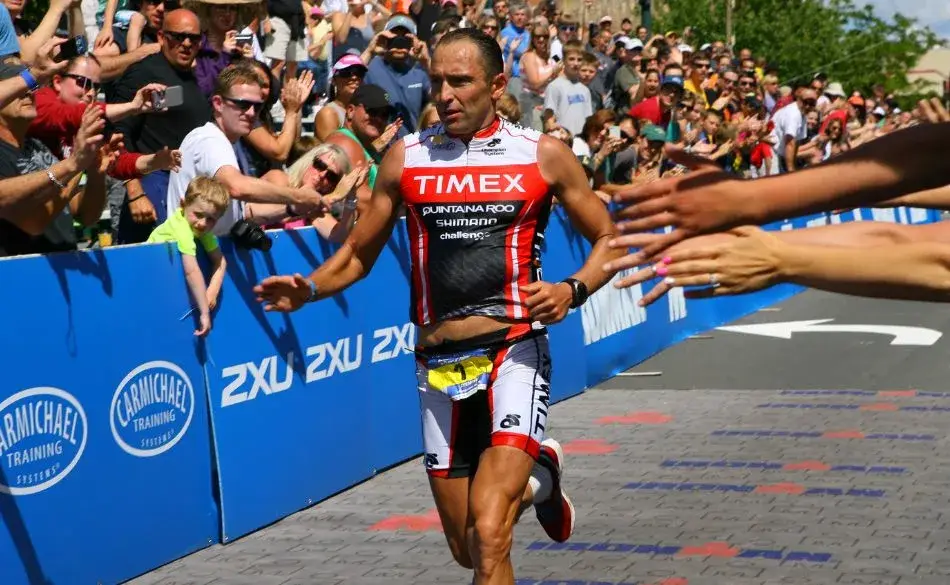
Picture race morning. You rise from the swim, eyes blinking in the bright light. You clip into your bike, the sun flashing off the road, and by the time you hit the run, sweat is dripping past your cheeks. Every shift in light and motion tests how well your triathlon eyewear for cycling and running performs.
Good sunglasses make that switch seamless. Lightweight triathlon sunglasses with hydrophobic coatings repel water and sweat so your lenses stay clear. Polarized triathlon sunglasses cut harsh glare from wet pavement or waves, giving crisp contrast and better depth perception. That clarity saves energy you would otherwise waste squinting or refocusing.
Here’s the thing about racing gear. Small upgrades often bring the biggest comfort gains. Poor-quality lenses force you to blink and strain your eyes. Loose frames bounce and distract you when the pace rises. That is why many seasoned athletes rely on wrap-around triathlon sunglasses that offer a snug fit and wide coverage for peripheral vision.
One of my coaching clients, Sam, learned this the hard way. During his first Olympic-distance triathlon he wore a cheap pair. By halfway through the bike his vision was fogged, and glare made every corner a gamble. The next season he switched to triathlon sunglasses with UV protection, and after the race he laughed, saying, “I finally realized what seeing clearly feels like.”
Explore the Triathlon Coaching Program from SportCoaching. Whether you’re stepping up to your first event, aiming for a personal best, or training for a major race, our coaching offers tailored support for all levels.
Get access to personalized training plans, data‑driven feedback, and ongoing support from experienced coaches. Build your confidence, stay consistent, and get the results you’ve been working toward.
Start Your Coaching Journey
How to Choose Lenses and Fit for Real Race Conditions
Choosing the best triathlon sunglasses is not just about how they look. The right lenses and fit can completely change how you see (and how relaxed you feel) throughout your race.
Every triathlon throws new light at you. Early swim starts glare across the water, bike legs move between shade and open sun, and late-day runs face golden light or clouds. Your triathlon eyewear for cycling and running needs to handle all that without forcing you to squint or adjust.
Lenses that match your light
Start with lenses. For bright races, dark gray or brown tints keep colors natural and reduce eye strain. Polarized triathlon sunglasses are great for cutting glare from wet pavement or waves, though they can make LCD screens (like bike computers) harder to read. If your route moves in and out of shade, photochromic lenses that shift tint with light can be worth the investment.
Fit that stays stable
Fit matters just as much as tint. Lightweight triathlon sunglasses with soft, grippy nose pads and temple arms stay locked in place when you sweat. A secure wrap keeps out wind that dries your eyes and helps you stay focused on the road. Good ventilation (small lens vents or a slight gap near the cheek) stops fogging while still blocking dust.
If you train at dawn or dusk, clear or amber lenses with full UV protection give clarity without darkening your view. Remember, UV rays reach your eyes even when the sun looks low.
Use this quick guide to match lens features with real-world race conditions so you can pick a pair that feels invisible once the gun goes off.
👉 Swipe to view full table
| Category | Bright Sun Conditions | Variable Light and Shade |
|---|---|---|
| Lens Tint | Dark gray or brown for reduced eye strain and true color vision. | Amber or rose to boost contrast through trees or clouds. |
| Polarization | Excellent for glare on water and wet roads; ideal for long bike legs. | Optional; may reduce clarity on LCD screens in shaded zones. |
| Photochromic | Not essential if light stays consistent all day. | Adapts automatically to changing light from bright to dim. |
| Ventilation | Top or side vents reduce fog during hard efforts in heat. | Micro-vents maintain airflow and prevent moisture buildup. |
| Fit & Grip | Hydrophilic pads grip tighter with sweat for steady hold. | Flexible arms make quick transitions smoother. |
| Coverage | Full wrap shields wind and debris at high speed. | Semi-wrap allows a wider view on technical terrain. |
| Helmet Compatibility | Straight or thin temples fit neatly under aero helmets. | Adjustable temples reduce pressure under different helmets. |
| Best For | Open, sunny courses or coastal triathlons with steady light. | Mixed light races, forest routes, or early-morning starts. |


Which Features Matter Most For Your Race Day?
Choosing the best triathlon sunglasses means focusing on the few features that make the biggest difference when the race starts. The right lenses and fit help you see clearly, stay calm, and perform without distraction.
Start with lenses. Choose a tint that matches the light you expect on race day. Many athletes prefer polarized triathlon sunglasses for bright courses because they reduce glare from water, wet roads, and metal. If your route moves between shade and sunlight, photochromic lenses that adjust automatically are worth considering. They do not change instantly, but they help your eyes stay relaxed as light shifts.
Many athletes prefer polarized triathlon sunglasses for bright courses because they reduce glare from water, wet roads, and metal. If you want to understand how this technology actually protects your eyes, Harvard Health explains how polarized sunglasses work to cut glare and protect vision.
Fit is just as important. Frames should feel snug but never tight. Lightweight triathlon sunglasses with soft, non-slip pads stay stable when sweat starts to build. Small vents or lens spacing can reduce fog, though it is best tested in training to balance airflow and protection.
Coverage adds comfort and safety. Wrap-around triathlon sunglasses block wind, dust, and bugs (especially useful on fast bike legs). Look for full UV protection too, since UV rays harm your eyes even on cloudy days. Most high-quality triathlon eyewear now includes UV400 lenses to block both UVA and UVB light.
Quick Picks by Condition
- Bright coastal sun
- Dark gray or brown lens tint
- Polarized coating for strong glare
- Full wrap for maximum wind protection
- Mixed light and tree cover
- Amber or rose tint for improved contrast
- Photochromic lenses for smoother light changes
- Moderate ventilation to prevent fog
- Dawn, dusk, or cloudy weather
- Clear or light amber lenses
- High UV protection even with low sun
- Helmet-friendly temples for comfort
Fit Check Before Race Week
- Do the arms slide easily under your helmet straps
- Do the pads stay secure when you turn or look down
- Can you check over your shoulder without frame obstruction
- Do your lenses stay clear during heavy breathing on climbs
If your bike computer or watch looks dim with polarization, tilt your head slightly or test a non-polarized lens before race day. Many athletes find this simple trick restores visibility without giving up glare control.
Looking to take your swimming and endurance training to the next level? Explore the IRONMAN Training Plans from SportCoaching. Each program is built around structured progressions that balance load, recovery, and proper technique—helping you train harder without risking overuse injuries.
With clear guidance for swim, bike, and run sessions, you’ll gain strength and endurance while keeping your body healthy through every phase of training.
Explore Training Plans
Top Tips to Keep Your Sunglasses Race-Ready
Even the best triathlon sunglasses lose their edge without proper care. Smudged lenses, loose hinges, or worn pads can ruin focus during a long race. The good news is that keeping them in peak shape takes only a few simple habits.
Keep them clean and clear
Saltwater, sweat, and sunscreen quickly cloud your lenses. Rinse them in fresh water after each session and dry with a microfiber cloth. Avoid paper towels as they can scratch the lens coating. If you race in saltwater, gently clean the hinges too, since salt can corrode metal joints over time.
Practice with your sunglasses
Use your triathlon eyewear for cycling and running during training, not just on race day. You’ll learn how they react to heat, sweat, and speed. Try transitions while wearing them to see if they fog or slip. The more comfortable you get with them in practice, the less you’ll need to think about them in competition.
Store them right
A hard case protects them from scratches in your gear bag. Many athletes toss sunglasses in with wet gear, which damages coatings and grips. Keep silica packets in your case to absorb moisture between races.
Replace when needed
Even premium polarized triathlon sunglasses have a lifespan. If the lenses start to delaminate or coatings peel, performance drops. UV protection can weaken if coatings wear or scratch, so check them often. Replacing your pair every two to three seasons keeps your eyes safer and your vision sharper.


Finding the Right Pair for Your Budget and Goals
When choosing the best triathlon sunglasses, the final step is matching your needs to your budget. The market is full of options, but not every athlete needs the most expensive model. What matters most is comfort, clarity, and reliability on race day.
Budget-friendly performance
If you are new to triathlon, there are excellent affordable triathlon sunglasses that still offer UV protection, solid lens clarity, and anti-slip grips. Brands like Tifosi and Rudy Project make durable models around or under approximately US$100 (~A$150). These may not include premium coatings, but they’re light, secure, and a major upgrade over casual sunglasses.
Mid-range balance
If you train regularly or race several times a year, look for triathlon sunglasses for cycling and running in the roughly US$100–200 (~A$150–300) range. You’ll get polarized lenses, stronger frames, and better ventilation. Roka and Smith Optics make reliable mid-tier options that balance performance and comfort without breaking your budget.
Premium protection
For serious racers or long-distance athletes, top-tier polarized triathlon sunglasses from Oakley, POC, or 100% deliver excellent lens clarity and comfort. Expect hydrophobic coatings, photochromic options, and aerodynamic frames that work well under aero helmets. These typically cost around US$250 (~A$370) and beyond, but for athletes training year-round, the investment can pay off in durability and consistent visibility. Still, many mid-range models now perform impressively close to premium options.
What to prioritize
When deciding which level is right for you, ask yourself:
- How often do I train outdoors each week
- Do I race in changing light or mostly steady sun
- How much time do I spend on the bike versus running
- Is long-term durability or short-term affordability more important
Once you answer those questions, you’ll know which category fits your goals.
If you’re upgrading, keep your old pair as a backup for training. This helps you save wear on your race sunglasses and ensures you always have a reliable set ready.
If you’re preparing for a long-distance event, structured training makes all the difference. The Half-Ironman Triathlon Training Plans from SportCoaching help you build endurance and speed while keeping your body balanced and injury-free through every stage of the build-up.
Each program is designed around smart progression, recovery, and strength development—perfect for athletes who want to train consistently without overloading their joints or tendons.
Explore the Training Plans

How Different Light Conditions Affect Your Vision on Race Day
Light can make or break how you see during a triathlon. Morning glare, midday heat, and fading light in the afternoon all challenge your eyes differently. Knowing how to prepare for each helps you pick the best triathlon sunglasses for the job.
Morning races
- The sun is low and reflections are sharp, especially coming out of the swim.
- Use polarized sunglasses to cut glare bouncing off the water or road.
- Amber or rose tints boost contrast when light is soft and uneven.
- Look for hydrophobic coatings that keep early-morning mist and spray off your lenses.
Midday heat
- The light is harsh, colors flatten, and squinting wastes energy.
- Dark gray or brown tints protect your eyes and keep colors natural.
- Choose lightweight triathlon sunglasses with strong ventilation to prevent fog.
- Anti-slip grips and UV400 protection become essential as sweat builds and rays intensify.
Afternoon or evening finishes
- Sunlight drops fast, and shadows deepen across the course.
- Some polarized lenses get too dark late in the day (photochromic lenses adjust automatically as light fades).
- Lighter amber lenses help maintain clear depth perception on the run.
- A snug, wrap-around frame keeps wind and dust out as temperatures cool.
Light conditions shift as much as your pace. Adapting your eyewear keeps your vision sharp and your mind relaxed from start to finish. The best triathlon eyewear for cycling and running isn’t about one perfect lens, it’s about choosing what matches your race and your light. To make sure the rest of your race-day setup is dialed in, visit our Ultimate Triathlon Checklist and prepare with confidence.

Common Mistakes Athletes Make When Buying Triathlon Sunglasses
Even seasoned athletes sometimes miss the small details when choosing the sunglasses. It’s easy to get caught up in style or brand hype and forget what really matters on race day: function, comfort, and vision clarity. Let’s look at the mistakes that show up most often and how to avoid them.
1. Choosing fashion over function
It’s tempting to pick sunglasses that look fast but fall short in real performance. Oversized mirrored lenses might look sleek, but they often scratch easily or distort color under strong light. Always start with essentials like UV400 protection, impact resistance, and anti-fog coatings. Those features protect your eyes and preserve clarity through every leg of the race.
2. Ignoring fit and stability
A great pair should feel almost invisible while you’re racing. Frames that slide or bounce with sweat can wreck concentration. Look for lightweight sunglasses with adjustable nose pads and hydrophilic temple grips that get tackier as you sweat. Always test them with your helmet and running cap. Comfort in motion matters more than how they look on the rack.
3. Forgetting ventilation
Fogged lenses are one of the fastest ways to lose rhythm on the bike or run. Sunglasses that seal too tightly trap heat and moisture. Choose models with small vents or semi-rimless frames to keep air moving. The difference between a foggy climb and a clear view down the descent can decide how confident you ride.
4. Picking the wrong tint for the conditions
Lens color isn’t about fashion, it’s about function.
- Gray or brown tints reduce brightness while keeping colors natural.
- Amber or rose lenses boost contrast on cloudy mornings or shaded courses.
- Clear lenses are perfect for low-light training or overcast races.
If you race in changing light, photochromic lenses automatically adjust as brightness shifts, saving you from mid-race squinting.
5. Overlooking lens quality
Budget sunglasses often use cheaper plastic lenses that distort vision at the edges, especially in strong sun. Premium options like Oakley Prizm, Roka, or Smith ChromaPop use optical-grade lenses that stay sharp from center to edge. That crisp focus helps you judge distance, track riders, and read the road faster.
6. Skipping real-world testing
Never race with new sunglasses straight out of the box. Wear your eyewear during training rides and runs to see how they handle sweat, fog, and transitions. You’ll quickly notice whether they stay secure, clear, and comfortable.
At the end of the day, great sunglasses do more than block sunlight. If you want to explore models designed specifically for runners, check out our Running Sunglasses Guide 2025 for expert-tested options and lens comparisons.

Final Thoughts on Choosing the Best Triathlon Sunglasses
When it comes down to it, the best triathlon sunglasses are the ones you barely notice once the race begins. They should feel light, secure, and effortless. Whether you spend A$150 or A$400, what really matters is that they help you see clearly and stay focused when the effort peaks.
Great sunglasses do more than shield your eyes. When glare fades and vision sharpens, your mind stays calm. That’s the quiet edge professionals talk about but rarely explain. Your eyes relax, your breathing evens out, and every transition feels smoother.
You don’t need to chase brand hype. You need confidence in your gear. If your current pair fits perfectly and keeps your view clear through every leg, you’ve already found your winner. But if they slip, fog, or distract you, investing in new triathlon eyewear for triathlon will pay off more than any new gadget.