What Is Running Cadence and Why It Matters
Think of your running cadence as your personal rhythm. It’s the number of steps per minute your feet take when you run. Most runners fall somewhere between 160 and 180 steps per minute, though the right number varies from person to person.
Here’s where it gets interesting. Cadence isn’t just a number, it’s one of the most powerful tools for improving both your running efficiency and your form. When your cadence is too low, your stride length often becomes too long, leading to overstriding. That means more impact through your knees and hips, and a higher chance of injury.
On the other hand, increasing your stride rate slightly (even by five to ten steps per minute) can help you land more softly and maintain better posture. Your feet strike closer to your body, your running gait becomes smoother, and you waste less energy with each step.
Researchers from the University of Wisconsin found that runners who increased their cadence by just ten percent reduced the impact force on their joints by nearly 20 percent. That’s a small change with big results.
If you’ve ever watched elite runners glide across the road, you’ll notice their quick, light steps. They’ve trained their cadence to match their body’s natural rhythm, helping them stay fast, efficient, and injury-free. Understanding this connection between cadence and running is the first step toward improving your performance and making every run feel a little easier.
Want to improve your running cadence and develop smoother, more efficient stride rhythm? Explore our personalized Running Training Plans designed by experienced coaches who understand how cadence, strength, and pacing all work together for faster progress.
Each plan includes structured workouts, recovery sessions, and progression strategies that help you find your ideal stride rate and improve your overall running efficiency. Whether you are training for a 5K, half marathon, or marathon, we will help you build rhythm, endurance, and consistency step by step.
Delivered through TrainingPeaks, every plan lets you track your progress, adjust weekly sessions, and see how your cadence and running improve over time. Build confidence, reduce injury risk, and enjoy running with better rhythm.
Find your perfect plan today and start training with purpose and precision.
Explore Running Training Plans →

How to Measure Your Running Cadence Accurately
If you’ve never tracked your running cadence before, don’t worry it’s simpler than most people think. Knowing your true stride rate gives you a solid baseline to improve running efficiency and lower your risk of injuries often caused by overstriding.
Using a Running Watch or App
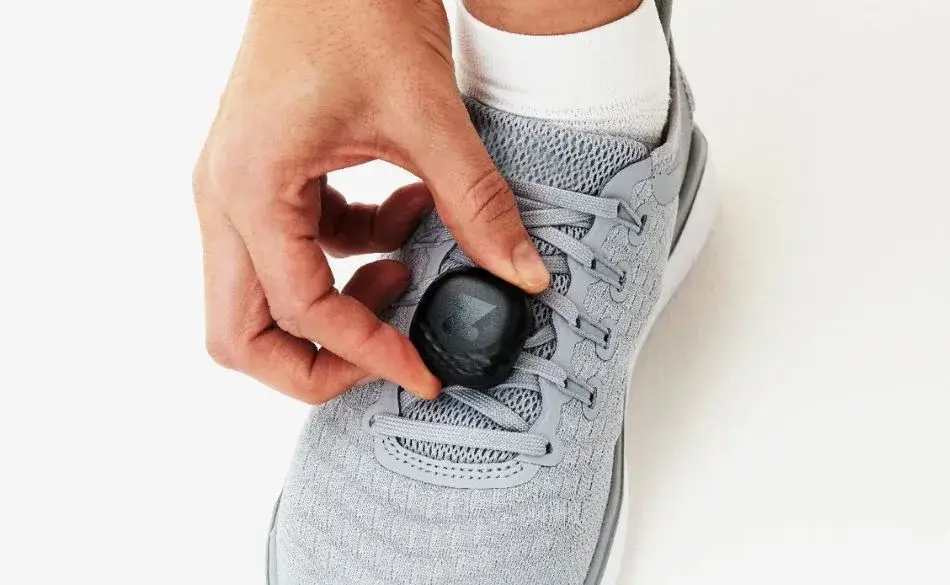
Most GPS watches and fitness trackers can automatically measure steps per minute. After your run, look for the data labeled “cadence” or “stride rate.” Some watches also record your average cadence, maximum cadence, and ground contact time (the period your foot stays on the ground during each stride).
If you use a smartwatch or phone app, wear it snugly and make sure it’s synced correctly. A loose or lagging device can throw off your readings, especially during faster runs.
Manual Measurement Method
If you don’t have a watch, you can still measure cadence manually:
- Run at your normal pace on a flat, even surface.
- Count every time your right foot touches the ground for 30 seconds.
- Multiply that number by 2 to account for both feet.
- Multiply again by 2 to estimate your total steps per minute.
Repeat this two or three times and average your results for accuracy.
Pro Tip for Accuracy
Warm up before measuring. Cold muscles and uneven breathing can affect rhythm and stride. Many coaches recommend checking cadence after 10 minutes of easy running when your body has settled into a natural rhythm.
If your watch provides ground contact time, note it along with cadence. A shorter contact time paired with a slightly higher cadence often suggests better running efficiency, though the relationship varies between runners.
Track cadence at different paces (easy runs, tempo efforts, and intervals). You’ll likely see cadence rise as pace increases. Watching how cadence and running pace change together gives valuable insight into your running form and how smoothly your body moves through each stride.
Give a marathon gift that truly matters with our professional Berlin Marathon Training Plan . Designed by expert coaches, this plan helps runners build endurance, pace, and race-day confidence for one of the world’s fastest and most iconic events.
Each week is carefully structured to balance long runs, recovery, and goal-specific sessions that prepare runners for Berlin’s flat, fast course. Whether your loved one is chasing a personal best or tackling their first major, this plan provides the tools and structure to reach their full potential.
The Berlin Marathon Training Plan includes pacing strategies, tapering guides, and recovery tips refined through years of professional coaching. It’s a thoughtful, high-impact gift for any runner serious about their next marathon.
Help them train smarter, stay consistent, and line up in Berlin feeling strong and prepared. It’s the ultimate marathoner’s gift.
Explore the Berlin Marathon Plan →
What Is the Optimal Running Cadence for You
Every runner wants to know the magic number, but there isn’t one. The best running cadence depends on factors like your height, leg length, running pace, and experience. The often-quoted 180 steps per minute (SPM) guideline is a helpful reference, not a strict rule.
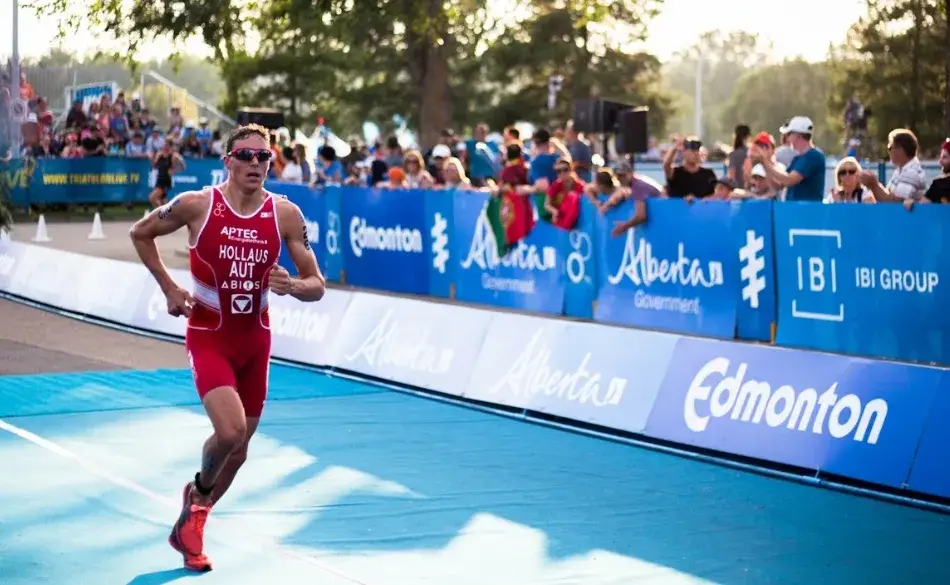
Elite runners tend to hover near or above 180 SPM during race pace, while recreational runners usually average around 160 to 170 SPM on everyday runs. Taller runners or those with longer legs often have slightly lower cadences because each stride covers more ground. Shorter runners may naturally have a faster step rhythm.
A smart approach is to first measure your current stride rate, then experiment with a gradual 5–10 percent increase. Research shows that raising cadence by this margin can lower knee and hip loading forces by roughly 20 percent while improving running efficiency for many athletes.
Below is a coaching-based guide that combines cadence ranges with pace and body characteristics.
👉 Swipe to view full table
| Runner Type | Typical Cadence (Steps/Minute) | Common Pace Range | Height Influence | Coaching Focus |
|---|---|---|---|---|
| Beginner | 150 – 165 | 6:00 – 7:30 min/km | Taller runners may be near the lower end | Build rhythm, reduce overstriding, improve comfort |
| Intermediate | 165 – 175 | 4:45 – 6:00 min/km | Moderate height difference, cadence becomes steadier | Refine efficiency, balance stride length and turnover |
| Advanced / Elite | 175 – 190 + | 3:00 – 4:45 min/km | Less affected by height due to high mechanical efficiency | Maximize economy and maintain cadence under fatigue |
Instead of chasing a single target number, aim for what feels smooth and repeatable. Gradual increases help your body adapt and reduce injury risk. A small 5–10 percent change in cadence and running stride over several weeks is often enough to make your form lighter, faster, and easier on the joints.
When your cadence and running rhythm align with your physiology, you’ll notice fewer heavy steps and more flow, the hallmark of efficient movement.


How Cadence Influences Your Running Form and Performance
Now that you know what cadence is, let’s look at how it changes the way you run.
Your running cadence directly shapes your stride length, running form, and efficiency. When cadence is too low, your feet spend more time on the ground, creating higher impact with every step. That’s when you start to feel heavy and sluggish, especially late in runs.
A slightly quicker stride rate helps you land closer to your center of mass, reducing braking forces and keeping momentum flowing forward. Think of it as running with spring instead of stomp. You use less energy fighting friction, and your body absorbs less impact. For help syncing your breathing to that rhythm and supporting your cadence efforts, see our article on best breathing techniques while running.
Studies have shown that small increases in cadence can significantly reduce impact loading and improve running economy. Research from The Journal of Orthopaedic & Sports Physical Therapy and PeerJ supports the idea that a slightly faster step rate helps reduce stress on the knees and hips without sacrificing efficiency.
Here’s what happens when you fine-tune cadence:
- Improved posture: A faster rhythm helps maintain a tall, balanced body position.
- Reduced ground contact time: Shorter strides mean quicker rebounds and smoother transitions.
- Better joint protection: Less overstriding reduces stress on the knees, hips, and shins.
- Enhanced mechanical efficiency: More steps per minute can make your running feel smoother and more economical over time.
I’ve seen this transformation many times in coaching. One of my athletes, Michael, struggled with fatigue during long runs despite strong fitness. His cadence hovered around 160 SPM, with long strides and loud landings. After two months of cadence drills and short hill sprints, his rhythm rose to 172 SPM. The difference was instant, his runs felt smoother, lighter, and he finished each session with more energy.
The key is balance. Too high a cadence feels forced, while too low makes running inefficient. Experiment within a comfortable range, and you’ll discover where your cadence and running feel effortless together.
Once your cadence feels consistent and efficient, you can build on that rhythm to improve your overall speed and endurance. Learn more in our guide on how to run faster with proper form and training strategy.


Cadence Drills to Improve Your Running Rhythm
Once you know your baseline running cadence, the next step is learning how to improve it gradually. The goal isn’t to force faster steps but to train your body to move with rhythm and efficiency. Cadence improvement comes from small, consistent adjustments and focused drills that strengthen your coordination and timing.
Here are a few of the most effective cadence drills used by experienced coaches and runners:
- Metronome Runs: Use a metronome app or set your running watch to beep at a target step rate slightly above your current cadence (around 5% higher). Match your foot strikes to the beat. This builds rhythm without increasing speed.
- Short Stride Intervals: Run 30 to 60 seconds at your normal pace while focusing on quick, light steps. Recover with easy jogging, then repeat. Gradually increase the number of repetitions over time.
- Treadmill Cadence Sessions: On a treadmill, set a comfortable pace and focus on maintaining smooth turnover with minimal bounce. Mirrors or side cameras can help you monitor running form.
- Hill Strides: Running short uphill bursts naturally encourages higher cadence and better running efficiency because it reduces overstriding.
The key to success with these drills is patience. Cadence adaptation takes several weeks as your muscles, tendons, and nervous system adjust. Start with one or two cadence-focused sessions per week, keeping them short and light.
Over time, your stride rate will feel smoother, and your cadence and running rhythm will improve automatically. You’ll begin to notice that your feet land softer, your posture feels taller, and each stride flows more naturally.
Training for a marathon? Take the guesswork out of your cadence, pacing, and endurance with our proven Marathon Running Training Plan . Designed by expert coaches, this plan helps you develop the rhythm, efficiency, and consistency needed to handle every kilometer with confidence.
Each program is built around your current fitness, race goals, and available training time. You will receive structured long runs, interval workouts, and recovery sessions that work together to improve your stride rate, strengthen your body, and enhance your running efficiency.
Delivered through TrainingPeaks, you can easily track your progress, monitor cadence trends, and communicate with your coach for ongoing feedback. This approach ensures you are building not just distance but also the steady cadence and running rhythm that makes marathon racing feel smoother and more sustainable.
Start your marathon journey with structure, confidence, and a rhythm built to last the full 42.2 km.
Explore Marathon Training Plans →

Mistakes When Increasing Cadence and How to Avoid Them
If you’ve started working on your running cadence, you might notice how tempting it is to rush progress. But that’s where many runners go wrong. Cadence training is about rhythm and control, not speed or pressure. Even small errors can slow your improvement or cause unnecessary strain.
Pushing Too Fast, Too Soon
The biggest mistake runners make is trying to jump their stride rate by twenty steps per minute overnight. When you do that, your breathing shortens, your form tightens, and your shoulders begin to lift. You end up fighting the movement instead of flowing with it. Instead, aim for a gradual increase of about five percent. It’s enough to improve rhythm and running efficiency without stressing your muscles or joints.
Confusing Cadence With Speed
Your cadence is the number of steps per minute, not how fast you move forward. Many runners push their pace to match a number on their watch. But cadence training should happen at your normal pace. It’s about step rhythm, not sprinting. Keep your effort even and focus on light, quick foot strikes.
Ignoring Body Feedback
Some runners rely only on watch data and forget to listen to their bodies. Your cadence should sound like a smooth drumbeat, not a rapid-fire shuffle. If it feels rushed or forced, you’ve likely overshot your target. Relax your shoulders, breathe deeply, and let rhythm find you.
Skipping Form Adjustments
Even if your cadence improves, your running form matters most. Slight overstriding or leaning too far forward can undo your progress. Keep your posture tall, shorten your stride slightly, and aim to land under your center of mass.
When your cadence and running balance feels smooth (light footfalls, steady rhythm, and effortless flow) you’ll know you’ve got it right.


How to Maintain Your Running Cadence Over Time
Reaching your ideal running cadence is only half the battle. The real challenge is keeping it consistent across different runs, paces, and terrains. Like any skill, maintaining cadence comes from awareness, practice, and smart training structure.
Track Progress, Don’t Chase Perfection
Once you’ve found a comfortable stride rate, make cadence tracking part of your routine. Check it once or twice per run, not every few minutes. Watching the number constantly can distract you from your rhythm and increase tension. Focus on how the movement feels instead of chasing data. Smooth, light steps usually mean your running efficiency is where it should be.
Use Variety to Stay Consistent
Cadence can drift on hills, trails, or during long runs, and that’s perfectly normal. What matters is maintaining your natural rhythm under changing conditions. You can strengthen this consistency through variety:
- Mixed-terrain runs improve coordination and responsiveness.
- Tempo sessions reinforce your natural turnover at faster paces.
- Recovery jogs help you practice maintaining cadence at an easy effort.
Over time, this balance builds both physical and neuromuscular endurance. The secret to keeping cadence and running steady no matter the distance.
Check Cadence Trends Monthly
Look for patterns in your training data. If cadence drops during the final kilometers of every long run, that might signal fatigue, form breakdown, or tight hip flexors. Small corrective steps, like adding mobility or strength sessions, can restore balance.


How Strength and Mobility Affect Running Cadence
You can’t improve running cadence in isolation. Your strength, flexibility, and stability all play huge roles in how smoothly your legs turn over. Weak hips or tight ankles can limit stride control, while a strong, mobile body makes maintaining rhythm feel effortless.
The Strength Connection
Think of each stride as a small single-leg squat. If your glutes, quads, or calves fatigue too early, your stride rate drops, your form breaks down, and you start to overstride. Strength training builds the power and stability needed to keep your cadence consistent even under fatigue. Focus on compound exercises that mimic running movement patterns:
When your hip and ankle mobility improves and your legs feel stronger, your stride rate starts to stabilise and your rhythm becomes more consistent. A great way to build that strength is by focusing on specialised work like eccentric quad exercises for runners, which help support your cadence training efforts.
- Single-leg deadlifts improve balance and glute stability.
- Step-ups strengthen hip and knee drive.
- Calf raises boost lower-leg endurance for faster steps per minute.
- Core work (planks and side bridges) keeps posture upright and reduces energy waste.
Two strength sessions a week are enough for most runners to see results within a few months.
The Mobility Factor
Tight hips, calves, or hamstrings limit stride efficiency and make rhythm harder to maintain. Improved mobility allows your joints to move freely through a full range of motion without forcing it. Try incorporating mobility drills after your warm-up or on rest days.
For a complete guide to improving flexibility and balance, check out our detailed article on mobility exercises for runners. These routines are designed to help you move more freely and maintain a consistent cadence across different paces.
Simple options include:
- Hip circles and dynamic lunges
- Calf stretches against a wall
- Leg swings to open the hips
As flexibility improves, you’ll notice smoother transitions between steps and better running efficiency. A strong, supple body moves with flow, letting your cadence and running rhythm work together naturally.
Ready to improve your rhythm, stride, and overall running efficiency? Get personalized Running Coaching built around your current fitness, cadence, and goals. Our expert coaches help you find your ideal step rate and form so you can run smoother and stronger every week.
Each coaching plan includes structured workouts, regular feedback, and professional guidance designed to fine tune your stride rate and rhythm. Whether you are aiming to improve your 5K time or master marathon pacing, we will help you unlock your most efficient cadence.
Delivered through TrainingPeaks, you will get real time insights into your progress, support from experienced coaches, and the confidence to maintain your best cadence and running form through every training phase.
Do not guess your rhythm. Master it with a plan built just for you.
Explore Running Coaching →

What Cadence Works Best On Hills, Trails, and the Treadmill
Every surface changes the way you move, which means your running cadence naturally shifts too. The goal isn’t to lock into one number, it’s to adjust rhythm to match terrain, effort, and conditions. Think of cadence as a tool you fine-tune for control and comfort.
Running Uphill
When climbing, a slightly higher stride rate and shorter stride length help maintain rhythm without overstriding. Quick, light steps per minute reduce vertical bounce and make each stride feel smoother. Imagine running up a staircase one step at a time, it’s about small, efficient movements, not power leaps. Research shows that a moderate cadence increase on hills helps reduce impact forces and keeps running efficiency high even under fatigue.
Running Downhill
Descending feels effortless but can secretly punish your joints. Many runners lean back and lengthen their stride, which increases braking and knee load. To counter this, lean slightly forward from the ankles, land softly under your hips, and let gravity guide you. A modestly quicker cadence (just 5–10% higher than flat running) can help you stay balanced and reduce impact stress.
Running on Trails
Uneven terrain constantly challenges your cadence and running rhythm. Rocks, roots, and quick turns mean your stride will vary from step to step and that’s fine. Focus on short, reactive foot placements and quiet landings. Rather than chasing a target number, aim for control and adaptability. Trail runners naturally develop higher cadence variability, which improves coordination and balance.
Running on a Treadmill
The treadmill is perfect for cadence awareness because it removes external variables. Set an easy pace, stay tall, and focus on smooth, even turnover. Shorter ground contact time and steady stride rate build rhythm you can transfer outdoors. Studies show treadmill running often produces a slightly higher cadence due to constant belt motion, making it great for practicing efficient form.
If you’d like a deeper dive into how slope affects your stride, strength, and rhythm, check out our full guide on Running Slope: How Hills Improve Strength, Speed, and Endurance.

Conclusion – Finding Your Natural Rhythm
Improving your running cadence isn’t about chasing a single number, it’s about finding a rhythm that fits your stride, your body, and your goals. Every runner moves differently. The key is to use cadence as a guide to efficiency, not a rule to follow blindly.
When you train smart (building strength, mobility, and awareness) your stride rate begins to align naturally with your effort. You’ll feel lighter on your feet, smoother in motion, and more confident across every run, whether it’s on pavement, trail, or treadmill.
Start small. Add short cadence drills, notice patterns in your runs, and give your body time to adapt. Over a few weeks, your cadence and running rhythm will begin to sync effortlessly. The hallmark of every efficient runner.
Consistency and patience always win. The more you focus on feel rather than numbers, the more powerful and enjoyable your running becomes.