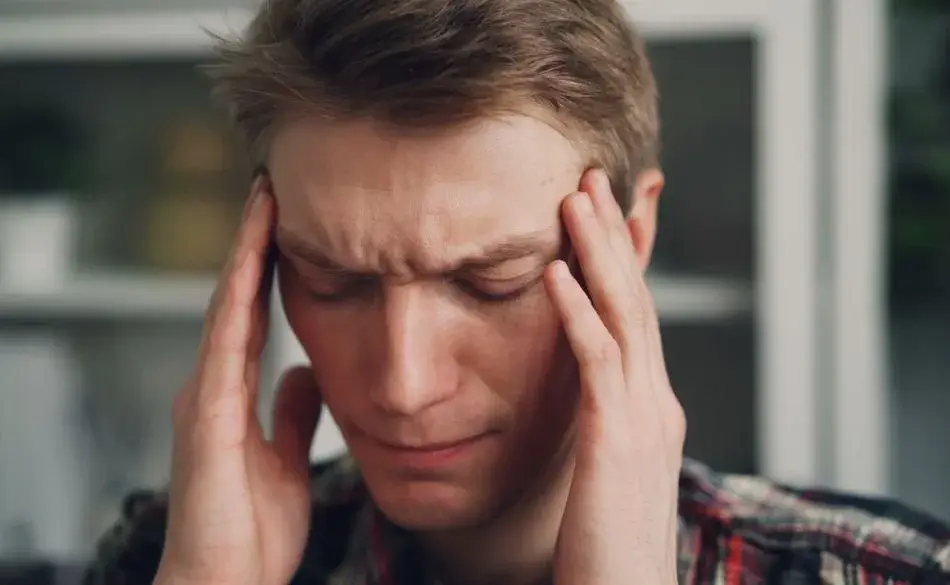
The Truth About Exercising After a Concussion
For many years, the standard advice after a head injury was simple. Stop everything and rest until you feel completely normal. But new research has rewritten that rulebook. Today, experts understand that light physical activity plays a key role in concussion rehabilitation. In fact, gentle movement can help your brain recover faster than total rest ever could.
These evolving protocols align with the Australian Concussion in Sport guidelines, which emphasize safe return to activity, symptom monitoring, and brain health safeguards.
When a concussion occurs, your brain temporarily struggles to regulate blood flow, energy use, and communication between nerve cells. This leads to symptoms like dizziness, fatigue, or headaches. While rest is essential at first, remaining inactive for too long can cause deconditioning, poor sleep, and slower recovery. That’s where graded return to exercise comes in, a structured process that reintroduces activity safely and gradually.
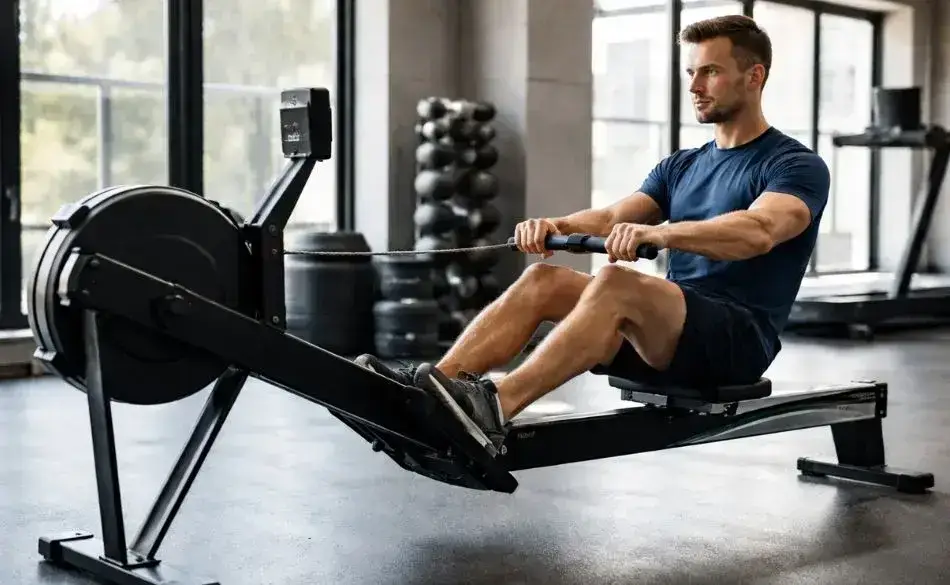
According to a study published in the British Journal of Sports Medicine, introducing aerobic exercise after concussion within a few days (as long as symptoms are stable) can speed up recovery and reduce the risk of developing post-concussion syndrome. These workouts, known as subsymptom threshold exercises, are designed to stay below the point where symptoms worsen. Think easy walking, light stationary biking, or gentle stretching.
This doesn’t mean you should rush back into training. The goal is balance (enough movement to stimulate healing but not enough to overload your brain). A good rule of thumb is to stop any activity that makes symptoms spike or linger for hours afterward.
The safest approach? Work closely with a physiotherapist familiar with concussion rehab protocols. They’ll monitor heart rate, symptom levels, and exercise tolerance to find your sweet spot. The idea is to let the body move, but never at the expense of brain recovery.


When Is It Safe to Start Moving Again After a Concussion?
The first question on most minds is simple: can you exercise with concussion right away?
For the first 24–48 hours, use relative rest. That means daily life tasks are fine, but heavy workouts are not. The goal during this period is to let your brain settle while keeping light movement in your routine (like short walks around the house or gentle stretching).
After that window, you can ease into a graded return to exercise. This process involves increasing activity in small steps while closely monitoring your symptoms. Each session should be light, controlled, and easy to stop if you start feeling worse.
Start with activities you can manage safely, such as calm walks or easy spins on a stationary bike. The focus is on subsymptom threshold exercise (staying below the level that worsens your symptoms). If a headache, nausea, or dizziness rises by more than one or two points, pause and try again later at a lower intensity.
If you often feel uneasy or nauseous during light activity, it may not always be related to the concussion itself. Learn how to manage and prevent that feeling by reading Nauseous After Running, which explains how hydration, pacing, and nutrition affect post-exercise nausea.
Most people begin with 5–10 minutes of gentle movement and build up gradually as they tolerate it. This approach supports concussion rehabilitation by helping restore blood flow and balance without overloading the brain. It also keeps your body active and your mood positive, preventing the frustration that comes with prolonged inactivity.
When you can tolerate light aerobic exercise after concussion for several consecutive days, you can begin to add time or slightly increase intensity. Progress slowly, ensuring that symptoms remain stable for at least 24 hours after each session before advancing.
For athletes, a structured return to play concussion plan is essential. You’ll move through non-contact stages first before any drills or activities that involve impact or falling. Each phase should be cleared by a professional to protect your long-term recovery.
If symptoms linger beyond two weeks, or if you feel “stuck” in your progress, reach out to a clinician trained in concussion management. They can assess for issues like neck stiffness, eye movement problems, or balance deficits and adjust your plan with targeted therapies.
Quick Guidelines You Can Trust
- Use 24–48 hours of relative rest, not strict bed rest.
- Begin with 5–10 minutes of very light movement.
- Stay under your symptom threshold at all times.
- Increase time or intensity every 24 hours if stable.
- Stop and scale back if symptoms jump or linger.
Every runner, from beginner to elite, benefits from structure and balance. Our Running Coaching programs are designed to help you train smarter, recover better, and perform stronger. Each plan is built around your fitness level, goals, and lifestyle. Giving you the right mix of intensity and rest to keep improving safely.
- Personalized training structure: sessions tailored to your pace, distance, and recovery needs
- Smart recovery planning: reduce fatigue and prevent injury through data-driven rest strategies
- Performance development: improve speed, endurance, and efficiency with proven running methods
- Ongoing expert feedback: continuous support from professional running coaches to keep you progressing
Run with purpose, recover with intent, and reach your next personal best with a structured coaching plan built for you.
Start Running Coaching →

Understanding the Science Behind Exercise and Concussion Recovery
When it comes to healing from a concussion, movement isn’t just about fitness, it’s about helping your brain repair itself. Modern neuroscience shows that aerobic exercise after concussion can positively influence how your brain recovers. It encourages better blood flow, supports cell repair, and helps balance energy use inside the brain.
After a concussion, your brain’s metabolism becomes disrupted. It burns energy quickly, yet receives less oxygen and glucose. This creates what doctors call an “energy crisis.” Light, controlled movement (like walking or gentle cycling) can gradually restore that balance. It’s a safe way to promote healing while reducing the risk of post-concussion syndrome.
Exercise also triggers the release of brain-derived neurotrophic factor (BDNF), a protein that supports neuroplasticity, or your brain’s ability to rewire and form new connections. This is why early, controlled movement is now viewed as a vital part of concussion rehabilitation, rather than a risk.
Still, it’s important to remember that recovery is unique for everyone. Some people progress quickly, while others need a slower approach. The safest method is to work with a professional who can monitor your response and adjust your plan using a graded return to exercise model.
The table below outlines a typical recovery framework used in modern concussion rehab protocols. It’s not a strict schedule, but it gives you a sense of how movement intensity can build as the brain heals.
👉 Swipe to view full table
| Phase | Goal | Example Activities | Progression Criteria |
|---|---|---|---|
| 1. Relative Rest (0–2 Days) | Allow symptoms to settle and prevent overexertion. | Short walks, light daily tasks, deep breathing. | No major symptom flare-ups for 24 hours. |
| 2. Light Aerobic Activity (2–5 Days) | Increase blood flow and support recovery. | Stationary cycling, treadmill walking, gentle yoga. | Tolerate 10–15 min without worsening symptoms. |
| 3. Moderate Exercise (5–10 Days) | Enhance endurance and reintroduce rhythm. | Brisk walking, light resistance work, balance training. | Complete sessions symptom-free for 24 hours. |
| 4. Advanced Coordination (10–14 Days) | Improve stability and reintroduce sport-like movements. | Dynamic balance drills, agility patterns, light jogging. | No dizziness or fatigue post-activity. |
| 5. Return to Play or Full Function (2+ Weeks) | Regain full fitness and sport readiness. | Sport drills, progressive running, resistance training. | Cleared by clinician; no symptoms during exertion. |
This progressive model ensures that your recovery includes both physical and neurological rebuilding. Each phase gives your brain time to adapt before moving to the next. That’s the key to a safe and successful recovery from a concussion.


The Role of Balance and Vestibular Exercises in Concussion Rehabilitation
One of the most overlooked aspects of concussion recovery is balance and spatial awareness. When the brain is injured, it often disrupts the vestibular system (the part responsible for controlling movement, coordination, and orientation). That’s why many people experience dizziness or instability after a concussion.
Incorporating balance exercises concussion and vestibular rehabilitation into your routine can make a major difference. These exercises retrain your brain to process signals from your eyes, inner ear, and muscles more effectively. They’re typically introduced once you can perform light aerobic exercise after concussion without symptom flare-ups.
Simple balance work can start with static standing drills before progressing to more dynamic movements. The goal is to gently challenge your equilibrium without causing discomfort or fatigue. When performed consistently, these drills help restore stability, reduce dizziness, and build confidence in everyday movement.
Below are some effective examples of beginner-friendly vestibular and balance exercises often recommended during concussion rehabilitation:
- Single-leg balance: Stand on one leg for 10–15 seconds while keeping your eyes focused on a fixed point. Switch sides and repeat.
- Heel-to-toe walk: Walk in a straight line, placing your heel directly in front of your toes each step. This enhances lower-body stability and coordination.
- Head-turning exercises: Slowly rotate your head side to side or up and down while maintaining your balance.
- Dynamic balance training: Use a balance board or soft surface to improve ankle and core control as symptoms allow.
- Gaze stabilization drills: Focus on a stationary object while gently turning your head left and right. This retrains your eye-brain connection.
These drills are safe, low impact, and easy to perform at home. They not only enhance physical recovery but also boost confidence during the later stages of a graded return to exercise. Always perform them under guidance from a trained professional to ensure correct form and symptom monitoring.
To explore how advanced technology is transforming rehabilitation and low-impact training, read How the Alter G Running Machine Is Redefining Training and Rehab for a deeper look at how anti-gravity systems support recovery after injury.
Every strong cyclist knows performance is built on structure, not guesswork. Our Cycling Coaching programs are designed for riders who want to train smarter, recover faster, and reach peak fitness with personalized, data-driven plans. Whether you’re targeting a race, a long-distance event, or all-around improvement, our coaching brings clarity and focus to your training.
- Structured power development: targeted sessions to increase FTP and endurance strength
- Custom performance analytics: track progress with professional training data reviews
- Recovery optimization: tailored workloads that balance fatigue and adaptation
- Ongoing expert support: direct feedback from experienced cycling coaches
Train with purpose, master your power, and unlock your best performances with personalized cycling coaching.
Start Cycling Coaching →
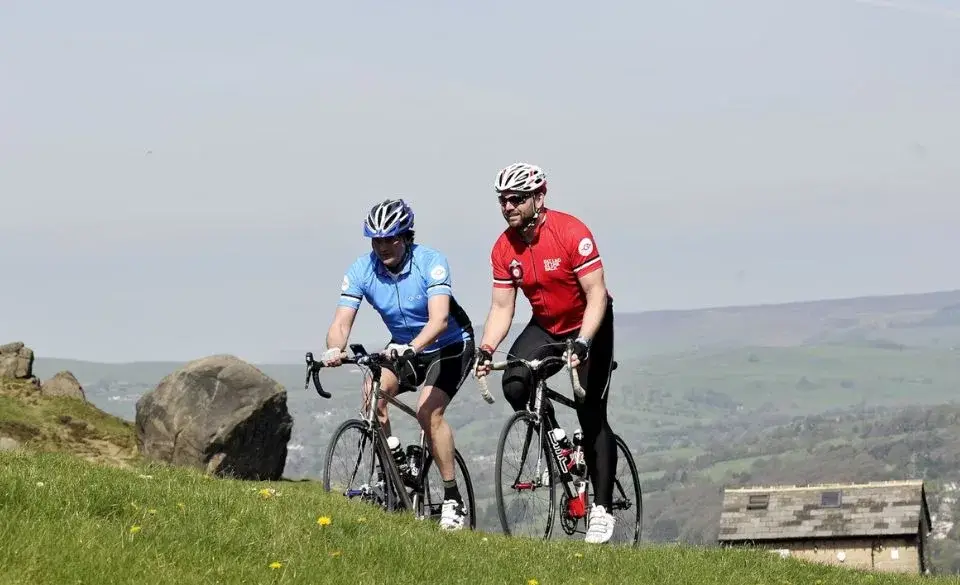
How to Build a Safe Exercise Plan After a Concussion
Recovering from a concussion isn’t about pushing harder, it’s about pacing smarter. A good exercise plan balances rest, gentle challenge, and gradual progress. Each step supports your brain’s healing while helping you regain confidence in movement.
Start with a clear baseline. Choose an activity you can do for 5–10 minutes without your symptoms getting worse. That could be an easy walk, light stationary cycling, or gentle mobility work. This becomes your subsymptom threshold exercise. The safe level where you can move without triggering headaches, dizziness, or fatigue.
Keep a simple daily log to track how long you exercised, how it felt, and whether any symptoms appeared afterward. Seeing patterns helps you stay objective, especially on days when motivation dips. It’s one of the easiest tools for managing your own concussion rehabilitation progress.
Once you’ve found that comfort zone, follow a graded return to exercise model. Add a few minutes or a small increase in intensity every 24 hours as long as your symptoms stay stable. If you notice they climb by more than one or two points (or linger the next day) pull back to your previous level and stay there until things even out. The goal isn’t speed; it’s consistency.
For a detailed guideline on phase-by-phase return to sports activity after concussion, see the CDC “Returning to Sports | HEADS UP” guidelines, which outline a six-stage progression used widely in clinical practice.
Include short strength sessions when you’re ready, focusing on control and form rather than power. Avoid anything that causes jarring or strain, like heavy lifts or sudden direction changes. Light bodyweight work can improve stability without overloading your system.
As your tolerance improves, blend in balance or coordination drills to rebuild your connection between vision, inner ear, and muscles. These small details accelerate recovery and reduce the risk of lingering issues such as post-concussion syndrome.
Before returning to sport or intense activity, make sure you’ve had several symptom-free sessions of moderate cardio and simple drills. Follow an approved return to play concussion framework, where non-contact phases come first and medical clearance confirms readiness. That final check is what ensures your recovery is not just complete, but safe.
For more guidance on rebuilding fitness and pacing yourself after a break, check out Running After 2 Weeks Off, which explains how to safely restart training and regain your rhythm after time away.
Moving Forward with Confidence After a Concussion
Recovering from a concussion can feel like walking a tightrope. One step too fast and symptoms return, one step too slow and progress stalls. The truth lies in finding your balance. With patience, structured movement, and careful monitoring, you can safely return to activity without setbacks.
Modern research has transformed how we view recovery. Instead of weeks of strict rest, we now know that gentle, guided activity helps the brain heal. It improves blood flow, boosts mood, and reduces the chance of developing post-concussion syndrome. The secret is to stay just below your symptom threshold and build consistency over time.
If you’re working through concussion rehabilitation, remember that healing isn’t linear. Some days will feel easy; others might remind you to slow down. That’s normal. Your progress depends not on how quickly you return to full intensity but on how steadily you follow your plan.
Be patient with yourself and focus on quality movement rather than quantity. Whether it’s light cycling, steady walking, or balance work, each small session builds the foundation for your full recovery. Over time, these habits protect your long-term brain health and make you stronger, both mentally and physically.
If symptoms persist or worsen after two weeks, seek professional guidance. Specialists can design targeted concussion recovery exercises and evaluate factors like neck stiffness or vision issues that may be slowing you down. With the right plan, recovery becomes more predictable and less intimidating.
Ultimately, the answer to “can you exercise with concussion” is yes. However, this must be done smart, slowly, and with respect for your body’s cues. Healing takes commitment, but every small step forward counts. Trust the process, lean on expert guidance, and celebrate each milestone on your path back to full strength.


Common Mistakes to Avoid During Concussion Recovery
Even with the best intentions, it’s easy to go off track during recovery. Some people rest too long, while others rush back into training before their brain is ready. Knowing what to avoid is just as important as knowing what to do.
The first big mistake is pushing intensity too early. Jumping straight into running, heavy lifting, or high-impact workouts can cause symptoms to spike and delay healing. Remember, your goal is subsymptom threshold exercise (steady activity that never makes you feel worse during or after the session).
Another common error is skipping professional guidance. A trained clinician or physiotherapist can help set safe heart-rate zones and watch for subtle warning signs you might miss. They’ll build a proper graded return to exercise program tailored to your progress rather than relying on guesswork.
Many people also forget to monitor their symptoms consistently. Without tracking how you feel after each workout, it’s impossible to know if you’re doing too much or too little. Simple logs or smartphone apps are enough to stay accountable.
Finally, avoid neglecting balance and coordination work. These skills recover slower than physical fitness, and skipping them can leave you feeling “off” long after other symptoms fade. Integrating gentle balance exercises concussion routines keeps your movement sharp and stable.
Whether you’re preparing for your first sprint event or chasing a new personal best, professional guidance can transform your training. Our Triathlon Coaching programs are designed to help athletes build speed, efficiency, and resilience across swim, bike, and run disciplines. Every plan is personalized around your goals, schedule, and ability level.
- Structured endurance training: improve aerobic capacity and pacing for all race distances
- Power and strength development: enhance performance through efficient, sport-specific conditioning
- Smart recovery programming: balance training load to reduce fatigue and prevent overtraining
- Expert feedback and analytics: get data-driven guidance to fine-tune technique and performance
Work with a dedicated triathlon coach to build the fitness, form, and confidence needed to perform at your best in every leg of the race.
Start Triathlon Coaching →

Long-Term Brain Health and Prevention After Recovery
Once you’ve recovered, it’s easy to forget how fragile your brain once felt. But long-term brain health doesn’t end when your symptoms disappear, it’s something you keep protecting every day.
One of the smartest things you can do is stay consistent with moderate physical activity. Regular exercise improves blood flow, supports memory, and strengthens your brain’s natural resilience. Studies show that people who maintain fitness routines after a concussion often experience fewer cognitive issues later in life.
However, prevention matters just as much as recovery. Always wear proper protective gear for your sport, keep equipment in good condition, and focus on technique rather than risk. Small adjustments (like learning how to fall safely or strengthening your neck muscles) can significantly reduce concussion risk in contact and endurance sports.
Continue using simple concussion recovery exercises such as balance drills or gaze-stabilization work even after you feel fully healed. These reinforce neural pathways and maintain coordination. Over time, they make you more body-aware and less prone to injury.
For athletes returning to competition, follow a structured return to play concussion checklist every season. It ensures that if another impact happens, recovery starts quickly and correctly. The earlier you act, the easier it is to manage symptoms and avoid long-term complications.


The Bottom Line on Exercising After a Concussion
Recovering from a concussion doesn’t mean giving up movement, it means rethinking how you move. Exercise isn’t the enemy; it’s part of the solution when used correctly. By following a graded return to exercise, you help your brain heal through improved circulation, balanced energy use, and better coordination.
The science is clear: gentle, structured activity within your subsymptom threshold helps reduce recovery time and prevents complications like post-concussion syndrome. Add to that a mix of concussion rehabilitation techniques (like balance work, vision training, and light aerobic movement) and you’ve built a program that supports both body and mind.
Most importantly, remember that every concussion is different. What works for one person might not work for another. Always listen to your symptoms and progress at your own pace. If you’re unsure whether to push forward or hold back, check in with a qualified professional familiar with concussion rehab protocols. Their guidance ensures every step is safe and effective.
In the end, your goal isn’t to rush recovery, it’s to return stronger, smarter, and more aware of what your body needs. Healing takes time, but consistent, mindful exercise will get you there. Keep moving, stay patient, and let progress come naturally.