Understanding Compression Sleeves
Compression sleeves are snug-fitting garments worn over the calf and shin. They’re made from elastic materials that apply graduated pressure, meaning the pressure is strongest at the ankle and decreases up the leg. This design promotes blood flow back to the heart, reducing muscle vibration and fatigue.
For runners, this means potential relief from shin splints, reduced swelling, and faster recovery times. They’re also lightweight and can be worn during or after workouts.
Benefits of Shin Compression Sleeves
Benefits of Shin Compression Sleeves
- Enhanced Blood Circulation: The graduated pressure helps push blood back toward the heart, delivering oxygen and nutrients to muscles more efficiently.
- Reduced Muscle Vibration: By stabilizing the muscles, sleeves can minimize the micro-traumas that lead to soreness.
- Swelling Prevention: Improved circulation can help prevent the accumulation of fluid in the lower legs.
- Support During Activity: Wearing sleeves during exercise can provide a sense of stability, potentially reducing the risk of injury.
- Accelerated Recovery: Post-exercise, sleeves can aid in flushing out metabolic waste, leading to quicker recovery.
One of the athletes I coach started running seriously in their late 30s and ran into a wall—shin splints hit hard during those first few weeks of training. I suggested trying compression sleeves for their shins, and within a couple of sessions, they noticed a real difference. The post-run soreness dropped off, and they told me they finally felt more secure and steady during their runs—like their legs had backup support when it mattered most.


Choosing the Right Compression Sleeve
When selecting a compression sleeve, consider the following:
- Compression Level: Measured in mmHg, common levels range from 15-20 mmHg for mild compression to 20-30 mmHg for firmer support.
- Material: Look for moisture-wicking, breathable fabrics to keep your legs dry and comfortable.
- Fit: A proper fit is crucial. Too tight, and it could restrict circulation; too loose, and it won’t provide adequate support.
- Length: Ensure the sleeve covers the area of discomfort, typically from just above the ankle to below the knee.
For a deeper understanding of how compression gear aids in running performance and recovery, check out our article on Compression Socks for Running: Benefits, Recovery & Tips.
When to Wear Compression Sleeves
If you’re wondering when to slip on your compression sleeves for shins, the answer depends on your needs—prevention, performance, or recovery. Let’s break it down.
1. During Your Workouts
Wearing compression sleeves while you run, lift, or hike can help reduce muscle vibration and keep your shins stable. This can be especially helpful during speed work or long runs, when fatigue sets in and form starts to break down.
Do your shins tend to ache mid-run? Try sleeves on your next key session and see how it feels.
For many runners I coach, sleeves become a go-to for hill days, tempo sessions, or any time they’re pushing harder than usual.
Experiencing calf tightness during your runs? Learn about common causes and solutions in our guide: Fix Calf Tightness During Running: Causes and Expert Solutions.
2. After Exercise for Recovery
One of the most powerful uses of compression is right after a workout. Wearing sleeves post-run can help increase blood flow, reduce inflammation, and speed up the removal of metabolic waste (like lactic acid). This means less soreness the next day—and potentially better performance in your next session.
I’ve had athletes wear them for a few hours after long runs or races and wake up with fresher legs.
3. On Long Flights or Road Trips
Travel can be sneaky. Sitting for long periods can cause fluid to pool in your lower legs, especially if you’re already sore or inflamed from training. Compression sleeves help keep that circulation flowing. If you’re flying to a race or driving to an event, they’re a smart piece of gear to pack.
Think of them as an active recovery tool—even when you’re doing nothing.
4. During Work or Long Standing Days
If you’re on your feet all day for work—nurses, retail staff, teachers—your lower legs are taking a beating. Compression sleeves can offer a bit of relief by improving circulation and reducing swelling. They can also help with that end-of-day “heavy leg” feeling.
Have you ever taken your shoes off after work and felt like your legs were buzzing? That’s where sleeves can help.
5. When Returning from Injury
If you’ve had shin splints, minor stress reactions, or calf issues in the past, sleeves can be a gentle layer of protection when easing back into training. They won’t replace smart programming or rehab—but they can give you a mental and physical edge.
Many runners find the consistent pressure reassuring, like a soft brace that encourages better mechanics.
For a comprehensive overview of shin splints, including causes, remedies, and prevention strategies, refer to this article by the Mayo Clinic: Understanding and Managing Shin Splints.

Potential Drawbacks of Compression Sleeves
Not a Substitute for Proper Training
Let’s be clear—compression sleeves won’t make up for skipping your warm-up or pushing through pain. If your training plan lacks structure, or if you’re ignoring underlying biomechanical issues, no sleeve in the world will solve that. They work best when used alongside good habits: proper stretching, strength work, and smart mileage progression.
I’ve had athletes try to “bandage” over poor form or overtraining by simply pulling on sleeves. It helps for a while—but eventually, the root problem creeps back in. Use sleeves to support your efforts, not shortcut them.
Individual Results Vary
Some runners swear by them. Others? Barely notice a difference. It’s not unusual.
Your results might depend on your body mechanics, the severity of your symptoms, or even the brand and compression level of the sleeve you choose. Some people find instant relief. Others need several runs to feel any noticeable benefit.
That’s why I always suggest testing sleeves during lower-stakes runs first. If they help, great! If not, you haven’t lost anything—and you’ve learned what your body responds to.
Not Ideal for Everyone
Compression gear isn’t a universal fit. People with certain medical conditions—like circulation disorders, diabetes-related neuropathy, or deep vein thrombosis—should always check with a doctor before wearing compression sleeves regularly. They may restrict blood flow or cause unintended pressure if not properly fitted.
Even if you’re generally healthy, an overly tight sleeve can cause numbness or tingling both signs that it’s doing more harm than good.
How to Know If Compression Sleeves Are Working for You
| Sign | What It Means | What to Do Next |
|---|---|---|
| Less post-run soreness | Muscles may be recovering faster | Keep using after workouts or long runs |
| Reduced shin discomfort | Sleeves may be reducing vibration and inflammation | Try wearing them during speed sessions too |
| Improved endurance feel | Enhanced blood flow could be helping performance | Experiment with wearing during long runs |
| No tingling or numbness | Compression is likely at a safe, effective level | Continue regular use—your fit is good |
| Discomfort or skin marks | The sleeve may be too tight or poorly sized | Recheck sizing or try a lighter compression grade |


Top Calf Compression Sleeves for Runners
| Product | Compression Level | Material | Key Features | Price (USD) | Best For |
|---|---|---|---|---|---|
| CEP Run 4.0 Calf Sleeves | 20–30 mmHg | Nylon, Spandex | Moisture-wicking, high durability | $39.95 | High mileage & long-distance runners |
| Zensah Compression Sleeves | 15–20 mmHg | Nylon, Spandex | Targeted ribbing for shin support | $39.99 | Shin splint relief during runs |
| 2XU Compression Guards | 20–30 mmHg | Nylon, Elastane | Moisture control, muscle containment | $44.95 | Advanced performance & recovery |
| McDavid Compression Sleeves | 20–30 mmHg | Nylon | Anti-microbial, durable for daily use | $24.99 | Everyday training support |
| BLITZU Compression Sleeves | 20–30 mmHg | Nylon, Spandex | Anti-odor, good recovery support | $18.95 | Budget-friendly recovery aid |
Frequently Asked Questions
Can I wear compression sleeves all day?
Do compression sleeves help with other leg issues?
How do I care for my compression sleeves?
Can I wear them during sleep?
Conclusion: Supporting Your Stride
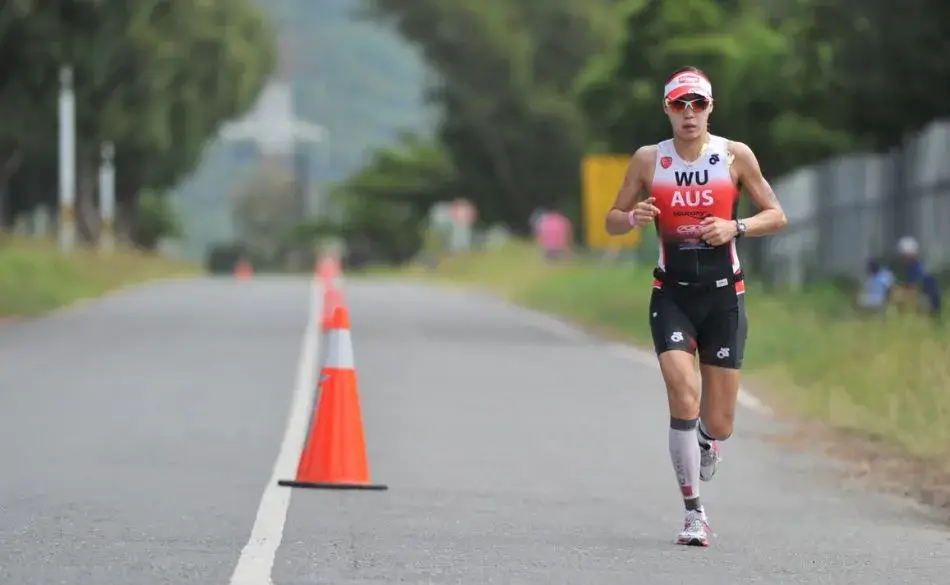
Compression sleeves for shins offer a non-invasive, accessible method to support your lower legs, especially for runners and active individuals. While they shouldn’t replace proper training and recovery practices, they can be a valuable addition to your routine.
If you’re experiencing shin discomfort or looking to enhance your recovery, consider giving compression sleeves a try. As always, listen to your body and consult with professionals as needed to ensure you’re on the right path to pain-free movement.