Whether you’re chasing a new 10K PR, prepping for your first half marathon, or just curious about your fitness potential, understanding your critical power can totally change the way you run.
It takes the guesswork out of pacing. Instead of relying on feel or outdated race paces, you use real, personalized data to guide every workout. That’s empowering. Because once you know your critical power, you can build training around it. Hitting the right zones, avoiding overtraining, and unlocking consistent improvement.
What Is Critical Power in Running, Really?
Think of critical power as the tipping point between running comfortably hard… and completely falling apart.
It’s the maximum effort you can sustain for an extended period. Usually around 30 to 60 minutes without fatiguing rapidly. Go just over it, and you’ll burn out quickly. Stay just under it, and you can hold that pace surprisingly long.
It’s not quite the same as your threshold pace or VO2 max, though it’s related. Critical power sits in between. Iit’s more stable than heart rate and more useful than pace when conditions change.
Here’s the thing about critical power: it’s your personal fitness fingerprint. It reflects how your body processes energy, fights fatigue, and handles stress over time. And once you know it? You can tailor training, race strategy, and recovery like never before.
What makes it even more special is that it gives you a unique look at your fatigue resistance. It shows how long you can keep pushing before your form breaks down, your breathing quickens, or your legs give out. For runners who crave consistent progress, this metric is gold.


Why Critical Power Matters More Than Pace
Let’s say you’re used to training by pace. But what happens on hills? Or during a heatwave? Pace isn’t reliable when conditions shift.
Power doesn’t lie.
That’s the magic of training with a running power meter. Power responds instantly to effort. It doesn’t lag like heart rate or drift like pace. You push harder – power goes up. You ease off – power drops.
Unlike pace, critical power running gives you a real-time gauge of how hard you’re working. Regardless of wind, terrain, or fatigue. That’s game-changing for runners who want to train with precision.
Even better, training with power eliminates the need to “guess” how hard a workout should feel. It adapts to your body and the environment in the moment. Instead of running blindly into a tempo session, you’ll know exactly how much effort to give. The result? You finish stronger and avoid the crash-and-burn pattern many runners fall into.
How Critical Power Is Calculated
You won’t find critical power on your average GPS watch (yet). But some platforms like Stryd, TrainingPeaks, and Golden Cheetah can estimate it using your power duration curve.
In simple terms, your power duration curve plots how much power you can sustain over different time intervals, from 10 seconds to an hour. Critical power is the point where that curve flattens out.
Many runners use a test to find it:
A 3-minute all-out run
A 9-minute all-out run (after full rest)
These are hard efforts. But the data they give helps you pinpoint your functional threshold power and therefore, your critical power. Some tools estimate it from your race data or structured training, which is less intense but still accurate over time.
You can also track improvements over time. As you log runs, the software automatically adjusts your curve. If you’re consistent, you’ll see your critical power go up. A satisfying signal that your training is paying off.
For a deeper dive into various devices and their features, check out this comprehensive review of running power meters.


Training With Running Power Zones
Once you know your critical power, the next step is training within running power zones. These zones are like your personal guideposts, helping you train smarter and avoid burnout.
Here’s a quick breakdown of common zones:
| Zone | % of Critical Power | Purpose |
|---|---|---|
| Zone 1 | < 80% | Recovery & warm-up |
| Zone 2 | 80–89% | Base building |
| Zone 3 | 90–99% | Aerobic endurance |
| Zone 4 | 100–105% | Threshold development |
| Zone 5 | 106–120% | VO2 max training |
| Zone 6 | 121%+ | Sprint/anaerobic |
I remember one of my early runs using a power meter. It felt weird ignoring pace, but halfway into a tempo session, I realized I wasn’t red-lining. I was running stronger, smoother, and I had gas left in the tank. That’s when I knew power works.
Training in the right zone builds specific systems: aerobic base, fatigue resistance, speed, and strength. It’s like having a dial to fine-tune every session.
Each session has a purpose. Want to build endurance? Stick to Zones 2–3. Need to sharpen race readiness? Dial in some Zone 4–5 efforts. It’s this level of control that helps you avoid plateaus and see results faster.
How Does Critical Power Compare to Threshold Pace?
Think of threshold pace as your fastest sustainable pace for about 60 minutes. It’s often linked to lactate threshold, where your body starts to accumulate lactate faster than it can clear it.
Critical power, on the other hand, is power-based. But both are close cousins, they’re great indicators of endurance performance.
The benefit of pace vs power in running is that power adjusts instantly. If you’re tired or running uphill, your pace may drop… but your power tells the truth about your effort.
In practical terms, threshold pace may feel “comfortably hard,” but critical power gives you numbers you can actually see. This means fewer guesswork errors and better execution on race day. If you’re someone who struggles with pacing in variable conditions, power-based training gives you the edge you’ve been missing.
Who Should Train With Critical Power?
You don’t need to be elite. If you’re:
- Training for a half marathon or marathon
- Struggling with pacing
- Recovering from burnout
- Running in varied terrain or climate
…then power-based training might be the missing puzzle piece.
Beginners can start simple – just using Zone 2 runs for aerobic fitness. Intermediate and advanced runners can dial in intervals, threshold runs, and race strategy. For more structured guidance, browse our complete collection of running training plans to match your experience and goals.
Even seasoned runners often underestimate how powerful it is to train by sustainable running pace guided by power. It builds efficiency and helps you avoid the pitfall of going too hard on easy days and too easy on hard days. A common trap for many runners trying to balance training and life.


Tips for Using Critical Power in Real Training
Here’s where it gets real. You’ve got your critical power. Now what?
Try this:
- Long runs at 85–90% of CP. This builds endurance without tipping into fatigue.
- Threshold intervals at 100–105% of CP. Think 3×8 mins with 2-min jog recoveries.
- VO2 sets at 110–120% of CP. Try 6×2 minutes hard, 2 minutes easy.
Sprinkle in strides, easy runs, and recovery sessions below 80% CP. These help manage load and prevent injury.
And always track your power duration curve. As you improve, it shifts upward, proof your running performance is improving.
Another tip? Watch how your power fluctuates in races. If your early splits spike way above CP, you’re likely pacing too aggressively. Try staying just under CP and finishing with a strong kick. That’s where races are won.
Does Critical Power Change Over Time?
As your fitness grows, your critical power running value should rise too. If it’s not? That’s a sign to tweak your training.
It’s helpful to retest every 6 to 8 weeks, or let tools like Stryd update your CP automatically based on consistent effort data.
One athlete I worked with saw her CP go from 250W to 280W over 12 weeks. She shaved 3 minutes off her 10K time and for once, didn’t crash in the final kilometre.
Stagnant CP could mean you’re not pushing enough, not recovering well, or stuck in one training zone. Adjusting your plan to hit different systems – endurance, speed, threshold – will usually kick things back into gear.
Is It Hard to Use a Running Power Meter?
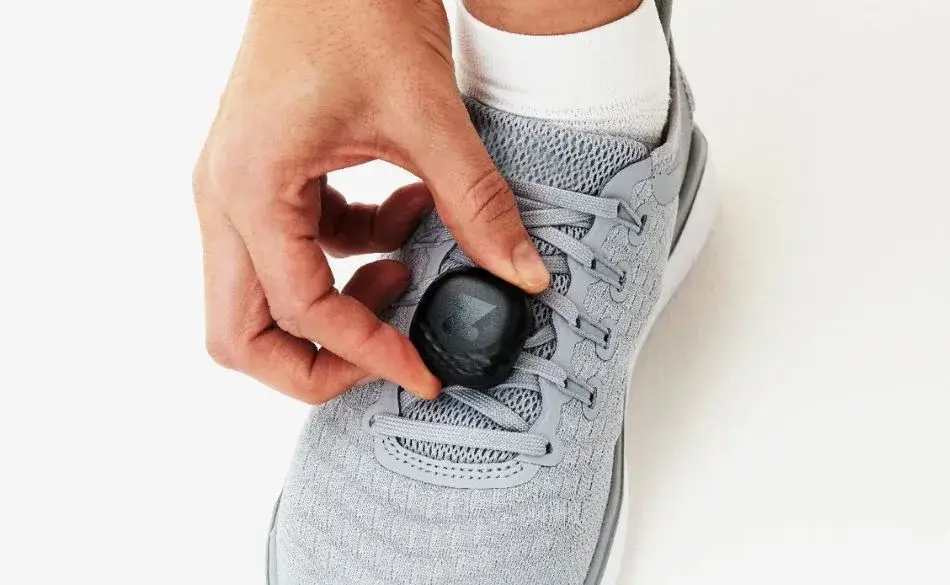
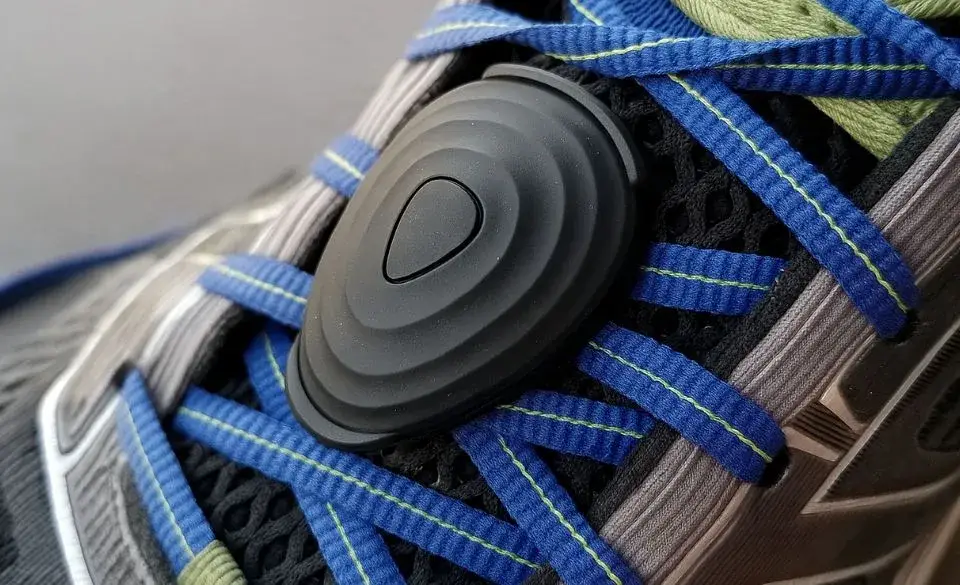
It’s easier than you’d think. Devices like Stryd clip onto your shoe or sync via your GPS watch. Once set up, they show real-time running power on your screen, like pace or heart rate.
Setup takes minutes. The payoff? Massive.
You get:
- A personalized training intensity guide
- Real-time race pacing
- Recovery insights
- Feedback even in wind, hills, or heat
It’s like having a coach whispering in your ear every single run. And if you’re into tech tools, check out our review of the best running coach apps to help streamline your training with power, pace, and performance feedback.
Plus, once you start reviewing your data, you’ll notice patterns. You’ll see when you start to fade, when your form breaks down, and what zones you thrive in. It makes training feel more strategic and less like a shot in the dark. And for the tech-curious runner, it’s incredibly motivating to see wattage numbers go up over time, even if it’s just 5W. That’s progress you can feel and see.
What Are the Downsides of Training by Power?
No system is perfect. Here’s what to consider:
- Initial learning curve: It takes time to understand how power feels.
- Device dependency: You need a power meter or compatible watch.
- Individual variation: Factors like form, fatigue, and even shoe type can affect readings.
But for most runners, these are small trade-offs for smarter training, better pacing, and fewer injuries.
Another downside? It can feel overwhelming at first. Some runners worry they’ll lose the joy of running by focusing too much on data. But here’s the trick: don’t let the numbers rule you. Use them to inform, not control. Trust your body too. Blend feel and feedback – that’s the sweet spot.


How Critical Power Can Transform Race Strategy
Ever gone out too hard in a race? You’re not alone.
Using critical power, you can set a sustainable race plan:
- Aim to race just below your CP for half marathon to marathon distances
- Use CP as a ceiling in shorter races – staying slightly above for bursts
- Watch your live power data to avoid early surges
This kind of control can shave minutes off your time and make the race feel smoother, not like a death march.
Runners often say they “blew up” in the final third of a race. That usually means they spent too much time above CP early on. Staying just below CP allows for a negative split strategy, allowing you to finish faster than you started. It’s not only smarter, it’s more satisfying. You’ll cross the finish line strong, not gasping.
What’s the Future of Power-Based Running?
Here’s where it gets exciting.
More brands are building running power into watches. Stryd is innovating with auto-adjusted CP. Coaches are designing entire plans around power. And athletes are pairing power with VO2 max and heart rate variability for a fuller picture of training readiness.
Expect to see more clubs, events, and training apps incorporating power-based training in the next few years.
There’s even talk of using power to guide taper weeks, recovery loads, and nutritional needs. As software becomes more predictive, power metrics could help you avoid injury before it strikes – giving you a clear window into strain and adaptation. The future? It’s data-driven, individualized, and more empowering than ever.
Weekly Power-Based Running Plan Example
To help you start, here’s a sample week built around critical power running. This plan balances intensity, volume, and recovery using power zones. If you’re targeting a shorter race like a 10K, check out our 6-week 10K running plan designed to integrate power-based sessions and structured progression.
| Day | Workout | Power Zone |
|---|---|---|
| Monday | Rest or Easy Run (30–45 min) | Zone 1–2 |
| Tuesday | Threshold Intervals (3x8 mins, 2-min jog rest) | Zone 4 |
| Wednesday | Easy Run (40 min) + 4 strides (15 sec each) | Zone 2 + Zone 6 |
| Thursday | Progressive Tempo Run (40–50 min) | Zone 3 → Zone 4 |
| Friday | Rest or Optional 30-min Recovery Jog | Zone 1 |
| Saturday | VO2 Max Intervals (6x2 mins hard, 2 mins jog) | Zone 5 |
| Sunday | Long Run (75–90 mins) | Zone 2–3 |
FAQs About Critical Power in Running
What’s a good critical power for runners?
Do I need special gear to measure critical power?
How often should I train above critical power?
Is critical power better than heart rate training?
Can beginners benefit from power-based training?


Final Thoughts: Tap Into Your True Power
Here’s the thing – your critical power isn’t just a number. It’s a window into how your body works, how it handles effort, and how it improves.
If you’ve ever felt stuck, scattered, or unsure what your next run should look like, power-based training gives you clarity. It’s not about pushing harder, it’s about pushing smarter.
Once you know your zones, build sessions around your strengths and work on your weaknesses. Track your power duration curve. Celebrate small gains. Be patient.
Because the truth is, training with critical power in running training isn’t just for pros. It’s for anyone who wants to run with purpose.