Are You Ready To Train for a Triathlon on Your Own
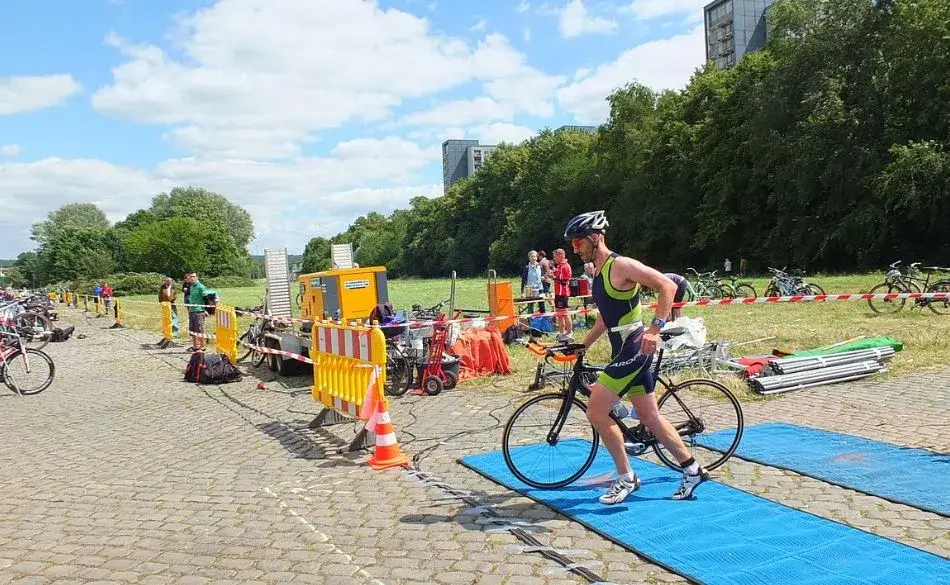
Training for your first triathlon can feel like you’re stepping into a new world. You’re learning three sports at once, and each one comes with its own set of challenges. It’s normal to wonder do I need a coach for a triathlon especially when everything feels overwhelming. But the truth is that many beginners start by exploring how to train for your first triathlon alone, and it often works better than they expect.
Training solo gives you freedom. You set your own pace, choose your own sessions, and make adjustments whenever life gets busy. If you enjoy experimenting and learning by doing, this approach can be rewarding. You get to solve small puzzles each week, like figuring out how long your long ride should be or how hard to swim when you’re tired. But you also need to ask yourself an honest question. Do you stay consistent when no one is checking in?
This matters because beginners often struggle with structure. When your energy drops or your schedule gets tight, workouts are the first thing to slip. Many new athletes tell me they “felt lost” trying to plan everything alone. That’s why some people prefer guidance right from the start. A coach helps you understand how to schedule triathlon training around work, which is one of the biggest beginner challenges. And if you live locally and want more hands-on help, you can look into Brisbane triathlon coaching with a professional coach for more personalised support.
I once had a coaching client named Maria who tried to coach herself for her first triathlon. She loved the independence at first, but after four weeks she was unsure if her training was balanced. She worried her swims were too easy and her runs were too hard. When she finally reached out, she told me, “I didn’t need someone to push me. I needed someone to reassure me.” That’s something many beginners relate to.
So the real question isn’t whether you can train alone. It’s whether you enjoy figuring things out or if you feel more confident with someone guiding the process. Both paths lead to the finish line, you just need the one that fits your style.
If you’ve been feeling unsure about how to structure your sessions or you simply want someone to guide you through the process, the Triathlon Coaching Program from SportCoaching offers steady guidance that works around real life, not the other way around.
You’ll get honest feedback, weekly adjustments, and simple direction so you can train with more clarity and feel more relaxed heading into your event.
Explore Coaching Options
What Does a Triathlon Coach Actually Help You With When You’re New
When you’re just starting out, it’s easy to picture a triathlon coach as someone who simply tells you what workouts to do. But when you look closer at what does a triathlon coach actually do, you realise their role is much bigger than writing a plan. A good coach helps you understand your body, your pacing, and your limits. For beginners, this support can make your training feel less chaotic and more controlled.
But the truth is that can beginners do a triathlon without a coach? Absolutely. You don’t need a coach to cross the finish line. What a coach really does is reduce confusion. They help you avoid the classic beginner traps, like pushing too hard on every run or skipping recovery until everything aches. If you prefer structure and clear direction, coaching feels like a relief. If you enjoy exploring on your own, you might feel happier without one.
Most new athletes struggle with consistency, pacing, and balance between the three sports. These areas are where a coach makes the biggest difference:
- Understanding how hard each session should feel
- Knowing when to rest instead of push
- Balancing swim, bike, and run without overworking one sport
- Avoiding training too fast on easy days
- Building confidence in transitions and race strategy
One of the biggest advantages of coaching is learning how to avoid beginner mistakes in your first triathlon, especially mistakes you don’t see coming. A coach helps you learn why your legs feel heavy off the bike, why pacing matters more than speed, and why you shouldn’t rely only on motivation to stay consistent.
At the end of the day, a coach removes guesswork. You still do the work, but the path feels clearer. For some beginners, that clarity is worth everything. For others, the freedom of figuring things out is part of the adventure.
If you want a deeper breakdown of when coaching is truly helpful, this guide on whether hiring a triathlon coach is worth it offers more insight and real examples.


Can You Build a Good Training Plan Without a Coach
Many beginners are surprised to learn that you can build the best beginner triathlon training plan without a coach using simple tools, especially if you prefer learning by doing. You don’t need fancy data, expensive gear, or a long history in sport. What you need is structure, consistency, and a clear idea of what each session should accomplish. When you understand these things, training alone becomes far less confusing.
The biggest challenge for most self-coached athletes is pacing. It’s easy to push too hard on days meant to be easy. It’s also common to feel lost about how to pace your first triathlon without a coach, especially when you’re unsure how your body will respond on race day. Many first-timers go out strong on the bike, only to realise halfway through the run that their legs feel heavy and flat. Pacing is more about restraint than speed, and it’s something you can learn through practice.
A simple beginner-friendly plan usually focuses on building comfort in each sport while keeping your schedule realistic. That means choosing sessions you can actually complete, not ideal sessions that leave you exhausted. Most new athletes do best when they focus on rhythm rather than intensity. When your weeks follow predictable patterns, training becomes easier to sustain.
Here are elements most self-coached beginners benefit from including:
- Two easy runs each week to build endurance safely
- One steady bike ride and one shorter ride with light effort changes
- Two swims focusing on technique, breathing, and relaxed pacing
- One optional strength session to support injury prevention
- One full rest day to help recovery stay ahead of fatigue
The goal isn’t perfection. It’s repeatability. When your plan is simple and you understand the purpose of each session, training without a coach becomes much easier.
To explore affordable online coaching options that still offer feedback and structure, check out this guide to an affordable online triathlon coach and see how the right support doesn’t always cost a fortune.
If you’re planning your first full-distance triathlon and want a structured yet flexible program, the Ironman Training Plans from SportCoaching are tailored to your lifestyle, experience level and event date.
You’ll get a customised training schedule, a pre-training consultation, and a clear plan that fits your time, travel and recovery needs. It’s the kind of support that keeps your training moving forward and your motivation high.
Explore Ironman Plans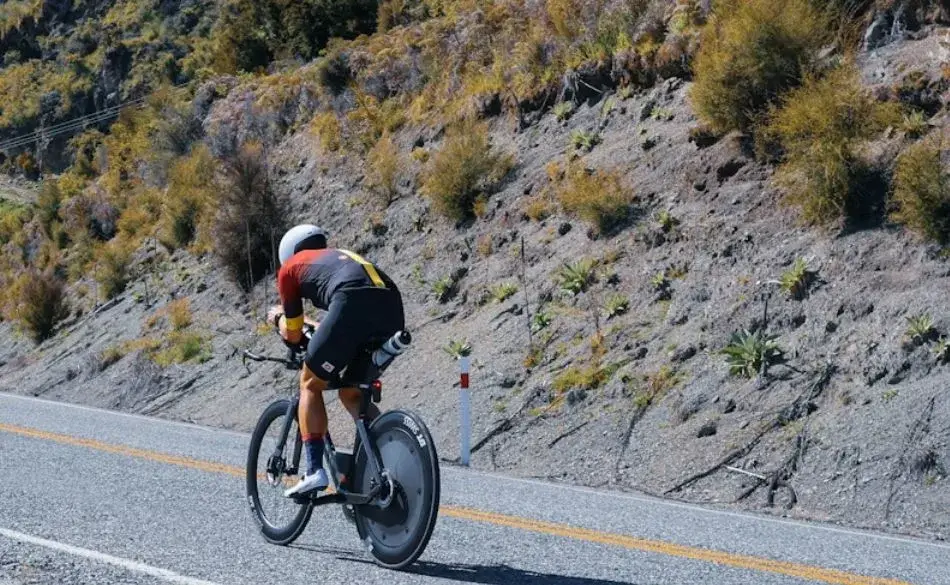
Is Working With a Coach Really That Different From Going Solo
When you’re deciding between training alone and hiring a coach, it helps to see the differences clearly. On the surface, both paths look similar. You swim, bike, run, and try to be ready on race day. But when you look at the details, the gap between self-coached and coached training becomes much clearer.
If you’ve been wondering how much does a triathlon coach cost for beginners, you’ll notice prices vary a lot. Some online plans with light feedback are quite affordable. One-on-one coaching with regular calls and detailed analysis costs more. The real question is not just the price. It’s whether the extra support, structure, and accountability are worth that cost for you.
Many athletes also struggle with how to choose a triathlon coach for beginners. You’re not just buying workouts. You’re choosing a guide who understands your current level, your fears, and your life outside of sport. A good beginner coach keeps things simple, explains the “why” behind sessions, and adjusts your plan when work or family life gets in the way. That kind of support is hard to measure in dollars, but you feel it in your confidence.
To make the decision easier, it helps to compare what you usually get when you train alone versus when you work with a coach. The table below breaks down key areas like structure, accountability, feedback, and race-day confidence. Use it as a simple checklist. Which column feels more like you right now?
There is no “right” answer for everyone. Some athletes love the freedom of building their own plan and learning by trial and error. Others feel calmer and more focused when someone experienced is guiding each step. The goal isn’t to choose the “perfect” option. It’s to choose the one that makes you more likely to stay consistent, healthy, and confident from your first training week to the finish chute.
👉 Swipe to view full table
| Category | Self-Coached Beginner | Coached Beginner |
|---|---|---|
| Training Structure | Plan built from online guides or trial and error. Weeks may feel uneven or reactive. | Plan tailored to your level, goals, and schedule with clear progress from week to week. |
| Accountability | Motivation depends on your own discipline and mood each day. | Regular check-ins and feedback help you stay on track when life feels busy or stressful. |
| Feedback and Technique | Limited feedback unless you record yourself or ask experienced friends. | Coach reviews your form, pacing, and sessions, then gives specific corrections. |
| Adjusting the Plan | Illness, travel, or fatigue often lead to guesswork and random changes. | Coach reshapes your week or block so you keep progressing without burning out. |
| Race-Day Confidence | May feel unsure about pacing, nutrition, and what to do if something goes wrong. | Goes into race with a clear pacing, fueling, and problem-solving strategy. |
| Best For | Athletes who enjoy learning by themselves and don’t mind a few mistakes along the way. | Athletes who value guidance, time-saving structure, and extra support during their first triathlon. |
If you’re based in Queensland and prefer in-person support, check out Gold Coast Queensland triathlon coaching for expert local guidance.
If your event sits outside the standard sprint, Olympic, or long-course distances, or you just want something more flexible, the Other Triathlon Training Plans from SportCoaching offer simple, adaptable options that work with your lifestyle.
Each plan is shaped around your available training time and your personal goals, so you can prepare with more clarity and less stress—no matter what distance you're aiming for.
Find a Plan That Fits

How to Know Whether Coaching Is Right for You or If You’ll Thrive on Your Own
Choosing between going solo and hiring a coach becomes easier when you look at your personality, your lifestyle, and the way you like to learn. Some people feel energised by structure and guidance. Others feel trapped by too many rules. When you’re deciding whether to hire a coach or explore how to train for your first triathlon alone, it helps to ask yourself a few simple questions.
The first is whether you enjoy problem-solving on your own. Training alone means figuring out pacing, effort, recovery, and weekly structure without outside input. If you find that fun, or if you like adjusting sessions based on how you feel each day, you may be perfectly suited to a self-guided path. Many athletes feel proud when they build their own plan from scratch and see steady progress.
The second question is about accountability. If you often skip workouts when life gets busy or you lose motivation after a stressful day, a coach might give you the consistency you need. The regular check-ins, small adjustments, and simple encouragement can make training feel less lonely and more predictable. And if you’re based in New Zealand and want support that’s closer to home, you can explore Wellington triathlon coaching for local guidance that fits around your routine.
If you’re still unsure about whether can beginners do a triathlon without a coach, you can use these simple indicators to help you decide:
- You enjoy researching training methods and learning through trial and error
- You stay motivated without reminders or check-ins
- You prefer flexible weeks instead of strict plans
- You don’t mind adjusting sessions when you’re tired or busy
- You feel excited about building your own strategy for race day
But if these points don’t resonate, that’s okay. Many beginners feel calmer when someone experienced guides the process. The best choice is the one that helps you stay consistent, confident, and excited about race day. Your path doesn’t need to match anyone else’s.

Your First Triathlon Is Yours to Shape
Finishing your first triathlon is more than completing three sports in one day. It’s a journey that teaches you how strong, adaptable, and determined you really are. Whether you decide to train with a coach or build your own plan, the most important part is choosing the path that feels right for you.
If you love learning by experimenting, you may discover that training alone gives you freedom and confidence. If you like structure and reassurance, working with a coach can make the whole process feel easier and less stressful. Both choices are valid, and both can lead you to the finish line.
What matters most is consistency. Each swim, ride, and run brings you closer to feeling ready on race day. Every small step counts more than you think. Your first triathlon isn’t about perfection. It’s about progress, courage, and celebrating the effort you put into every single week.
If you’re aiming to conquer your first 70.3 event and want a training plan that adapts to your schedule, the Half Ironman Triathlon Training Plans from SportCoaching are built to fit your life and your race goals.
You’ll gain a plan crafted around your experience, weekly hours, and event date—plus guidance that keeps you focused and confident from swim to finish line.
Explore 70.3 Training Plans