Why Endurance Athletes Need Face Pulls
Endurance training isn’t just about legs and lungs. For cyclists, runners, and triathletes, the upper body often determines whether your posture holds up when fatigue hits. That’s where the face pull exercise makes a huge difference.
This movement strengthens your posterior deltoids, rotator cuff, and upper back. Muscles that are vital but often ignored. Hours on the bike round your shoulders forward. Running with tired arms can cause slouching. Swimming builds chest dominance but doesn’t always balance the stabilizers. The result? Poor posture, shoulder pain, and wasted energy.
Adding face pulls into your training is like giving your shoulders armor. They act as a corrective exercise for posture, restoring balance to muscles weakened by endurance demands. When you strengthen these smaller stabilizers, you improve shoulder stability, which protects joints and makes every movement more efficient.
For cyclists, that means holding aero position without neck strain. For runners, it means smoother arm drive that keeps rhythm late in races. For triathletes, it means healthier shoulders across swim, bike, and run. The benefits aren’t flashy, but they’re powerful. Think less pain, better posture, and more endurance.
Many athletes focus on squats, lunges, or deadlifts for strength. While those are essential, the face pull exercise fills a different gap. It targets the upper body endurance muscles that support the rest of your training. Strong legs need a strong upper frame to carry them through.
If you’ve ever wondered why your shoulders ache after a long ride or why your form collapses in the final kilometers of a run, the answer may be weak rear delts and stabilizers. A consistent rear delt workout with face pulls can fix that.
One of the most reliable ways to strengthen your shoulders and improve posture has been highlighted by Men’s Health, which explains how this movement supports balance and injury prevention.
Our Cycling Coaching Programs are designed to help you climb better, improve power, and reach your cycling goals—whether it's endurance training, time trials, or boosting your FTP.
- Customized weekly plans that adapt to your schedule and data
- Expert feedback on heart rate, power, and recovery
- Strength & mobility exercises to support performance and prevent injury
- Training delivered via TrainingPeaks for seamless tracking
- No lock-in contracts — flexible monthly membership
Ride smarter, train with support, and unlock your full cycling potential.
Start Cycling Coaching Today →

How to Do Face Pulls with Perfect Form
The face pull exercise looks simple, but technique is everything. Done correctly, it strengthens your posterior deltoids, upper traps, and rotator cuff muscles. Done poorly, it turns into a shrug or row that misses the point.
Start by setting a rope attachment on a cable machine at about upper-chest height. Grab the ends with both hands using a neutral grip (palms facing in). Step back so there’s tension in the cable, then stand tall with a slight bend in your knees.
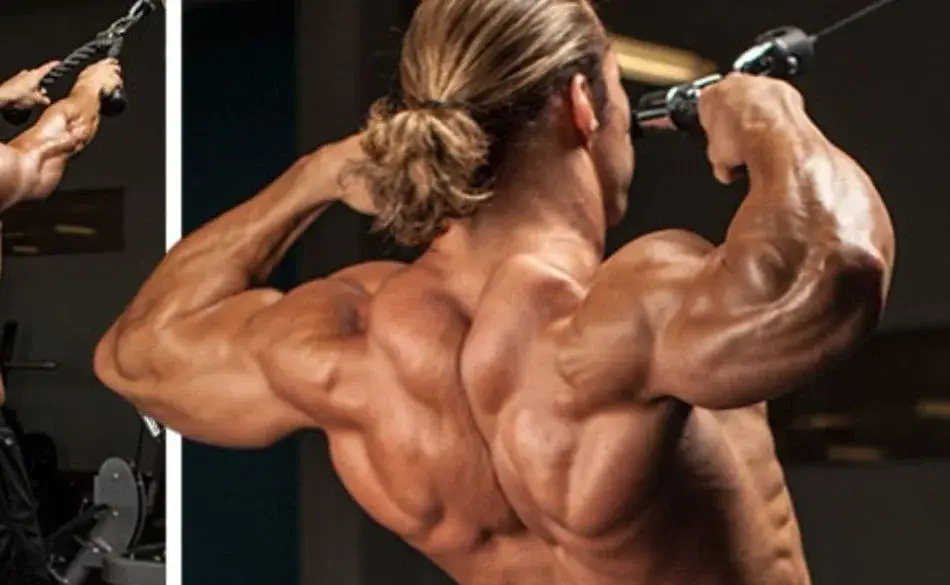
Pull the rope toward your face, leading with your elbows and spreading the rope apart as it comes close. At the end of the movement, your hands should be near your ears and your elbows flared out wide. This external rotation is what makes the move a powerful rotator cuff strengthening exercise. Slowly return to the start, keeping control the whole way.
A few key tips for endurance athletes:
- Keep your chest lifted and avoid arching your lower back.
- Don’t yank the rope. Focus on smooth, controlled movement.
- Think of squeezing your shoulder blades together, not just pulling with your arms.
- Use moderate weight and higher reps (10–15) for balanced strength.
If you don’t have a cable machine, a resistance band works as a face pull alternative. Loop the band around a sturdy post and mimic the same motion. This variation is excellent for home workouts or quick mobility sessions before training.
Why does form matter so much? Because the goal isn’t max strength, it’s shoulder stability exercises that reinforce posture and prevent injuries. When you nail the form, every pull strengthens the muscles that keep your shoulders aligned during long rides, runs, and swims.
Cyclists can think of it as holding aero position without pain. Runners can see it as keeping chest up late in a marathon. Triathletes can use it to balance all the pushing from swimming.
For runners, posture isn’t only about core strength. It’s also about flexibility and mobility through the upper body. Our mobility exercises guide shows simple ways to stay loose and balanced even after long sessions.


Face Pull Benefits for Cyclists, Runners & Triathletes
The list of face pulls benefits goes beyond just bigger shoulders. For endurance athletes, this exercise directly improves how your body moves and holds up under stress. The main advantage is better posture. Hours of cycling, running, or swimming can round your shoulders forward. Face pulls target the rear delts and upper back muscles that pull your shoulders back into alignment.
Another big benefit is injury prevention. Weak rotator cuff muscles are a common cause of shoulder pain, especially for swimmers and triathletes who repeat thousands of strokes. Strengthening these stabilizers reduces the chance of nagging issues that derail training. Even for runners and cyclists, strong shoulders reduce unnecessary strain on the neck and lower back.
Improved efficiency is another win. When your shoulders stay stable, your arms swing more smoothly in running, your torso rotates more naturally in swimming, and your cycling position feels less cramped. That translates to using less energy over long sessions. Something every endurance athlete wants.
Key benefits of face pulls for endurance athletes include:
- Stronger posterior deltoid exercises to balance pressing movements.
- Better shoulder stability exercises for holding form under fatigue.
- Enhanced posture, making aero cycling or upright running more sustainable.
- Greater durability in the rotator cuff, protecting against overuse.
- Carryover to everyday life with healthier alignment and less slouching.
For triathletes in particular, the ability to transition between swim, bike, and run without shoulder fatigue is crucial. Face pulls work quietly in the background to make this possible. They may not burn like squats or push you to your limit like intervals, but they build the foundation your endurance relies on.
Swimmers in particular benefit from extra strength work in the upper body. Our shoulder exercises for swimmers guide highlights effective ways to protect the joints and support stroke efficiency.


Variations and When to Use Them
One of the best things about the face pull exercise is its flexibility. You don’t need a fancy setup to make it work. While the classic version uses a cable machine with a rope attachment, there are several cable pull variations and alternatives you can use to match your training environment.
The cable machine is the gold standard because it keeps constant tension on the muscles. This is ideal for building strength in the rear delts and rotator cuff. But when access to a gym isn’t possible, you can still get the same benefits with simple tools like resistance bands.
Here are common variations endurance athletes can use:
- Cable Face Pulls: Best for controlled form and progressive overload. Perfect in a structured strength program.
- Banded Face Pulls: Easy to set up at home or even post-ride. Great for warm-ups or mobility sessions.
- Single-Arm Face Pulls: Helps fix imbalances by working each side independently.
- Kneeling Face Pulls: Adds core stability by removing lower-body momentum.
For cyclists, banded versions are excellent before long rides to activate upper-back muscles. For runners, adding face pulls after strength workouts keeps shoulders balanced against all the pressing and pushing. Triathletes can use them as part of swim-specific strength prep to protect the shoulders from high stroke volume.
When should you use face pulls? Two to three times per week works well for most athletes. They fit easily into a warm-up, a strength session, or even a post-training mobility routine. Because they target stabilizers, you don’t need huge weight. Focus on quality reps and consistent practice.
The beauty of variations is choice. You can rotate between them depending on your equipment, goals, and schedule. No matter which version you pick, the key is control and alignment.
Our Running Coaching Programs give you everything you need to improve performance, avoid injuries, and train with confidence. Every plan is built to match your goals and lifestyle.
- Tailored sessions that fit your current fitness level
- Expert adjustments to keep progress steady and safe
- Guidance on pacing, recovery, and fueling for better results
- Delivered via TrainingPeaks with simple, structured workouts
- No lock-in contracts — flexible monthly coaching
Take the next step in your running journey with expert coaching support.
Start Your Coaching Today →

How to Add Face Pulls into Your Training Plan
Knowing how to do the exercise is only half the story. The real question is: where does it fit into your program as a cyclist, runner, or triathlete? The answer depends on your goals, training load, and access to equipment.
Face pulls work best as part of your strength training routine. You can place them toward the end of upper-body workouts because they target smaller stabilizing muscles. If you’re doing heavy lifts like bench press or pull-ups, add the exercise afterward to balance out the pressing work.
For endurance athletes, here’s how you can structure them:
- Cyclists: Add 3 sets of 12–15 reps two times per week after bike-specific gym sessions. This helps counter the rounded shoulder posture from long hours in aero.
- Runners: Include them in core or strength circuits 2–3 times per week. They’ll keep your chest tall and improve arm drive late in races.
- Triathletes: Mix them into swim-strength sessions or mobility days. Stronger rotator cuff muscles reduce injury risk and keep your shoulders balanced through all three sports.
Consistency is key. Unlike big compound lifts, the face pull exercise isn’t about maximum load. Focus on perfect form, higher reps, and controlled tempo. Over time, the benefits build quietly, making you more resilient and efficient in training.
A good guideline is 2–3 sessions per week, with at least a day of rest between. Combine them with other shoulder stability exercises like external rotations or reverse flys for a complete upper-back routine. This combination supports both posture and long-term performance.
Think of the exercise as maintenance work for your endurance machine. Just like tuning a bike chain or stretching tight calves, they’re not glamorous but essential. Done regularly, they keep you balanced, pain-free, and ready to handle the mileage your sport demands.


Pros and Cons of Face for Endurance Athletes
Every exercise has strengths and limitations. This exercise is no different. While it’s one of the best shoulder stability exercises available, understanding both sides helps you decide how to use it in your program.
Pros
- Posture correction: Perfect for cyclists and runners who struggle with rounded shoulders.
- Rotator cuff strengthening: Reduces injury risk for swimmers and triathletes.
- Muscle balance: Complements pushing moves like bench press or swimming strokes.
- Accessibility: Works with cables or bands, making it easy to do anywhere.
- Performance support: Improves efficiency in running arm swing, cycling aero hold, and swim rotation.
Cons
- Technical demands: Requires correct form; poor execution can turn it into a row.
- Equipment dependency: Best version uses a cable machine, which not every athlete has.
- Not a big strength builder: Targets stabilizers, so it won’t replace compound lifts.
- Overuse risk: Doing them daily without rest may irritate shoulders.
For endurance athletes, the pros heavily outweigh the cons. Most weaknesses can be managed by focusing on technique and mixing variations. For example, if you lack cable access, banded face pulls provide nearly identical benefits. If you worry about form, starting with lighter resistance and focusing on external rotation solves the problem.
Think of face pulls as a long-term investment. They won’t build maximum power like squats or deadlifts, but they create the foundation those lifts sit on. Without strong rear delts and a resilient rotator cuff, your endurance posture and performance will eventually break down.
The takeaway? Don’t skip them. Just know where they fit while supporting your bigger lifts and protecting your shoulders so you can train consistently.
Our Triathlon Coaching Programs provide the structure and support you need to balance swim, bike, and run. Every plan is built to manage intensity, recovery, and transitions so you perform at your best across all three disciplines.
- Custom-built triathlon plans tailored to your race goals
- Expert coaching on pacing, fueling, and recovery routines
- Transition-focused training to stay strong between disciplines
- Delivered via TrainingPeaks with feedback and easy tracking
- No contracts — flexible monthly coaching
Build endurance, sharpen transitions, and gain the confidence to race smarter with expert coaching.
Start Triathlon Coaching Today →
Face Pulls by Sport: Cyclists vs Runners vs Triathletes
The face pull exercise isn’t a one-size-fits-all move. While the fundamentals stay the same, the benefits shift slightly depending on whether you’re a cyclist, runner, or triathlete. A closer look shows how each sport uniquely relies on rear delt workouts, rotator cuff strengthening, and shoulder stability exercises.
Here’s a breakdown:
👉 Swipe to view full table
| Sport | Main Challenge | How Face Pulls Help |
|---|---|---|
| Cyclists | Rounded shoulders and neck strain from aero position | Strengthens posterior deltoids and upper back for posture correction |
| Runners | Arm swing fatigue and collapsing chest in long runs | Improves shoulder stability, keeping form tall and efficient late in races |
| Triathletes | Shoulder overload from swimming combined with cycling and running demands | Balances pushing muscles, builds rotator cuff resilience, and prevents overuse injuries |
Cyclists gain the most from improved posture. Face pulls undo hours spent hunched forward, which reduces neck tightness and helps maintain comfort in aero.
Runners benefit through rhythm. By keeping the chest lifted and arms swinging smoothly, face pulls indirectly support leg drive and efficiency.
For triathletes, the payoff is durability. The constant shoulder load across swim, bike, and run means injury risk is high. Consistent face pulls act as a safeguard, strengthening the small muscles that hold everything together.
The table makes one thing clear: no matter your endurance sport, the face pull exercise offers targeted benefits. It adapts to your unique demands, ensuring your shoulders support—not sabotage—your training and racing.


The Endurance Athlete’s Secret Weapon
The face pull exercise might not look intense, but its impact on endurance sports is undeniable. Whether you’re grinding miles on the bike, pounding the pavement, or swimming lap after lap, your shoulders are working hard behind the scenes. Without strong stabilizers, even the fittest legs can’t perform at their best.
By strengthening the rear delts, rotator cuff muscles, and upper back, face pulls give you the structural support that endurance training often neglects. They keep posture tall, protect joints, and balance the constant pushing movements of cycling and swimming. For runners, they maintain rhythm and form when fatigue threatens to break technique.
The beauty is that you don’t need heavy loads or long sessions to reap the rewards. Just 2–3 sessions per week, with smart variations like banded face pulls or cable face pull variations, can transform how your body holds up under endurance demands. Small, consistent efforts here deliver long-lasting returns.
In a sport world where athletes chase marginal gains, this is one of the simplest you can add. It’s a move that requires little space, little time, and no ego. Yet gives you improved posture, fewer injuries, and smoother performance across all disciplines.