Want help turning consistency into progress? Coaching keeps your training simple, structured, and sustainable.
Start Coaching →
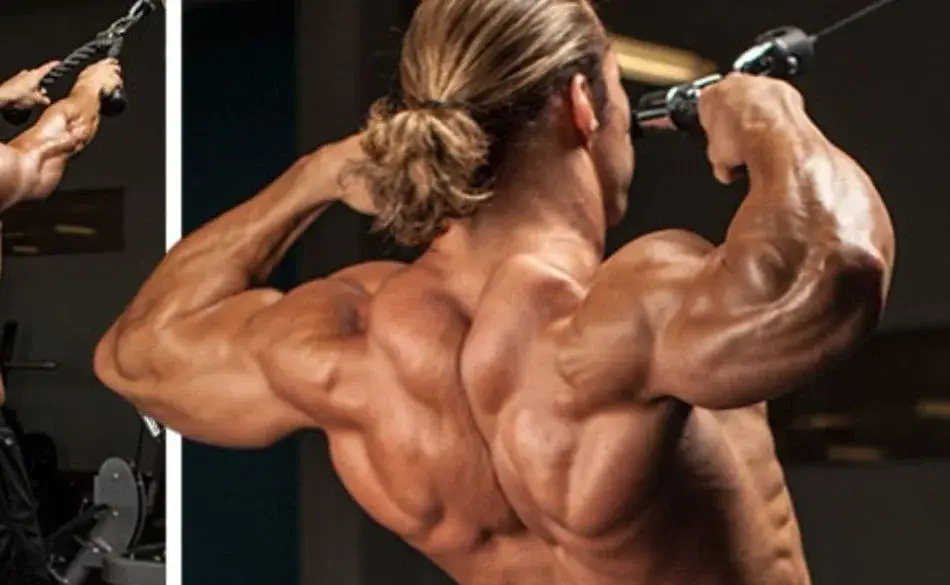
Man performing face pull exercise with cable machine to strengthen rear delts and rotator cuff

Last updated:

Face Pull Exercise for Endurance Athletes: Technique, Muscles & Programming

If you train for running, cycling, or triathlon and your upper body strength work doesn't include face pulls, you're leaving a significant gap in your injury prevention and posture maintenance. This is one of the most underused exercises in endurance sport — and one of the most valuable. Here's the complete guide: what face pulls do, how to perform them correctly, common mistakes, variations, and exactly how to programme them for your sport.
Chat with a SportCoaching coach

Not sure where to start with training?

Tell us your goal and schedule, and we’ll give you clear direction.

No obligation. Quick, practical advice.

Article Categories:

Explore our fitness resources and advice for more helpful articles and resources.

Quick Answer

Face pulls target the rear deltoids, rhomboids, and rotator cuff. For endurance athletes they correct the forward shoulder rounding caused by hours on the bike or late-race running fatigue, reduce shoulder injury risk, and improve posture. Do 2–3 sets of 12–15 reps, 2–3 times per week with a cable machine or resistance band.

Muscles Worked

Understanding which muscles face pulls train — and why those muscles matter for endurance sport — is the reason this exercise belongs in every runner, cyclist, and triathlete’s programme.

👉 Swipe to view full table

MuscleRole in Face PullWhy It Matters for Endurance Athletes
Rear deltoidsPrimary mover — pulls the upper arm backwardControls arm drive in running; prevents shoulder impingement in swimming
RhomboidsRetracts and squeezes shoulder blades togetherCounters the forward shoulder rounding from cycling aero position and fatigued running posture
Middle trapeziusStabilises and depresses the scapulaKeeps the shoulder blade in proper position during repetitive stroke or stride cycles
Infraspinatus & teres minorExternally rotates the shoulder (the key movement in a face pull)Critical rotator cuff muscles — weakness here is the primary cause of swimmer's shoulder and overhead injury
Lower trapeziusAssists scapular depression and retractionSupports healthy posture under load and fatigue
Core (stabilising)Prevents torso from being pulled forwardIncidental benefit — bracing against the cable load trains anti-extension core stability

The key distinction between face pulls and most other back exercises is the external rotation component. When you pull the rope to your face and flare your elbows out, your shoulder rotates externally. This is the movement pattern that directly strengthens the rotator cuff — the small muscles that stabilise the shoulder joint and are chronically underworked in most endurance athletes.

How to Do a Face Pull: Step-by-Step

Most athletes who include face pulls in their training aren’t getting full benefit from them because they skip the external rotation. Here’s the correct technique.

Setup. Attach a rope handle to a cable machine and set the pulley at roughly eye height or slightly above. If using a resistance band, loop it around a fixed anchor — a rack, pull-up bar, or door anchor — at the same height.

Grip. Hold both ends of the rope with an overhand grip, thumbs pointing toward you. Take two or three steps back until you feel tension in the cable or band with arms extended. Your feet should be shoulder-width apart or slightly staggered for balance.

Set your position. Brace your core, engage your glutes, and keep your chest up. Lean back very slightly — about 5–10 degrees. Do not sway back and forth during the movement.

Initiate with your elbows. Drive your elbows back and out — not down. Your elbows should travel upward and outward at roughly 45 degrees from your ears, finishing above shoulder height. This is the most commonly missed cue.

Pull toward your face. As your elbows drive back, pull the rope so that your hands finish roughly level with your forehead or just outside your ears. At the end position, your upper arms should be parallel to the floor and your forearms angled upward — think “goalpost” position.

External rotation is the goal. At the end of the pull, your shoulder is in external rotation: palms facing forward, thumbs pointing back, the inside of your elbow facing the ceiling. This is where the rotator cuff is doing its job. Pause here for one count.

Return with control. Slowly extend your arms back to the start, allowing the shoulder blades to gently protract forward. Don’t let the weight stack crash.

Common Mistakes

Pulling to the chin, not the forehead. Dropping your elbows and pulling toward your chin turns this into a high row — you lose the external rotation and the rotator cuff benefit. Always aim for forehead height, elbows above shoulders.

Going too heavy. Face pulls are not a strength exercise in the traditional sense. They target small stabilising muscles and require precise movement. Loading them heavily encourages compensation — the body swings, the elbows drop, and the whole point of the exercise is lost. Use a weight you can control for 12–15 quality reps.

Skipping the pause. The rotator cuff benefit comes from holding external rotation at end range. If you’re bouncing through reps without pausing, you’re missing the most important part of the movement.

Leaning back during the pull. A slight lean is fine at setup, but extending further back as you pull uses momentum and shifts load away from the target muscles. Stay tall throughout each rep.

Pulling toward the chest. This is probably the most common error in endurance athletes who are strong pressers — they default to a rowing pattern and pull to the chest. The rope should travel toward your face, not your sternum.

Face Pull Variations

👉 Swipe to view full table

VariationEquipmentBest For
Cable rope face pullCable machine + rope attachmentStandard choice — constant tension throughout range of motion, most effective overall
Resistance band face pullResistance bandHome training, travel, pre-ride warm-up — tension increases at end range, which suits activation work
Kneeling face pullCable or bandRemoves lower-body involvement — forces the upper back to do all the work; great for athletes who rock backward
Half-kneeling face pullCable or bandAdds hip stability challenge — useful for triathletes working on single-leg stability
Seated face pullCable or band (low anchor)Eliminates momentum completely — best option for beginners learning external rotation pattern
Single-arm face pullCable or bandIdentifies and corrects left-right shoulder imbalances — useful for swimmers with asymmetric stroke

For most endurance athletes, the standard cable or band face pull is sufficient. If you notice that one shoulder feels different from the other — tighter, weaker, or less stable — add two or three sets of single-arm face pulls to identify and address the imbalance before it becomes an injury.

Why Endurance Athletes Need Face Pulls

Runners, cyclists, and triathletes are among the athletes most likely to develop the postural and muscular imbalances that face pulls correct. Here’s why each sport creates the problem and how face pulls fix it.

For Cyclists

The aero position places your spine in sustained flexion with your shoulders rounded forward, your chest compressed, and your neck extended. Hours in this position systematically weakens the rhomboids, rear delts, and mid-traps while tightening the chest and anterior shoulders. The result is a posture that carries off the bike too — rounded shoulders, reduced thoracic mobility, and increased neck strain. Face pulls directly counteract this by strengthening exactly the muscles that the aero position suppresses. Adding 2–3 sets to the end of your gym sessions is the single most targeted intervention for cycling posture. Combined with upper body strength work for cyclists, face pulls form the foundation of a bulletproof upper body that holds its position over long rides.

For Runners

Running doesn’t load the upper body the way cycling does, but it exposes a different problem: fatigue-induced postural collapse. As the kilometres mount, the arms stiffen, the shoulders creep forward, the chest caves, and the hips lose extension. This pattern wastes energy and increases ground contact time. Strong rear delts and rhomboids delay the onset of this collapse by actively maintaining shoulder position under fatigue. Runners who add face pulls consistently report that their upper body posture holds significantly better in the second half of long runs and races. They also pair naturally with Australian pull-ups, another horizontal pulling movement that develops the mid-back strength runners need for sustained upright posture.

For Triathletes

Swimming creates the highest rotator cuff load of the three disciplines. Thousands of overhead strokes per session place repeated demand on the infraspinatus and teres minor — the same muscles face pulls directly strengthen. Triathletes who neglect posterior shoulder and rotator cuff work are among the most common presentations of shoulder overuse injury in endurance sport. Face pulls are a primary prevention tool. Use them in swim-specific strength prep or as part of a mobility day. For comprehensive shoulder and core stability work, seal walks make an excellent companion exercise to face pulls in a short upper-body circuit.

Programming Face Pulls: Sets, Reps and Frequency

👉 Swipe to view full table

GoalSetsRepsWeightFrequency
Posture correction / maintenance2–312–15Light-moderate (can hold pause)2–3x per week
Rotator cuff strengthening315–20Light (focus on full external rotation)3x per week
Warm-up activation215Very lightBefore upper-body sessions
Shoulder rehab / prehab2–320–25Very light, slow tempoDaily or near-daily

The key programming principle: face pulls respond to volume and consistency, not to intensity. Unlike a squat or deadlift where adding load drives adaptation, face pull progress comes from accumulating quality reps over weeks. Most endurance athletes see meaningful posture improvement within 4–6 weeks of consistent twice-weekly sessions.

Where to place them in a session: face pulls work best at the end of upper-body or strength training sessions, after compound movements. They can also be used as a warm-up activation before pressing exercises. Because the muscles they target recover quickly and are not prone to overtraining when loaded appropriately, face pulls can be trained more frequently than most other exercises. For athletes managing shoulder sensitivity or mild impingement, daily light banded face pulls as part of a warm-up routine are a well-established physiotherapy approach.

For cyclists integrating strength work into training, the stretching programme for cyclists and the cycling strength training guide both provide context for where face pulls sit within a full weekly training schedule.

The Most Important Upper-Back Exercise You're Probably Not Doing

Face pulls don’t build impressive visible muscle. They don’t have a heavy bar or a big number attached to them. They take about 8 minutes in a training session. And they consistently produce results that are disproportionate to the effort involved — better posture, healthier shoulders, and a more resilient upper body that holds form when the race gets hard. For runners, cyclists, and triathletes, that’s exactly the kind of exercise worth prioritising.

Add them in. Do them well. Be consistent. You’ll notice the difference within a month.

Want strength work built into your training plan?

Our coaches integrate targeted strength and mobility work — including exercises like face pulls — directly into your endurance programme so nothing gets skipped and everything serves your race goals.

Running Coaching → Triathlon Coaching →

FAQ: Face Pulls

What do face pulls work?
Rear deltoids, rhomboids, middle trapezius, and the rotator cuff muscles — specifically the infraspinatus and teres minor responsible for external shoulder rotation. These muscles control scapular retraction and shoulder stability.

Are face pulls good for runners?
Yes. They correct the forward shoulder rounding that develops from high mileage running, keeping the chest tall and arm drive efficient — especially in the final kilometres of a race.

How many face pulls should I do?
2–3 sets of 12–15 reps, 2–3 times per week. Use a weight that’s challenging by rep 12 but allows full external rotation throughout. Face pulls are a high-rep, moderate-weight exercise — going heavy is counterproductive.

Can I do face pulls without a cable machine?
Yes. A resistance band looped around a fixed anchor at chest or eye height works well. Band tension increases at end range (heaviest at full contraction), whereas a cable provides constant tension. Both are effective for endurance athletes.

Where do face pulls fit in a training session?
Best placed near the end of an upper-body or strength session after compound lifts. They can also be used as a warm-up activation drill before pressing or pulling movements. Because they target small stabilising muscles, they recover quickly and can be trained 2–3 times per week without issue.

Graeme - Head Coach and Founder of SportCoaching

Graeme

Head Coach & Founder, SportCoaching

Graeme is the founder of SportCoaching and has coached more than 750 athletes from 20 countries, from beginners to Olympians, in cycling, running, triathlon, mountain biking, boxing, and skiing. His coaching philosophy and methods form the foundation of SportCoaching's training programs and resources.

750+
Athletes
20+
Countries
7
Sports
Olympic
Level

Start Your Fitness Journey with SportCoaching

No matter your goals, SportCoaching offers tailored training plans to suit your needs. Whether you’re preparing for a race, tackling long distances, or simply improving your fitness, our expert coaches provide structured guidance to help you reach your full potential.

  • Custom Training Plans: Designed to match your fitness level and goals.
  • Expert Coaching: Work with experienced coaches who understand endurance training.
  • Performance Monitoring: Track progress and adjust your plan for maximum improvement.
  • Flexible Coaching Options: Online and in-person coaching for all levels of athletes.
Learn More →

Choose Your Next Event

Browse upcoming Australian running, cycling, and triathlon events in one place. Filter by sport, check dates quickly, and plan your training around something real on the calendar.

View Event Calendar