What Are the Official Full Ironman Cut Off Times?
Every full Ironman triathlon has the same time standards worldwide. The total race limit is 17 hours, but within that, there are strict discipline-by-discipline cut offs that every athlete must meet. Missing even one means you’re pulled from the course.
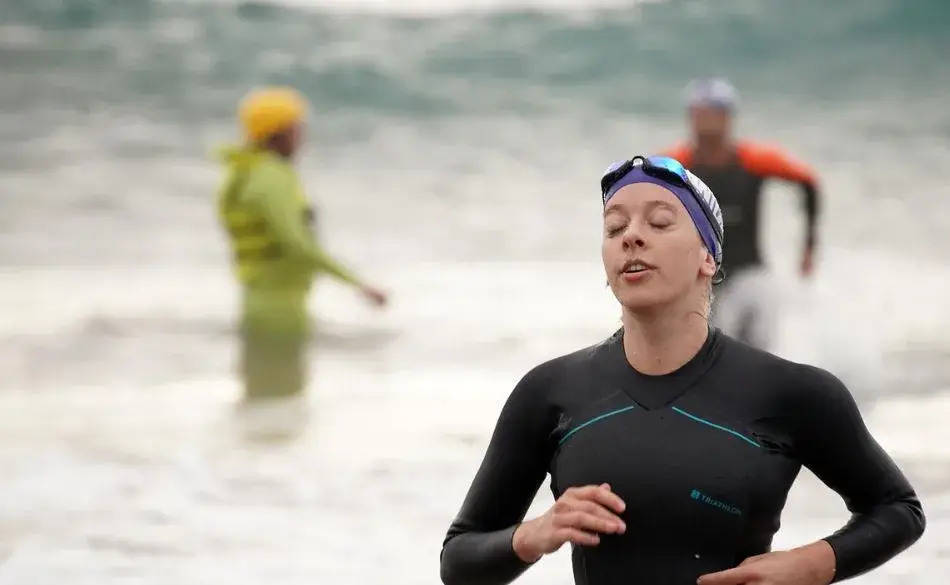
The Ironman swim cut off time is set at 2 hours 20 minutes. If you don’t exit the water within this time, your race is over before it really begins.
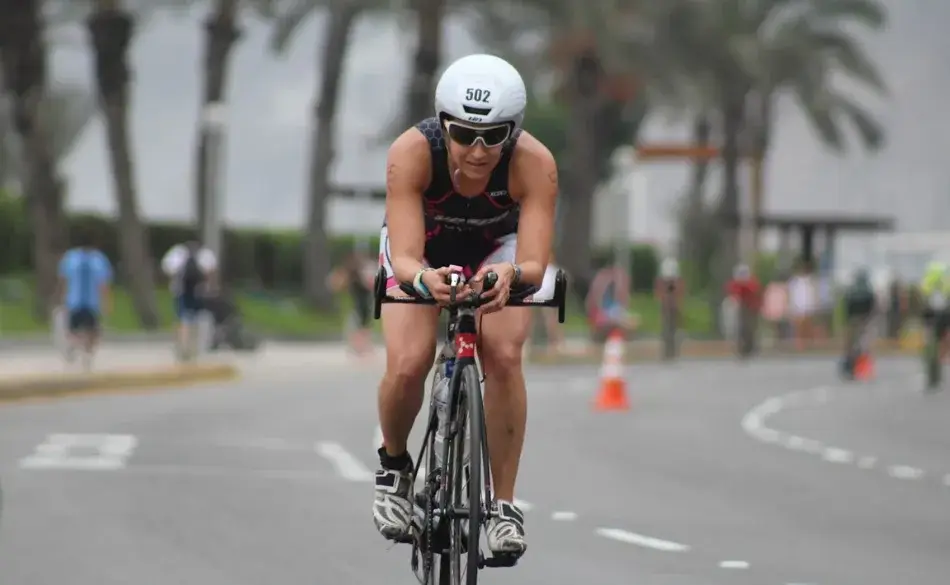
On the bike, you face another challenge. The Ironman bike cut off time is 8 hours 10 minutes from the race start, which means your swim plus bike must be completed within that window.
Finally, there’s the run. The Ironman marathon cut off time requires you to finish all 42.2 kilometers before the 17-hour total race limit.
Not sure what each Ironman distance actually involves? We’ve got a clear breakdown to help you visualize every leg. Explore our Ironman distances explained guide to understand exactly what you’ll be racing.
👉 Swipe to view full table
| Discipline | Distance | Cut Off Time | Notes |
|---|---|---|---|
| Swim | 3.8 km (2.4 miles) | 2 hours 20 minutes | Must exit the water before this time |
| Bike | 180 km (112 miles) | 8 hours 10 minutes (from swim start) | Swim + bike combined must fit within this time |
| Run | 42.2 km (26.2 miles) | 17 hours total (from swim start) | Entire race must be completed within 17 hours |
These Ironman full distance cut off times are enforced strictly. Even being seconds late can result in disqualification, which is why knowing them before race day is essential for your pacing strategy.
If you’re still new to the sport, you might be wondering how an Ironman differs from other triathlon distances. Understanding these differences will help you choose the right race for your goals and training level.
Ready to race for a personal best? Our Sub-11 Hour Ironman Training Plan is built for driven athletes who want to finish well under the 17-hour limit and push into truly competitive territory.
- ✅ Advanced swim, bike, and run sessions targeting speed, durability, and efficiency
- ✅ Dialed pacing and fueling frameworks for negative splits and strong finishes
- ✅ Weekly structure that balances volume with race-specific intensity and recovery
💡 Perfect if you’re eyeing events like Ironman Frankfurt, Ironman Copenhagen, or Ironman Arizona—or any fast, full-distance course worldwide.
Get Your Sub-11 Hour Ironman Plan Today

Why Do Ironman Races Have Cut Off Times?
One of the most common questions new athletes ask is, “How strict are Ironman cut off times?” The answer is simple. They are enforced with no exceptions. Officials are trained to stop athletes the moment a deadline passes, even if it’s by just a few seconds.
This applies to every part of the race. The Ironman swim cut off time of 2 hours 20 minutes is checked as you exit the water. Miss it, and you won’t be allowed to continue to the bike. The same applies at the end of the cycling leg. If you haven’t made the Ironman bike cut off time of 8 hours 10 minutes from the race start, your day ends right there.
Many athletes are surprised by how firmly this rule is applied. Even being within sight of the transition line or finish chute won’t change the outcome. The Ironman marathon cut off time is equally strict, with the final 17-hour deadline marking the end of the race for all participants.
The reason is consistency. If race officials allowed one athlete to continue after missing the Ironman 17 hour time limit, it would undermine the fairness of the sport. The cut offs are part of what make the Ironman reputation so powerful. Finishing within the rules is what earns you the right to the title.
For competitors, this means you need to race with a buffer. Aim to be comfortably ahead of each deadline, not just on the edge. Mechanical issues, nutrition mistakes, or weather changes can easily eat up extra minutes. If you’re cutting it close, the pressure of the clock can also increase stress and lead to poor decisions.
By training with these limits in mind, you’ll be better prepared. Think of the cut offs not as barriers, but as checkpoints that help shape your pacing strategy and give meaning to your endurance journey.


Looking to crush the cut offs and go even faster? Our Sub-12 Hour Ironman Training Plan is crafted for high-performing athletes aiming to finish their Ironman well under the 17-hour time limit.
- ✅ Advanced swim, bike, and run sessions that optimize speed and endurance
- ✅ Tactical race-day pacing and powerful fueling strategies
- ✅ For athletes aiming to push beyond “just finishing” to setting bold performance goals
💡 Perfect if you're targeting iconic races like Ironman Lanzarote, Ironman Mont-Tremblant, or any full-distance event where sub-12 hour success matters.
Get Your Sub-12 Hour Ironman Plan TodayCan You Train Specifically to Beat the Time Limit?
The good news is that you can absolutely train with Ironman full distance cut off times in mind. In fact, structuring your preparation around these time limits is one of the smartest ways to build confidence for race day.
Start with the swim. If the Ironman swim cut off time is 2 hours 20 minutes, your training should aim for a pace that gives you at least 20 to 30 minutes of buffer. Practicing long open-water swims at a steady, comfortable rhythm helps build endurance without burning too much energy early in the race.
On the bike, the Ironman bike cut off time of 8 hours 10 minutes from the race start is often the biggest challenge for beginners. To prepare, include long weekend rides at your goal pace and focus on nutrition. Many athletes miss this cut off not because of fitness alone, but because of fueling mistakes that lead to fatigue late in the ride.
For the marathon, pacing is everything. The Ironman marathon cut off time requires you to finish the 42.2 km run within the overall 17-hour race window. Training should include brick sessions, where you cycle long and then run off the bike, to simulate the fatigue you’ll feel on race day.
Transitions are another overlooked area. You might think a few minutes in T1 or T2 won’t matter, but over the course of the day, they can make the difference between finishing under the Ironman 17 hour time limit or missing it. Practice efficient transitions in training so they feel automatic.
The key is consistency. If you’re regularly training at paces that are ahead of the official cut offs, you’ll not only avoid stress on race day but also give yourself more room to handle unexpected issues. Training with cut offs in mind turns the clock from a threat into a tool that helps you succeed.

What Happens If You Miss a Cut Off in an Ironman?
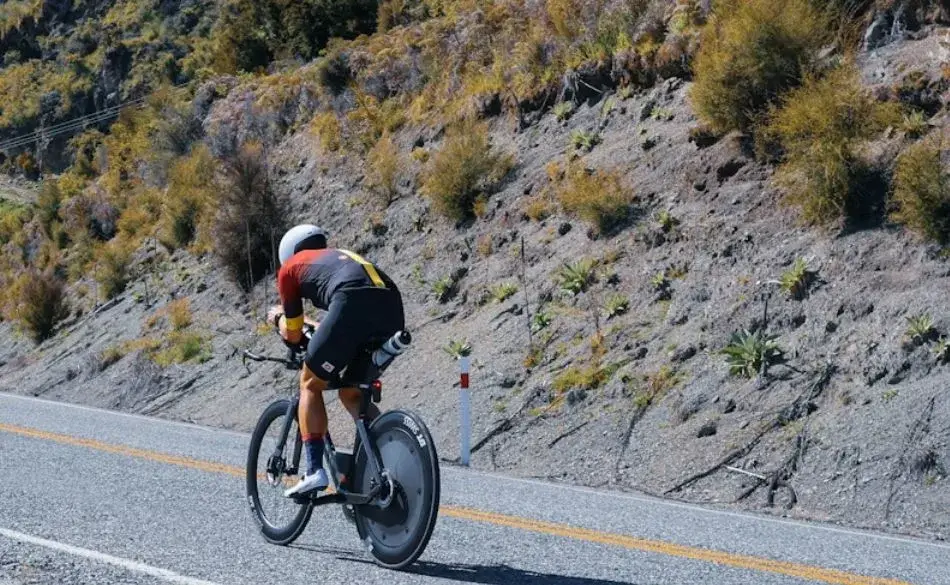
Missing one of the official Ironman cut off times is something no athlete wants to think about, but it’s important to understand the rules before race day. If you don’t meet a time limit in the swim, bike, or run, your race ends immediately and you are recorded as a DNF (Did Not Finish).
For example, if you miss the Ironman swim cut off time of 2 hours 20 minutes, you won’t be allowed to continue onto the bike course. Likewise, failing to reach the transition before the Ironman bike cut off time of 8 hours 10 minutes from the race start will result in your timing chip being removed and your race ending on the spot.
The same rules apply on the marathon. If you don’t cross the finish line before the Ironman marathon cut off time and the overall 17-hour race limit, officials will stop your progress, even if you are within sight of the finish chute. It can feel harsh, but it ensures consistency for all competitors worldwide.
When this happens, athletes are usually guided to a recovery or medical area, and support staff are there to help. While it can be disappointing, many competitors use the experience as motivation to come back stronger the following year. Missing the cut off isn’t the end of your Ironman journey, it can be the start of a smarter approach to training.
The reality is that thousands of athletes each year finish comfortably within the Ironman 17 hour time limit. If you train with pacing, nutrition, and transitions in mind, the risk of being cut short is greatly reduced. By preparing properly, you’ll not only avoid the disappointment of a missed cut off but also finish your race with confidence.
Ready to go beyond just finishing? Our Sub-13 Hour Ironman Training Plan is designed for athletes who want to beat the Ironman cut off times comfortably and push toward a faster, more competitive finish.
- ✅ Structured swim, bike, and run sessions that target speed and efficiency
- ✅ Race-day pacing and fueling strategies for a strong sub-13 hour finish
- ✅ Perfect for athletes aiming to step up from “just finishing” to achieving a performance goal
💡 Ideal if you’re targeting events like Ironman Cairns, Ironman Texas, or any other full-distance Ironman worldwide.
Get Your Sub-13 Hour Ironman Plan Today

Pacing Strategies to Stay Ahead of Ironman Time Limits
Beating the Ironman full distance cut off times comes down to smart pacing. Many athletes burn too much energy early, only to struggle late in the race. A steady, controlled approach ensures you stay ahead of each checkpoint without exhausting yourself too soon.
On the swim, avoid sprinting at the start. The Ironman swim cut off time gives you more room than you think, so focus on rhythm and efficiency instead of speed. Drafting behind other swimmers can save energy while keeping you on pace.
During the bike, aim for a sustainable output. The Ironman bike cut off time of 8 hours 10 minutes from the race start might feel generous, but headwinds, heat, or climbs can quickly eat into that cushion. Use a power meter or heart rate monitor to stay within your target range.
On the run, think about survival first and speed second. The Ironman marathon cut off time is where many athletes fall short because they overworked on the bike. A run-walk strategy, where you alternate short walking breaks with steady running, is often the best way to conserve energy and stay under the Ironman 17 hour time limit.
Transitions are also part of pacing. Spending 15 minutes in the change tent might feel harmless, but those minutes add up. Plan a routine for both T1 and T2 so you move quickly while staying organized.
The key to pacing is consistency. By training at realistic goal speeds and building in short recovery intervals, you’ll not only meet the cut offs but finish with strength. Think of pacing as your invisible teammate. It keeps you calm, efficient, and always moving forward.
If you’re picking your first Ironman or looking for a smoother route, you might want to explore courses known for being beginner-friendly and flat. Check out our guide to the easiest Ironman courses to discover races with calm swims, flat terrain, and gentle weather.

Nutrition Mistakes That Can Cause Missed Ironman Cut Offs
Many athletes train hard but overlook nutrition, and that’s often the biggest reason they fail to beat the Ironman cut off times. Even the fittest competitor can miss a checkpoint if they run out of energy or suffer stomach issues during the race.
On the swim, fueling isn’t an issue, but hydration before the start is critical. Entering the water already dehydrated can slow your pace and make it harder to stay ahead of the Ironman swim cut off time. Start race morning with water and electrolytes so you begin in balance.
The bike leg is where most nutrition mistakes happen. The distance is long, and missing meals or overloading on sugar can cause an energy crash. Failing to eat consistently can lead to fatigue well before the Ironman bike cut off time. The best strategy is to fuel every 20–30 minutes with small amounts of carbs, fluids, and electrolytes.
On the run, the problem shifts. Many athletes struggle with stomach discomfort from taking in too much too quickly. This can slow you down to a walk and put the Ironman marathon cut off time at risk. Practicing your fueling strategy in training helps you avoid surprises on race day.
Another overlooked factor is heat. Hot weather increases sweat loss and makes hydration even more important. If you don’t replace fluids, you risk cramps, dizziness, or a complete drop in performance. This can be the difference between finishing under the Ironman 17 hour time limit and missing it by minutes.
To succeed, treat nutrition as a fourth discipline. Train your stomach like you train your legs, test different products during long sessions, and develop a race-day plan that keeps you fueled and moving forward. Getting it right means you’ll not only beat the cut offs but finish strong.
Looking to understand training beyond fueling (for mindset, endurance, and smart planning) books are still one of your best tools. Dive into our curated list of Ironman triathlon training books for expert advice on pacing, periodization, and mental toughness.
New to long-course triathlon? Our Beginner Ironman Training Plan is built to guide you step by step so you can finish your first Ironman within the official 17-hour cut off.
- ✅ Easy-to-follow sessions for swim, bike, and run with beginner-friendly progressions
- ✅ Focus on pacing, nutrition, and recovery to help you avoid common mistakes
- ✅ Designed for first-time athletes aiming to complete, not just compete
💡 Perfect if you’re signing up for your very first Ironman triathlon and want the confidence to cross the line before the cut off.
Get Your Beginner Ironman Plan Today
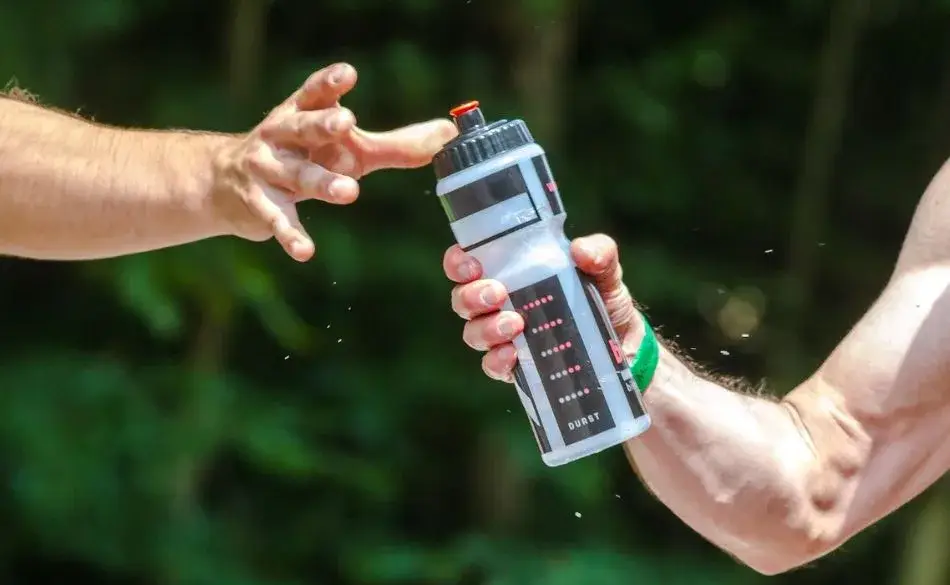
Mental Strategies for Handling the Pressure of Ironman Cut Off Times
Physical training gets most of the attention, but your mindset often decides whether you finish within the Ironman cut off times. Long races test patience, resilience, and focus, and the mental side can be as important as your endurance fitness.
One of the best tools is breaking the race into smaller parts. Instead of worrying about the Ironman 17 hour time limit, focus on reaching the next buoy in the swim, the next aid station on the bike, or the next mile marker on the run. Small goals keep you present and reduce the stress of the ticking clock.
Positive self-talk is another proven strategy. When fatigue sets in, many athletes start doubting themselves, which slows them down. Repeating short phrases like “steady and strong” or “one step at a time” helps you stay motivated and ahead of the Ironman marathon cut off time.
Visualization before race day also helps. Picture yourself exiting the water ahead of the Ironman swim cut off time, rolling into transition before the Ironman bike cut off time, and crossing the finish line under 17 hours. This mental rehearsal prepares you to stay calm when pressure builds.
Managing anxiety is equally important. Some athletes panic when they see others passing them. Remember, the only clock that matters is your own. Sticking to your plan instead of chasing others ensures you conserve energy for the later stages of the race.
Finally, embrace the challenge. The strict rules exist to make the achievement meaningful. By reframing the cut offs as milestones rather than threats, you can turn fear into motivation. With the right mindset, you’ll not only beat the time limits but also enjoy the satisfaction of knowing you stayed mentally strong from start to finish.
Worried about making the Ironman cut off times for the swim, bike, or marathon? Our Ironman Triathlon Training Plans are designed to help you train smarter, pace consistently, and cross the finish line within the official 17-hour limit.
- ✅ Structured swim, bike, and run sessions to keep you ahead of each cut off
- ✅ Proven pacing, fueling, and recovery strategies for long-course racing
- ✅ Preparation tailored for heat, climbs, and the mental demands of race day
💡 Ideal if you’re preparing for Ironman Australia, Ironman New Zealand, or any full-distance Ironman around the world.
Get Your Ironman Training Plan TodayCrossing the Line Within the Ironman Cut Off Times
The Ironman cut off times may seem intimidating at first, but they exist to make your achievement even more rewarding. Every finisher has faced the same deadlines, and beating the clock is part of what makes the title of Ironman so respected around the world.
By learning the rules, training with pacing in mind, and practicing your fueling, you give yourself the best chance to succeed. Whether it’s the Ironman swim time limit, the bike time limit, or the final marathon time limit, staying ahead of the clock is possible with the right preparation.
It’s also about mindset. Approaching each segment with calm confidence, breaking the race into smaller pieces, and believing in the work you’ve done all reduce the stress of racing against time. The Ironman 17 hour time limit isn’t just a barrier, it’s a target that unites thousands of athletes chasing the same dream.
If you’re training for your first full distance, remember that most people who prepare consistently finish well before the cut offs. With patience and practice, you’ll find yourself moving steadily forward and ticking off each milestone on the way to the finish line.
Crossing that line under 17 hours is more than just a result, it’s proof of discipline, endurance, and determination. When you hear those words, “You are an Ironman,” you’ll know you didn’t just beat the distance. You also beat the clock.
So, as you head into training or visualize race day, embrace the cut offs as part of the challenge. With the right plan and the right mindset, you’ll not only finish but finish strong. The clock is ticking, but it can work for you, not against you.
For the most up-to-date official rules and global event information, visit the official Ironman website.