Can I Run With Shin Splints or Should I Stop?
That’s the big question. The short answer? It depends on how much pain you’re in and how your body responds when you run.
Shin splints (also called medial tibial stress syndrome) are tiny tears in the muscles and bone tissue around your shin. They usually show up as dull, aching pain on the inner part of your lower leg.
When the pain is mild and fades after warming up, light running might still be okay. But if every step feels sharp or the pain lingers afterward, it’s your body waving a red flag.
So how do you know when to stop?
Here are some signs you should rest:
- The pain gets worse during or after your run
- There’s swelling along your shin
- You can’t hop on one foot without discomfort
- The pain is one-sided and doesn’t improve with warm-ups
On the flip side, if your shin pain eases once you get moving and doesn’t leave you hobbling afterward, a gentle jog may still be safe.
A physical therapist once told me, “Pain is your body’s alarm system. Not always an emergency, but never something to ignore.” That advice stuck with me.
The key is to listen closely. Try reducing your mileage, running on softer surfaces, or switching to low-impact workouts like swimming or cycling for a few days. These changes can give your legs a break while keeping your cardio on track.
If you’re asking, “Can I run with shin splints?”, remember this: a little rest now is better than a long layoff later.
Doing these shin splint exercises is a great start toward stronger, more resilient legs. Our Running Training Plans take it a step further—combining strength, mobility, and progressive run workouts designed to help you recover fully and prevent future injuries.
Each plan includes pacing structure, lower-leg stability routines, and recovery sessions built by professional coaches. You’ll train smarter, manage load effectively, and feel your shins get stronger week after week.
Whether you’re coming back from pain or building toward your next goal, these programs align your running and strength work perfectly—so you can stay consistent, balanced, and injury-free all year.
Build strength, improve performance, and enjoy running again with a plan that supports your recovery.
Explore Running Plans →

How to Run With Shin Splints Without Making It Worse
If you’ve decided to keep running despite the discomfort, you need a plan. Running smart with shin splints can be the difference between minor soreness and a full-blown injury. Let’s talk strategy.
First off, dial back your intensity. Forget speed work and hill repeats for now. Your focus should be on low-impact, steady runs on soft terrain. Think grass, treadmill, or rubberized tracks.
Here’s the thing about running through shin splints: you need to treat each run like a test. Are you limping by mile one? Does the pain fade or get worse as you go? If the answer’s “worse,” stop. No run is worth sidelining yourself for weeks.
Also, shorten your stride. Overstriding slams your legs with impact. Aim for quicker, lighter steps and a cadence closer to 170 to 180 steps per minute. It may feel weird at first, but your legs will thank you.
If you’re not already cross-training, now’s the time. Use swimming, aqua jogging, or cycling to stay fit without pounding the pavement. These can help you recover while still maintaining endurance.
And don’t skip the warm-up. Spend five minutes doing dynamic movements like leg swings, ankle rolls, and light skips to wake up your muscles and increase blood flow. Cold muscles raise your injury risk.
Here’s your checklist if you’re running with shin pain:
- Stick to soft, flat surfaces
- Keep runs short and easy
- Use a metronome or watch to maintain quick cadence
- Stop immediately if pain worsens mid-run
- Replace some runs with cross-training
How to run with shin splints isn’t just about pushing through. It’s about adjusting smartly so your body can keep healing while you stay active.


Top Stretches for Shin Splints Every Runner Should Try
If you’re dealing with shin pain, stretching can feel like a miracle. The right moves loosen tight muscles, improve blood flow, and relieve that dull ache after a run. But here’s the catch, not all stretches help, and some can make things worse if done too aggressively.
When I first struggled with shin splints, I made the mistake of stretching too hard, thinking more was better. But the real key was consistency and control. Gentle, repeated movement beat out deep, painful holds every time.
So, what should you actually do? Focus on stretches for shin splints that target your calves, ankles, and feet. These areas often cause or contribute to the problem.
Here are a few go-to stretches you should include before and after every run:
- Standing calf stretch: Face a wall with one foot back, heel down. Lean into the wall to stretch the back leg. Hold for 20 seconds each side.
- Soleus stretch: Like the calf stretch, but with the back knee bent slightly. This targets the lower calf more.
- Towel toe stretch: Sit with one leg extended. Loop a towel around the ball of your foot and gently pull back. Hold for 20–30 seconds.
- Shin stretch on knees: Sit back on your heels with your toes pointed straight behind you. This gently stretches the muscles along your shin.
- Ankle alphabet: While seated, raise one foot and “draw” the alphabet in the air with your toes. This improves mobility and reduces tension.
Each of these can be done daily, even on non-running days. Just be gentle and avoid bouncing.
Pairing these with foam rolling (especially on your calves and anterior tibialis) can speed up your shin splints running recovery. Foam rolling may hurt a bit at first, but over time, it brings real relief.
Stretching doesn’t feel like a workout, but it’s one of the best tools for recovery. Take the extra 10 minutes, it’s worth it if it means fewer rest days later.
If you’re searching for the best shin splint exercises for runners, you can check them out here to strengthen your legs and speed up recovery.

How to Treat Shin Splints From Running (And Heal Faster)
When your shins are barking at you after every run, your first instinct might be to power through. But trust me, healing starts when you take action, not just time off. Let’s walk through exactly how to treat shin splints from running so you can get back on your feet fast.
Start with the basics: rest, ice, and elevation. You’ve heard it before, but it really works. Ice your shins for 15 to 20 minutes a few times a day, especially after running. Elevate your legs when you can. This reduces inflammation and gives your body a head start on recovery.
Next, work on reducing the impact that caused the problem in the first place. Are your shoes worn out? Are you running too often on hard surfaces? These small things add up. Consider rotating your shoes or choosing trails and grass over concrete for now.
Compression sleeves are another tool I used during my own recovery. They help stabilize the muscles along your shin and improve circulation. Some runners feel immediate relief from the extra support, especially during runs or long days on their feet.
Massage and self-myofascial release can also help. Grab a foam roller or massage stick and roll your calves, shins, and arches. Yes, it might feel intense, but it breaks up tight fascia and releases muscle knots that could be pulling on your shins.
One overlooked fix? Strengthening the muscles that support your lower legs. Weak hips, glutes, and feet all shift stress to the shins. Try adding these into your weekly routine:
- Toe raises and heel drops
- Resisted ankle band exercises
- Single-leg balance drills
- Hip bridges and side leg lifts
Healing isn’t about sitting still. It’s about making smart moves that help your body rebuild. When done right, these steps will not only speed up recovery, they’ll help prevent shin splints from coming back. Paying attention to when shin discomfort shows up (during a run, immediately after, or later in the day) can also provide useful clues about how well your body is coping with load, which we break down further in our guide to pain during running vs after running.
So if you’re wondering how to heal shin splints fast, remember: rest is just one piece. Active recovery is where the real magic happens.
Compression socks can also help post-run. Learn more in their guide on compression socks for running.


The Best Running Shoes for Shin Splints in 2025
Your shoes can make or break your recovery. When it comes to the best running shoes for shin splints, there’s no one-size-fits-all, but there are clear features that help protect your legs.
The right pair cushions your stride, supports your arch, and absorbs shock so your lower legs don’t have to. If you’re wearing shoes that are too worn, too stiff, or not built for your foot type, it’s like asking your shins to do all the hard work alone.
Let me tell you what made the biggest difference for me: switching to a shoe with higher stack height and added heel cushioning. That little change gave my tibia a break and let me run with far less pain.
When shopping for shin-splint-friendly shoes, here’s what to look for:
- Ample cushioning: Especially under the heel and forefoot. This softens impact on each landing.
- Arch support: Whether you’re flat-footed or have high arches, matching your foot shape prevents overuse of the shin muscles.
- Stable platform: A wider base keeps your foot from wobbling and adds support during transitions.
- Soft midsole foam: Materials like EVA or newer tech (like Nike ZoomX or Brooks DNA Loft) absorb shock better than traditional rubber.
- Roomy toe box: Helps your toes splay naturally, improving balance and reducing foot strain.
If possible, get a gait analysis. Many running stores offer this for free and can recommend shoes based on how your foot strikes the ground.
Brands like Brooks, HOKA, Asics, and New Balance consistently make shoes praised for their support and shock absorption. But again, comfort comes first. The best shoe is the one that fits your foot and reduces pain when you move.
Replacing your shoes every 600 to 800 kilometers is also crucial. Old soles lose their spring and protection, leading to more shin pain after running.
👉 Swipe to view full table
| Running Shoe | Key Features | Best For | Why It Helps With Shin Splints |
|---|---|---|---|
| HOKA One One Clifton 9 | Maximal cushioning, soft EVA foam, lightweight build | Daily training, recovery runs | Softens impact on shins and knees, reduces shock on hard surfaces |
| Brooks Glycerin 21 | Plush DNA Loft v3 midsole, wide platform, stable heel | Neutral runners needing extra cushioning | Stable ride with reduced tibial stress on impact |
| Asics Gel-Nimbus 26 | FF Blast+ foam, gel cushioning, soft upper | Long-distance comfort, injury-prone runners | Gel tech disperses shock and protects lower leg structures |
| New Balance Fresh Foam X 1080v13 | High-stack Fresh Foam X, balanced cushioning, flexible fit | All-purpose daily mileage | Cradles foot and absorbs ground impact efficiently |
| Nike Invincible 3 | ZoomX foam, wide forefoot, responsive yet soft | Heavier runners, max cushion lovers | Highly cushioned and bouncy, easing pressure on the tibia |
| On Cloudstratus 3 | Double-layer CloudTec®, Helion foam, wide base | Midfoot strikers, long runs | Provides stability and shock absorption for shin relief |
| Saucony Triumph 21 | PWRRUN+ cushioning, smooth rocker design | Neutral runners seeking plush rides | Encourages natural transitions and reduces impact on lower legs |
| Mizuno Wave Rider 27 | Wave Plate tech, responsive midsole, durable outsole | Everyday training, moderate stability needs | Guides foot mechanics and cushions landings |
| Altra Torin 7 | Zero drop, EGO MAX foam, foot-shaped toe box | Forefoot strikers, runners with wide feet | Promotes natural alignment and reduces tibial strain |
For help fine-tuning stride and cadence, our article on ideal running cadence based on height shows you how to avoid overstriding and reduce impact.

Taping, Massage, and Recovery Tools That Actually Help
Sometimes rest and stretching aren’t enough. You might need extra support. That’s where taping, massage, and smart recovery tools come in. These methods won’t cure your shin splints overnight, but they can seriously ease pain and speed up healing.
Let’s start with taping. You’ve probably seen athletes with colorful strips on their legs. That’s kinesiology tape, and it works by giving light support to the muscles around your shin while improving circulation. When applied correctly, taping for shin splints running can reduce the strain you feel with each step.
Here’s a simple way I tape my own shins on long runs:
- Cut two strips about 6–8 inches long
- Apply one diagonally across the inside of your shin, starting above the ankle
- Place the second over it to form an “X,” creating light tension in the center
Don’t over-stretch the tape, it should feel like support, not restriction. And if you’re not sure how to apply it, ask a physio or check a video from a certified sports therapist.
Massage is another game-changer. You don’t need to spend a fortune on sports massages (though those help too). A simple foam roller or massage stick can release tension in your calves and shins. The key is consistency. A few minutes daily goes a long way.
One tip? Try using a frozen water bottle to roll your shin. It cools inflammation and breaks up tight tissue at the same time. It’s a trick I learned from a teammate during college track, and it’s still my go-to recovery move after tough runs.
Recovery tools like compression sleeves, vibration massagers, and mobility balls are also worth exploring. Just don’t overdo it. Aggressive rolling or too-tight sleeves can sometimes make symptoms worse.
Still curious about compression gear? Check out our guide on compression sleeves for shins to learn which types work best and when to use them.
Ready to apply your new shin splint exercises to real training? Our Running Coaching programs combine strength, mobility, and personalized run sessions to help you rebuild safely, prevent future injuries, and improve performance.
Each plan includes lower-leg stability work, pacing adjustments, and recovery strategies tailored to your fitness level. You’ll strengthen smarter, move more efficiently, and return to running without pain.
Delivered through TrainingPeaks, your plan adapts weekly to your feedback—keeping your workouts aligned with your recovery and goals.
Build strength, restore confidence, and rediscover the joy of pain-free running.
Explore Running Coaching →

The Long Game: Running Injury Prevention Tips That Work
Once your shin splints start to fade, it’s tempting to jump back into full training. But here’s the truth: recovery isn’t the finish line, it’s the start of smarter running. To stay healthy, you’ve got to think long-term.
The biggest mistake runners make? Ignoring the small things that prevent injury. You don’t need to overhaul your entire routine, but a few tweaks can mean the difference between pain-free progress and a frustrating setback.
First, ease back into mileage. Don’t go from rest to race pace. Follow the 10% rule: increase your weekly volume by no more than 10% each week. And when in doubt, run a little less, not more.
Second, check your form. Many cases of shin splints come from poor mechanics like heel striking too hard, overstriding, or collapsing arches. A quick form check from a coach or slow-motion phone video can reveal patterns you didn’t even notice.
Third, strengthen your foundation. A few strength sessions each week focusing on glutes, hips, and core can prevent compensations that lead to shin pain. Add in balance work and foot drills. Think of it like armor for your lower legs.
Here are some proven running injury prevention tips I’ve used with athletes and in my own training:
- Run on mixed terrain to reduce repetitive stress
- Rotate your shoes between runs to avoid wear imbalance
- Incorporate mobility and dynamic warm-ups before every run
- Use rest days for foam rolling, walking, or light biking
- Track your training load and rest just as seriously as your miles
And finally, listen to your body. If something feels off, it probably is. Don’t push through pain thinking it’ll just go away. You’ve already seen how that ends.
Shin splints running recovery is a journey, not a one-time fix. Build habits now that help you avoid injuries later, and running will feel strong, stable, and fun again.
Want a structured plan? See the 10‑Week strength training program for runners—it’s built to boost strength and cut injury risk.
Should You Run a Race With Shin Splints?
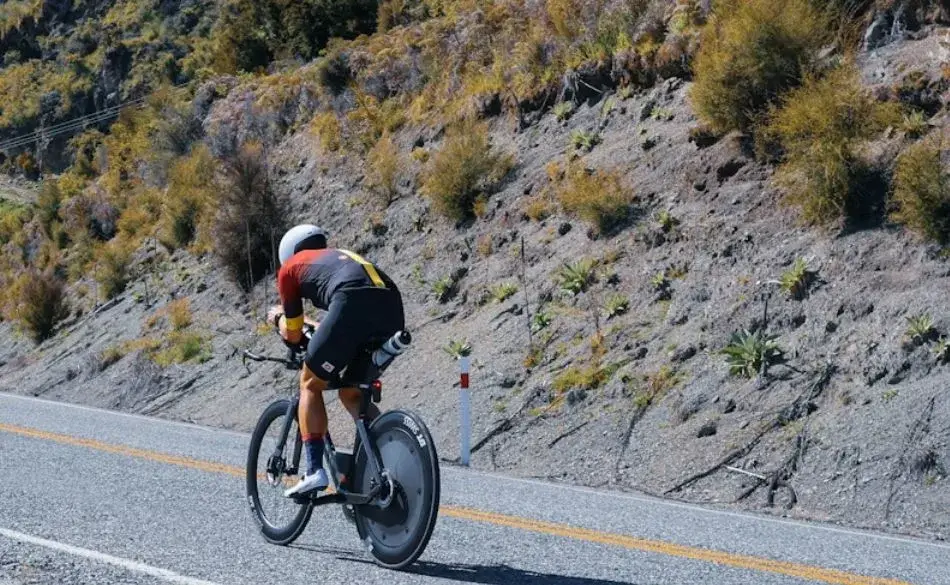
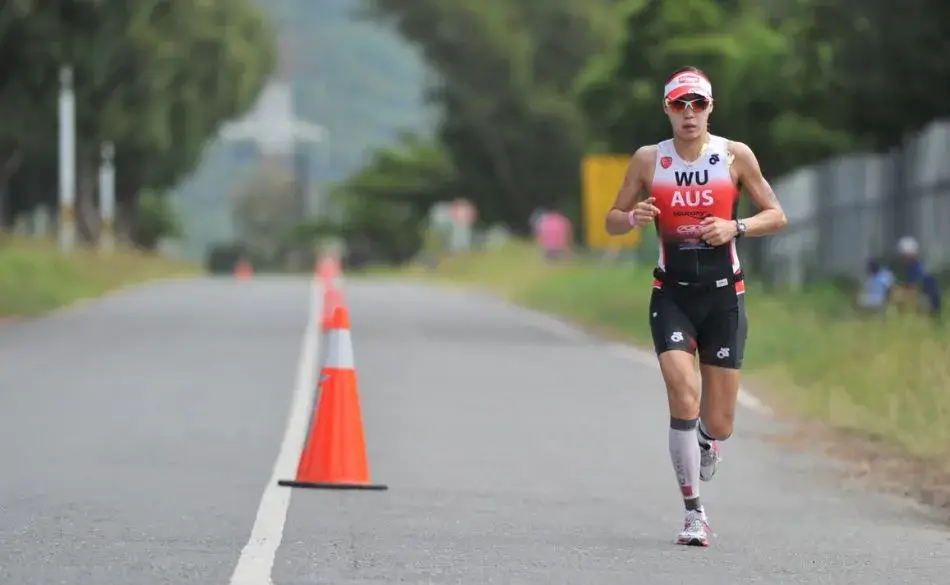
You’ve trained for weeks. Race day is almost here. But your shins are aching, and you’re wondering if pushing through is brave or a bad idea. It’s a tough call, and the answer depends on your body, the severity of your symptoms, and your goals.
Let’s get one thing straight: running through shin splints during a race isn’t heroic if it leads to a more serious injury. That dull ache could turn into a stress fracture if ignored. Still, not every case is that severe. Many runners line up with mild shin pain and make it to the finish line just fine. Mainly because they’ve prepared wisely.
Here are some questions to ask yourself before toeing the line:
- Is the pain mild and not getting worse?
- Does it ease up after warming up?
- Can you run without changing your gait?
- Have you reduced your training load leading into the race?
- Have you tried taping for shin splints running or compression sleeves?
If you answered yes to most of those, you might be okay to race. However, consider scaling back your pace and treating the event like a supported long run. No PR is worth months off your feet.
On the flip side, if the pain is sharp, gets worse as you run, or alters your stride, sitting this one out could be the smartest move you make all year. Remember, there will always be another race.
I’ve had athletes DNS (Did Not Start) big races due to shin splints, and they always came back stronger. Why? Because they let their bodies heal, reset their training, and showed up better prepared next time.
To better recognize early warning signs, read Why Am I Suddenly Struggling to Run? for insight on recognizing injury signals and avoiding burnout.

Conclusion: Listen to Your Legs, But Don’t Lose Your Stride
If you’ve been battling shin splints, you already know how discouraging they can be. That aching, nagging pain can make every step feel like a gamble. But here’s the thing, it doesn’t mean you’re broken. It means your body is asking for something different.
Maybe that means running slower. Maybe it means new shoes, better form, or finally giving foam rolling the time it deserves. Whatever the fix, it starts with listening. Your body knows when something’s off and now you do too.
I’ve seen runners come back stronger after dealing with shin splints. Heck, I’ve been one of them. It wasn’t about pushing harder. It was about training smarter, being patient, and respecting the signals my legs were sending.
So if you’re hurting right now, don’t panic. You’re not alone, and you’re not stuck. Whether you’re learning how to run with shin splints or easing back after time off, progress is still progress.