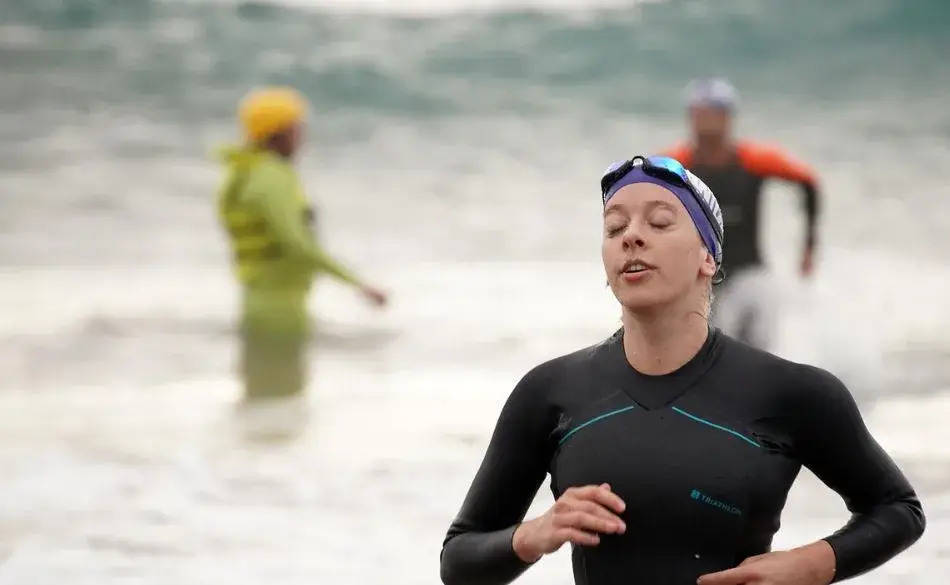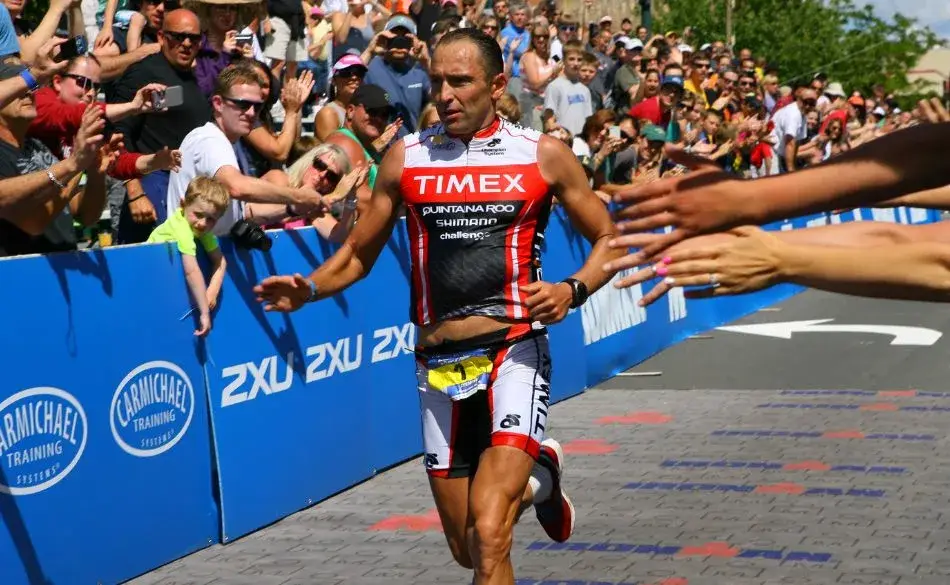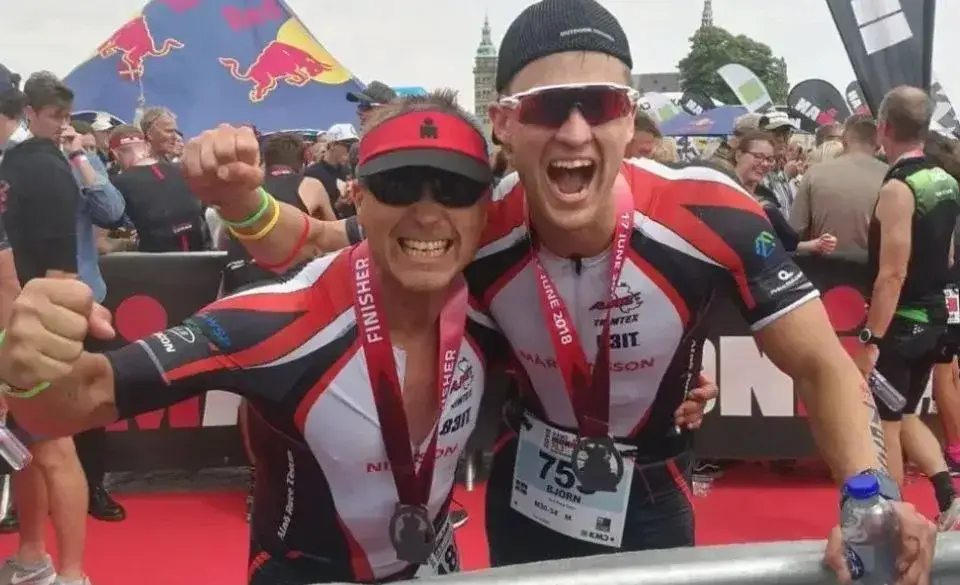
Months 1–3: Building Your Base - Why Slower Is Smarter
In the first few months of your 12 month Ironman training plan, your goal isn’t speed. It’s consistency.
This is the base phase, where you’re laying the foundation for everything to come. Think of it like pouring concrete. You wouldn’t want to race on soft sand. Same goes for your body.
You’ll focus on steady aerobic work, improving technique, and gradually increasing volume without overloading your system. It might feel “too easy” at times, but trust me, this work is what builds long-lasting endurance.
One athlete I coach, Sarah, came into her training feeling anxious. She’d just completed her first Olympic triathlon and thought Ironman training meant pushing hard from day one. But after three months of controlled, low-heart-rate training, her aerobic fitness skyrocketed and prevented her from burning out.
Here’s what matters most in this phase:
- Frequency over intensity – aim to move your body 5–6 days a week
- Zone 2 heart rate training – long, easy sessions that teach your body to burn fat efficiently
- Drills, drills, drills – especially in swimming, where good form matters more than speed
- Strength training 2x per week – focusing on mobility, core, and stability work
Key Weekly Targets (Approximate):
- Swim: 2–3 sessions, 1000–2000m each
- Bike: 2–3 sessions, 60–90 minutes
- Run: 2–3 sessions, 30–60 minutes
- Strength: 2 short full-body sessions
You might wonder, “Is this enough?” Yes. Your job here is to train your body to handle volume later. Think of this as your investment phase.
This is also the perfect time to dial in your gear setup, test nutrition, and build routine.
By the end of Month 3, your body will feel more efficient, your mindset steadier, and you’ll be ready to tackle the build phase with confidence.
If you're looking for a 12-month Ironman training plan with expert guidance every step of the way, check out our Monthly Triathlon Coaching. This isn’t just a plan—it’s full access to your coach, personalized updates, and support when it matters most.
- ✅ Weekly customized training updates via TrainingPeaks
- ✅ Unlimited email access + session feedback
- ✅ Nutrition, pacing, taper planning, and more
💡 Perfect for first-time Ironman athletes who want structure, support, and results.
Learn More & Get Started →

Months 4–6: Adding Power, Pace & Confidence
Now that your aerobic base is solid, it’s time to introduce more structure, speed, and strength. These next three months are where your fitness really begins to take shape.
You’ll still train mostly in that aerobic sweet spot, but now we’ll sprinkle in controlled intensity—tempo rides, threshold runs, and intervals in the pool. This helps you develop race-specific durability without burning the candle at both ends.
One of the athletes I coach, Mark, struggled at first with shifting from easy Zone 2 workouts to intervals. But after we introduced short tempo efforts on the bike and brick runs off the bike, his body adapted fast—and so did his confidence.
Your body is learning to work harder for longer. But here’s the thing about this phase: it’s also where most athletes start to doubt themselves. Workouts feel tougher. Life gets busy. Motivation dips.
This is where you build not just strength, but resilience.
Key elements of this phase:
- Tempo efforts – steady, challenging work in Zone 3-4
- Bike-specific strength – low-cadence hill climbs and big gear work
- Brick workouts – short runs off the bike to simulate race fatigue
- Continued strength training – especially for glutes, hamstrings, and core
Sample Weekly Breakdown:
- Swim: 2–3 sessions with pull buoy, paddles, and some pace work
- Bike: 2–4 sessions including intervals and long weekend rides
- Run: 3 sessions, 1 with speed (hills, tempo, strides)
- Brick: 1 short run off a medium bike ride
This is also the time to begin thinking about your nutrition on the bike and during runs. Practicing your Ironman nutrition plan for training now will pay off massively later.


Months 7–9: Going Long, Staying Strong
This is the meat of your 12 month Ironman training plan. Your endurance is solid, your form is sharper, and now it’s time to go long.
During this phase, you’ll build up to your biggest training weeks. Long rides over 4 hours, runs creeping past 2 hours, and swims that feel like they go on forever. But here’s the thing: the key isn’t just distance. It’s how you recover and adapt afterward.
One of my athletes, Sam, hit a wall in Month 8. His long bike rides were strong, but the next-day runs felt flat. After adjusting his fueling and adding a recovery swim the day after big sessions, his energy returned and his performance jumped.
This phase teaches you how to manage fatigue. How to eat, hydrate, pace, and still function the next day. These lessons matter more than hitting a magic mileage number.
Core priorities during this build phase:
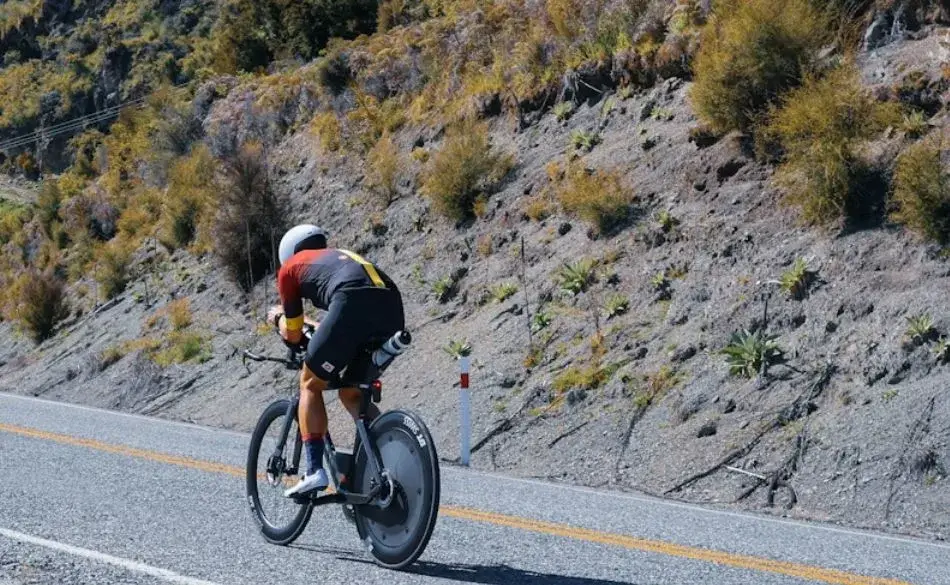
- Long bike rides: Build to 5+ hours, with steady effort and nutrition practice
- Race-pace simulation: Include sections at Ironman effort, especially on bricks
- Back-to-back training days: Fatigue management is part of the training
- Long runs: Build carefully—maximum 3 hours to avoid injury
Typical Weekly Layout:
- Swim: 3 sessions, 2500–3500m each
- Bike: 3–4 sessions including a 4–6 hour weekend ride
- Run: 3 sessions, 1 long, 1 off the bike, 1 technique or tempo
- Strength: 1–2 maintenance sessions (bodyweight or light load)
Stick with your Ironman nutrition plan for training and practice it in real conditions. That means long rides with your race-day bottles and testing your run fueling strategy while fatigued.
Months 10–11: Sharpening the Blade & Trusting the Work
You’ve done the heavy lifting. Now, it’s time to shift from building to sharpening.
This phase is all about specificity, pacing, and confidence. The training volume may slightly dip, but the focus gets sharper. You’re preparing your body to execute on race day.
For one of my athletes, Jess, this was the turning point. She told me, “I’ve never felt more ready, but also more nervous.” That’s normal. The workouts feel more dialed in, and every session starts to feel like it matters just a little more.
You’ll still do long sessions, but with more purpose. No junk miles. No overreaching. You’re training like an athlete with a goal, not just logging hours.
In this phase, focus on:
- Race rehearsal workouts – complete dress rehearsals with transitions, pacing, and fueling
- Brick sessions – 3+ hour rides followed by runs at your expected Ironman pace
- Swim-to-bike bricks – to simulate that dizzy transition feel and steady your system
- Mental prep – practice visualizing race morning, transitions, aid stations, and tough miles
Weekly Training Sample:
- Swim: 2–3 sessions with longer continuous efforts and race-day pacing
- Bike: 2–3 rides, one long, one with intervals at race effort
- Run: 3 runs, one long, one easy, one off the bike
- Brick: 1 key session weekly combining bike and run
Keep practicing your Ironman nutrition plan for training exactly as you will on race day. Nothing new. No experiments. Just lock it in and trust it.
If you're looking for a 12-month Ironman training plan with expert guidance every step of the way, check out our Monthly Triathlon Coaching. This isn’t just a plan—it’s full access to your coach, personalized updates, and support when it matters most.
- ✅ Weekly customized training updates via TrainingPeaks
- ✅ Unlimited email access + session feedback
- ✅ Nutrition, pacing, taper planning, and more
💡 Perfect for first-time Ironman athletes who want structure, support, and results.
Learn More & Get Started →Your Year at a Glance: Ironman Training Phase Overview
Let’s zoom out for a moment. You’ve seen how the plan breaks down month by month. But sometimes it helps to see the big picture all in one place. This table gives you a snapshot of what each phase of your 12 month Ironman training plan looks like, including the main goals and focus areas.
👉 Swipe to view full table
| Months | Phase | Main Focus | Weekly Hours | Training Priorities |
|---|---|---|---|---|
| 1–3 | Base Building | Aerobic foundation, form, routine building | 6–10 hrs | Zone 2 endurance, swim drills, strength & mobility |
| 4–6 | Build Phase | Speed introduction, muscular strength | 9–13 hrs | Bike tempo rides, hill work, bricks, race pace intro |
| 7–9 | Peak Volume | Race simulation, fueling practice, long sessions | 12–16 hrs | 5+ hr rides, 2–3 hr runs, nutrition testing, fatigue management |
| 10–11 | Race-Specific | Sharpening, mental prep, taper start | 10–13 hrs | Race rehearsals, swim-to-bike bricks, taper reduction begins |
| 12 | Taper & Race | Recovery, freshness, execution | 6–8 hrs | Reduced volume, short sessions, logistics, mental readiness |
This isn’t just a table, itt’s your journey. Each row represents weeks of hard work, progress, and learning. Refer back to this table as you move through your training to remind yourself what the focus is and why it matters.
Every athlete’s path will look a little different, but this structure is what helps turn ordinary people into Ironman finishers. .


Ready to Commit? These Ironman Training Plans Can Take You to the Finish Line
If you’re serious about finishing your Ironman with confidence, joining one of the personalized training plans from SportCoaching is a smart step. These plans are designed for athletes at every level. No Matter if you’re aiming for your first Ironman or chasing a fast sub‑12-hour or even sub‑10-hour finish.
Here’s what makes them stand out:
- Each plan is custom-built around your fitness, lifestyle, and race goals. Not a generic template.
- You get a one-hour consultation to discuss your goals, pacing, and strategy before training starts.
- Workouts are delivered via TrainingPeaks, with heart rate, pace, or power targets. Accessible online within 24 hours.
- Most plans are one-time payments (no recurring fees) and cover 20–30 weeks of training.
Popular Options from SportCoaching:
- Beginner Ironman Plan: Ideal for first-time Ironman participants. Around 10–14 hours/week, typically 20–30 weeks in duration, priced at around 199 AUD. Learn More
- Sub‑12 Hour Ironman Plan: For more experienced athletes targeting under 12 hours. Workload is 12–18 hours/week, same one-time pricing. Learn More
- Sub‑10 Hour Ironman Plan: For ambitious experienced triathletes aiming to finish under 10 hours. Includes advanced pacing and nutrition strategy. 12–22 hours/week, priced at 299 AUD. Learn More
Whether you’re juggling work, family, and training—or just want a pro at your side to guide you—this kind of plan offers peace of mind. No guessing. No chart‑hopping. Just clear workouts, sensible progression, and plenty of support built in.