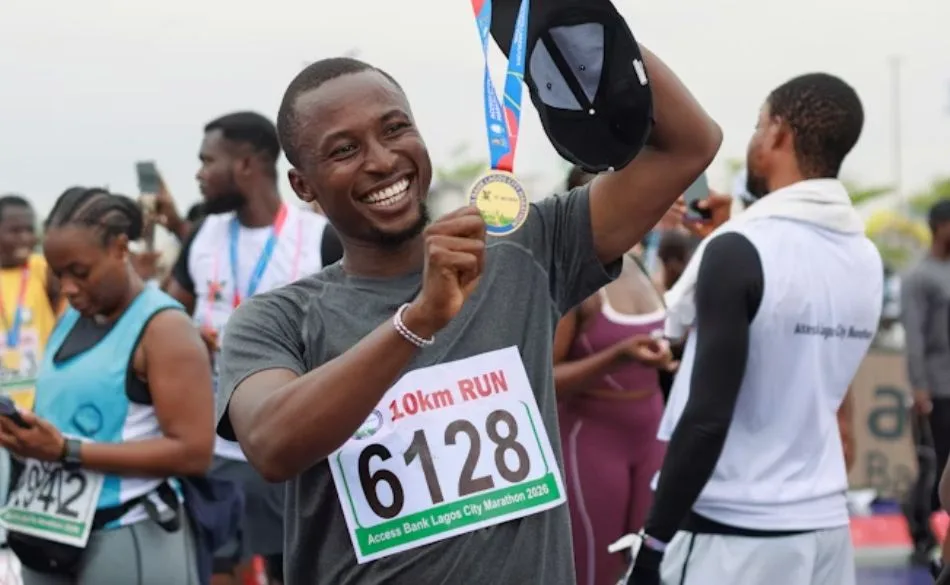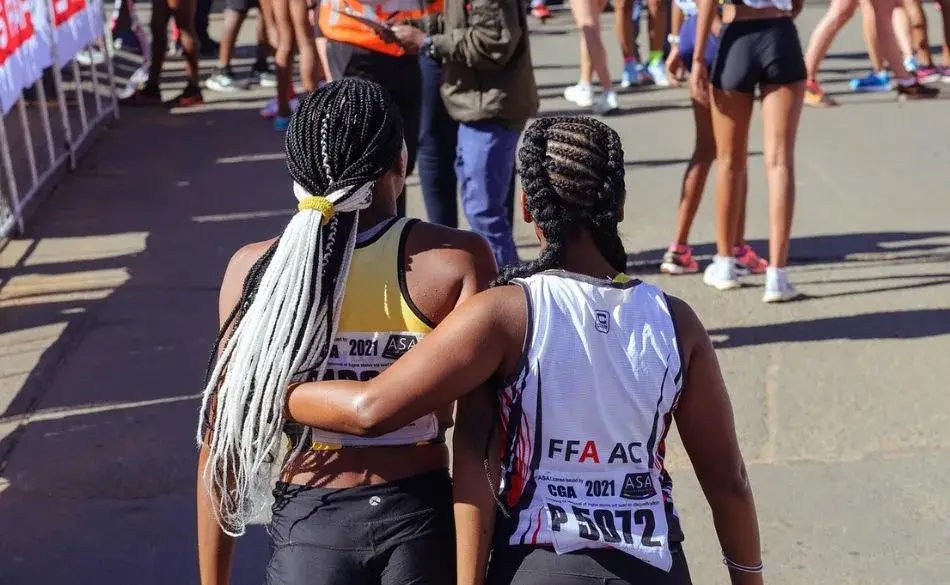

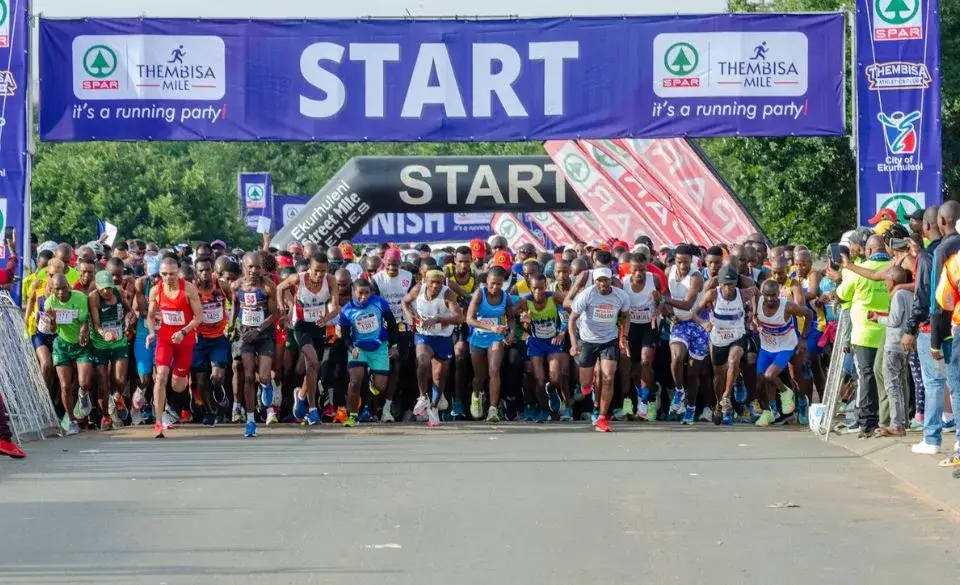



Find Your Next Running Race
Ready to put your training to the test? Here are some upcoming running events matched to this article.
 Coach Graeme

Last updated:
Not sure where to start with training?
Tell us your goal and schedule, and we’ll give you clear direction.
No obligation. Quick, practical advice.
Explore our running training content for more helpful articles and resources.
Training for 42.2 km isn’t just about logging miles. It’s about strategy, structure, and avoiding the pitfalls that sideline so many runners. This is where an expert marathon running coach can completely change the game.
A coach goes beyond handing you a schedule. They craft a personalized marathon training plan that fits your fitness level, lifestyle, and goals. Unlike generic online guides, this kind of tailored coaching adapts when real life happens. Whether that’s a busy week at work, travel, or unexpected fatigue.
One of the biggest benefits is injury prevention. So many runners push too hard, too fast, and end up sidelined. A good coach monitors your workload, spots red flags like nagging soreness, and adjusts before it turns into something bigger. This kind of oversight is often the difference between making it to the start line healthy (or not at all).
Accountability is another major factor. When you know someone’s watching your progress, you’re more likely to stick to the plan. One athlete I coach once admitted, “I didn’t want to skip my run because I knew you’d see it on my log the next day.” That small layer of accountability made all the difference in his consistency.
Finally, confidence. Training for your first marathon feels daunting, but with a coach by your side, you gain trust in the process. On days when doubts creep in, a coach provides perspective, reassurance, and a clear path forward.
Think of your marathon coach like a GPS for your training journey. Sure, you could get there with a paper map, but having real-time adjustments and guidance makes the trip smoother, faster, and far less stressful.
If you’re wondering how many weeks or months it takes to get ready, this article will help: How Long Does It Take to Train for a Marathon. It breaks down sensible timelines depending on your base fitness, experience, and goals.
If you’re ready to train with purpose, our Marathon Running Training Plan gives you a fully customized schedule built around your fitness level, goals, and race day ambition.
Don’t just log mileage—train wisely with a plan that works.
Grab Your Training Plan →One of the first things a marathon running coach does is design a training plan that’s customized to you. This isn’t a cookie-cutter schedule, it’s a living roadmap that adapts as you progress.
A solid marathon training plan balances endurance, speed, and recovery. Too much of one and you risk injury; too little of another and you’ll struggle on race day. That’s why expert coaching makes such a difference.
Most plans include four key ingredients:
Here’s an example of how these pieces fit together in a week:
Of course, the actual structure varies depending on your fitness and experience. A marathon coach for beginners will keep intensity low and focus on consistency, while advanced runners might have longer tempo blocks and marathon-pace runs.
One athlete I coach used to skip recovery days, thinking they were wasted time. Once I adjusted his plan to emphasize rest, his performance jumped because his body finally had the chance to absorb training. That’s the kind of small but powerful tweak a coach brings.
With the right plan, every run has a clear purpose. You’re not just logging miles, you’re building toward a strong, confident marathon finish.
This is one of the most common questions I hear: “Can I really train myself, or do I need a coach?” The short answer – it depends on your goals, your experience, and how much trial and error you’re willing to go through.
If you’re training for your very first marathon, having a marathon running coach can save you from the mistakes that many beginners make. Skipping recovery, running all sessions at the same pace, or ramping up mileage too quickly can all lead to setbacks. A coach makes sure your marathon training plan is progressive, safe, and realistic.
For experienced runners, a coach provides the edge needed to chase a personal best. They fine-tune details like pacing strategy, race-day nutrition, and mental preparation. Sometimes it’s just a small adjustment in tempo runs or long-run fueling that shaves minutes off your finish time.
On the other hand, if your only goal is to finish the race and you don’t mind learning lessons the hard way, you can succeed with a generic online plan. But the process will likely take longer, and the risk of injury is higher. Think of it like learning to play guitar, you can teach yourself with YouTube videos, but lessons from an expert accelerate progress and help you avoid bad habits.
One of my more advanced athletes once struggled to break the four-hour mark despite years of training. By restructuring his workouts with focused specific interval training for a marathon and adjusting his fueling, he finally ran 3:46. A huge breakthrough that wouldn’t have happened without tailored guidance.
So, do you need a coach? Not always. But if you want to train smarter, avoid injuries, and unlock your true potential, the investment in a marathon running coach is often worth every step.
Looking for structure, variety, and expert guidance? Our Running Training Plans offer you tailored plans—whether you’re getting ready for a first marathon, stepping up your speed work, or maintaining fitness throughout the off-season.
Find the plan that fits your goals and train with confidence.
View Plans Now →When you commit to 42.2 km, the difference between simply finishing and truly thriving often comes down to guidance. A marathon running coach provides layers of support that go far beyond a printed training schedule.
Here are some of the biggest benefits runners experience when working with a coach:
Another benefit that often gets overlooked is mental support. Training for a marathon is as much about belief as it is about fitness. Coaches help you handle doubt, setbacks, and those weeks when runs feel tougher than they should. Sometimes just hearing, “You’re right on track,” is enough to turn frustration into confidence.
I once coached an athlete balancing long work hours with training. Instead of piling on stress, we restructured his plan with shorter tempo runs midweek and quality long runs on weekends. He not only stayed injury-free but also finished strong in his first marathon. Without adjustments, he might have burned out before race day.
These benefits add up to one thing: consistency. And consistency is what gets you to the start line fit and to the finish line smiling. For more detailed help planning your buildup, pace strategies, and pre-race prep, check out our Marathon Race Training Guide.
One of the most common questions runners ask today is whether an online marathon coach can be as effective as meeting someone in person. The answer isn’t the same for everyone, it depends on how you learn, what keeps you motivated, and the type of feedback you need.
In-person marathon coaching has clear advantages. You get real-time feedback during workouts, immediate adjustments to your running form, and that face-to-face accountability. For runners who thrive on personal interaction, this approach feels natural and encouraging.
On the other hand, virtual marathon running coach options have grown massively in recent years. Through apps, video calls, and online training logs, you can receive expert guidance from anywhere in the world. This flexibility is especially helpful if you live in a smaller town or juggle a busy schedule that makes in-person meetings tough.
Here’s a simple comparison:
One of my athletes works in a rural area where no local clubs exist. By training with me online, she still had access to a customized marathon training plan, detailed feedback on her splits, and pre-race strategy calls. She went from struggling to finish a half marathon to completing her first full marathon with confidence.
Ultimately, both formats can deliver results. What matters most is finding a coach whose approach matches your personality and goals. Whether that’s through a handshake after practice or a video call before your long run.
| Coaching Type | Strengths | Limitations | Best For |
|---|---|---|---|
| In-Person Coaching | Hands-on form correction, group runs, strong accountability | Less flexible, limited to local coaches, often higher cost | Runners who value direct feedback and personal connection |
| Online Coaching | Flexible schedules, detailed data analysis, access to top coaches worldwide | No real-time adjustments during workouts, less face-to-face support | Runners with busy schedules, remote areas, or seeking affordability |
One of the biggest factors runners consider before hiring a marathon running coach is cost. Prices can vary widely depending on the coach’s experience, location, and whether the coaching is online or in-person. While it may feel like a big investment, it’s helpful to see the ranges clearly.
| Coaching Type | Typical Monthly Cost (AUD) | What’s Included | Best Suited For |
|---|---|---|---|
| Online Marathon Coach | $120 – $220 AUD | Custom training plan, weekly feedback, email or app support | Runners wanting flexibility and affordability |
| In-Person Coaching | $220 – $440 AUD | Face-to-face sessions, real-time form analysis, group training | Runners who prefer direct contact and live feedback |
| Hybrid Coaching | $180 – $360 AUD | Online plans with occasional in-person sessions | Runners wanting a balance of flexibility and personal touch |
For many runners, this cost is worth it when you consider the benefits: injury prevention, improved performance, and the confidence of having a personalized marathon coaching experience. Some athletes view it as the same as paying for a gym membership or personal trainer, an investment in health and performance.
Remember, the cheapest option isn’t always the best. A coach who listens, adapts, and communicates clearly can save you months of frustration and set you up for long-term success.
With so many options available, finding the right marathon running coach can feel overwhelming. The best choice isn’t necessarily the most famous or the most expensive, it’s the one who understands your needs and helps you achieve your goals.
Start by asking yourself: do you want structured guidance for your first race, or do you need a coach who can help you shave minutes off a personal best? A marathon coach for beginners focuses on building consistency and confidence, while advanced athletes often need precise pacing strategy for marathon success.
Communication style is another important factor. Some runners want detailed feedback on every run, while others prefer broader guidance. Look for a coach who matches your personality and learning style. A great coach doesn’t just design a customized marathon training plan they also listen, adapt, and encourage.
Credentials and experience matter too. Coaches with background in exercise science, certifications, or proven marathon results bring valuable insight. But just as important is their ability to connect with you on a human level. Many athletes thrive when they feel their coach truly cares about their progress and setbacks.
One of my athletes once struggled with pacing during long runs. By breaking sessions into steady blocks and adding structured fueling practice, we turned her biggest weakness into a strength. That kind of tailored adjustment only comes when a coach takes time to understand you as an individual.
Ultimately, choosing the right coach is about trust. When you feel confident in their plan and comfortable asking questions, you’ll train harder, recover smarter, and arrive at the start line ready to succeed.
Once you’ve chosen the right marathon running coach, the next step is finding the perfect event to put your training to the test. If you’re considering races close to home, you might enjoy this guide: The Best Marathons in Australia. It’s a helpful resource for picking a race that matches your goals, location, and experience level.
When most runners think of a marathon running coach, they picture workouts, long runs, and pacing strategies. But the truth is, performance depends just as much on what happens outside of training. That’s where nutrition and recovery come in and where an experienced coach makes a huge difference.
Fueling your body correctly during training builds the foundation for race day success. A coach helps you fine-tune nutrition for marathon training and racing so you know exactly when to fuel, how much to eat, and what types of carbohydrates and electrolytes work best for you. Without this guidance, many runners hit the dreaded wall because they simply run out of energy.
Recovery is another overlooked piece. Pushing through fatigue might feel heroic, but it often leads to injury and burnout. Coaches structure recovery sessions, rest days, and even lighter training blocks to make sure your body absorbs the workload. Sometimes the smartest move isn’t another run, it’s sleep, mobility work, or an easy swim.
Many athletes I work with discover that recovery is their missing link. One runner used to log miles every day without rest, thinking more was always better. By building in regular recovery days and smarter fueling, she finally had the energy to hit her target marathon pace consistently in training.
Think of it like building a house. Training lays the bricks, but nutrition and recovery are the cement that holds everything together. Without them, the structure crumbles. With them, you create a strong, resilient foundation that carries you to the finish line.
Whether you’re chasing your first finish line or aiming for a new personal best, our Running Coaching service gives you a personalized marathon training plan, expert feedback, and proven strategies to get you to race day confident and prepared.
Don’t leave your marathon to chance—train with expert guidance and unlock your full potential.
Get Marathon Coaching Support →Plenty of runners train for a marathon without guidance, but many end up repeating the same errors that hold them back. A marathon running coach helps you avoid these pitfalls and stay on track toward success.
One of the biggest mistakes is ignoring pacing. Many runners do every workout at the same speed (too fast for easy days, too slow for quality sessions). This leads to fatigue, poor progress, and a higher chance of injury. A coach ensures each run has a clear purpose, from marathon interval training , fitness to relaxed recovery jogs.
Another common error is ramping up mileage too quickly. Without structure, it’s tempting to chase distance for confidence. The problem? Your muscles, tendons, and joints don’t adapt as fast as your cardio system. Coaches plan gradual increases that build endurance safely and steadily.
Many self-trained runners also underestimate recovery. Skipping rest days or cross-training sessions leaves the body tired and vulnerable. Over time, this leads to burnout or overuse injuries. Coaches know when to push and when to pull back, keeping you consistent for the long haul.
Nutrition is another overlooked area. Runners often experiment too late with fueling strategies, only to face stomach issues or “bonking” on race day. Coaches guide race day strategy and nutrition well in advance, so you’re confident and prepared when it matters most.
I’ve seen athletes make dramatic improvements simply by correcting these mistakes. One runner I coached dropped nearly 20 minutes from her marathon time after learning to pace long runs properly and fuel consistently. Those simple shifts made all the difference.
Training without a coach isn’t impossible, but it often means learning lessons the hard way. With the right guidance, you skip the trial and error and head straight toward progress.
You’re not alone in this. If you ever wonder just how many people have taken on the challenge of running a marathon, this article offers the numbers and stories: How Many People Have Run a Marathon. It’s inspiring to see the global scale and reminds you that every runner starts somewhere.
Running a marathon is never just about the race itself, it’s about the journey of training, discipline, and growth along the way. Having an expert marathon running coach by your side ensures that journey is smoother, smarter, and far more rewarding.
From creating a marathon training plan to guiding your nutrition, recovery, and pacing, a coach helps you avoid common mistakes and focus on what really matters: consistent progress. The benefits stretch beyond faster times. They include confidence, accountability, and the peace of mind that you’re training the right way for your body and your goals.
Every runner is different. Maybe you’re aiming to complete your very first marathon, or perhaps you’re chasing a new personal best. Whatever your goal, the right coaching gives you the tools to achieve it without wasting months on trial and error. As I often tell my athletes, “You don’t have to be perfect, you just need to be consistent, and I’ll help you stay that way.”
So ask yourself: do you want to leave your marathon training up to chance, or do you want the proven guidance of an experienced coach? With the right support, every run brings you closer to that finish line moment..
Ready to put your training to the test? Here are some upcoming running events matched to this article.
Head Coach & Founder, SportCoaching
Graeme is the founder of SportCoaching and has coached more than 750 athletes from 20 countries, from beginners to Olympians, in cycling, running, triathlon, mountain biking, boxing, and skiing. His coaching philosophy and methods form the foundation of SportCoaching's training programs and resources.
No matter your goals, SportCoaching offers tailored training plans to suit your needs. Whether you’re preparing for a race, tackling long distances, or simply improving your fitness, our expert coaches provide structured guidance to help you reach your full potential.
Browse upcoming Australian running, cycling, and triathlon events in one place. Filter by sport, check dates quickly, and plan your training around something real on the calendar.
Smart, progressive training from 5km to marathon with weekly guidance.
What’s included
Choose your plan to get started with personalized training plans designed to help you reach your goals.
Get consistent feedback, ongoing plan adjustments, and direct support from a coach who understands your training, your data, and your goals.
Prefer to chat? Talk with a coach now →


Minna Backman
When you’re new, feedback is especially important, and Graeme is highly skilled at both analyzing numbers and understanding the importance of mental strength.