Want help turning consistency into progress? Coaching keeps your training simple, structured, and sustainable.
Start Coaching →
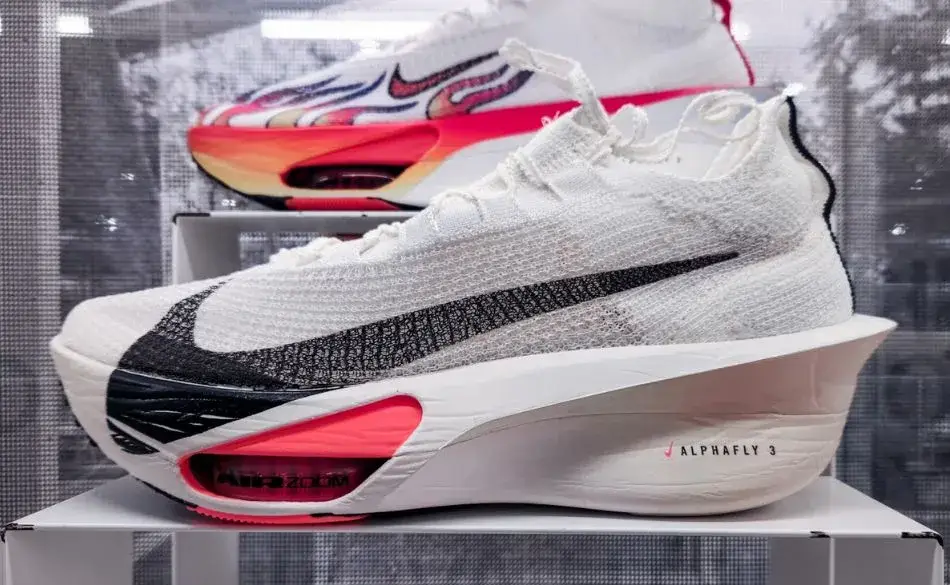
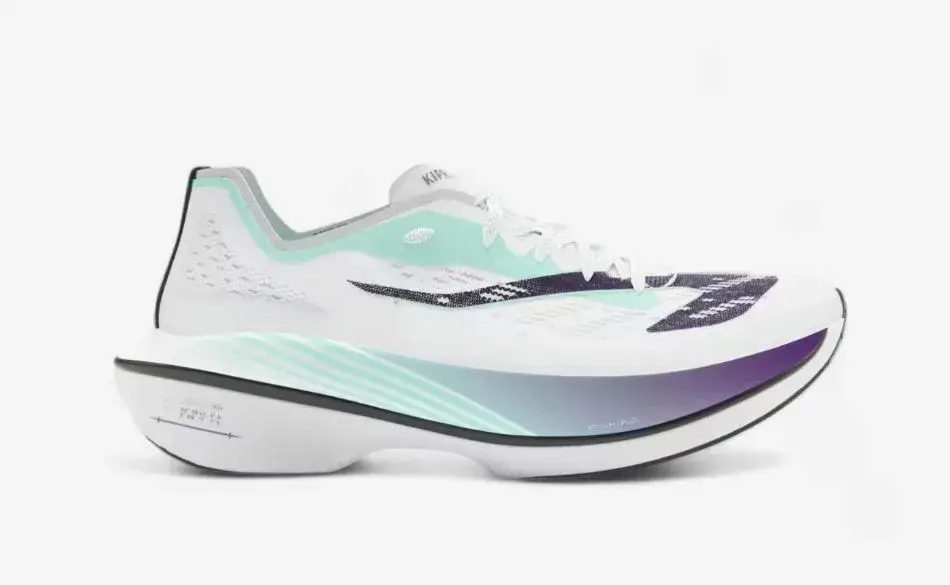
Carbon plate running shoe with thick midsole and curved forefoot designed for marathon efficiency

Last updated:

How Carbon Plate Technology Works and Why Marathon Times Changed

Carbon plate technology in running shoes did not appear overnight, but its widespread adoption closely aligned with a sharp drop in marathon times. In simple terms, these shoes improved running efficiency, allowing athletes to use slightly less energy at a given pace. Over 42.2 kilometres, that small change produced outsized effects.


The shift matters because carbon plate shoes combine several design elements, not just a stiff plate, working together as a system. Understanding how that system functions helps you judge whether the technology is relevant to your own running, even if you never plan to race in so-called super shoes. It also provides important context for later debates around regulation, which are covered in more detail in Running Shoes Banned from Marathons.

Chat with a SportCoaching coach

Not sure where to start with training?

Tell us your goal and schedule, and we’ll give you clear direction.

No obligation. Quick, practical advice.

Article Categories:

Explore our running fitness resources for more helpful articles and resources.

Quick Answer

Carbon plate technology changed marathon running by improving running efficiency, not by replacing training or effort. By reducing energy loss at each step, these shoes helped some athletes sustain pace for longer, especially over 42.2 kilometres. The benefit was greatest for well-prepared runners with stable technique, while others saw smaller or inconsistent gains. Training quality, pacing, and durability still matter more than footwear choice alone.

What Is Carbon Plate Technology in Running Shoes

Carbon plate technology refers to a thin, stiff plate embedded within the midsole of a running shoe. The plate usually sits between layers of foam and runs from the heel towards the forefoot. Its role is not to cushion impact, but to influence how the shoe bends and transfers force as you move through each step. This distinction is important, because it frames the plate as a mechanical element rather than a source of comfort or protection.

Not all plates function in the same way. True carbon plates are far stiffer than the plastic or nylon shanks that have existed in running shoes for decades. Those earlier elements were mainly used for stability or protection, particularly over uneven surfaces. Carbon plates, by contrast, are designed to control bending at specific points in the stride, which is where their performance relevance begins to emerge.

On their own, however, carbon plates do very little. They are almost always paired with modern, lightweight foams that compress and rebound more than traditional midsoles. The foam provides cushioning and energy return, while the plate influences how that foam deforms under load and how force is directed through the shoe. In simple terms, the foam supplies the response, and the plate helps manage it.

This interaction explains why it is misleading to describe carbon plate shoes as fast because of the plate alone. Without the surrounding foam system, a plate would mostly feel harsh and restrictive. The performance effect comes from the combined influence of stiffness, foam behaviour, and overall shoe geometry. That combination is the technology, rather than any single component acting in isolation.

How Carbon Plates Interact With Running Mechanics

Carbon plates influence running mechanics by altering how the foot and ankle move during stance and toe-off. By increasing stiffness through the forefoot, the shoe bends less at the metatarsophalangeal joints, which limits how much energy is lost as the toes extend under load. This also reduces deformation at the front of the shoe during push-off, forming the mechanical foundation of how carbon plate systems affect running efficiency.

Stiffness alone, however, does not explain the full effect. Most carbon plate shoes use a curved plate shape that works with the surrounding foam to guide the foot forward as body weight moves over the shoe. This curvature alters both the timing of toe-off and the direction of force application. In practice, it encourages a smoother forward roll through the stride rather than a prolonged push through the toes, which can subtly reduce muscular demand late in stance.

The benefit of this interaction varies widely between runners. Pace plays an important role, because higher speeds place greater forces through the shoe and allow the plate and foam to function closer to their intended range. Stride pattern matters as well, with runners who have shorter ground contact times often responding differently from those who load the shoe more gradually. Body mass contributes too, since heavier runners compress the foam more, changing how the plate interacts with the midsole.

Taken together, this helps explain why responses to carbon plate shoes are inconsistent. The plates do not impose a single running style or force a uniform movement pattern. Instead, they alter the mechanical environment under the foot, and how useful that alteration is depends on how each runner moves, loads the shoe, and applies force throughout the stride.

Why Carbon Plate Shoes Improved Marathon Performance

Carbon plate shoes improved marathon performance primarily by improving running economy, allowing athletes to maintain the same pace while using slightly less energy. Over short distances, that difference can feel subtle and easy to overlook. Across a full marathon, however, small efficiency gains accumulate steadily, and conserving energy becomes far more important than producing short bursts of speed.

Those gains matter because fatigue develops progressively rather than appearing all at once. Small reductions in energy cost early in the race help preserve muscle function later on, which makes it easier to maintain form as the kilometres pass. Taking advantage of that efficiency still depends on having the underlying endurance in place, which is why understanding how long it takes to train for a marathon remains far more important than shoe choice alone.

Elite marathoners were particularly well positioned to benefit from this effect. They race at speeds that place high and consistent loads through the shoe, allowing the plate and foam system to operate closer to its intended range. Their movement patterns are also highly repeatable, which means any mechanical assistance is applied consistently over tens of thousands of steps. For shorter-distance runners or less experienced athletes, those same loading conditions are harder to reproduce, which limits the overall impact.

Even so, performance improvements were not uniform across all athletes. Some runners experienced clear gains, while others saw little difference. This highlights an important distinction. Carbon plate shoes amplified existing fitness, durability, and efficiency rather than replacing them. Training quality, pacing decisions, and preparation continued to define performance limits, with the shoes simply helping some athletes operate closer to those limits for longer periods of time.

Why the Technology Changed Elite Marathon Racing

Carbon plate technology did more than improve individual performances. Its widespread adoption changed the competitive landscape of elite marathon racing. Average finishing times fell, and the gaps between leading athletes narrowed, which made race outcomes less predictable and increased the importance of small tactical decisions. The impact was not limited to faster times, but extended to how races unfolded from start to finish.

As running economy improved, more aggressive pacing strategies became viable. Athletes could commit to faster early splits with less immediate physiological cost, trusting that fatigue would accumulate more slowly than before. Over time, this altered race dynamics by influencing when moves were made and how risks were managed, rather than simply how fast the marathon was completed.

The technology also prompted broader discussions around fairness within elite competition. When performance gains are influenced by equipment rather than physiology alone, questions naturally arise. Access to the latest designs, differences between shoe models, and the role of regulation became central topics, as equipment choice began to play a more visible role in performance outcomes.

Importantly, these debates were not just about athletes running faster. They reflected concern that equipment differences could influence results more than fitness or preparation alone. When shoes affect performance in measurable ways, it becomes harder to compare athletes using different models, or to place current performances alongside results from earlier eras. Carbon plate shoes made these issues more visible at the elite level, which is why discussions around regulation followed, even though the rules themselves are not the focus here.

What Carbon Plate Technology Means for Everyday Runners

For most everyday runners, the benefits of carbon plate technology are smaller and less consistent than they are for elite athletes. Recreational marathoners typically run at lower speeds and with more variation in form, which reduces how effectively the plate and foam system can operate. As a result, the efficiency gains seen at the elite level do not always translate in the same way for the broader running population.

Injury risk and adaptation also matter more than marginal speed gains. Carbon plate shoes are stiffer and can place greater load on the calves and Achilles tendon, particularly during faster running or prolonged efforts. Without gradual adaptation, this increased loading can contribute to soreness or overuse issues. A shoe that feels fast during a short session may be harder to tolerate over weeks or months of regular training, which makes long-term context important.

For this reason, carbon plate shoes are not necessary for most marathon goals. Finishing comfortably, running a personal best, or maintaining even pacing can all be achieved in well-designed non-plated shoes. Consistent training, appropriate volume, and sensible pacing, supported by  structured running training plans, produce far larger and more reliable improvements than footwear choice alone, especially for runners still building durability.

There are still situations where plated shoes make sense for everyday runners. Some athletes use them selectively for racing or specific sessions, treating them as a tool rather than a default option. This approach tends to work best when shoe choice supports an existing training and pacing strategy, rather than attempting to replace one.

Carbon Plates vs Training Adaptation

Carbon plate technology can support performance, but it does not replace the adaptations that come from training. Improvements in aerobic capacity, muscular endurance, and fatigue resistance have a far greater impact on long-term performance than any equipment change. This principle remains true regardless of shoe design, and it provides an important reference point when evaluating new technology.

Training adaptations determine how your body produces and sustains force over time. Shoes can influence how efficiently that force is used, but only within the limits set by fitness and preparation. A plated shoe may reduce some energy loss at each step, yet it cannot compensate for insufficient endurance, poor pacing decisions, or a lack of durability developed through training. Executing a race well still depends on fundamentals such as marathon run pace, which footwear alone cannot solve.

Shoe choice is most effective when it fits into a broader training system rather than standing alone. Rotating footwear can help distribute load across different tissues, while reserving stiffer shoes for specific sessions or race day can limit excessive stress during everyday training. This approach allows adaptation to occur progressively, without relying on a single piece of equipment to carry the workload. Over time, it supports resilience as well as performance.

Reliance on technology can also mask underlying issues. Faster shoes may hide pacing errors or insufficient conditioning until fatigue becomes unavoidable late in a race, when no equipment advantage can compensate. From a coaching perspective, this is the key concern. Shoes can assist performance, but preparation ultimately determines whether that assistance is meaningful and sustainable rather than short-lived.

What Carbon Plate Technology Changed, and What It Did Not

Carbon plate technology changed marathon running by improving running economy, not by reducing the work required to race well. By altering how the shoe bends and how force is transferred through the midsole, these designs reduced energy loss at each step. Over a marathon distance, those small savings accumulated and helped some athletes sustain pace for longer.

The effect was not universal. Runners with high fitness, stable technique, and the ability to maintain consistent pacing were best positioned to benefit. Others experienced smaller gains or no clear advantage at all. This reinforces an important point. Carbon plate shoes amplified existing preparation rather than replacing it, and they could not compensate for gaps in endurance, durability, or pacing.

Understanding how carbon plate systems work provides useful context for evaluating both performance claims and later regulatory decisions. The technology influenced outcomes, but it did not redefine what makes a successful marathon performance. Training quality, consistency, and execution remain the primary drivers of results, with footwear playing a supporting role rather than a determining one.

Facebook
Twitter
LinkedIn
Telegram
Graeme

Graeme

Head Coach

Graeme has coached more than 750 athletes from 20 countries, from beginners to Olympians in cycling, running, triathlon, mountain biking, boxing, and skiing.

Start Your Fitness Journey with SportCoaching

No matter your goals, SportCoaching offers tailored training plans to suit your needs. Whether you’re preparing for a race, tackling long distances, or simply improving your fitness, our expert coaches provide structured guidance to help you reach your full potential.

  • Custom Training Plans: Designed to match your fitness level and goals.
  • Expert Coaching: Work with experienced coaches who understand endurance training.
  • Performance Monitoring: Track progress and adjust your plan for maximum improvement.
  • Flexible Coaching Options: Online and in-person coaching for all levels of athletes.
Learn More →

Choose Your Next Event

Browse upcoming Australian running, cycling, and triathlon events in one place. Filter by sport, check dates quickly, and plan your training around something real on the calendar.

View Event Calendar