What Is the Half Ironman Swim Distance?
The Half Ironman swim distance is 1.2 miles, or 1.9 kilometers. This makes up the swim leg of the 70.3 triathlon, which includes a 56-mile bike ride and a 13.1-mile run after the swim.
But here’s where it can get tricky. This distance might feel longer depending on conditions. Water temperature, visibility, crowding at the start, and how well you’re navigating (or sighting) all affect your swim experience. Even a bit of current can turn that 1.9km into something that feels like 3!
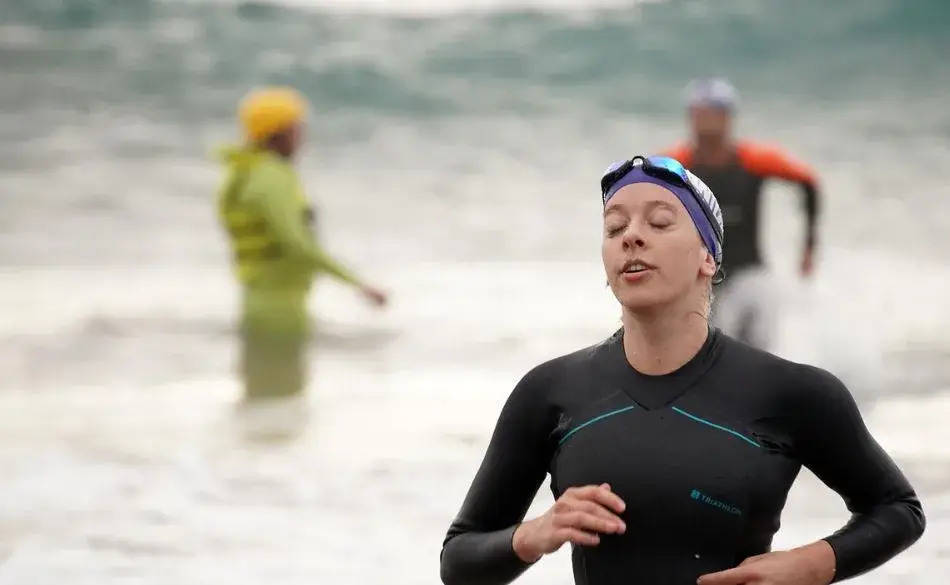
In some races, the swim is in a lake or river, while others might take place in the ocean. Ocean swims often mean waves, saltwater, and potentially choppy conditions. Lake swims tend to be calmer but can still come with surprises like weeds or murky water.
Many beginners underestimate how different this feels from swimming in a pool. In open water, there’s no line to guide you, and pacing yourself without walls takes practice. But once you build comfort, 1.2 miles becomes a distance you can handle with confidence.
Is 1.2 Miles a Lot to Swim?
Swimming 1.2 miles is no joke, especially in open water. But it’s not just about physical strength. The mental side of this challenge is huge. You might face early panic, trouble finding your rhythm, or trouble sighting properly. These are normal struggles and part of the learning curve.
Let’s break it down. For a beginner swimmer, 1.2 miles could take nearly an hour. That’s a long time to stay calm, focused, and consistent. Unlike running or biking, you can’t stop and rest easily in the middle of a lake. That’s why building mental endurance is just as important as physical endurance.
You also burn calories faster in cold water, especially without a wetsuit. And things like swim anxiety can spike your heart rate quickly, using up energy that you need later in the race.
Still, don’t let the distance scare you. Think of it as a puzzle to figure out, not a wall to climb. Every training session chips away at the fear, replacing it with skill and confidence.


How Long Does the Half Ironman Swim Take?
Most athletes finish the Half Ironman swim in 30 to 60 minutes, but this can vary widely depending on experience, conditions, and nerves.
Elite triathletes might clock in at under 25 minutes. But for newer or more cautious swimmers, a 55-minute swim is totally normal and still well within the cutoff.
Weather can add time, too. I once raced in Victoria, and the wind created whitecaps. That added 5–7 minutes to everyone’s times. Open water isn’t controlled like a pool, so even strong swimmers need to stay adaptable.
Your swim time also affects your overall pacing strategy. Go out too hard, and you’ll burn out before the bike. Swim too slow, and you could fall behind the cutoff. The trick is to find a sustainable pace—one that feels strong, but not draining.
Many training plans will have you swim 2,000–2,500 meters per session. That builds a buffer, so 1.9K on race day feels manageable, even if your nerves kick in.
Estimate Your Half Ironman Swim Time Based on Pace
Not sure how long the Half Ironman swim distance will take you? Use this pace calculator to estimate your swim finish time based on your average pace per 100 meters. This helps you plan your race pacing and set realistic goals for your swim leg.
| Pace (per 100m) | Estimated 1.9 km Time | Swim Speed (min/mile) | Level |
|---|---|---|---|
| 1:30 | 28:30 | 24:10 | Advanced |
| 1:45 | 33:15 | 28:09 | Strong Age-Grouper |
| 2:00 | 38:00 | 32:09 | Intermediate |
| 2:15 | 42:45 | 36:09 | Beginner |
| 2:30 | 47:30 | 40:08 | Beginner |
| 2:45 | 52:15 | 44:08 | Entry-Level |
| 3:00 | 57:00 | 48:08 | Cutoff Concern |
Do You Have to Swim Freestyle?
You absolutely don’t have to swim freestyle the entire way, but it helps. Freestyle (also called front crawl) is the most efficient stroke for long-distance swimming. It uses less energy, helps you sight more easily, and lets you glide forward with a rhythm.
That said, I’ve seen plenty of athletes mix in breaststroke, backstroke, and even some brief treading water. For many beginners, breaststroke provides a good backup stroke when they’re tired or need to get their bearings. It’s especially useful if you’re struggling with breath control or visibility.
However, it’s important to train for what you plan to do. If you know you’ll rely on a mix of strokes, practice transitions between them. Make sure you’re comfortable switching without losing momentum or getting disoriented.
And whatever stroke you choose, always focus on staying relaxed. Tight muscles sink. Calm, loose swimmers float and glide better – even at slower speeds.
What’s the Swim Start Like? Is It Scary?
Let’s not sugarcoat it. The swim start can be intense. Between the cold water, mass of bodies, and surge of adrenaline, it’s easy to feel overwhelmed.
In wave starts, you’ll enter with a group of athletes based on age or expected swim time. This spreads swimmers out and reduces chaos. In rolling starts, you file in one by one, which helps calm nerves and eases congestion. If you’re a beginner, wave or rolling starts are your best friend.
Here’s how I handled my first swim start: I hung back, took five deep breaths, and let the rush pass. That decision probably saved my entire race. I found my space, avoided getting kicked in the face, and settled into a rhythm quickly.
It’s also okay to flip onto your back for a moment if you feel panicked. Use the first 100–200 meters to focus on smooth, easy strokes.
If you want to feel more prepared and less overwhelmed, check out this triathlon race day checklist to make sure you’ve got everything ready before your swim.
How Do You Train for the Half Ironman Swim Distance?
Training for the Half Ironman swim is a balance of volume, technique, and comfort in open water. Most athletes swim 2–3 times per week in the months leading up to race day. Some advanced plans even include 4 sessions, especially closer to the event.
You don’t have to swim the full 1.2 miles every session, but your longest workouts should build up to (and slightly beyond) race distance. Try sessions like:
- Endurance swims: 2,000–3,000 meters at steady pace
- Interval sets: 10x200m with short rests to build aerobic power
- Drills: catch-up, fingertip drag, and sculling to improve technique
- Sighting practice: lift your head every 6–10 strokes like you would in open water
Don’t skip open water practice. Start with short swims near the shore, and slowly build confidence in deeper water. Wear your race-day wetsuit often. Get familiar with how it affects your stroke and breathing.
Even one or two open water sessions per month can massively reduce race-day anxiety.

What’s It Like Swimming in Open Water?
Swimming in open water is a completely different experience from the pool. There’s no wall to rest on, no black line to follow, and sometimes, no idea where the next buoy is.
For many, the first few swims feel disorienting. You may veer off course. You might suddenly feel unsure how far you’ve gone. But that’s all part of the learning curve.
Water can also be colder than expected. That affects your breathing and heart rate. Getting used to cold water immersion is crucial. Start with short dips, then extend the time as your tolerance improves.
One thing I love about open water? The quiet. Once you’re in the zone, it’s just the sound of bubbles and the rhythm of your breath. It’s strangely meditative. That calmness is what I try to remember every time I line up for a race.
Should I Wear a Wetsuit?
If your race allows wetsuits and most do – wear one. It offers buoyancy, warmth, and speed advantages.
Wetsuits reduce drag and help you float higher in the water, which means your legs don’t sink. That translates to faster swim times with less effort. For beginners, this extra buoyancy can also boost confidence.
There are two main types:
- Full-sleeve wetsuits offer more warmth and floatation
- Sleeveless wetsuits allow for more shoulder mobility
For a comprehensive comparison of sleeved versus sleeveless triathlon wetsuits, check out this guide: sleeved versus sleeveless triathlon wetsuits.
Make sure you practice in your suit several times before race day. The first time I put one on, it felt tight around the chest. That’s normal, but practicing ahead of time helps prevent panic. Fast transitions can save you precious minutes. Especially when paired with the right tri suits for triathletes underneath your wetsuit.
If the water’s warm enough, the race may be non-wetsuit legal. In that case, you’ll need to be comfortable swimming without the added float.
Check out this guide: triathlon wetsuits in Australia offer both full-sleeve and sleeveless options depending on your needs.
What’s the Cutoff Time for the Swim?
Most Half Ironman swim cutoffs are 1 hour and 10 minutes after your wave starts. Some events also include an overall swim + transition cutoff (usually 1 hour and 20 minutes).
This cutoff is generous enough for most beginners, but it’s still something to train toward. If your average pace is slower than 3:30 per 100 meters, you might be close to the cutoff and should work on technique and pacing.
Time aside, cutoffs exist for safety. Races have limited lifeguards, medical staff, and volunteers. The goal isn’t to penalize slow swimmers. It’s to ensure everyone’s safe and accounted for.
The good news? If you can comfortably swim 2,000 meters in the pool at a steady pace, you’re very likely to finish the swim well within time. And remember, there’s tons of support on the course: rescue boards, kayaks, and lifeguards ready to help if needed.
Frequently Asked Questions
Is the Half Ironman swim hard for beginners?
Can I rest during the swim?
Do I need swim lessons to prepare?
Swim lessons aren’t required, but they can be incredibly helpful. Especially for adults who didn’t grow up swimming. A coach can fix small flaws in your stroke that make a big difference in efficiency. Even a few sessions focused on breathing, body position, and technique can make you feel stronger and safer in the water.
What should I eat before the swim?
How should I train if I’m afraid of open water?
Start with short, easy swims in calm conditions, like a lake on a quiet morning. Swim with a friend or join a triathlon club group session for safety. As your confidence grows, gradually increase the distance. You can even wear a bright swim buoy for visibility and reassurance. Fear fades with exposure and experience.


Ready to Conquer the Half Ironman Swim?
By now, you know that the Half Ironman swim distance – 1.2 miles or 1.9 kilometers, isn’t just about how far you go. It’s about how well you prepare, how calmly you swim, and how confident you feel when your toes touch the start line.
It’s okay to feel nervous. Every triathlete has been there. What matters most is showing up, staying steady, and trusting your training. The swim isn’t something to fear. It’s the beginning of something epic.
You don’t need to be fast. You just need to be ready. Whether you’re doing your first 70.3 or building toward a full Ironman one day, the swim is your launchpad. And once you finish that leg, you’ll already feel like a champion.