What Fitness Base Do You Really Need Before You Start Training?
Before you even begin a triathlon training plan, it helps to know where your current fitness stands. Most new athletes underestimate how much basic conditioning they already have. You don’t need elite numbers or years of endurance training; you just need a consistent fitness base that lets you handle moderate workouts across swim, bike, and run without breaking down.
Think of this stage as building your “engine.” You’re teaching your body to sustain effort rather than chase speed. If you can exercise comfortably for 45–60 minutes, three to four times per week, you already meet the minimal fitness level for triathlon.
Here’s a simple readiness checklist:
- You can swim continuously for 10–15 minutes without stopping
- You can ride your bike for at least 45 minutes at a steady pace
- You can jog for 25–30 minutes without walking
- You recover well within 24–36 hours after moderate workouts
If you tick most of these boxes, you’re ready to start a structured beginner plan. The focus in early training is improving endurance, not intensity. High effort too soon leads to fatigue and injury, the exact opposite of what you want.
To put it simply, triathlon fitness is about consistency. Even if you’re not fast, showing up 4–5 days per week builds the readiness for your first triathlon faster than any heroic weekend workout. So before stressing about pace or heart rate zones, master the habit of regular training. That steady rhythm is what transforms “unfit” into “ready.”
Check out the Sprint Distance Triathlon Plan from SportCoaching. This targeted plan is perfect if you’re asking, “how fit do you have to be to do a triathlon?” and want actionable steps to get there.
You’ll receive a structured 8–12 week program built around your current fitness level and schedule. With focused swim-bike-run sessions and smart progression, you’ll build confidence and cross your first finish line stronger than you imagined.
Explore the Sprint PlanHow Fit Should You Be for Different Triathlon Distances?
Here’s the thing about triathlon readiness: your target distance sets the bar. Your goal is not elite speed. Your goal is a steady triathlon fitness level that matches the event. If you are asking how fit do you have to be to do a triathlon, start by matching your current base to the distance that fits your life, not the other way around.
Think of each race like a road trip. A sprint is a day drive. An Ironman is a cross-country haul. The longer the trip, the more fuel and planning you need. If your base meets the benchmarks below and you can train most weeks without soreness that lingers, you likely have the fitness level to complete a triathlon at that distance.
👉 Swipe to view triathlon distance fitness comparisons
| Race Distance | Typical Cutoff | Starting Benchmarks | Weekly Hours to Start | Beginner Prep Window |
|---|---|---|---|---|
| Sprint | 2–3 hrs | Swim 500 m continuous; Bike 20 km steady ≤ 75 min; Run 5 km ≤ 40–45 min | 4–6 | 8–12 weeks |
| Olympic | 3–4.5 hrs | Swim 1,000 m continuous; Bike 40 km ≤ 2–2.5 hrs; Run 10 km ≤ 80–90 min | 6–9 | 12–16 weeks |
| Half (70.3) | 8–8.5 hrs | Swim 1,900 m with short stops; Bike 90 km ≤ 4–5 hrs; Run 21 km ≤ 2.5–3 hrs | 8–12 | 16–24 weeks |
| Full Ironman | 16–17 hrs | Swim 2,500–3,000 m steady; Bike 100–120 km long ride; Run 25–30 km easy with walk breaks | 10–14 | 24–30 weeks |
These are not race targets. They are beginner triathlon fitness requirements to start a sensible build. If you are below them, choose the shorter distance now and level up later. That is how you protect your body and your motivation.
Ask yourself two simple questions. Can you train four or more days most weeks without feeling drained the next morning? Can you keep your easy pace truly easy? If yes, you likely meet the minimal fitness level for triathlon at your chosen distance, and you are ready for a structured plan.
If you’re starting completely from scratch, our Couch to Triathlon Beginner’s Guide walks you through how to safely build that base fitness step by step.
Balancing Endurance, Strength, and Recovery
One of the biggest misconceptions about triathlon is that you need endless hours of training. In reality, the smartest athletes build triathlon fitness by balancing endurance, strength, and recovery. Your body improves when stress and rest work together. Not when you’re constantly exhausted.
Let’s be honest, endurance is your base currency. Without it, even a short sprint triathlon feels like a grind. But it’s your recovery and strength work that protect your body and make endurance sustainable. Here’s how to approach each part strategically.
Building a Balanced Foundation
- Endurance: Spend 70–80% of your weekly training at an easy conversational pace. This builds aerobic efficiency and improves fat metabolism.
- Strength: Add 2 short sessions per week focused on mobility, stability, and full-body resistance training. Movements like squats, planks, and lunges are key for power transfer and injury prevention.
- Recovery: Prioritize 1–2 rest or active recovery days weekly. Easy spins, yoga, or walks help restore glycogen and reduce inflammation.
- Consistency: It’s better to train five moderate days than cram three brutal sessions into one weekend. The body values rhythm over heroics.
When coaching athletes new to the sport, I’ve seen the biggest breakthroughs come from small improvements in structure. For instance, one client who constantly overtrained finally made gains when we dropped his workload by 15% and added a rest day. Within eight weeks, his triathlon training readiness soared because his recovery finally matched his effort.
So if you want to feel strong, not shattered, focus on sustainable progress. Triathlon success isn’t just about suffering through the training.
Explore the Other Triathlon Training Plans at SportCoaching. Whether you’re preparing for a sprint, Olympic, or a less typical distance, each plan is crafted to match your current fitness level and goals.
You’ll receive a custom-built plan based on a one-hour consultation. Your training hours, zones, and blocks are uniquely tailored so you train smarter and finish stronger — not just harder.
View Training PlansThe Mental Fitness You Need for Triathlon
Physical preparation gets all the attention, but mental fitness is what gets you to the finish line. Triathlon demands patience, problem-solving, and grit. When fatigue hits and your legs burn halfway through the run, your mindset decides whether you push forward or fade. Building that resilience is just as important as improving your triathlon fitness level.
Think of mental fitness as your invisible endurance. You train it by facing discomfort regularly (in workouts, early mornings, or cold swims). Each small challenge teaches your brain to stay calm when things get tough. Over time, those moments build confidence that carries you through race day.
Simple ways to train your mental game:
- Visualize success: Spend a few minutes before workouts picturing how you’ll feel crossing the finish line. This reinforces purpose and focus.
- Embrace small wins: Celebrate when you finish a tough session or nail a nutrition plan. Momentum builds motivation.
- Practice calm transitions: When switching from bike to run, focus on smooth breathing and rhythm. Mental control equals physical control.
- Stay flexible: Training setbacks happen. A missed session or bad weather day doesn’t erase progress. Adapt and move on.
Every successful triathlete I’ve coached has one thing in common: they don’t panic under pressure. They’ve trained both their bodies and their minds to respond, not react. If you can stay composed when your goggles leak, your heart rate spikes, or fatigue sets in, you already have the mindset of a finisher.
So, when you wonder how fit you have to be to do a triathlon, remember that part of that fitness lives in your head. The stronger your mind, the smoother your body performs.
Ready to dial in your swim breathing, body position and rhythm? Check out our How To Breathe When Swimming: Beginner Triathletes guide for simple drills and tips to make your swim feel smoother and less mentally draining.
The Gear and Preparation That Make Triathlon Training Easier
Getting fit for a triathlon isn’t just about your workouts, it’s also about having the right tools to train safely and confidently. The good news is, you don’t need to spend thousands of dollars. With a few smart gear choices, you can make your sessions smoother, more efficient, and even more enjoyable while building your triathlon fitness level.
Before you dive into training, take stock of what you already have. Many beginners complete their first sprint triathlon with basic equipment and a few thoughtful upgrades. The goal is comfort and reliability, not the flashiest setup on the course.
Essential gear for beginner triathletes:
- Swim: A well-fitting pair of goggles and a comfortable swimsuit or tri-suit. For open water, consider a wetsuit for buoyancy and warmth.
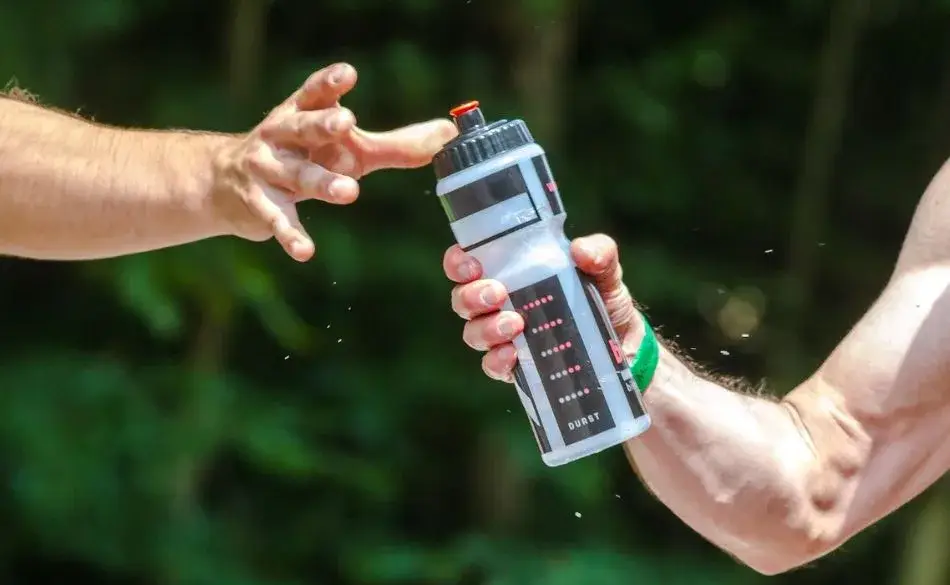
- Bike: A road bike or hybrid in good condition is plenty. Make sure it’s properly fitted and serviced. Add a helmet, flat kit, and water bottle cage. Not sure which bike to choose for your first event? Read our What Is the Best Triathlon Bike for a Beginner? guide for smart insights and real-world beginner-friendly bike options.
- Run: Invest in running shoes suited to your gait. Visit a specialty store for fitting. This helps prevent blisters and injuries.
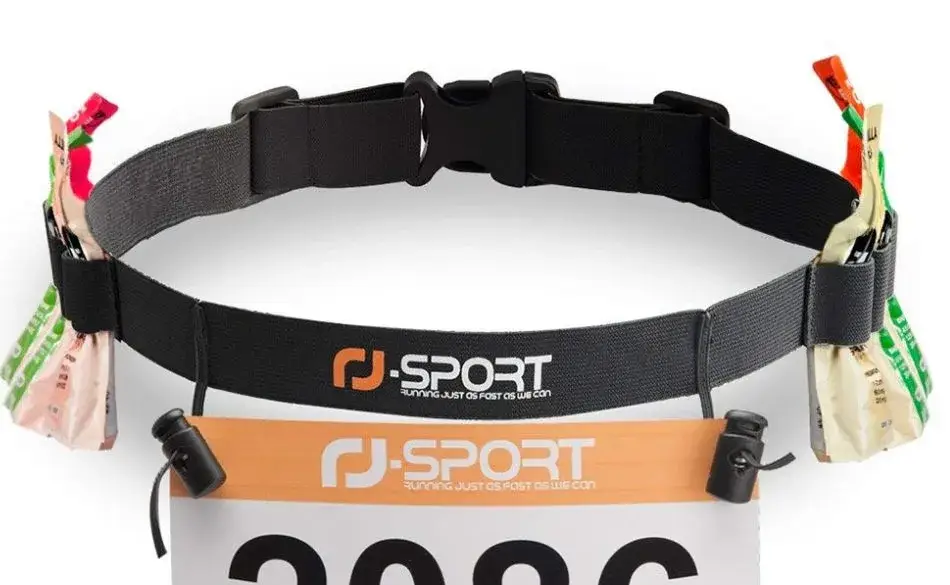
- Transition setup: A simple towel, race belt, and small bag for your gear make transitions faster and less stressful.
Training with the gear you’ll race in helps your body adapt to real conditions. Even something small, like practicing mount and dismount drills with your bike or running right after cycling, makes a huge difference in triathlon training readiness.
Over time, you’ll discover what works best for you. The right setup helps you focus on performance, not discomfort, so your energy goes toward finishing strong, not fighting your gear.
Want a quick, practical checklist of what to do in the last weeks before race day? Read our First Triathlon Tips You Should Know to avoid common mistakes and feel calm and ready on the start line.
As an Amazon Associate, SportCoaching earns from qualifying purchases.
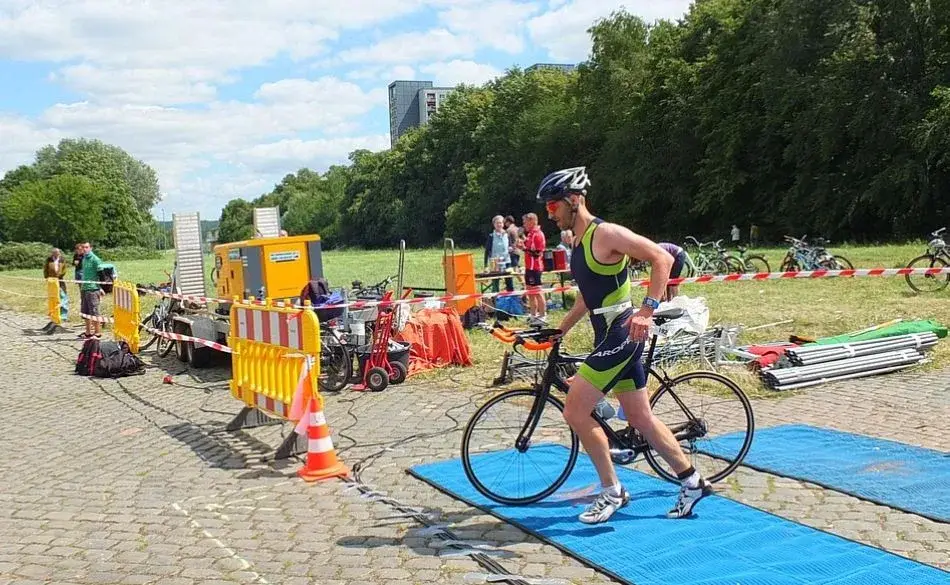
If you’re thinking about your first triathlon but not sure where to start, personalized Triathlon Coaching from SportCoaching can help. Your plan is tailored to your current fitness level and race goals, so you can build confidence and endurance the right way — without overtraining or burnout.
You’ll receive structured training blocks, detailed feedback, and support from experienced coaches who understand real-world athletes. Whether you’re preparing for a sprint or dreaming of an Ironman, we’ll help you reach the start line ready and the finish line proud.
Get Your Personalized PlanHow SportCoaching Australia Can Help You Get Triathlon-Ready
Starting triathlon training can feel intimidating, but you don’t have to do it alone. SportCoaching Australia provides tailored support designed to help athletes of every level become fit, confident, and race-ready.
- Personalized Training Plans: Each program is built around your current fitness level, goals, and available training hours, ensuring realistic progress and measurable results.
- Structured Workouts: You’ll follow science-backed swim, bike, and run sessions that gradually improve endurance, pacing, and recovery. Without unnecessary volume.
- Ongoing Feedback: Your coach reviews data, adjusts workouts, and provides continuous communication so you’re always on track toward your goal.
- Injury Prevention and Recovery: Every plan includes mobility, strength, and rest strategies to keep you healthy while increasing your triathlon fitness level.
- Support for All Distances: From sprint triathlon to Ironman triathlon, you’ll receive the guidance you need to train smarter and finish stronger.
Working with SportCoaching means more than just getting a plan, it means having a partner in your journey. You’ll learn how to train efficiently, fuel properly, and approach each session with confidence and purpose.
Explore all available coaching options at SportCoaching Australia and start building the fitness and mindset you need to conquer your first triathlon.
So, How Fit Do You Really Need to Be?
By now, you’ve probably realized that triathlon fitness isn’t about being superhuman, it’s about being prepared. You don’t need elite genetics or endless hours each week. You just need consistency, patience, and a willingness to train smart. Whether your goal is finishing a sprint triathlon or preparing for an Ironman triathlon, the journey is far more personal than most people think.
If you can swim, bike, and run comfortably at low intensity and recover well, you already have what it takes to start. Over time, structured training builds the rest. Remember, your first race isn’t about perfection; it’s about experience. The only fitness requirement that truly matters is the commitment to show up and do the work.
As I tell my athletes: it’s not about how fast you start, it’s about how strong you finish. Every lap, pedal stroke, and stride builds not just endurance, but confidence. If you can stay consistent, you’ll cross that finish line stronger (and prouder) than you ever imagined.
So, lace up, take a deep breath, and begin. You don’t have to be perfectly fit to start a triathlon; you just have to start to become fit enough for one.