Why Training Every Day Isn’t Required for Triathlon Progress
Many new triathletes think they need to train every single day to make progress. It’s easy to assume more sessions mean faster improvement, but the body doesn’t work that way. Real gains come from the balance between stress and recovery. When you train, you create small amounts of fatigue. When you rest, your muscles repair, your energy systems adapt, and your endurance improves. That’s why most research-backed plans focus on consistent training, not constant training.
A common question beginners ask is how many days a week to train for triathlon, and the answer usually depends on your schedule, fitness level, and goals. Most athletes thrive on four to six sessions per week. That number gives you enough swim, bike, and run exposure without slipping into exhaustion. You don’t need to work out daily to move forward.
Here’s the thing. Even advanced athletes understand that skipping rest leads to poor results. If you train every day without allowing time to recover, you increase the chance of injury or burnout. That’s why experts emphasize balanced plans and why many coaches highlight triathlon training for busy athletes as a smarter, more sustainable model. You don’t need to hit every discipline every week. You only need consistent practice across all three sports over time.
Daily training becomes especially challenging when you’re juggling work, family, and life. A triathlon training schedule for beginners should match your lifestyle, not compete with it. When your plan fits your life, sticking with it becomes much easier. You’ll stay motivated and enjoy your training instead of feeling trapped by it.
To help you visualize how this balance works, here’s a simple look at what typically makes up a sustainable triathlon week:
- Swim sessions focused on technique
- Bike workouts that build steady power
- Runs that improve endurance and rhythm
- One or two dedicated rest or mobility days
- Flexible days for swapping workouts when life gets busy
If you’d like help choosing the right number of training days, staying consistent, and avoiding burnout, the Triathlon Coaching Program at SportCoaching gives you a structure that works around real life—so training feels manageable instead of overwhelming.
You’ll get weekly guidance, simple planning, and support tailored to your goals and schedule.
Explore Coaching Options
How Many Days a Week Should You Really Train?
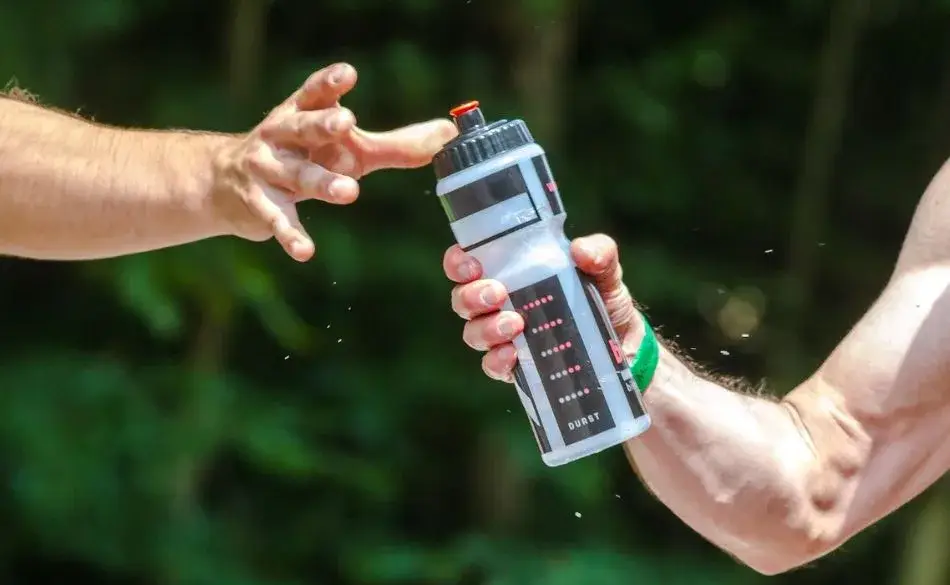
When you ask yourself how many days a week to train for triathlon, you’re really asking two things. How much training do you need to finish strong, and how much can your life actually handle? The sweet spot usually sits between three and six training days per week, depending on your goals and background.
If your main goal is simply to finish, three to four focused days can be enough. You don’t need to live like a full-time athlete. You need a clear plan that builds your fitness step by step. That’s why so many new athletes are surprised when they realise you absolutely can you finish a triathlon without daily training if your sessions are well designed.
If you’re chasing a personal best, you’ll likely train five or six days most weeks. That doesn’t mean all-out effort every day. Some days are short and easy. Some focus on skill, like relaxed drills in the pool. Others are about steady endurance rather than speed. The mix matters more than the number.
You might be wondering, is it okay to skip a triathlon workout when life blows up. The honest answer is yes. Missing one planned session is not a big deal. What matters is the pattern over months, not one forgettable Tuesday. When you give yourself this mental space, it becomes much easier to stay consistent.
Here’s a simple way to think about weekly frequency:
- Three days per week works for first-time sprint triathletes.
- Four to five days suit most Olympic-distance beginners.
- Five to six days suit athletes chasing faster times or stepping up in distance.
The key is choosing a number of training days that you can repeat for many weeks in a row. When your plan feels realistic, you’re far more likely to follow it, enjoy it, and show up on the start line feeling confident instead of exhausted.
If you’re unsure whether three or five sessions a week are enough, you can also consider total volume over time rather than just days. Take a look at this guide on how many hours triathletes should train for help deciding what fits your lifestyle.


Why Rest Days Matter More Than Most Triathletes Realise
One of the biggest surprises for new athletes is learning just how important rest is in a triathlon plan. You might think skipping a day puts you behind, but the opposite is usually true. Rest is where your body absorbs the work you’ve done. It’s where your muscles rebuild, your endurance systems strengthen, and your mind resets. When you start training without enough recovery, fatigue builds up faster than fitness does. That’s when small problems turn into big setbacks.
A lot of beginners worry that taking time off will slow them down. But when you look at triathlon recovery strategies for beginners, almost every expert recommends one or two rest days each week. These days aren’t a sign of weakness. They’re part of the program. When you train hard every single day, you risk pushing yourself into a state where sessions feel harder even when they shouldn’t.
There’s another layer to this. Many athletes don’t recognize the signs of overtraining in triathlon until they’re already struggling. This might include poor sleep, increased irritability, slower paces, or an overall feeling of heaviness. If you’ve ever tried to push through a tough week only to feel worse the next day, you’ve likely brushed against this line. You don’t need to be a pro to spot the warning signs. You just need to slow down long enough to listen to your body.
One of my coaching clients, Sam, learned this the hard way. He used to believe that more sessions meant better results. After a few months of nonstop training, his performance dropped. He felt tired all the time and couldn’t hit his usual cycling power. When we added two rest days each week and reduced the intensity, his speed came back within a month. Sometimes the smartest move is stepping back, not pushing harder.
Here are simple rest-day options that support better training:
- Light stretching or yoga
- Easy walking for circulation
- Short mobility routines
- A complete day off when you feel worn down
If you want a clear weekly structure that shows exactly how many days to train — without feeling overloaded — the Half-Ironman Training Plans from SportCoaching give you a realistic roadmap from early base work to race day, built to fit alongside everyday life.
You’ll get a balanced mix of swim, bike, and run sessions, smart recovery days, and weekly guidance that helps you stay consistent without burning out.
View Training Plans
Comparing Different Weekly Triathlon Training Setups
When you’re trying to decide how many rest days in triathlon training you actually need, it helps to see different weekly patterns side by side. Some athletes prefer a minimalist triathlon training plan with fewer, focused sessions. Others like a more traditional setup with five or six training days and shorter rests. Neither is right or wrong. The best choice is the one you can repeat week after week without breaking down.
Think about your life right now. Do you feel like you’re always rushing, or do you have room for more structure? If you’re juggling work, family, and stress, a lower-frequency plan with time-efficient triathlon workouts might make more sense. You still touch all three sports, but you protect your energy and your headspace.
On the other hand, if you enjoy being active most days, a standard setup with five or six sessions can work well. You’ll spread the load between swim, bike, and run and use easy days as “moving recovery” instead of full rest. Many age-group athletes follow this model and still keep one complete day off each week.
The question isn’t “do triathletes take rest days” but rather how those days are placed into the week. A smart plan uses rest to hold everything together, not as an afterthought when you’re already exhausted.
Here’s a simple comparison to help you see how two common weekly structures might look in real life:
👉 Swipe to view full table
| Category | Minimalist Triathlon Plan 3–4 Days | Standard Triathlon Plan 5–6 Days |
|---|---|---|
| Overall Weekly Structure | One swim, one bike, one run, plus one optional brick or extra endurance session. | Two swims, two to three rides, two runs with more varied intensity across the week. |
| Swim Focus | Single technique-focused swim with drills and easy aerobic work. | One technique session and one longer aerobic or pace-focused swim. |
| Bike Focus | One key ride using time-efficient intervals to build strength and stamina. | One interval session plus one longer steady ride for endurance. |
| Run Focus | One steady endurance run, sometimes swapped for a short brick off the bike. | One endurance run plus one shorter run with light tempo or strides. |
| Rest and Recovery | Two to three full rest or active recovery days built in each week. | One to two full rest days, with some easy sessions used as “moving recovery.” |
| Best For | Busy beginners, older athletes, or anyone needing extra recovery. | Athletes with solid base fitness aiming for faster race times. |
| Example Weekly Layout | Mon rest, Tue bike, Wed rest, Thu swim, Fri rest, Sat run, Sun optional brick. | Mon swim, Tue bike, Wed run, Thu swim, Fri easy bike or rest, Sat long ride, Sun long run. |
Busy athletes often need simple structures that fit into limited windows of time. If you want practical ways to build a strong week without long sessions, this guide to training for a triathlon when you’re short on time offers helpful strategies.


How Training Intensity Shapes Your Weekly Frequency
When you’re deciding how many days a week to train for triathlon, intensity plays a much bigger role than most people realise. Training frequency isn’t just about time. It’s about how your body handles the work you’re giving it. If your sessions are intense, you’ll need more recovery. If they’re steady and controlled, you can often handle more sessions without feeling drained.
High-intensity training, like interval bike workouts or fast run sessions, creates deeper fatigue in your muscles and nervous system. This type of training builds speed and power, but it also demands more recovery. That’s why athletes following time-efficient or low-volume training plans often use intensity sparingly. They train fewer days, but each session has a clear purpose.
On the other hand, if most of your sessions are easy or aerobic, you may be able to train more frequently. These sessions build endurance without overloading your system. Many minimalist triathlon training plan setups mix one intense session with several easier ones, so you can stay consistent without burning out.
Your weekly frequency should match the overall stress of your plan. When intensity goes up, frequency usually goes down. When intensity is lower, you can increase volume or add one more session without risk. This balance helps you avoid the signs of overtraining in triathlon, like heavy legs, slower paces, or low motivation.
A simple way to balance intensity and frequency is to use a structure like this:
- One key high-intensity session for either run or bike
- One moderate swim or bike with steady pacing
- One longer, low-intensity endurance session
- Optional skills or easy recovery sessions
- A full rest day to reset your system
You don’t need to guess the right mix. Listen to your energy levels and track how your body responds. When you get the balance right, you’ll train more effectively with fewer setbacks, and your weekly plan will feel more natural and sustainable.


How to Know If You’re Training Too Much or Not Enough
One of the hardest parts of triathlon training is knowing whether you’re doing the right amount. You might worry you’re not training enough. Other times you might feel tired and start to wonder if you’re pushing too hard. The good news is your body gives you clear signals if you pay attention. You don’t need fancy tools to spot them, just honest self-checks.
If you’re training too much, the first signs often show up in your energy and mood. Workouts that used to feel smooth suddenly feel heavy. Paces or power numbers drop even though your effort feels higher. Sleep becomes restless or broken. You wake up already tired. These are classic signs of overtraining in triathlon, even at the beginner level.
You might also notice more little aches or nagging pains. Sessions that should feel easy start to feel like a grind. If this continues for more than a week, it’s a strong clue your current triathlon training week structure is too demanding. To better understand how training stress and adaptation work together, this guide to overload in fitness explains the process in simple terms. In that case, cutting back one session or lowering intensity for a few days can help you reset without losing fitness.
On the other side, how do you know if you’re not training enough? If every session feels easy, your heart rate never really rises, and you rarely feel challenged, you may not be giving your body a strong enough signal to adapt. You might also notice that your race performances stay the same over many months, even though you’re training regularly.
Here are simple questions you can use to check your training load:
- Do you feel mostly ready to train when you wake up?
- Are your easy days truly easy, or always a bit hard?
- Do harder sessions feel tough but manageable, not impossible?
- Are you progressing slowly over time in distance, pace, or power?
If most answers are yes, you’re likely in a good place. If not, you may need to adjust your training up or down. The goal isn’t to train as much as possible. It’s to find the smallest amount of training that still moves you forward consistently.
If you want a weekly layout that balances long endurance work with realistic recovery days, the Ironman Triathlon Training Plans from SportCoaching give you a structured, easy-to-follow roadmap that fits around real life — whether you're aiming to finish strong or chase a new personal best.
Each plan includes clear weekly frequency guidance, balanced sessions across swim, bike, and run, and planned recovery so you stay consistent without burning out.
Explore Ironman Plans

So Do You Really Need to Train Every Day for a Triathlon
In the end, the big question is simple. Do you actually need to train every single day to be ready for race day? Based on coaching experience and current research, the answer is no. You don’t need daily workouts. You need the right mix of training and rest that fits your body and your life. That’s what creates a strong, sustainable triathlon training week structure, not endless sessions that leave you worn out.
Let’s be honest. Training every day can sound impressive, but it often hides poor planning. A smart plan might look “lighter” on paper, yet deliver better results because the work is specific and your recovery is protected. That’s the idea behind modern time-efficient triathlon workouts and low-volume approaches. Many athletes are getting faster on fewer, smarter sessions by focusing on quality, not bragging rights. If you want a deeper look at how balancing hard and easy sessions actually works in real training, this 80/20 Triathlon Training Method guide explains the structure in simple terms.
You might still wonder, do triathletes take rest days even at a high level. The answer is yes. Almost every serious triathlete builds in lower-intensity days or full rest. They’re not being soft. They’re playing the long game. You can do the same, whether your goal is to finish your first sprint or nail a personal best at your next Olympic-distance event.
Ask yourself a few honest questions. Could you keep your current training load going for six more months? Do you wake up feeling mostly ready to train, or already tired? Does your plan feel like it supports your life, or does it constantly clash with it? The way you answer these tells you more than any “perfect” plan you find online.
Here’s the real takeaway. You don’t earn your triathlon finish by cramming in as many sessions as possible. You earn it by showing up often enough, with enough intent, that the training builds layer by layer. When you respect rest, choose the right number of training days, and listen to your body, you’ll arrive on the start line feeling prepared, calm, and proud of the way you got there.