As an Amazon Associate, SportCoaching earns from qualifying purchases.



As an Amazon Associate, SportCoaching earns from qualifying purchases.
 Coach Graeme
Last updated:
Not sure where to start with training?
Tell us your goal and schedule, and we’ll give you clear direction.
No obligation. Quick, practical advice.
Explore our running training articles for more helpful articles and resources.
I still remember the first time I swapped my usual trainers for a pair of racing flats. The difference was night and day. I felt faster, almost springy. But on longer runs, those same shoes punished my calves and left my feet sore. That moment sparked my obsession with weight, cushioning, and the science behind running shoes.
This guide is for you. Whether you’re curious, training for your first 10K, or chasing a new marathon PR. We’ll explore the real numbers behind running shoe weight, why they vary, how materials and design come into play, and which style might suit your goals best.
The average running shoe weight falls between 7 and 11 ounces (200–310 grams) per shoe for a men’s US size 9. Women’s running shoes tend to be slightly lighter due to smaller sizes and narrower builds.
Here’s a quick comparison chart by category:
| Shoe Type | Weight (US Men’s 9) | Typical Use | Pros | Cons |
|---|---|---|---|---|
| Lightweight Running Shoes | 5–7 oz (140–200g) | Short races, speed work | Fast, responsive, minimal bulk | Less cushion, less support |
| Daily Trainers | 8–10 oz (225–285g) | Everyday running | Balanced comfort and support | Heavier than racing models |
| Max-Cushion Shoes | 10–12 oz (280–340g) | Long runs, recovery days | High comfort, joint protection | Bulky feel, slower turnover |
| Marathon Shoes | 6.5–8.5 oz (185–240g) | Race day performance | Light with strategic cushioning | May lack durability for daily use |
| Trail Running Shoes | 9–12 oz (255–340g) | Off-road terrain, mountain trails | Grip, protection, rugged build | Heavier due to tread and support |
As an Amazon Associate, SportCoaching earns from qualifying purchases.
Your shoes are the only part of your gear that you lift over 80 times per minute, every minute. That means extra weight adds up fast.
Lighter shoes generally help increase turnover and reduce fatigue. Especially in shorter races. But here’s the thing: lightweight running shoes often come with trade-offs, like less cushioning or reduced support.
I once ran a 5K in ultra-light minimalist running shoes, and it felt amazing for the first mile. After that, the pounding started to wear on my knees. That’s the balance: weight vs. protection.
Studies show each 100 g (~3.5 oz) added to a shoe increases energy cost by about 1% for runners, A small weight change that really adds up over distance. Check the research insight here: How does running shoe weight affect speed and performance? – Precision Hydration.
The materials used in your shoes play a huge role in both performance and weight. Here’s a breakdown of common running shoe materials:
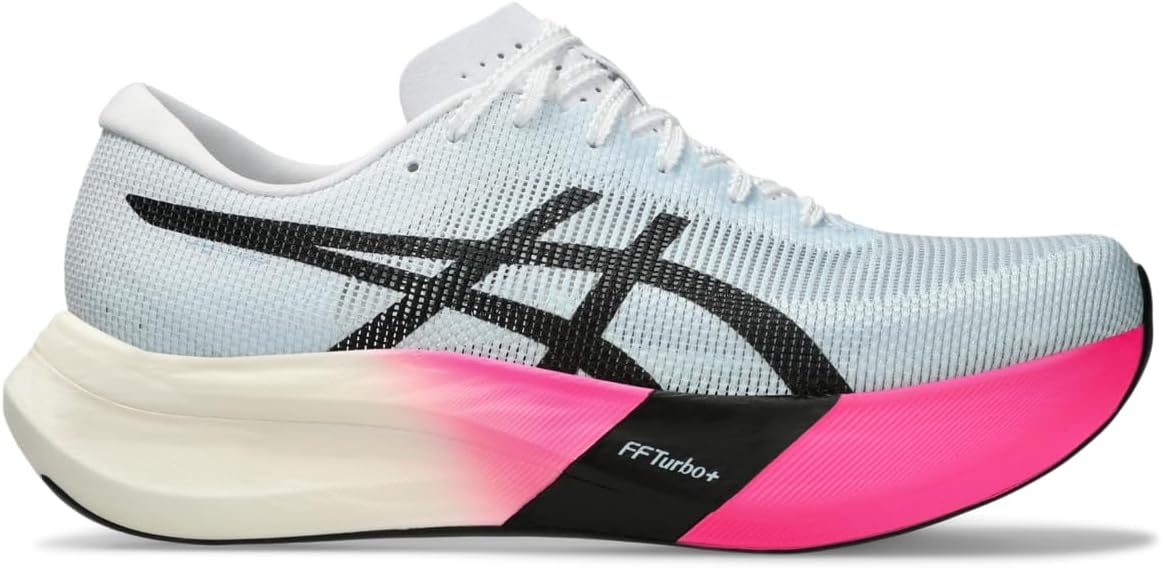
Ever picked up a pair of racing shoes with a carbon plate? They’re stiff, feather-light, and somehow still feel explosive underfoot. That’s the tech at work.
Not always. While lighter shoes reduce energy use per step, that doesn’t guarantee better performance.
Your running style, training background, and foot strike all influence whether a shoe benefits or hurts you. For example, marathon shoe weight needs to balance featherlight design with enough cushion to protect you over 26.2 miles.
Also, consider your goals. If you’re training on rugged terrain, a heavier trail running shoe weight gives you stability, grip, and protection. In this case, speed takes a backseat to control.
If you’re just getting started and working toward your first big goal, your shoe choice matters even more. Comfort and support should be your top priorities over a lightweight shoe. Our Sofa to Marathon plan is a great place to begin your running journey.
There’s no one-size-fits-all rule, but here’s a general guide:
Here’s the thing: going too light too soon can increase injury risk. That’s why it’s important to ease into lighter shoes if you’re used to more cushion.
Shoe stack height refers to how much material sits between your foot and the ground. More stack usually means more cushion and more weight.
Some shoes now pack high stack with lightweight foams, offering comfort without bulk. But these can feel unstable for some runners.
I tried a high-stack carbon-plated racer for a half marathon once. It felt amazing on flats, but sketchy around corners. Every step was like bouncing on a springboard.
So ask yourself: Do you want that plush ride, or do you need more ground feel and control?
Here’s a quick guide based on your needs:
Don’t chase the lightest pair just because it looks fast. Fit, comfort, and stability come first.
If you’re training for a marathon, finding the right balance between weight and support is key. A shoe that’s too heavy can slow you down, while one that’s too light may lead to fatigue or injury. For help building up your endurance and choosing the right gear, check out our guide on how to train for a marathon in 10 weeks.
As an Amazon Associate, SportCoaching earns from qualifying purchases.
Absolutely. Many runners use heavier trainers for most runs to build strength and resilience, then switch to lightweight running shoes for race day. This makes your racing shoes feel extra responsive and helps reduce fatigue when it counts most.
Some elite racing flats and track shoes weigh as little as 3.5–4.5 oz. These are designed for short, fast efforts and not recommended for daily training or long races due to minimal support.
There’s no perfect number. The real question isn’t just how much do running shoes weigh, but what works best for you?
Try different styles. Pay attention to how your legs feel after 5 miles. Think about your race goals, training needs, and terrain.
The right shoe can help you maintain control and conserve energy, especially in the final miles of a race. If you’re aiming to finish strong, mastering your pace is just as important as your gear. Check out our guide to negative split running for tips on pacing smarter. Not just running harder.
Remember, every ounce counts but only if it helps you run happy, healthy, and strong.
Sometimes the right shoe isn’t the lightest one. It’s the one that lets you forget about your feet and just keep going.
Head Coach
Graeme has coached more than 750 athletes from 20 countries, from beginners to Olympians in cycling, running, triathlon, mountain biking, boxing, and skiing.
No matter your goals, SportCoaching offers tailored training plans to suit your needs. Whether you’re preparing for a race, tackling long distances, or simply improving your fitness, our expert coaches provide structured guidance to help you reach your full potential.
Smart, progressive training from 5km to marathon with weekly guidance.
What’s included
Browse upcoming Australian running, cycling, and triathlon events in one place. Filter by sport, check dates quickly, and plan your training around something real on the calendar.
Choose your plan to get started with personalized training plans designed to help you reach your goals.
Get consistent feedback, ongoing plan adjustments, and direct support from a coach who understands your training, your data, and your goals.
Prefer to chat? Talk with a coach now →


Minna Backman
When you’re new, feedback is especially important, and Graeme is highly skilled at both analyzing numbers and understanding the importance of mental strength.