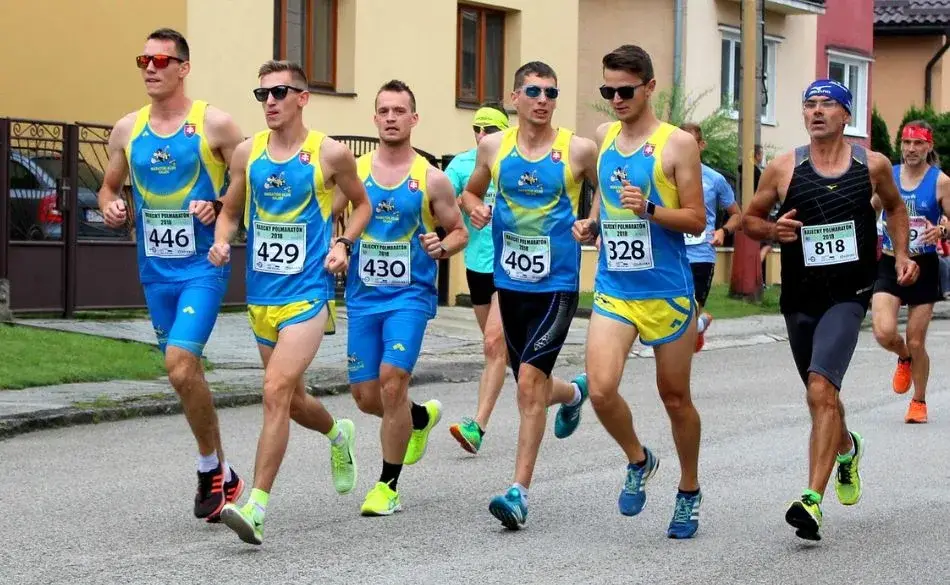
What Happens Inside Your Body in the First 72 Hours After a Marathon
Finishing a marathon feels a bit like stepping out of a long, wild storm. One moment you’re pushing through the final stretch, and the next you’re wrapped in a medal, trying to make sense of the mix of excitement, relief, and deep tiredness washing over you. But while you’re catching your breath, your body has already started a massive recovery project behind the scenes.
In those first hours, your legs carry the kind of muscle soreness after marathon effort that only long miles create. Tiny muscle fibres have been stressed again and again, which is why DOMS after marathon usually sneaks up on you a day or two later. Even if you felt strong at the finish, the real soreness often hits once the adrenaline fades.
Your glycogen (your body’s main fuel source for running) is close to empty. That’s why your legs might feel heavy or “flat,” even when you’re not moving. At the same time, inflammation rises. It’s not a bad thing; it’s simply your body trying to repair itself. But if you try running too soon, that inflammation can outpace the healing process.
There’s also something most runners forget: your immune system takes a dip. Long races can temporarily weaken your ability to fight off germs, which is why catching a cold after a marathon is surprisingly common. Your body is busy fixing muscle damage, so its defenses aren’t as sharp for a few days.
Even simple movements feel exaggerated. Stairs look steeper. Getting out of a car feels awkward. Your legs feel like they belong to someone else. None of this means something is wrong, it’s just your body asking for patience.
And here’s the tricky part: sometimes you “feel fine” before you’re actually recovered. Post marathon fatigue can hide under the surface, especially around days three and four. This is why the first 72 hours are best spent walking a little, stretching gently, and letting your system settle down.
This early recovery window isn’t about pushing. It’s about giving your body the quiet space it needs to rebuild so your next run feels better, not worse.
If you're unsure how to manage your recovery or when it's truly safe to start running again, our Running Coaching program gives you personalised support through every stage of your post-marathon return.
We help you rebuild gradually, avoid overtraining, and follow a structure that fits your fitness level, recovery speed, and next running goals — so you never have to guess whether you're doing too much or not enough.
Whether you’re aiming for your next marathon or simply want to feel strong again on your everyday runs, having a coach guide your timeline makes your comeback safer and smoother.
Get Personal Support →

How Long Does Real Marathon Recovery Actually Take?
This is the big question almost every runner has after race day. You feel proud, sore, and a little restless. Part of you wants to protect your body. Another part is already thinking about the next race. So what is a realistic marathon recovery time that keeps you safe but doesn’t hold you back?
Here’s the honest answer. Full post marathon recovery usually takes longer than most runners expect. Your muscles, tendons, joints, and nervous system all recover at different speeds. Even if your soreness fades in a few days, deeper tissue repair and energy system reset can take two to four weeks, sometimes longer after an all-out effort.
So how do you know how long to rest after a marathon before you even think about running again? A lot depends on your training history, race pace, and how hard you pushed in the final kilometres.
As a simple guide, many coaches use a flexible rule of thumb when building a safe marathon recovery plan:
- First week: No structured running. Walking, gentle mobility, easy cycling, or light swimming only if you feel up to it.
- Second week: Very easy, short runs on soft surfaces for some runners. Others may still stick with cross-training and walking.
- Weeks three to four: Gradual build toward normal training, but with fewer hard workouts and more recovery days.
One of the great ways to transition back is to move into a formal training block when your body is ready. If you’d like to explore structured options, take a look at this comprehensive Marathon Training Plan Australia which shows how to rebuild into a full program after your recovery window.
Think of this as a sliding scale, not a rigid rule. If this was your first marathon or you raced harder than planned, you may need more time. If you’re highly trained and built strong mileage before race day, you might feel ready sooner, but that doesn’t mean you should rush.
The key is simple. Respect the event. Respect your effort. When you honour your recovery window, you set yourself up for smoother, stronger running after a marathon, instead of dealing with nagging issues for months.


How Do You Know When to Start Running Again After a Marathon?
This is the question that keeps circling in your mind after race day. You don’t want to lose fitness, but you also don’t want to push too soon and regret it. So how do you know when to start running again after a marathon without guessing?
The first step is to listen to your body more than your training app. Good post marathon recovery is not just about time on the calendar. It’s about how your muscles, joints, energy, and mood all feel together. If you’re still dealing with deep post marathon fatigue, running too early can turn a normal recovery into a long, frustrating setback.
Aim for a quiet, honest check-in with yourself around day seven to ten. Ask simple questions. Are you waking up with heavy legs. Do easy walks feel smooth or clunky. Are you still thinking about the race all the time because your brain feels tired. These small signals matter.
Use these signs as a loose guide before you start gentle running after a marathon:
- Your resting heart rate is back to normal for at least a few mornings in a row.
- You can walk for 30–40 minutes without sharp pain or unusual tightness.
- Your sleep feels deeper and you’re not waking up exhausted.
- Light stretching no longer triggers strong soreness in your calves or quads.
If these are mostly true, you can try a very short, easy jog. Think ten to twenty minutes at a pace where you could chat the whole time. Stop immediately if anything feels off. That first run is not a test of fitness. It’s a test of readiness.
If you ignore these signals and jump in too early, you raise the risk of hidden stress turning into injury. Early warning overtraining symptoms like poor sleep, irritability, low motivation, and unusual soreness are all reasons to wait a little longer. For more guidance on easing back safely after downtime, read Running After 2 Weeks Off which expands on how to restart training without setbacks.
Here’s the thing. Waiting a few extra days will not ruin your fitness. But rushing your return can undo months of work. Respect your body’s timeline, not just your training plan.


How to Build Your First Two Weeks of Running After a Marathon
Once your body starts to feel normal again, it’s tempting to jump straight back into your usual training. But easing into running after a marathon is a skill in itself. The goal isn’t to prove how tough you are. It’s to rebuild rhythm without waking up old aches or creating new ones. Think of this stage as laying the foundation for the rest of your season.
The biggest mistake runners make is treating the first run back like a workout. It isn’t. Your body is still handling quiet, lingering post marathon fatigue, even if you don’t notice it day to day. For many of the athletes I coach, starting slow actually helps them gain more confidence sooner because nothing feels rushed.
Here’s a simple, gentle way to structure the first two weeks so you protect your energy, reduce injury risk, and respect your marathon recovery time:
- Week 1 of running: Two to three jogs of 10–20 minutes at very easy effort. Leave a rest or cross-training day in between each run.
- Week 2 of running: Three to four easy runs of 20–40 minutes. Still no speed, no long runs, and no hills.
- Optional cross-training: Light cycling, easy swimming, gentle strength work focused on mobility and stability.
One of my coaching clients, Chris, followed this exact structure after his first marathon. He’s competitive by nature, and slowing down didn’t feel natural to him. But he trusted the process. By the end of the second week, his legs felt springy again (something he didn’t expect). He told me it was the first time he realised recovery is part of training, not a break from it.
Your body will give you feedback during this phase. If any run feels heavy or awkward, take an extra rest day. If you’re feeling calm, smooth, and steady, you’re right where you need to be. Think of this stage not as “getting back into running,” but as preparing your foundation for the next block of training.

What Your Post Marathon Recovery Should Look Like Week by Week
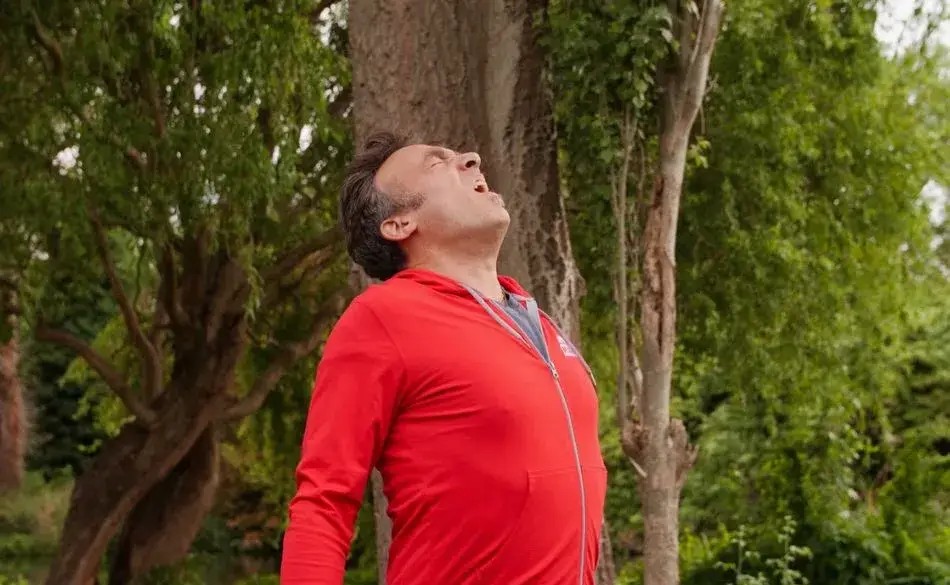
Your recovery doesn’t follow a straight line. Some days you feel light and ready, and other days your legs feel as if they’re carrying bricks. Having a simple structure helps you understand what’s normal, what’s not, and when you can safely increase your training. A smart marathon recovery plan gives your body time to absorb the stress of the race while still keeping you active enough to feel connected to movement.
Below is a detailed week-by-week look at how your body responds, what kind of active recovery after marathon works best, and when you can expect certain signs of energy, soreness, and readiness to shift. Everyone’s timeline is slightly different, but this gives you a helpful roadmap to compare your own recovery against.
👉 Swipe to view full table
| Week | Recovery Focus | Running Guidelines | What You Should Feel |
|---|---|---|---|
| Week 1 | Repair & Rest | No running. Walking, stretching, and mobility only. | Moderate soreness, low energy, signs of post marathon fatigue. |
| Week 2 | Light Movement | Short easy jogs (10–20 min) if pain-free. | Less stiffness, but deeper fatigue still present. |
| Week 3 | Rebuild Rhythm | Easy runs only, no speed. Add soft-surface mileage. | Smoother stride, energy increasing. |
| Week 4 | Return to Training | Normal easy mileage with one light workout. | Close to normal, but avoid hard back-to-back days. |
This table gives you a realistic picture of how your body usually recovers after long-distance stress. It also helps you catch problems early. If, for example, you’re still feeling heavy soreness or stiffness near the end of week two, it may be a sign you need more time before increasing mileage. That’s not a setback, it simply means your muscles and joints are still completing the deeper stages of post marathon recovery. For specific ideas about gentle movement and early post-race steps, check out What to Do After Running a Mile and adapt its guidance for your marathon context.
Use this guide the same way you’d use a weather forecast. It won’t predict every detail, but it prepares you for what’s most likely to happen so you can adjust your training without guessing. The more you respect these phases, the stronger your return to running will feel.


Why Running Too Soon After a Marathon Can Lead to Long-Term Problems
Most runners worry about losing fitness after a marathon, but the bigger risk is actually the opposite. If you rush back into training too early, the stress sitting inside your muscles and joints can turn into something that stays with you for months. Your body needs time to clear inflammation, restore strength, and rebuild the tiny tissues that took a beating on race day. Ignoring this can turn a normal recovery into a frustrating cycle of setbacks.
One of the biggest dangers of running too soon is hidden damage. Even when soreness fades, deeper tissues are still vulnerable. That’s why early overtraining symptoms often show up as mood changes, trouble sleeping, or legs that feel heavy for no obvious reason. These are quiet red flags that your body isn’t ready for extra load yet.
If you push too hard during this phase, the risk of injury increases. Many common post-marathon issues can be traced back to running before your marathon recovery time is complete. These include calf strains, Achilles irritation, knee pain, and stress reactions that build slowly until they force you to stop. They’re not random, they’re the result of tissues that never got a chance to fully repair.
Here are some early signs you’re coming back too quickly:
- Sharp or lingering pain during easy movement.
- Waking up with heavy legs that don’t improve throughout the day.
- Shortness of breath or elevated heart rate during light effort.
- Poor sleep, irritability, or a sudden drop in motivation.
These are signs you may be pushing back into training too soon. Many runners find that exploring the article Running With Sore Legs helps them understand what’s safe, what’s not, and how to adjust their return so it’s smart instead of rushed.
These symptoms don’t mean you’re weak. They simply mean you’re still carrying post marathon fatigue and need more time. Even a few extra rest days can reset the recovery process and prevent long-term problems.
Here’s the good news. Your fitness doesn’t disappear in a week or two. But running through fatigue can derail your training for much longer. Giving your body space to heal protects your next block of training, your next race, and the energy you bring to every run.


How to Support Your Body’s Healing So You Can Run Again Sooner
The good news is that you’re not just waiting for recovery to happen. You can actually speed up your post marathon recovery by giving your body the right kind of support. Think of this phase as guiding your system back into balance. Every small action helps your muscles repair, reduces lingering soreness, and brings your energy levels back to normal more quickly.
Start by fueling well. After a marathon, your glycogen stores are low and your muscles need nutrients to heal. Eating a mix of carbs and protein in the first few days can make a big difference. This isn’t about perfection. It’s about consistency. Even something as simple as regular meals helps your body catch up on the work it’s doing.
Hydration also plays a bigger role than most runners realise. During a marathon, you lose fluid and electrolytes, which affects how your muscles contract and repair themselves. Drinking water regularly, adding electrolytes when needed, and eating hydrating foods like fruit can help speed recovery. It sounds simple, but it works.
Movement matters too. Gentle active recovery after marathon helps increase blood flow, loosen stiff muscles, and reduce the deep, heavy feeling in your legs. This doesn’t need to be complicated. Try:
- Short walks throughout the day.
- Light mobility exercises to free your hips and ankles.
- Easy cycling on flat terrain to encourage blood flow.
- Gentle foam rolling if it feels comfortable.
Sleep is another powerful tool. Your body does most of its repairing overnight. If you’re struggling to fall asleep because your legs feel restless, try a warm shower before bed or light stretching to relax tight muscles.
All of these small habits create momentum. They help your body rebuild so your return to running after a marathon feels smoother, steadier, and more enjoyable. Recovery isn’t passive. It’s something you can actively support with simple choices each day. And when you do that, you get back to running sooner and stronger.
If you’re coming out of a marathon and want a smart, structured way to return to training, our Marathon Running Training Plan offers you a clear path to rebuild mileage, regain strength, and achieve your next goal safely.
You’ll get a plan designed around your current fitness, recovery stage, and future timeframe — helping you move confidently instead of guessing how much training is safe.
Whether you’re targeting a new personal best or simply want to finish stronger this time, the right plan makes your comeback not just possible — probable.
View the Plan →
The Emotional Side of Marathon Recovery That Most Runners Ignore
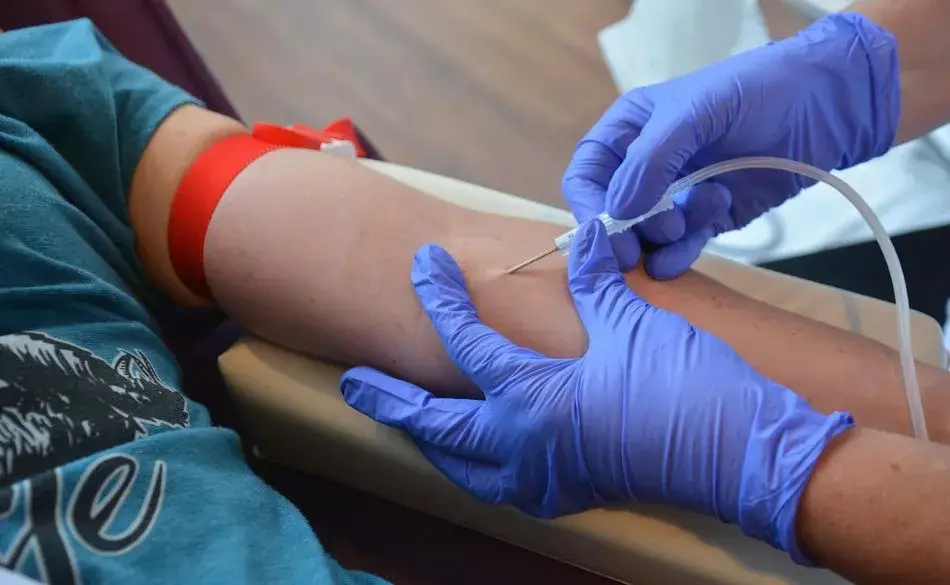
Marathon recovery isn’t only physical. There’s a huge emotional shift that happens after the finish line, and many runners aren’t prepared for it. You go from weeks or months of structured training, clear goals, and nonstop momentum to suddenly… nothing. The quiet can feel strange. Some runners feel relieved. Others feel lost. And some experience a surprising dip in mood as the excitement fades.
This emotional drop is normal. Your brain has been riding a wave of anticipation, routine, and adrenaline. When all of that disappears overnight, your mind needs time to settle, just like your body does. Even this emotional fatigue ties into post marathon fatigue, because the physical stress of the race and the mental stress of tapering, racing, and celebrating all overlap.
You might notice your motivation feels inconsistent. One day you’re eager to run again, and the next you don’t want to lace your shoes at all. This doesn’t mean anything is wrong. It means your mind is still recalibrating. That’s why pairing marathon recovery time with emotional recovery leads to a smoother, more confident return to running.
Here are a few gentle ways to support your mindset during this phase:
- Give yourself permission to rest without guilt.
- Celebrate non-running activities you ignored during training.
- Reconnect with friends or family who supported your marathon journey.
- Do something fun that has nothing to do with running.
These simple actions help you understand that recovery isn’t a step backward. It’s part of the full cycle of being a runner. When your mind gets the same care as your body, your return to running after a marathon becomes easier, lighter, and far more enjoyable.


Your Safe and Strong Return to Running After a Marathon
By the time you reach this stage, your body has done a huge amount of healing. The soreness has faded, your energy feels more stable, and your confidence is starting to come back. You’re ready to think about building toward normal training again. However, easing in with care is what makes the difference between a smooth start and a setback. Your goal now is to respect your post marathon recovery while giving yourself room to grow.
Most runners can begin expanding mileage around weeks three and four, depending on how much post marathon fatigue they’re still carrying. This phase should feel steady, not rushed. Use easy runs, soft surfaces, and flexible pacing to guide each day rather than strict targets. The more gently you approach this stage, the stronger your long-term progress will be.
Here’s a simple checklist to help you know you’re ready to return to consistent running after a marathon:
- You can complete multiple easy runs in a row without unusual soreness.
- Your stride feels smooth rather than heavy or tight.
- Your sleep has improved and you wake up with normal energy.
- Your motivation feels steady instead of forced.
These signs show that your tissues, energy, and mindset are finally syncing up again. Once this happens, you can begin layering in more weekly runs, gradually increasing duration, and eventually reintroducing structured workouts. Keep intensity low at first, your engine may feel ready, but your muscles and tendons still need a little more time to fully support higher load.
Your recovery is not about how fast you can get back to peak training. It’s about creating a strong foundation for your next block, your next race, and the next stage of your running journey. When you respect your body’s timeline, your return feels smoother, safer, and more sustainable.