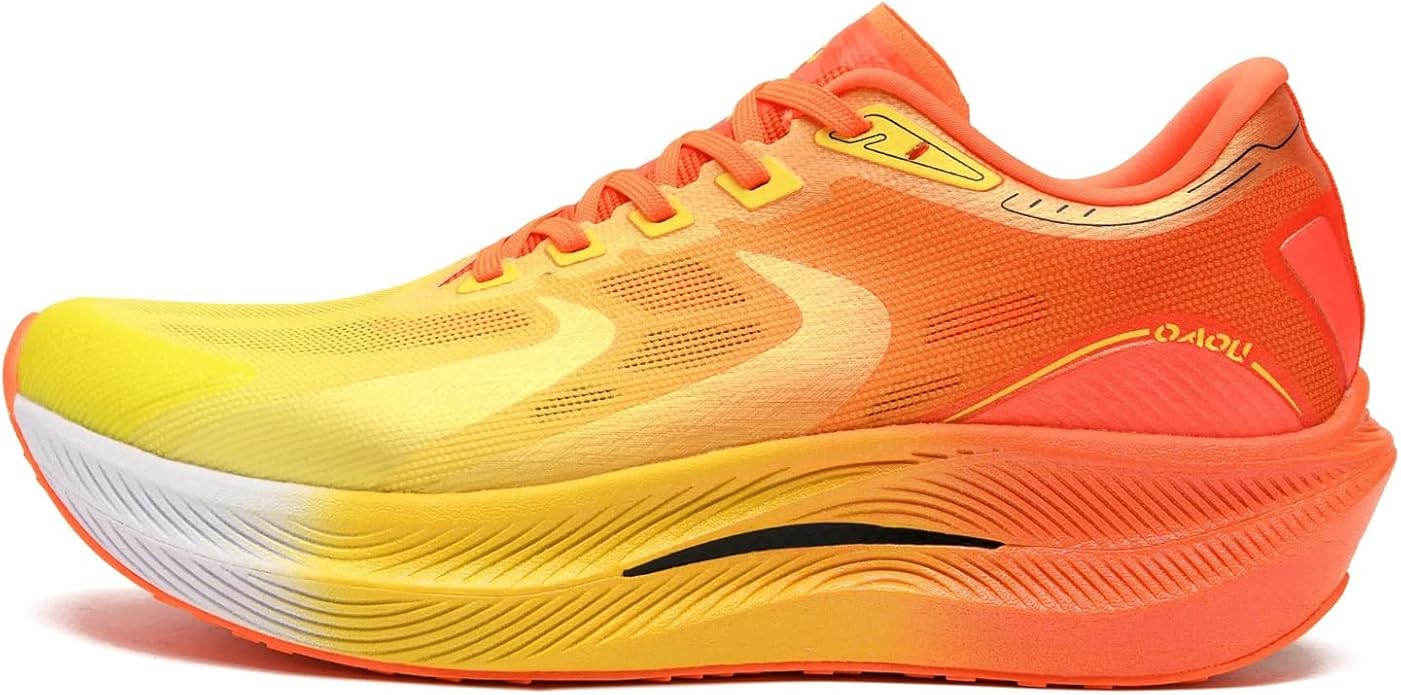
Why You Should Never Ignore Wet Running Shoes
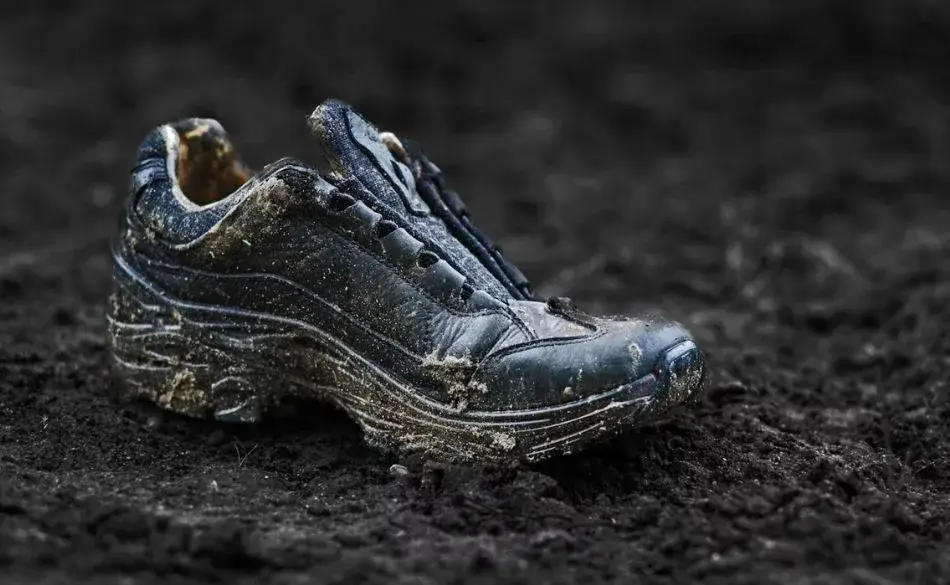
Running shoes are like sponges. Once they get wet, they hold onto water in the foam midsoles and fabric uppers. If you don’t dry them properly, the moisture weakens the glue, causes bacteria to grow, and leaves your shoes smelling like a locker room.
I once had a runner I coach train through winter without drying his shoes fully. After just three months, his $250 pair started separating at the sole. He didn’t think much of it at the time, but replacing shoes that often adds up fast.
So, what’s the best way to dry running shoes fast? It starts with avoiding the worst mistake: tossing them in a hot dryer. High heat can warp the midsole, melt adhesives, and change how the shoe fits. Sure, it might feel like a quick fix, but it’ll cost you comfort and performance later. If you’re someone dealing with extra stability needs, the right shoe choice matters just as much as drying care. Our guide on best running shoes for flat feet is a great resource if you want footwear that offers lasting support while staying durable.
Instead, think of drying as a balance between speed and safety. Air circulation, absorbent materials, and patience are your best tools. You’ll want to learn how to dry running shoes overnight without heat, so they’re ready by morning, but without risking damage.
Here’s the thing: wet shoes don’t just affect durability. They also impact your running form. When water weighs down your trainers, each step takes more effort. Over time, that extra drag can affect performance, especially on long runs.
So, if you’ve ever finished a rainy marathon or a muddy trail race and wondered, “how to dry running shoes after rain without ruining them?” you’re in the right place.
Explore our full range of Running Training Plans —designed to help you improve endurance, speed, and consistency whether you’re chasing your first 5K or training for a marathon.
- Plans for every distance: 5K, 10K, half marathon, and marathon
- Suitable for all levels: beginner to advanced runners
- Delivered within 24 hours—so you can start immediately
- Accessible via TrainingPeaks for easy tracking and adjustments
- One-time payment: no ongoing fees or subscriptions
Get expert structure and proven coaching methods to reach your next running goal.
View Running Plans →As an Amazon Associate, SportCoaching earns from qualifying purchases.
The Best Ways to Dry Running Shoes Overnight
When you come home from a rainy run, the clock starts ticking. The longer your shoes stay wet, the harder it is to remove moisture and prevent odors. That’s why knowing how to dry running shoes overnight is essential. You want them ready for your next workout without any damage.
The first step is simple but often overlooked: remove the insoles and loosen the laces. This opens up the shoe and lets air reach the areas where water hides. Many runners skip this step, but it cuts drying time dramatically.
Next, use an absorbent material to draw out moisture. Newspaper is the classic option, but paper towels or even a dry microfiber cloth work well. Just stuff them gently into the shoe and replace them every few hours. One of my athletes used this trick during a week-long training camp in constant rain. Each morning, his shoes felt surprisingly fresh compared to others who didn’t bother.
If you’re after the best way to dry running shoes fast at home, try combining newspaper with a fan. Place the shoes in front of the airflow and let the air circulate overnight. This method mimics nature’s drying process without the risks of heat. For runners in colder months, it’s a safe and effective alternative to the dryer.
Here’s a quick breakdown of what works best overnight:
- Remove insoles and loosen laces to increase airflow
- Stuff shoes with newspaper or paper towels (replace when damp)
- Position shoes in front of a fan for steady circulation
- Avoid heaters or dryers, which can warp midsoles
Let’s be honest, waking up to dry shoes can make or break your motivation. Nothing kills a morning run faster than sliding into soggy trainers. By following these steps, you’ll know how to dry running shoes quickly at home and keep your favorite pair in top condition.
Can You Put Running Shoes in the Dryer?
This is the big question many runners ask: can you put running shoes in the dryer? The short answer is yes, but it comes with serious risks. Modern running shoes use foams, gels, and glues designed for cushioning and performance. When exposed to high heat, those materials can break down quickly.
I had an athlete who once tossed his shoes in the dryer after a muddy trail race. They came out warm and dry, but the fit was never the same. The midsole cushioning felt flat, and the upper had stiffened in odd spots. Within a few weeks, he was complaining of shin pain that he hadn’t experienced before. That one shortcut ended up costing him a pair of shoes and a few weeks of consistent training.
The dryer isn’t the only danger. Even if you use a low-heat setting, the tumbling motion can cause damage. It bangs the shoes around, bends the structure, and loosens stitching. If you’ve invested in high-performance trainers, you’re essentially cutting their lifespan in half by relying on the dryer.
So, what’s the safe alternative? Use controlled airflow and time. A fan, boot dryer, or natural ventilation works far better. If you really want to speed up the process, place your shoes near (but not on) a heat source. Think of a warm room, not direct heat. This lets your shoes dry evenly without the stress of high temperatures.
The truth is, dryers are built for clothing, not footwear. When you ask “how to dry running shoes in the dryer safely,” the honest answer is you really shouldn’t. While it may work in an emergency, it’s never the best long-term strategy. Treat your shoes with care, and they’ll repay you with comfort and durability over hundreds of miles.
How to Dry Running Shoes After Rain or Washing
If you’ve ever been caught in a downpour or just finished washing your shoes, you know the struggle. The good news is that learning how to dry running shoes after rain or cleaning doesn’t have to be complicated. It’s about choosing gentle methods that remove moisture while protecting the shoe’s shape and performance.
First, avoid the instinct to wring out or twist your shoes. That pressure can stretch the uppers and weaken the midsole. Instead, take a few minutes to shake off excess water and gently pat them with a dry towel. This small step saves hours of drying later.
Next, choose a method that balances speed and safety. Here are some of the most effective approaches:
- Paper stuffing: Insert crumpled newspaper or paper towels to pull out moisture quickly. Replace them every few hours until the shoe feels dry.
- Fan drying: Place the shoes in front of a steady fan for overnight drying. This keeps air moving and prevents odors.
- Boot dryers: These are designed for shoes and use gentle, low heat to circulate air. They’re a great investment if you run in wet conditions often.
- Absorbent inserts: Products like cedar shoe inserts not only dry shoes but also reduce odor.
One runner I coached during marathon prep used a boot dryer after every long run in the rain. While others complained about heavy, soggy shoes, his pair stayed light and supportive. That small routine made a big difference in his recovery and consistency.
The key is patience. Even the best way to dry running shoes fast won’t work in ten minutes. But by using these safe methods, you’ll avoid the common mistakes that shorten a shoe’s life. Think of it like caring for a good bike or watch, regular maintenance goes a long way.
How Long Does It Take to Dry Running Shoes?
The truth is, there’s no single answer. How long it takes to dry running shoes depends on the method you use, the material of your shoes, and even the climate where you live. In most cases, expect anywhere from 6 to 12 hours for shoes to fully dry if you’re using safe, no-heat techniques.
For example, shoes dried in front of a fan overnight will usually be ready in the morning. On the other hand, if you simply leave them in a corner without airflow, it might take over a day. That’s why runners often search for “how long does it take to dry running shoes” because timing matters when you’re training multiple days in a row.
Another factor is material. Lightweight mesh running shoes tend to dry faster than heavy trail shoes with thick padding and protective layers. Trail shoes soaked in mud can easily take twice as long. If you run in winter, drying times increase even more since cold air holds less moisture.
So, how do you plan your runs around this? The best approach is to rotate between pairs. Owning two sets of trainers allows one to dry completely while you use the other. This is especially useful for athletes logging high weekly mileage or training for marathons.
I’ve seen runners underestimate this and rush the process. One athlete I coached left his wet shoes near a heater to try to “speed things up.” Within days, the midsoles hardened, and the support was gone. That mistake taught him that patience really does protect your investment.
I’ve seen runners underestimate this and rush the process. One athlete I coached left his wet shoes near a heater to try to “speed things up.” Within days, the midsoles hardened, and the support was gone. That mistake taught him that patience really does protect your investment. Knowing when to replace your running shoes is just as important as drying them properly, since both affect comfort, performance, and injury prevention.
In general, if you’re wondering “how to dry wet running shoes without damaging them,” remember that it’s less about speed and more about consistency. Give your shoes the time they need, and they’ll reward you with comfort and durability over the long haul.
Grab our one-time purchase Marathon Running Training Plan —a structured 16–20 week program that helps you build endurance, strength, and pacing to cross the finish line with confidence.
- Suitable for all levels: beginner, intermediate, and experienced runners
- Delivered within 24 hours—get started fast
- Includes 1-hour consultation to align goals and capabilities
- Accessible via TrainingPeaks for easy tracking
- One-time payment: no ongoing fees
Get the structure and support you need without subscription or commitment.
View Training Plan →Drying Shoes in Winter and Cold Conditions
Cold weather brings a unique challenge for runners. When temperatures drop, shoes don’t just get wet—they stay wet much longer. That’s why knowing how to dry running shoes in winter becomes critical if you want to keep training consistently.
The main problem is that cold air holds less moisture, which slows evaporation. If you leave your shoes in an unheated garage or porch, they might still be damp the next day. Instead, bring them indoors where the air is warmer and drier. A simple fan in a heated room can cut drying time in half.
Another tip is to avoid placing shoes directly on a radiator or heater. It may feel tempting, but high heat causes the midsole to stiffen and the upper to warp. Think of your shoes like a sponge, gentle airflow squeezes water out, while heat can actually “cook” the materials.
For runners who face snowy or muddy trails, investing in a boot dryer is worth it. These devices use safe, low heat combined with air circulation. They’re designed for ski boots but work brilliantly for trainers too. Several athletes I coach in colder regions swear by them during marathon prep in winter. They keep shoes dry, fresh, and ready for early-morning runs despite icy conditions.
If you don’t own a boot dryer, you can still get good results with everyday items. Swap out newspaper or paper towels every few hours, and place the shoes in a warm, ventilated room. You can even position them near (not on) a fireplace or heater for indirect warmth. This strikes the right balance between speed and safety.
Here’s the reality: winter running is tough enough without starting each session in soggy shoes. Learning how to dry running shoes after rain or snow in cold weather keeps you comfortable and protects your gear from early breakdown. It’s a small routine that adds up to a big difference in your training.
Quick Comparison of Drying Methods
With so many options available, it helps to see the differences side by side. The table below compares common ways to dry your shoes, including speed, safety, and overall effectiveness. If you’ve ever wondered which method works best for your situation, this chart makes it clear.
👉 Swipe to view full table
| Method | Estimated Time | Pros | Cons |
|---|---|---|---|
| Newspaper / Paper Towels | 8–12 hours | Cheap, effective, easy to find | Needs replacing when damp, slower in cold rooms |
| Fan Drying | 6–10 hours | Safe, quick, reduces odor | Requires space and power source |
| Boot Dryer | 4–8 hours | Efficient, consistent, low heat safe | Extra cost, not always portable |
| Direct Heater / Radiator | 3–6 hours | Fastest drying method | Damages glue and midsole, warps shoes |
| Tumble Dryer | 1–2 hours | Very fast, convenient | High risk of damage, shortens shoe life |
Looking at this, the safest balance is usually newspaper plus a fan, or investing in a boot dryer if you often run in wet conditions. Fast methods like dryers or radiators might save time once, but they can cost you new shoes down the road.
Curious about shoe performance? Take a look at our guide on how much running shoes weigh to understand how weight impacts speed, comfort, and endurance.
Conclusion: Keep Your Shoes Dry, Fresh, and Ready
At the end of the day, your running shoes are more than just gear. They’re the partners that carry you through every mile, every hill, and every finish line. Learning how to dry running shoes properly protects your investment, keeps you comfortable, and makes sure you show up ready for every session.
Soggy trainers aren’t just uncomfortable. They weigh more, affect your stride, and break down faster than dry shoes. By taking a few minutes after each run to remove the insoles, stuff them with newspaper or towels, and set them near circulating air, you’ll know exactly how to dry running shoes overnight in a safe, reliable way.
I’ve coached athletes who made this part of their routine. Instead of tossing wet shoes aside, they cared for them immediately. The difference was obvious: their shoes lasted longer, smelled fresher, and gave them consistent support. Meanwhile, those who skipped these steps were often forced to buy replacements sooner, or worse, deal with nagging injuries from broken-down midsoles.
Think of drying your shoes as part of training recovery. Just like stretching or refueling, it sets you up for tomorrow’s run. Whether you’re preparing for a rainy marathon, logging miles on muddy trails, or just washing your shoes clean, the methods in this guide give you the tools to do it right.
Here’s the question: will you let your shoes sit damp in a corner and hope for the best, or will you take a few simple steps to care for them properly? Choose the second option, and you’ll run further, feel fresher, and enjoy many more miles with your favorite pair.
Want to get more life out of your trainers? Check out our guide on should you rotate your running shoes to learn how alternating pairs can improve durability and reduce injury risk.
Whether you’re aiming to complete your first marathon or chasing a new personal best, our Personalized Running Coaching gives you the structure, support, and expertise to train smarter and race stronger.
- Custom marathon training plans tailored to your goals and fitness level
- Unlimited feedback & adjustments via WhatsApp and TrainingPeaks
- Race-specific workouts including long runs, pace sessions, and tapering
- Strength & mobility routines to keep you injury-free during your build-up
- Month to month coaching flexible, no lock in required
Build endurance, stay consistent, and cross the finish line with confidence.
Explore Coaching →As an Amazon Associate, SportCoaching earns from qualifying purchases.
Find Your Next Running Race
Ready to put your training to the test? Here are some upcoming running events matched to this article.

Weston Creek Half Marathon and 10km Fun Run
Jetty2Jetty Marathon Series – Semaphore to Henley (Event 2)