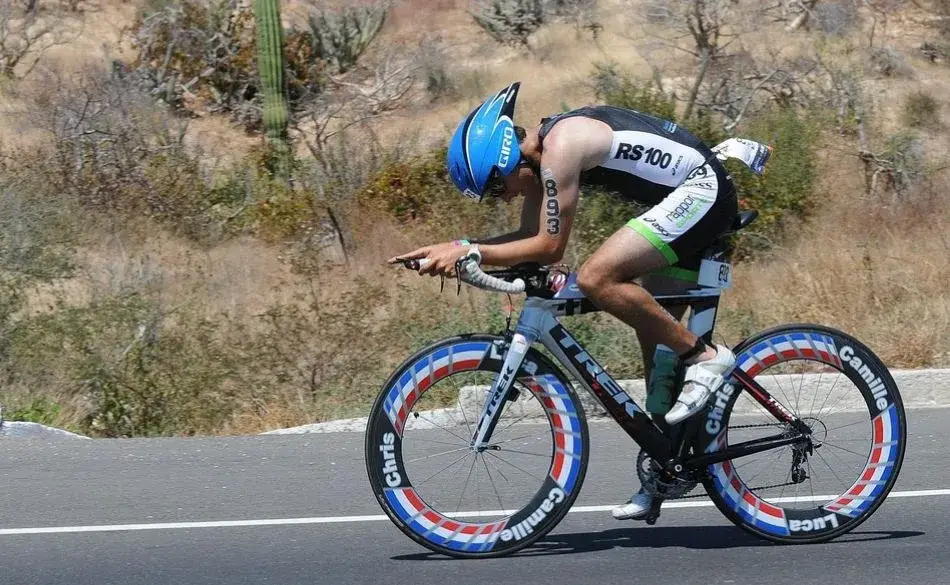
Why Small Changes Create Big Speed Gains on the Triathlon Bike
Many triathletes assume they need stronger legs or longer workouts to ride faster, but much of your speed actually comes from how efficiently you ride. Studies on cycling biomechanics confirm that improved technique and reduced excess movement can increase usable power without raising effort. This means you can gain speed simply by helping your body move more smoothly on the bike. It is one of the most reliable ways to learn how to improve cycling speed for triathlon without increasing training hours.
Wasted movement is one of the largest sources of lost power. Research from the Journal of Applied Biomechanics shows that unnecessary upper-body motion, knee drift, or shoulder tension reduces pedaling efficiency and increases energy cost. Even small deviations can cause you to lose several watts. Over 40–90 kilometers, that can translate into minutes of lost time. Improving technique helps you use your energy where it matters most.
A smoother pedal stroke also impacts long-distance performance. Studies on pedaling economy show that riders with consistent torque around the full pedal circle use less oxygen at the same power output. This means they fatigue more slowly and hold their target pace longer. For triathletes, this is especially important because you still need to run after the bike leg. Staying efficient reduces the risk of early muscular fatigue that can make the run feel much harder.
Aerodynamics also plays a major role. Wind resistance accounts for roughly 70 to 90 percent of the forces slowing a cyclist at typical triathlon speeds, according to aerodynamic testing by organizations like the UCI and Specialized’s Wind Tunnel. This means small posture changes can produce measurable gains. Lowering your head, narrowing your elbows, and relaxing your shoulders reduce frontal area and drag, allowing you to maintain the same speed with less effort.
These simple adjustments lay the groundwork for later improvements with triathlon cycling speed tips, pacing strategies, and power-focused training. When efficiency becomes your base, every session becomes more valuable, and you start seeing steady gains that feel natural rather than forced.
If you want support improving your bike fit, pacing, strength, and weekly structure, the Triathlon Coaching Program at SportCoaching creates a personalised plan that builds real cycling speed while still fitting into your daily routine.
You’ll get clear guidance, smarter sessions, and coaching support that helps you ride stronger and faster with confidence.
Explore Coaching Options
Dial In Your Bike Fit and Aero Shape for Free Speed
Before you add more training, it helps to look at how your bike is set up. A good triathlon bike fit for better speed can unlock extra power without asking your body to work harder. When your position matches your body, you feel stable, relaxed, and ready to push.
A proper fit starts with saddle height and fore aft position. If the saddle is too high, your hips rock and your knees overreach. If it is too low, your knees bend too much and your quads burn early. Both problems waste energy and can slow your progress with improving your cycling speed for triathlon. If you want a deeper breakdown of how to adjust these elements correctly, this guide on triathlon bike fit a complete guide explains each step in more detail.
Reach and stack also matter. If the bars are too far away, you feel stretched and tense through the neck and shoulders. If they are too close, you feel cramped and unstable when you move into the aero bars. The goal is a neutral spine, soft elbows, and a calm upper body that can stay still over rough roads.
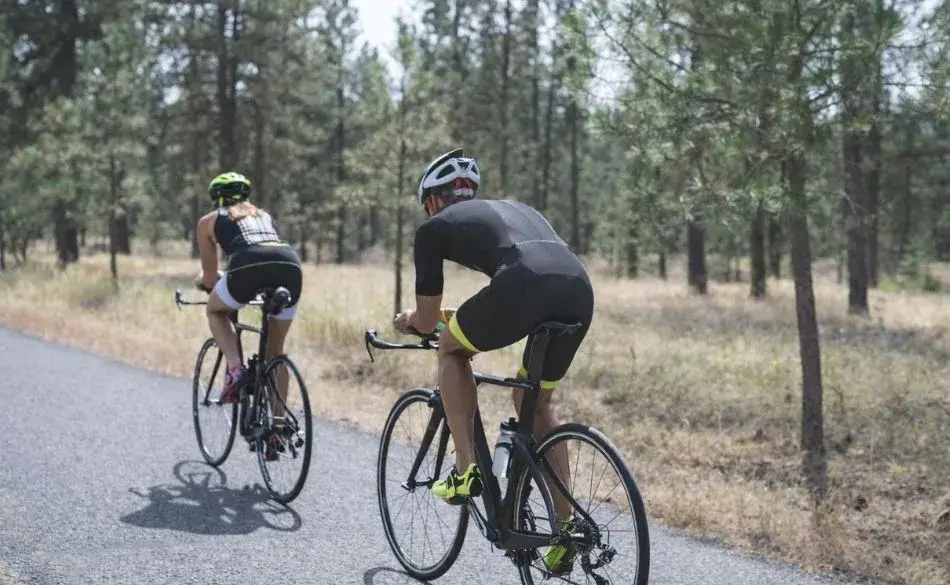
Once the basic fit feels right, you can work on your aero shape. Simple aero position tips for triathletes include keeping your head low but still able to see the road, bringing your elbows close together, and letting your hands rest gently on the extensions. You want to cut through the air like a narrow arrow, not a wide sail. Research shows that aerodynamic drag is responsible for most of the resistance a cyclist faces at speed, and even small posture adjustments can make a measurable difference aerodynamic performance and riding posture in road cycling.
You do not need to be super aggressive to get benefits. Even a slightly lower front end and tidier front profile can help. Think about comfort first. If you cannot hold the position for most of the bike leg, it will not help you go faster overall.
- Ask a fitter or coach to check your knee angle at the bottom of the pedal stroke.
- Use a side video of yourself riding on a trainer to review posture.
- Test small changes in saddle height in two to three millimeter steps.
- Practice holding your aero position for longer blocks during easier rides.
Choosing the right fit and position becomes much easier when your bike suits your experience level, especially if you are new to the sport. If you are still deciding which bike is right for your first races, this guide on what is the best triathlon bike for a beginner can help you make a confident choice before you start adjusting your setup.


Build Speed Through Smarter Intervals and Better Pacing Control
Once your position feels stable and comfortable, you can start building speed through structured work. The goal is not only to push harder but to train in a way that improves your power, timing, and pacing. Well-designed sessions help you ride faster while still feeling strong when you start the run. This is where cycling interval training for triathletes becomes one of the most effective tools for progress. If you’re new to intervals or want simple workouts to follow, this guide on cycling interval training for beginners walks you through the basics and offers easy sessions to get started.
Intervals work because they teach your body to handle higher workloads for short periods. Research shows that efforts in the threshold and above-threshold ranges improve your ability to clear lactate, increase sustainable power, and sharpen neuromuscular coordination. These benefits help you hold race pace with less effort. They also build the strength needed for hills, wind, and late-race fatigue.
Learning to pace well is just as important as fitness. Many athletes start the bike leg too hard, which leads to a drop in speed later. Practicing steady pacing helps prevent early spikes in power that drain energy. Good pacing allows you to ride strong through the final stretch and still run well afterward. This is why a simple triathlon bike pacing for beginners strategy can help you gain minutes without extra training.
Here are interval ideas you can build into your weekly routine. These help improve both power and control:
- Short power intervals: 10 x 1 minute hard with 1 minute easy to build anaerobic strength.
- Threshold blocks: 3 x 10 minutes at a strong but controlled effort to improve sustainable speed.
- Cadence drills: Alternate high and low cadence to improve pedal smoothness and muscle coordination.
- Long steady rides: Keep these controlled to practice delivering consistent power over time.
The key is consistency. These sessions do not need to be long to be effective. Even two focused interval workouts a week can produce clear improvements in your ability to control pace and generate speed. When you combine structured intervals with steady pacing habits, every ride becomes a building block for faster bike legs in your next race.
If you’re aiming for a faster, more controlled Ironman bike leg, the Ironman Cycling Training Plan at SportCoaching gives you a proven week-by-week structure that builds power, endurance, and race-day confidence.
It includes progressive workouts, smart pacing strategies, and clear guidance so you can ride faster while still saving energy for the marathon.
Explore the Ironman Plan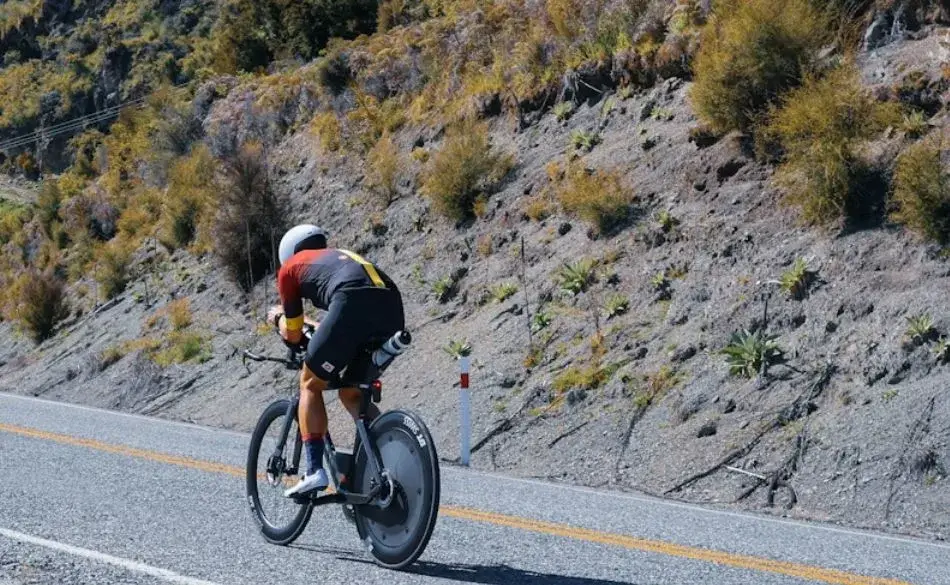
Strength Training That Makes You a Faster and More Efficient Triathlon Cyclist
Cycling is not only about turning the pedals. Your speed also depends on how strong and stable your body is. When key muscles work together smoothly, you produce more power with less strain. This is why adding cycling strength workouts to your plan creates gains that you can feel on the road. Strength work improves force production, stability, and endurance, all of which support faster riding. If you want simple routines you can do without a gym, this guide on strength training for triathletes at home offers effective sessions you can start right away.
Many triathletes focus only on riding more, but research shows that targeted strength training can increase maximum power, reduce injury risk, and improve efficiency at race pace. Stronger muscles do not tire as quickly. This means you can maintain your output longer, especially during the second half of the bike leg where most athletes fade.
This is also where your one personal anecdote fits perfectly. I once coached an athlete named Jordan who struggled to hold power steady late in long rides. His legs always felt fine early on, but he faded fast after the halfway point. We added two simple strength sessions each week focusing on single-leg stability, glute activation, and core strength. Within six weeks, his power stayed steady through the entire ride, and his bike split improved by almost five minutes. His run off the bike also felt smoother because he did not burn out early.
You do not need heavy weights or complicated routines. You only need movements that support balance and force transfer. Small improvements in muscle control can make your pedal stroke feel smoother and stronger. The goal is to help your body stay stable when you push hard or hold aero for long periods.
- Single-leg work: Lunges, step-ups, and single-leg presses improve balance and stability.
- Glute strength: Hip bridges, deadlifts, and band walks help maintain a strong pedal stroke.
- Core stability: Planks, dead bugs, and anti-rotation drills help you stay steady in the aero bars.
- Low-cadence strength rides: Riding at 50–60 rpm on hills or a trainer builds leg strength safely.
By combining smart strength training with regular bike sessions, you build a foundation that supports faster, smoother riding. Strong muscles help you stay efficient, stable, and confident through the entire triathlon bike leg.
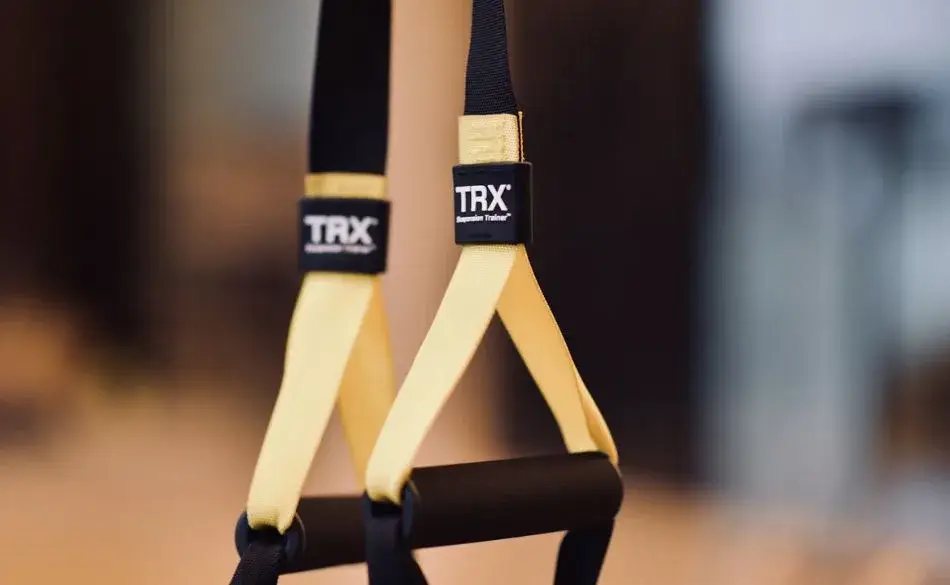

Fueling and Indoor Training Strategies That Boost Your Triathlon Bike Speed
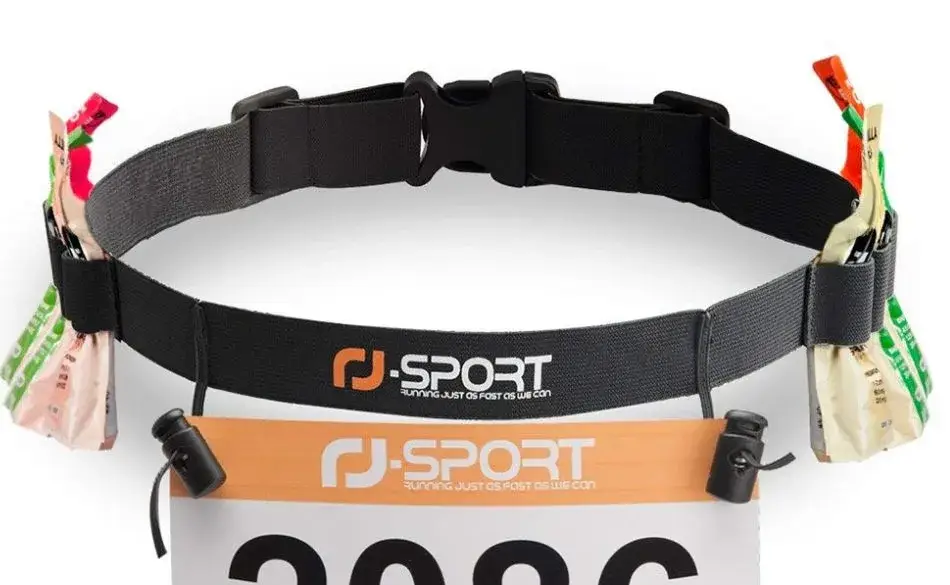
Riding faster is not only about fitness and technique. It is also about how well you fuel your body and how consistently you train. Both play a major role in your ability to hold strong power from start to finish. Many athletes forget that nutrition affects speed just as much as intervals. When you learn how to fuel the bike leg in a triathlon, your energy stays steady, your legs feel stronger, and your pacing becomes easier to control.
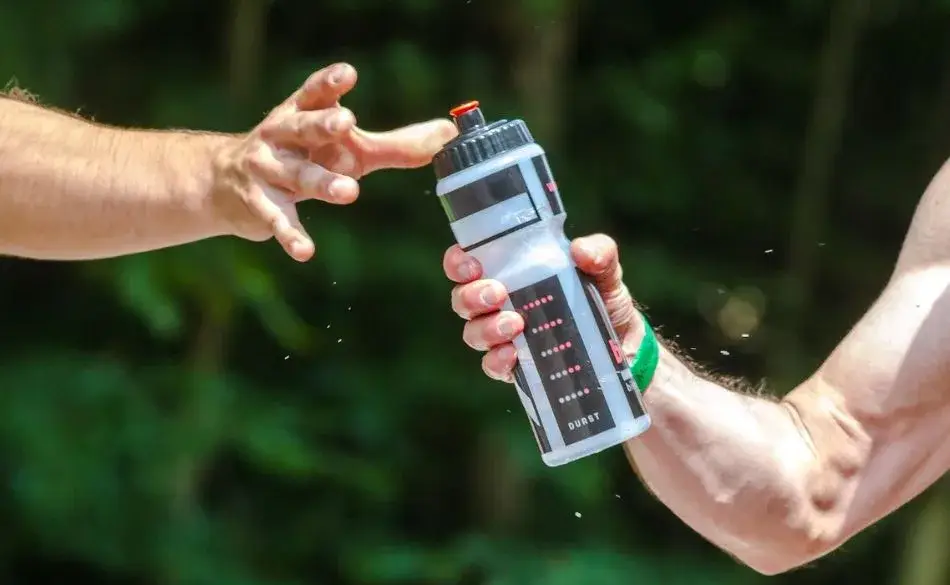
Your body relies heavily on carbohydrates during moderate to hard cycling. Research shows that taking in 30 to 60 grams of carbs per hour improves endurance performance by keeping blood sugar stable and giving your muscles a steady fuel supply. Hydration is just as important. Even a small level of dehydration can reduce power and slow reaction times. Practicing your fueling strategy in training makes everything feel smoother on race day.
Another powerful tool for improving bike speed is using structured indoor workouts. Many triathletes think they need long outdoor rides to build speed, but indoor cycling workouts for triathlon offer precise control, no traffic interruptions, and consistent effort. This helps you train specific power targets and pacing more effectively. Indoor sessions also make it easier to practice aero posture, high-cadence drills, and long sustained intervals without wind or terrain changes. If you want simple indoor sessions you can follow right away, this guide on 9 bicycle trainer workouts every triathlete needs gives you practical workouts to build strength and speed from home.
The table below compares two helpful approaches athletes use to boost speed: proper fueling and targeted indoor training. Both methods support stronger, more stable performance during the bike leg.
👉 Swipe to view full table
| Category | Fueling for Triathlon | Indoor Cycling Workouts |
|---|---|---|
| Main Benefit | Provides steady energy, supports higher power, and prevents late-race fatigue. | Builds power and pacing accuracy through controlled, focused efforts. |
| Key Focus | Carb intake, hydration timing, electrolyte balance, and gut training. | Structured intervals, cadence work, sustained efforts, and position practice. |
| Best For | Athletes who struggle with energy drops late in the bike leg. | Busy athletes who need effective sessions in shorter time windows. |
| Common Mistakes | Underfuelling, ignoring electrolytes, waiting too long to eat. | Riding without a plan, skipping warm-ups, holding poor posture. |
| Race Impact | Smoother energy, better pacing, and faster overall bike splits. | Improved power output, stronger control, and better fatigue resistance. |
When you combine good fueling habits with effective indoor sessions, you build steady energy and smart control. These two elements make your efforts feel smoother and help you ride faster during every part of the triathlon bike leg.

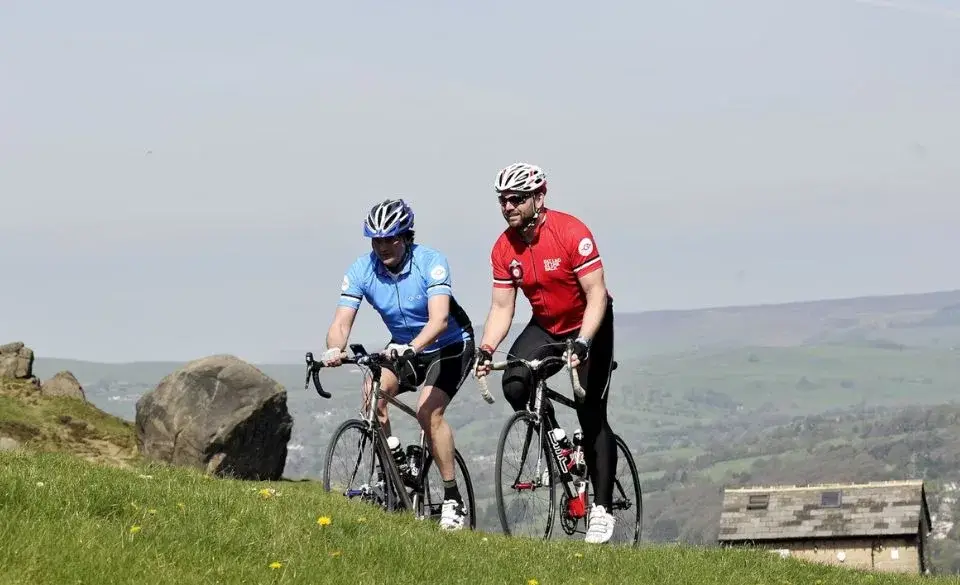
Master Cadence and Gear Choices to Ride Faster With Less Effort
One of the easiest ways to gain speed without working harder is to improve how you use your gears and manage your cadence. Many athletes focus only on power, but how you deliver that power matters just as much. Choosing the right rhythm helps you stay efficient, save energy, and maintain stronger pacing throughout the bike leg. Learning the best cadence for triathlon cycling can make your entire ride feel smoother and more controlled.
Most research suggests that a moderate cadence around 80 to 95 rpm helps many triathletes balance muscle load and cardiovascular effort. Riding with too low a cadence puts more stress on your legs and can make the run harder. Riding with too high a cadence increases heart rate and can lead to unnecessary fatigue. Finding the sweet spot for your body gives you the best mix of comfort and speed.
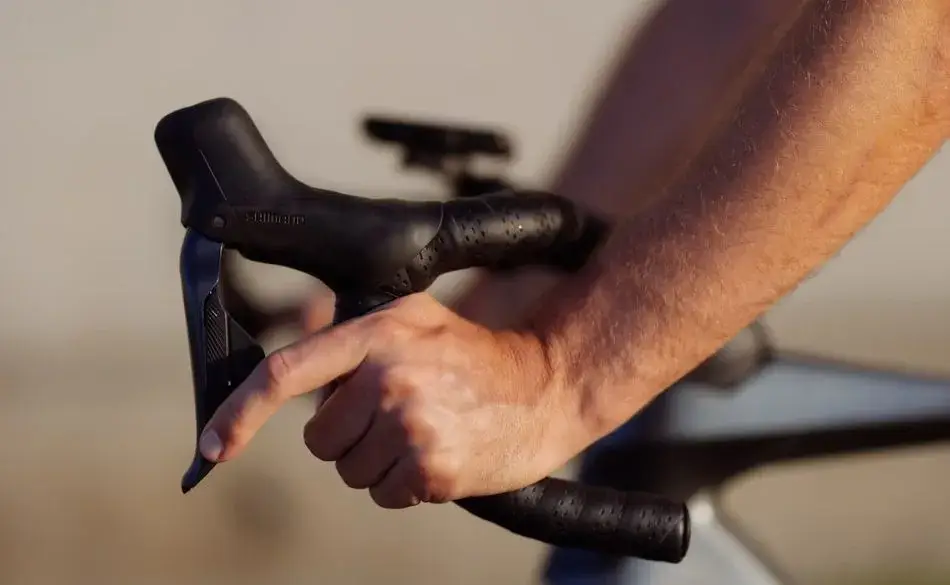
Your gear choices play a big role too. Shifting early and smoothly keeps your legs in control, especially on rolling terrain. Many beginners wait too long to shift and end up grinding the pedals, which wastes energy and makes it harder to hold speed. Smooth shifting helps you maintain momentum, which is one of the simplest ways to improve how to improve cycling speed for triathlon without added fitness.
Here are simple habits that help you stay in the right gear and cadence more consistently:
- Shift before the hill, not on the hill: This keeps your cadence steady and prevents sudden power spikes.
- Use small, frequent gear changes: Tiny adjustments help you stay efficient as the terrain changes.
- Check cadence on flat sections: Keep it in your ideal range so your legs feel fresh going into climbs.
- Stay relaxed in the upper body: Tension wastes energy and interferes with smooth pedaling.
As you get better at managing cadence and gears, your bike leg becomes more predictable. You ride faster without feeling rushed, and you keep more energy for the run. With steady cadence control, smart gear choices, and smooth transitions through the terrain, your entire triathlon performance begins to feel more connected and efficient.
If you want stronger pacing, better power, and smoother speed for your next Half Ironman, the Half Ironman Cycling Plan gives you a structured week-by-week program to help you ride faster without burning out early.
You’ll get targeted sessions, clear race-day strategies, and smart progressions designed to build power, control, and endurance for the full 90 km.
Explore the 70.3 Cycling Plan

The Simple Techniques That Tie Everything Together for Better Overall Speed
Once you have built better posture, strength, pacing, and fueling habits, the next step is learning how to bring everything together during your training rides. Your goal is not to rely on one single skill. Instead, you want all your improvements working at the same time. This is how riders make steady progress using triathlon cycling speed tips that feel natural rather than forced.
One important technique is practicing your race effort during controlled training sessions. These efforts help you understand how your body responds at different speeds and cadences. When you combine your improved aero position with your new pacing habits, you begin to notice how each part supports the others. Research shows that athletes who train with clear purpose become more efficient at holding steady power, especially over long distances.
Terrain management also plays a major role. Learning how to climb efficiently, descend safely, and hold strong speed on flats can make a major difference in your performance. This is where learning how to climb faster on the bike in a triathlon becomes valuable. Staying relaxed, shifting early, and holding a steady cadence help you stay in control rather than burning out early on the hills.
Another important part of tying everything together is practicing transitions between different riding demands. These include changes in terrain, wind shifts, and variations in pace. Many athletes wait until race day to experience this kind of variability, but including it in training helps you stay calm and confident when things change suddenly.
Try blending your skills during weekly sessions. Practice holding aero position on rolling hills, test pacing in windy sections, and rehearse climbing while keeping cadence steady. The more you combine these skills, the smoother and more predictable your race efforts become.
Your Path to Faster Triathlon Cycling Starts With Small, Smart Changes
Speed on the triathlon bike does not come from one big secret. It comes from simple actions you repeat until they become part of your riding. When you look at everything you have learned so far, you can see how each skill supports the next. Good posture helps you hold aero more comfortably. Better pacing helps you stay strong when others fade. Smart fueling keeps your energy steady. Strength training supports control and power. All of these pieces work together to lift your speed in a way that feels natural and sustainable.
The best part is that none of these improvements require long training hours or expensive upgrades. They come from understanding how your body works and learning how to ride with more purpose. When you build habits around smooth pedaling, steady cadence, and relaxed upper-body control, you protect your energy for where you need it most. This is the key to feeling strong through the entire bike leg and confident when you begin the run.
As you keep practicing these skills, you will notice your rides start to feel easier. Your speed becomes more consistent. You feel calmer in the aero bars. Hills and wind feel less stressful because you know how to manage your gears and cadence. Even busy weeks start to feel productive when you focus on small, high-value improvements.
Your journey does not have to be complicated. Start with one change. Then add another. With time, these simple steps create real speed and real confidence. And when you look back after your next race, you will see how far these small improvements have carried you.