Why Carrying Your Phone Feels Harder Than It Should
Running with your phone sounds simple, but it often becomes uncomfortable the moment you start moving. Many runners notice their phone bouncing, shifting, or feeling heavier than expected, and that small distraction can make the entire run feel off. What seems like a tiny detail quickly becomes something you can’t ignore.
Your body reacts to weight changes more than you might think. Even a light phone can alter how your arms swing or how your core stays balanced, which is why finding the best way to hold your phone when running rarely feels straightforward. It may feel fine at first, but as your pace settles in, your body begins to notice the imbalance.
Those small adjustments add up. If your phone sits on one side, your shoulders may tense or your arms may move unevenly without you realising it. Over a few kilometres, that tension can make your run feel harder, even though nothing about your fitness has changed.
As your stride lengthens, the problem grows more noticeable. Faster running increases impact forces, so an unsecured phone bounces more with each step. When you haven’t dialed in how to keep your phone secure while running, that movement pulls focus away from your breathing, posture, and pacing. It can even make it harder to judge your rhythm or distance, so guides like how far did I just run become useful as you refine your setup.
Then there’s sweat, which creates its own layer of frustration. Warm days and long efforts can soak pockets and sleeves, and many runners only consider a waterproof phone pouch for runners after they’ve already dealt with moisture affecting their device.
If you’ve ever wondered why such a small item causes so much trouble, the answer is simple: your setup just isn’t matched to your body’s movement yet. Once you understand where your phone should sit and how to stabilise it, the discomfort fades. Running feels smoother, and the phone becomes something you barely notice instead of something that interrupts every step.
If you’d like support that adapts to your goals, pace, and training style, our Running Coaching gives you a structured plan, clear direction, and steady progress toward becoming a stronger, more efficient runner.
Your coach tracks your sessions through TrainingPeaks, reviews your weekly progress, and adjusts your plan so every step feels purposeful and aligned with where you want to go.
With personalised support, you gain confidence, consistency, and the momentum you need to enjoy running more than ever.
Learn More →

What’s the Best Way to Carry Your Phone While Running?
Once you understand why carrying your phone feels uncomfortable, the next step is finding a method that works with your stride instead of interrupting it. The goal is not only to hold your device but to keep it stable enough that you hardly notice it during your run. This is why learning how to carry your phone while running matters more than most runners realise. A stable setup keeps your posture relaxed, reduces bounce, and helps you stay focused on the road ahead.
The first thing to think about is where the phone sits on your body. When it stays close to your center, especially around your hips or core, your movement usually feels smoother. Your phone moves with you, and your shoulders stay relaxed instead of tightening from uneven weight. Many runners only notice the difference after comparing a few options and discovering how much easier the run feels with the right placement.
Here are common carrying methods that runners test when searching for the most comfortable fit:
- Tight shorts or leggings pocket
Works well when the pocket is centered and snug so the phone does not shift while you move. - Running belt
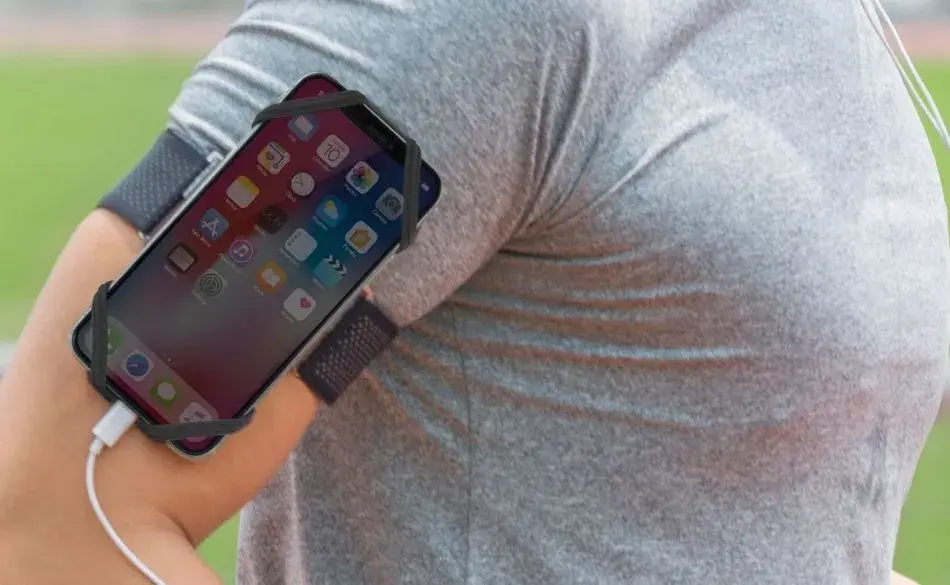
Offers strong stability because it wraps around your hips and absorbs motion as you run. - Phone armband
Keeps the phone visible and easy to reach but may feel tight, especially with colder weather layers. - Running vest
Best for longer runs where you carry fluids or snacks and want balanced storage across your torso. - Sports bra with built-in pocket
Provides a secure and centered placement when the pocket is firm and does not sag.
Each method has strengths and limitations. This is why many runners quietly compare running armband vs running belt during training until one feels completely natural. What you want is a setup that stays stable during pace changes, does not create pressure points, and still lets you reach your phone when you need it.


How To Stop Your Phone From Bouncing While You Run
Once you have chosen how to carry your phone, the next big problem is movement. A slight bounce at the start of a run can turn into a constant annoyance after a few kilometres. Learning how to stop your phone from bouncing while running is one of the fastest ways to make carrying it feel natural and comfortable.
Bouncing usually happens when there is space between your phone and the fabric holding it. Every time your foot hits the ground, that gap lets the phone lift and drop. Over time, this repeated motion not only distracts you but can also make your hips, lower back, or shoulders work harder than they should.
The good news is that small changes often fix the issue. Instead of buying completely new gear, you can often adjust what you already have so the phone sits flatter, tighter, and closer to your centre. When the device feels like part of your body rather than a loose object, your stride feels smoother and easier to control.
Here are simple ways to reduce bounce and improve comfort:
-
Tighten your belt or strap slightly
Aim for a firm hold that still lets you breathe and move freely, but does not allow the phone to lift away from your body. -
Move the phone to the middle of your body
Placing it at the front or back of your waistband often feels more stable than on the side because each step affects both sides evenly. -
Choose flat, close-fitting pockets
Pockets that sit flush against your body help the phone stay in one place instead of swinging or tilting during the run. -
Test your setup at home first
Jog gently on the spot or along a short hallway and notice any movement before you head out for a longer session.
When you take time to tune these small details, you feel the difference quickly. Your shoulders relax, your stride feels more natural, and your focus returns to breathing, pacing, and enjoying the run instead of worrying about your phone.


Comparing the Best Ways to Carry Your Phone While Running
Once you know you want to run with your phone, the next big step is choosing the method that fits you best. There is no single perfect answer for everyone. Your body shape, running style, and training goals all play a role. That is why it helps to compare the main options side by side so you can see which one matches what you need most.
Most runners end up deciding between a belt, armband, vest, tight pocket, or sports bra pocket. Each option can work well if used correctly, but each also has trade-offs. For example, a running belt often feels very stable, while a phone armband keeps the screen closer to your eyes. A running vest spreads the weight across your torso, while tight pockets keep things simple for shorter runs. If you are still unsure about how to carry your phone while running, it helps to see how these choices differ in stability, comfort, and access.
One of my coaching clients once tested several setups during a training block. She started with a loose pocket, then tried an armband, and finally switched to a belt. Her feedback was clear. The armband felt fine for easy runs but bothered her on longer sessions, while the belt stayed comfortable and steady no matter the pace.
To help you make the same kind of clear choice, here is a detailed comparison of the main carrying methods runners use most often.
👉 Swipe to view full table
| Category | Running Belt | Phone Armband | Running Vest | Tight Pocket | Sports Bra Pocket |
|---|---|---|---|---|---|
| Stability | Very stable when fitted snug around the hips. | Stable on easy runs, can feel loose at higher speeds. | Highly stable as weight is spread across the torso. | Stable if pocket is centered and compressive. | Stable when pocket is firm and well supported. |
| Bounce Control | Excellent control with minimal bounce. | Low bounce, but strap tightness is important. | Very low bounce, ideal for long distances. | Can bounce if fabric stretches or pocket is loose. | Low bounce when the garment fits correctly. |
| Comfort | Comfortable for most body types when adjusted well. | May feel tight or rub on the upper arm. | Comfortable once you are used to the extra fabric. | Feels natural but may hold more sweat. | Comfortable if there is no pressure or sagging. |
| Access During Run | Good access, but may require slowing slightly. | Very easy to view and tap the screen. | Moderate access, depends on pocket design. | Harder to reach while running at pace. | Limited access without stopping or slowing. |
| Best For | Most runners who want hands free stability. | Runners who check their phone often. | Trail and long distance runners carrying extra gear. | Short runs or simple daily sessions. | Runners who prefer minimal extra gear. |
When you look at the options in this way, it becomes easier to see which method matches your needs. If stability is your top priority, a belt or vest will likely feel best. If you want quick screen access, an armband might suit you more. The key is to match the method with your habits and comfort so that your chosen setup feels like a natural part of every run, and you can explore even more simple gear ideas in this helpful guide on running accessories that every runner should own to support your training.

How To Protect Your Phone From Sweat, Weather, and Movement
Running exposes your phone to more than just motion. Sweat, rain, and temperature changes can all affect how well your phone works and how long it lasts. Many runners focus only on how to carry their phone, but protecting it is just as important. Once you understand how moisture and heat move around your body during a run, it becomes easier to choose a setup that keeps your phone safe and working well, and resources like this guide on running equipment for winter can help you stay prepared for harsher conditions.
Sweat is the biggest factor. Even on cooler days, constant movement builds heat, which pulls sweat into pockets and fabric. If your phone sits in a warm spot with little airflow, moisture can collect around the screen or charging ports. This is why so many runners eventually look for a solution like a waterproof phone pouch for runners, especially once they realise how much sweat their device absorbs during longer sessions. Keeping the phone dry doesn’t just protect it. It also keeps the screen responsive and prevents fogging inside the case.
Weather can create challenges too. Light rain might seem harmless, but wind and movement push water into seams and openings you wouldn’t normally notice. Cold conditions can make your phone drain faster, while hot weather can cause overheating if the device sits too close to your skin. This is why choosing a method that adds a small protective barrier, rather than relying on clothing alone, becomes so valuable.
Here are simple ways to protect your phone throughout your run:
- Pick a sweat-resistant pocket or pouch
This keeps moisture from settling around your device and protects screen sensitivity. - Use a light protective layer in rainy conditions
Even a thin waterproof sleeve can prevent water from building up during steady movement. - Keep your phone slightly away from direct skin contact
This reduces heat buildup and keeps the device from absorbing sweat. - Check your setup before long runs
A quick test jog allows you to feel for rubbing, overheating, or moisture pockets.
When you take a few moments to set up your phone properly, your device stays safer, your run feels smoother, and you avoid the frustration of sweat-damaged buttons or foggy screens.


How To Run Safely With Your Phone at Night
Running at night can feel peaceful and quiet, but it also brings a few extra challenges that you don’t face during the day. Your phone becomes even more important because it keeps you visible, connected, and aware of your surroundings. When you understand how to make small adjustments to your setup, you can enjoy the calm of night running while still staying safe and confident. The key is making sure your phone stays secure, easy to reach, and protected from the darkness around you.
The first thing to think about is visibility. You want drivers, cyclists, and other runners to see you from a distance, and your phone can help with that. Many runners keep their device in a running belt or vest so it stays stable while still giving off just enough light from the screen or flashlight if needed. A setup like this prevents fumbling and keeps your stride smooth, especially when you are learning how to keep your phone secure while running in low-light conditions.
Your surroundings matter too. Night running can feel different because you see less, so having your phone in a place where you can access it quickly helps you feel more aware and in control. Whether you need to change music, check a map, or call someone, a stable carrying method reduces stress and keeps your focus forward. Many runners also use safety apps that share their location, which makes carrying a phone even more valuable when the sun goes down.
Here are simple ways to stay safe and comfortable while running at night:
- Wear reflective clothing or bands so your movement stands out against the dark.
- Keep your phone in a centered spot such as a belt or vest for stability.
- Use your phone’s flashlight only when needed so you avoid glare.
- Allow easy access to maps or safety apps by practicing your setup before heading out.
When you build a system that supports visibility, comfort, and awareness, your phone becomes a helpful tool rather than something you worry about. You run with more confidence, and the night becomes a space you can enjoy instead of avoid.


How To Track Your Run Without Holding Your Phone
There may be days when you want to bring your phone but don’t want to hold it at all. This is especially common for runners who track pace, distance, or heart rate but dislike the feeling of objects in their pockets or hands. Thankfully, technology now gives you several ways to track your run without carrying the phone itself. The goal is to keep your movement natural while still recording everything you need for training, and if you’re still building your running base, this helpful guide on how to start running can give you a simple place to begin.
The easiest solution is using a smartwatch with built-in GPS. These watches track distance and pace accurately, even when your phone stays at home or tucked away in your gear. Many runners start this way because it frees their hands and keeps their posture relaxed. The watch later syncs with your phone, so you still get full access to your data without needing the device during the run. This setup pairs well with runners who prefer lighter gear or want to reduce distractions.
Another option is using wireless headphones that connect directly to your watch instead of your phone. This lets you listen to music or podcasts without carrying anything extra. Some runners even combine a running belt with their phone stored away but untouched the entire time. That way, the device is present for safety while tracking is handled by the watch alone. It works well if you like having your phone with you but don’t want to interact with it.
You can also keep your phone in a stable spot such as a running vest or belt and rely on auto-tracking through apps that start and record without input. When the phone sits close to your center, it blends into your movement and keeps your tracking smooth. If you prefer more guidance from your devices, you might find this detailed guide on running coach apps helpful as you explore tools that support your training goals. This approach helps runners who still want mapping, emergency access, or music but prefer not to think about the phone itself.
When you understand the different ways tracking works, you can choose the option that fits your style. Whether you rely on a watch, synced headphones, or a secure pocket, your run feels cleaner and more natural without the device in your hand.
If you want a clear, structured path to improve your running without guessing what to do next, our Running Training Plans give you simple, progressive sessions designed to help you build fitness, confidence, and consistency at your own pace.
Each plan is created by experienced coaches and delivered through TrainingPeaks, making it easy to follow your workouts, stay organised, and track your progress week after week.
With a supportive, well-structured program, you can enjoy steady improvement, reduce training stress, and feel more motivated every time you lace up.
View Plans →
Making Your Phone a Stress-Free Part of Every Run
Running with your phone doesn’t have to feel awkward, distracting, or uncomfortable. Once you understand how your body reacts to small shifts in weight, it becomes much easier to choose a setup that works with your movement instead of against it. The right method keeps your phone steady, reduces bounce, and protects it from sweat and weather so you can focus fully on your run.
You’ve also seen how much your comfort changes when your phone sits close to your center. Whether you use a belt, armband, vest, or pocket, the goal is always the same. Your phone should feel like it’s part of your stride, not something you’re fighting to control. With the right fit and the right carrying method, the entire run becomes calmer and more enjoyable.
Small adjustments make a big difference. Tightening a strap, shifting the phone to a better spot, or choosing a sweat-resistant pouch can completely change how your run feels. These details help you move naturally and stay relaxed, which improves your rhythm and reduces the small frustrations that build over time. When you take a few minutes to test your setup before longer sessions, you save yourself from discomfort later.
You also learned how important it is to protect your device. Sweat, weather, and heat can all affect your phone if it sits in the wrong place. Choosing a secure carrying method that shields your device helps it last longer and perform better. It also keeps your focus where it belongs, on your breathing, posture, and pace.
The best part is that once you find your ideal setup, carrying your phone becomes effortless. You stop noticing the weight, the movement, or the device itself. What you do notice is how much smoother your runs feel and how much more confident you are knowing your phone is safe, accessible, and completely out of the way.