Quick Answer
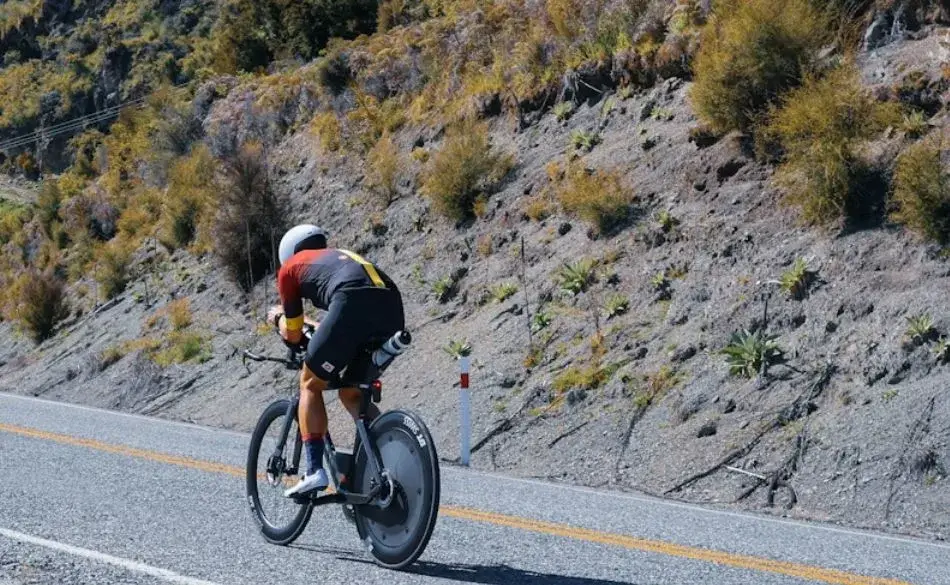
You train for the Ironman bike leg by building aerobic durability, developing sustainable power, practising disciplined pacing, and refining fuelling under race-specific conditions. Unlike shorter races, the 180km ride is not about producing peak watts — it is about riding within your limits so you can start the marathon composed. Successful preparation focuses on long rides, controlled intensity (typically 0.65–0.75 IF for most age-group athletes), position sustainability, and avoiding overbiking.Why the Ironman Bike Leg Decides Your Marathon
Before we get into sessions and structure, it’s important to understand the role the bike actually plays in an Ironman. The 180 kilometres are not simply a standalone endurance effort placed between the swim and the run. They form the platform that determines how well you execute the marathon.
The bike leg is where most pacing errors occur. Unlike shorter races, where small surges can be absorbed, Ironman magnifies every decision. Riding slightly above target power for extended periods may not feel dramatic in the moment, but over five to six hours those small overreaches accumulate fatigue that only becomes visible later on the run. What feels manageable at 90 kilometres can become costly 25 kilometres into the marathon.
From a coaching perspective, I see this pattern repeatedly. An athlete rides aggressively because conditions feel good or competitors surge, and power drifts just above sustainable levels. The run then becomes a matter of survival rather than execution. The issue is rarely a lack of fitness. More often, it is a lack of discipline.
For that reason, Ironman bike training must focus on sustainable output, controlled pacing, and metabolic stability. You are not training to produce peak watts. You are training to hold steady power for hours while fuelling consistently and maintaining aerodynamic efficiency.
If you want to explore how these principles apply across swim, bike, and run development, you can browse our triathlon fitness articles for broader insights into balanced Ironman preparation.
When you understand that the bike leg is not about riding hard but about riding correctly, your entire preparation changes. Instead of chasing numbers, you begin building durability and control — the qualities that protect your marathon.
When Should You Start Ironman-Specific Bike Training?
Once you understand how heavily the bike influences your marathon, the next logical question becomes timing. When should you move from general cycling fitness to true Ironman-specific preparation?
For most athletes, structured Ironman bike development should begin approximately 16 to 24 weeks before race day. That does not mean immediately riding at race intensity or dramatically increasing volume. Instead, it involves gradually extending aerobic duration while carefully introducing race-specific work within the context of your overall swim and run load. The bike must evolve within the total structure of your program rather than compete with it. If you are following a comprehensive training program for Ironman triathlon, bike development should always align with swim load and run durability rather than exist in isolation.
In the early phase, aerobic durability is the priority. Long rides should progressively build toward 5 to 6 hours for most beginner and intermediate full-distance athletes, depending on expected race duration and background. The emphasis during these sessions is steady output, fuelling consistency, and stable cadence rather than chasing speed. Athletes who rush into aggressive interval work without first establishing this base often struggle to maintain control deep into long rides.
As the aerobic platform strengthens, sustained race-pace work can be layered into the final third of longer sessions. For full Ironman racing, most age-group athletes typically compete between 0.65 and 0.75 IF (65–75% of FTP). Where you sit within that range should reflect your durability and run strength. Athletes with proven marathon resilience may operate closer to 0.72–0.75 IF, while others are better served staying toward 0.65–0.70 IF to protect the run. The objective is disciplined execution rather than raw power.
Progression must remain gradual. Sudden increases in duration or intensity often create fatigue that undermines run quality. First build endurance, then develop sustainable power, and finally refine execution. That sequence prepares you to ride 180 kilometres with control rather than simply survive it.

How Many Bike Sessions Per Week Do You Actually Need?
Once timing is clear, the next question becomes structure. How many bike sessions are actually required to prepare for 180 kilometres without compromising your run?
For most age-group athletes, three to four bike sessions per week is more than enough when structured correctly. If you prefer to follow a structured progression rather than build it yourself, a detailed Ironman triathlon training plan can help align your bike, run, and swim load within a cohesive framework. The objective is not daily riding, but layered development across the week. You want to build aerobic durability, raise your threshold ceiling, and then refine race execution — all without accumulating fatigue that interferes with your run training.
Typically, one session each week should focus on threshold development. These efforts might include sustained work at 90–95% of FTP to improve your aerobic ceiling — for example, 2 × 20 minutes at 90–92% FTP with controlled recovery between efforts. If you want to understand FTP more deeply and how it applies to Ironman pacing, see our article on what FTP really means in cycling. Raising threshold makes planned Ironman intensity feel more economical and manageable.
Alongside this, one long ride should progressively build toward 5 to 6 hours for most beginner and intermediate athletes, depending on expected race duration. Within these sessions, race-specific work is layered at approximately 0.65–0.75 IF (65–75% of FTP), with most athletes performing best toward the middle of that range. This is where you practise pacing control, fuelling discipline, and holding aerodynamic position under fatigue. The emphasis is controlled execution rather than power testing.
The remaining session can include steady aerobic riding or a purposeful brick that links bike pacing to run performance. Importantly, the majority of your weekly cycling volume should remain aerobic. When too many sessions drift into moderate or high intensity, fatigue accumulates quickly and the run begins to suffer.
By clearly separating threshold development from race-specific execution, your training becomes precise and sustainable. You are not simply riding hard. You are building the engine and then teaching it to perform steadily for 180 kilometres.
Structuring the Long Ride for 180km Success
The long ride is the cornerstone of Ironman bike preparation. However, it is not simply about accumulating hours in the saddle. It is about building the durability and pacing discipline required to ride 180 kilometres while still protecting the marathon.
For beginner and intermediate athletes, long rides should gradually progress toward 5 to 6 hours, depending on expected race duration and overall training balance. Athletes anticipating a bike split beyond six hours may occasionally extend slightly longer closer to race day, but regularly riding excessively long sessions often creates recovery cost that compromises run development. The objective is to build resilience without accumulating fatigue that carries into the following week.
Progression should remain steady rather than aggressive. Increasing ride duration by approximately 20–30 minutes every one to two weeks is typically sustainable, provided recovery remains stable and run sessions continue to feel controlled. If long rides consistently disrupt key run workouts, overall volume is likely too high.
The majority of the long ride should sit within a repeatable aerobic range. Early in the build, the emphasis is steady power, fuelling consistency, and position stability. You are training your body to metabolise carbohydrate efficiently, maintain aerodynamic posture, and produce controlled output for extended periods without unnecessary strain.
As race day approaches, race-pace work can be layered into the final third of the ride. These blocks should feel controlled and sustainable rather than tense or demanding. You should be able to hold position comfortably, fuel consistently, and maintain stable heart rate without surging over terrain. If the effort requires constant mental restraint, intensity is likely too high.
When structured correctly, the long ride becomes a rehearsal for race execution. It develops durability, reinforces pacing confidence, and builds the control required to ride 180 kilometres while still running well.


How to Avoid Overbiking on Race Day
Even with strong training behind you, the biggest threat to your Ironman marathon is not a lack of fitness. It is overbiking. Many races are decided long before the run begins, and most pacing mistakes occur in the first half of the bike.
Early in the ride, effort often feels deceptively easy. Adrenaline is high, the field is moving quickly, and the body still feels fresh from the swim. However, because the race is long, small surges above planned intensity accumulate a cost that only becomes visible hours later. Riding slightly too hard into headwinds, pushing over rolling terrain, or reacting emotionally to other athletes may not feel dramatic in the moment, but over 180 kilometres those decisions compound.
Avoiding overbiking requires discipline. You must hold steady power on flats, control effort over climbs, and resist the urge to surge when others accelerate. On rolling terrain in particular, repeated power spikes can quickly raise normalized power and increase metabolic cost without delivering meaningful time gains.
Race day execution should feel stable through the first half of the bike. If heart rate drifts upward despite steady conditions, or if holding position begins to feel tense, intensity is likely too high. The strongest Ironman rides are rarely aggressive; they are consistent.
When you ride within yourself early, you give your marathon a chance. When you overextend, the run becomes damage control. In Ironman racing, discipline on the bike is what earns freedom on the run.


Connecting the Bike to the Run
The bike directly shapes what happens in the opening kilometres of the marathon. Every pacing decision, fuelling choice, and effort surge on the bike carries forward into the first 10 kilometres of the run.
This is why bike training cannot exist in isolation. Brick sessions play an important role, not because they are extreme, but because they teach you how the body transitions from cycling fatigue to running mechanics. The first few kilometres off the bike should feel stable rather than chaotic. If you consistently exit long rides unable to settle into rhythm, that is clear feedback that bike intensity is too high.
In training, purposeful brick runs of 20 to 40 minutes following long or race-pace rides are usually sufficient for beginner and intermediate athletes. The goal is not speed, but learning how to control cadence, posture, and breathing under accumulated fatigue. When these sessions feel manageable, you are likely riding within appropriate intensity. When they feel forced, the issue is usually pacing rather than run fitness.
The bike should leave you feeling composed, not depleted. On race day, the opening kilometres of the marathon should feel almost conservative. If you are immediately fighting to hold form, something went wrong on the bike.
When bike training and run durability are developed together, the transition becomes predictable rather than stressful. That predictability builds confidence. In Ironman racing, that confidence often separates a steady marathon from a difficult one.
For a deeper dive into marathon-specific training off the bike, see our guide on how to train for the Ironman marathon.

Fueling the Bike to Protect the Run
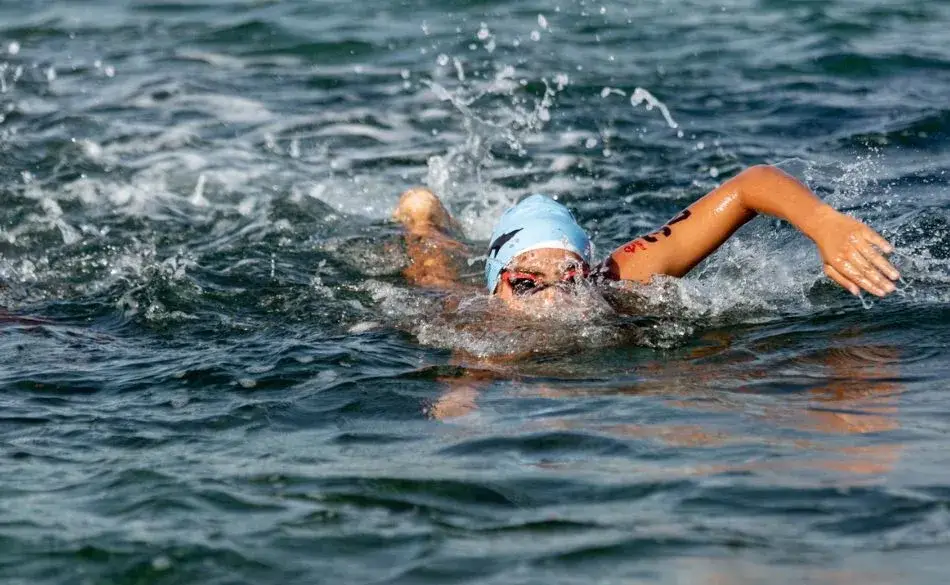
By the time you begin the Ironman marathon, fuelling decisions made on the bike are already influencing how you feel. Energy levels, heart rate stability, and pacing discipline are all directly connected to how well you managed nutrition during the 180 kilometres.
For beginner and intermediate athletes, the bike is the primary opportunity to fuel properly. Unlike the run, where intensity and gastrointestinal stress are higher, the bike allows more consistent carbohydrate intake and fluid management. This is where you must be deliberate.
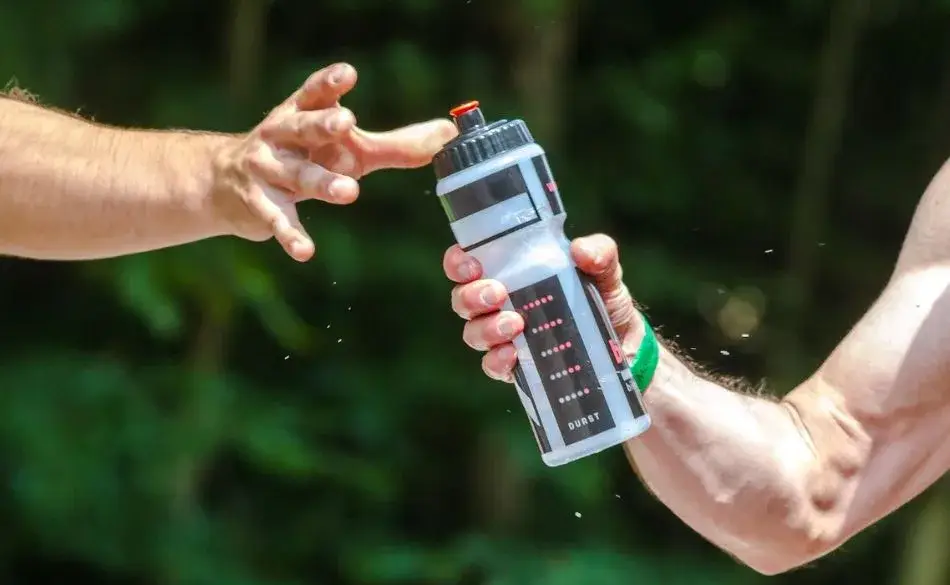
Most athletes will aim for approximately 60–90 grams of carbohydrate per hour, depending on tolerance and experience. Beginners may sit closer to the lower end initially, gradually increasing intake as gut tolerance improves in training. Fuelling should begin early rather than waiting for fatigue to appear. If you wait until you “feel low,” you are already behind.
Hydration and electrolytes matter just as much. Sweat rate, temperature, and pacing intensity all influence fluid needs. Practising this during long rides is essential, because what works comfortably for two hours may not hold up at five. Intake should feel steady and automatic rather than reactive.
If you consistently struggle to run well off the bike despite appropriate pacing, fuelling is often the missing variable. Stable energy supports stable pacing, and stable pacing protects the run.
When bike nutrition is rehearsed properly in training, race day becomes execution rather than experimentation. In Ironman racing, execution almost always beats guesswork.
Aerodynamics and Holding Position for 180 Kilometres
Fitness alone does not determine how strong you ride in an Ironman. Position sustainability plays a major role. Over 180 kilometres, aerodynamic efficiency can save significant energy — but only if you can hold your position comfortably for hours.
For beginner and intermediate athletes, the goal is not the most aggressive position possible. It is the most aerodynamic position you can maintain for five to six hours without excessive strain. If your shoulders tighten, your neck fatigues, or your hips close excessively, power output becomes inconsistent and fuelling becomes more difficult.
Training rides should include deliberate periods in race position. It is not enough to complete long hours sitting upright and assume you will hold aero comfortably on race day. You must practise maintaining position while fuelling, drinking, and managing terrain changes. Even small posture shifts repeated over time increase energy cost.
Comfort and control are more valuable than marginal aero gains you cannot sustain. A slightly less aggressive position that allows stable power, consistent breathing, and relaxed shoulders will outperform a theoretically faster but unsustainable setup.
If you find yourself sitting up frequently during long rides due to discomfort, that is useful feedback. Adjustments to bike fit, core strength, or position strategy may be required. Ignoring these signals during training often leads to rising heart rate and muscular fatigue late in the race.
When position stability and pacing discipline align, efficiency improves naturally. You conserve energy without forcing output — and that conservation is what protects the marathon.


Common Ironman Bike Mistakes Beginners Make
Even with a solid training plan, small decisions can quietly undermine your Ironman bike performance. Most beginner mistakes are not dramatic. They are subtle pacing and execution errors that compound over hours.
The first mistake is riding emotionally rather than strategically. Surging to match other athletes, pushing harder into headwinds, or attacking small climbs may feel competitive in the moment, but these efforts increase metabolic cost without delivering meaningful time gains. Over 180 kilometres, repeated power spikes accumulate and show up later on the run.
The second mistake is neglecting fuelling discipline. Skipping early intake because you “feel fine” almost always leads to late-race fatigue. Likewise, consuming large amounts irregularly instead of maintaining steady intake can cause gastrointestinal stress. Consistency protects performance.
Another common issue is overestimating sustainable intensity. Many beginners aim too high within their planned race range, forgetting that durability and run strength determine where they should sit. Starting near the upper end without proven resilience often leads to fading in the final hour.
Finally, ignoring position comfort in training creates problems on race day. If you cannot hold aero comfortably for extended periods, power becomes inconsistent and energy cost rises.
Ironman bike success is rarely about doing something extraordinary. It is about avoiding preventable mistakes. Discipline, fuelling consistency, and pacing restraint almost always outperform aggression.


Tapering the Bike Before Race Day
After months of structured preparation, the final two to three weeks before race day are about sharpening rather than building. The purpose of the taper is not to gain additional fitness, but to reduce accumulated fatigue while maintaining rhythm and confidence.
For beginner and intermediate athletes, overall bike volume should gradually decrease across the final 14–21 days. Long ride duration is reduced, but intensity does not disappear entirely. Short, controlled efforts at planned race intensity can be included within shorter sessions to maintain neuromuscular sharpness and pacing familiarity. You are reminding the body how to ride efficiently, not testing its limits.
The final long ride is typically completed two to three weeks before race day. From that point forward, total duration decreases while frequency may remain relatively consistent. This helps preserve movement quality without adding unnecessary fatigue. If rides feel sharp and controlled during taper, that is appropriate. If they feel draining, intensity is likely too high.
It is also important to resist the urge to “prove fitness” late in the build. Hard threshold sessions within the final 10 days rarely improve performance and often leave residual fatigue that carries into race morning.
A well-executed taper leaves you feeling slightly restless but physically fresh. Your legs should feel responsive rather than heavy. When race day arrives, the durability you have built can express itself fully because accumulated fatigue has been reduced.
When tapering is executed properly, the bike leg feels controlled from the start — and that composure carries into the marathon.


Riding 180km Strong Is About Control, Not Power
When you step back and look at the full picture, Ironman bike training is not about producing impressive power numbers. It is about building the durability and discipline required to ride 180 kilometres in a way that protects the marathon.
The strongest Ironman bike performances are rarely aggressive. They are built on disciplined control — months of steady aerobic development, purposeful long rides, consistent fuelling practice, and clearly defined pacing boundaries. Threshold work raises your ceiling, long rides develop durability, race-pace segments refine execution, and brick sessions confirm that your intensity choices remain sustainable under fatigue.
For beginner and intermediate athletes, the temptation is often to chase confidence through harder sessions or longer rides. However, confidence in Ironman racing does not come from exhaustion. It develops through repetition and restraint. When pacing feels familiar, fuelling becomes automatic, and position comfort remains sustainable for hours, race day execution becomes predictable rather than uncertain.
Ultimately, riding 180km strong in an Ironman is not about finishing the bike feeling fast. It is about starting the marathon feeling composed. If you dismount knowing you held steady power, fuelled consistently, and avoided emotional surges, you give yourself the opportunity to run well.
Control on the bike earns freedom on the run. In Ironman racing, that is what matters most.
Understanding how to train for the Ironman bike leg is one thing. Executing the right long rides, race-pace sessions, threshold work, and fuelling strategy week after week is where most athletes fall short. Small pacing mistakes on the bike often show up in the final hour of the marathon.
If you want a clear, structured approach to Ironman bike preparation, Ironman cycling training plan at SportCoaching provides progressive long rides, race-intensity guidance, pacing control, and structured development designed specifically for the demands of the 180km bike leg.
View the Ironman cycling training plan