What Are the Official Ironman Distances?
When people talk about the Ironman Distances, they often mention the number Ironman 140.6. That number represents the total miles you cover in one race. It includes the swim, bike, and run. Even if you’ve heard the number before, it can still feel unreal when you picture yourself doing it.
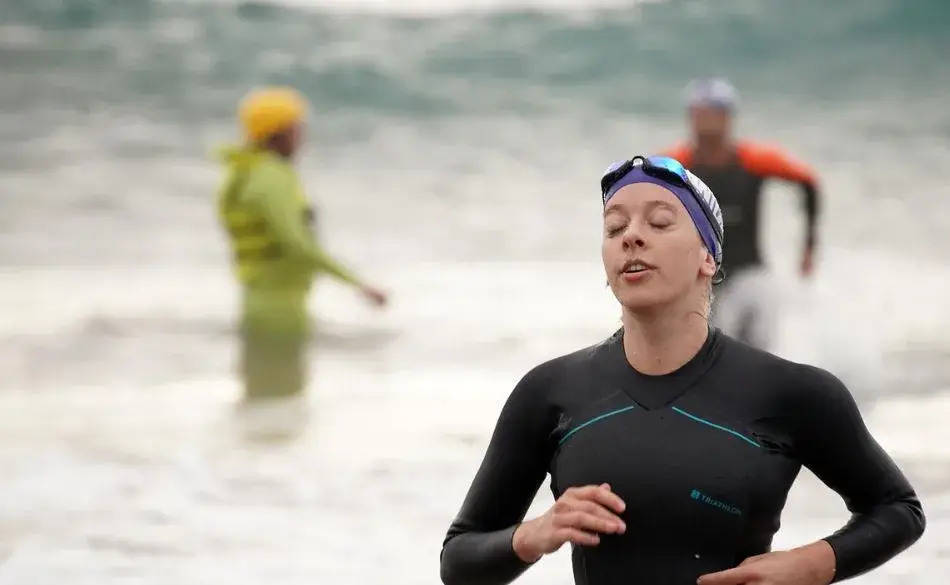
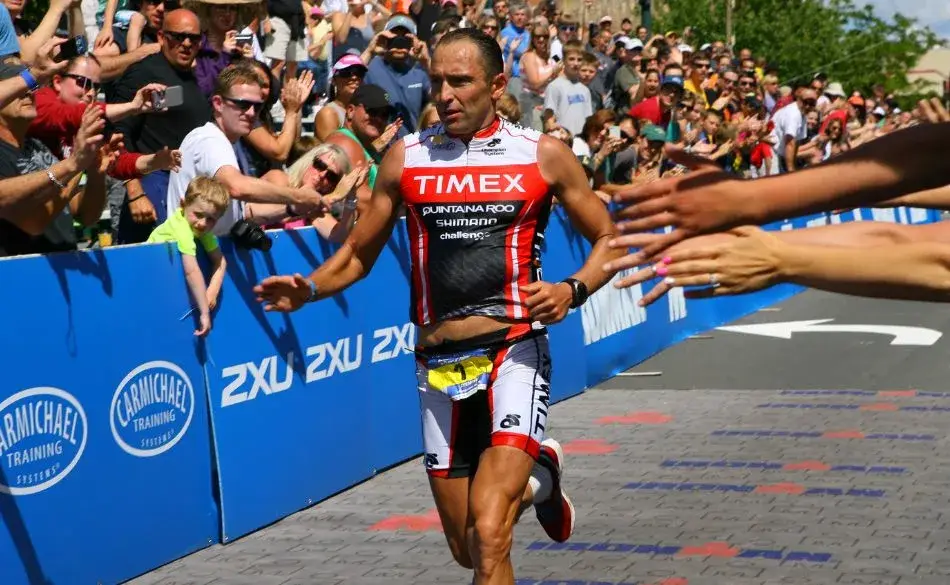
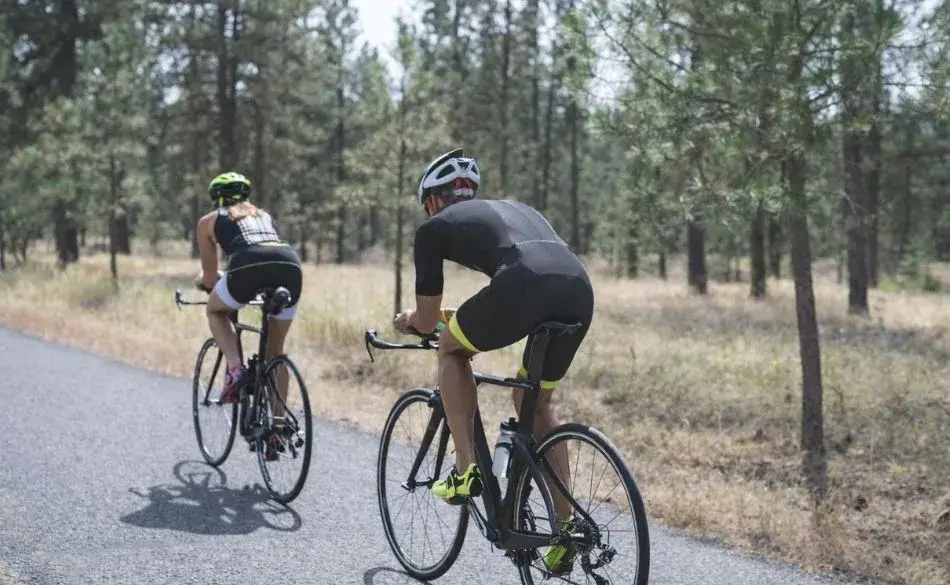
The Ironman triathlon distance is built from three parts. First, you complete an open-water swim of about 3.9 kilometres, which equals 2.4 miles. That’s the official Ironman swim distance used at almost every full Ironman race worldwide. After the swim, the longest part of your day begins. The Ironman bike distance is roughly 180.2 kilometres, or 112 miles. Then you finish strong with the Ironman run distance, a full marathon of 42.2 kilometres.
These distances are consistent across nearly all Full Ironman distance events. A few courses may adjust slightly because of local terrain or safety rules, but the goal stays the same: the iconic full-distance challenge recognised everywhere.
The reason these numbers exist goes back to Hawaii in 1978. Athletes wanted to settle a simple question. They wondered who was the toughest: swimmers, cyclists, or runners. So they combined three well-known endurance events into one race. That origin shaped the distances still used today.
When you break the race down, each part has its own feel. The swim tests your rhythm and calmness in the water. The bike tests your pacing, patience, and fuel control. The marathon tests your determination when your legs feel heavy and your body wants to stop.
Understanding the full distance helps you see whether this challenge fits your goals. You don’t need to be elite to take it on. You only need steady progress, smart preparation, and the desire to grow stronger over time.
If you’re curious about the differences between Ironman and other triathlon formats, this guide explains it clearly.
Training for the full Ironman triathlon distance takes patience, structure, and guidance that fits your life. Our Triathlon Coaching Program helps you prepare for every leg swim, bike, and run with sessions shaped around your current fitness, goals, and available training time.
You’ll get a clear Ironman training plan that builds endurance, improves pacing, and keeps you confident all the way to the finish line. Whether you’re racing your first Full Ironman distance or aiming to beat your personal best, we’ll help you train smarter, not just harder.
Explore Triathlon Coaching

How Hard Is the Ironman Swim and What Really Works?
The Ironman swim distance may look simple on paper, but once you step into the water, it feels very different. The noise, the cold, and the churn of hundreds of arms around you can make your heart rate jump before you even settle into your first strokes. That’s why the goal early on isn’t speed. It’s staying calm and controlled.
Long-distance swimmers don’t rely on force. They rely on rhythm. Smooth strokes beat strong strokes over 3.9 kilometres. You set the tone for your day by staying long and relaxed. One simple way to think about it is in thirds. During the first third, focus on steady breathing. The middle third is all about holding your line and tempo. During the final third, keep your stroke long as you move toward the exit.
Sighting is another key skill. You don’t need to lift your head often. Instead, use large markers like buildings, boats, or fixed structures to stay straight. The less you lift, the smoother your momentum stays.
Drafting can help you conserve energy, especially if you’re newer to open-water racing. Sitting just behind another swimmer’s feet can reduce drag and keep your pace steady. This matters when you still have the Ironman bike distance and marathon waiting for you.
Open-water conditions change from race to race. Some courses are flat and warm. Others have chop, current, or cooler temperatures. Staying loose through your neck and shoulders helps you handle whatever the environment gives you. And if nerves spike, counting strokes to ten gives your mind a simple rhythm to follow.
You don’t need elite swim speed to finish a Full Ironman distance. What you need is a calm mindset, smart pacing, and habits that keep your energy in check for the rest of the Ironman triathlon distance.
Quick, practical wins:
– Start wide if you prefer less early contact.
– Exhale fully underwater so each breath feels smooth.
– Use a light kick to save your legs for later.
– Test your wetsuit in advance if the race allows one.
– Clear your goggles with anti-fog before you start.
– Line up based on realistic pace, not your goal time.
– Sight using large landmarks, not only buoys.
If you stay relaxed, breathe with purpose, and keep your stroke long, you’ll step out of the water steady and confident. Ready for the miles ahead.
If you want to build confidence in open water and improve endurance for the Ironman swim distance, check out our swim workouts for triathletes to make your sessions more structured and race-specific.
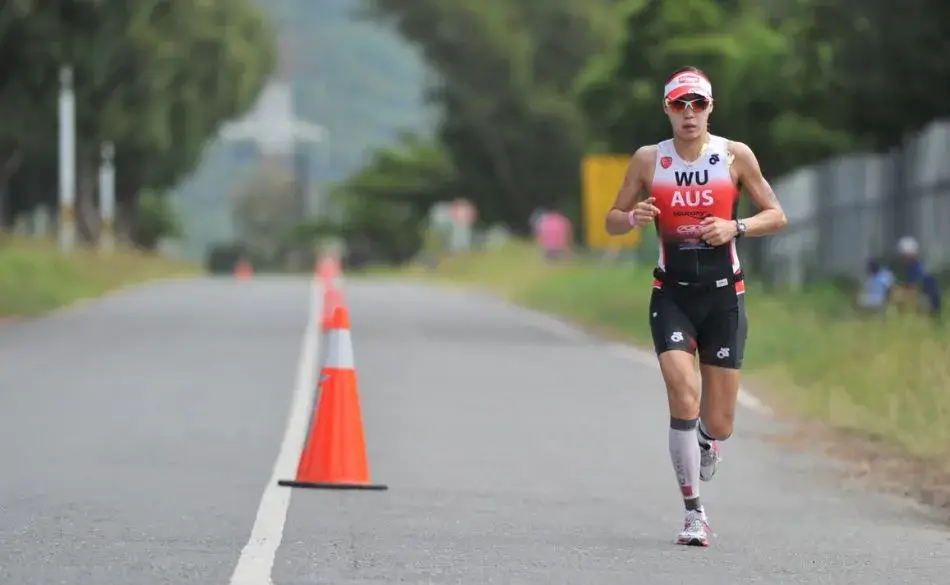
What Makes the Ironman Bike Distance Such a Challenge?
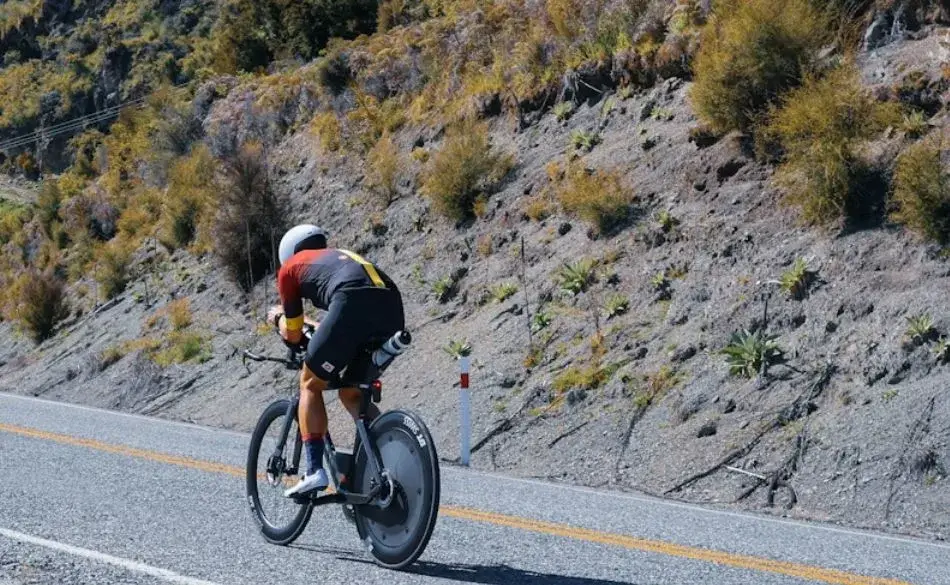
The Ironman bike distance is the part of the race that tests your patience more than your power. At roughly 180.2 kilometres, it’s the longest stretch of the day for most athletes. You’ll likely sit on the bike for five to seven hours, which means every choice you make can shape the rest of your race.
Early in the bike leg, you often feel fresh. Your heart rate is steady, the crowd is loud, and your adrenaline is still high from the swim. That’s where many athletes go wrong. They ride too fast in the first hour. A smart Ironman pacing strategy keeps you controlled, not excited. Your goal is to save energy for the marathon, not chase fast early splits.
The course itself adds to the challenge. Some Ironman bike legs move across smooth, open roads. Others wind through steep hills, shifting winds, or dry heat that drains your energy quicker than you expect. You might ride with the sun warming your back, or you might face a cold crosswind that makes it hard to hold your line. The conditions change your speed, but they shouldn’t change your plan.
Fueling is one of the biggest factors. You burn energy for hours, and you need to replace a steady amount to keep your body stable. Small, frequent bites work better than large meals. Think of fueling like keeping a steady flame. You don’t want a big burst of fire. You want a calm, even burn that lasts all day.
To learn more about what to eat during your long rides and races, read our detailed guide on what foods have a lot of carbohydrates so you can plan fueling that lasts the entire Ironman bike distance.
Here are simple habits that make the Full Ironman distance bike leg safer and easier:
- Keep your effort light for the first 30 minutes while your body settles.
- Drink early and often, especially in warm races.
- Eat small, frequent amounts rather than big chunks at once.
- Stay aero when it’s safe, but sit up during strong crosswinds.
- Use gears to maintain a smooth cadence instead of grinding heavy gears.
- Stick to your own pace, even if others surge.
- Stay mentally focused in the final hour when fatigue sets in.
If you stay steady, fueled, and patient, you’ll roll into transition ready for the most meaningful part of the Ironman triathlon distance: the marathon.
If you’re serious about mastering the swim, conquering the bike and finishing strong on the run, our Ironman Training Plans are built for the challenge. Each plan is tailored around the full Ironman triathlon distance, aligned with your goals and lifestyle.
Whether you’re aiming for your first finish, chasing a sub 12 hour result, or stepping into elite territory, our coaches map a simple, structured pathway so you train smarter covering the swim, the full 180 km bike and the marathon run without guessing your way there.
Explore Ironman Training Plans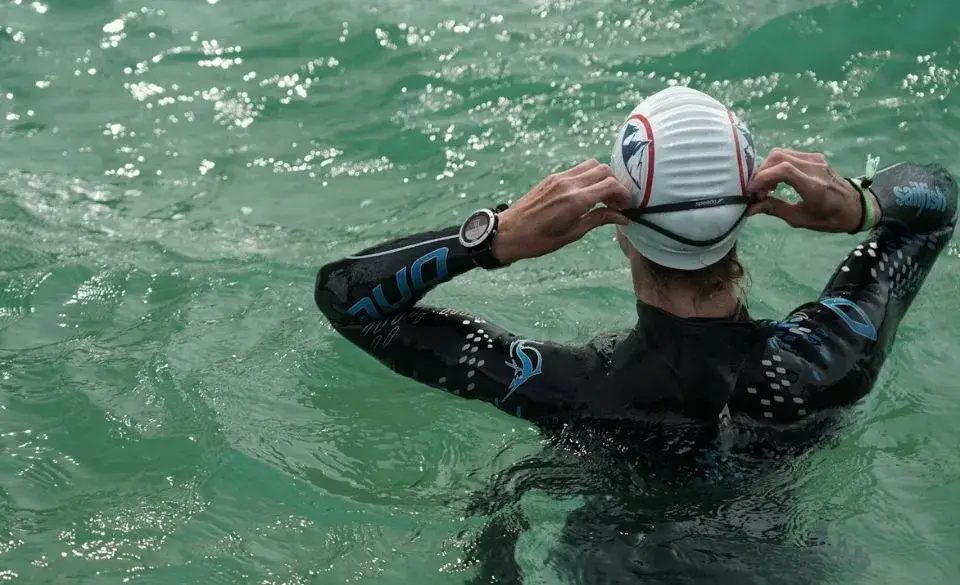
Why the Ironman Run Distance Feels Like a Race of Its Own
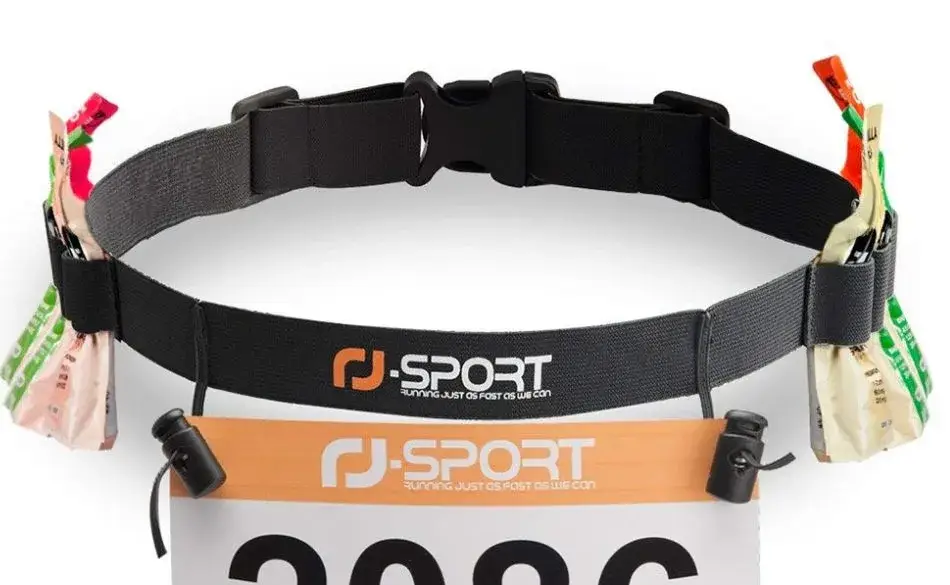
The Ironman run distance is where everything you’ve done all day comes to a head. After swimming nearly four kilometres and riding over 180, you step onto the marathon course with tired legs, a dry mouth, and a mind that keeps asking if you’ve got anything left. This isn’t just another run. It’s the moment where physical effort turns into pure endurance of will.
At 42.2 kilometres, the marathon in a Full Ironman distance race matches a standard marathon, but it feels nothing alike. Your muscles are already fatigued from hours on the bike. Glycogen is low, your stride feels heavy, and each kilometre asks for more focus than the last. It’s no longer about speed, it’s about control and patience.
A steady Ironman pacing strategy helps you hold that control. You walk the aid stations. You sip fluids often. You break the marathon into small, manageable pieces so the finish line doesn’t feel impossibly far away. These little decisions keep you moving when your body wants to stop.
One of my coaching clients, Mark, learned this the hard way. In his first Ironman, he felt incredible early on the bike and pushed too hard. By kilometre twelve of the marathon, his legs cramped, and his energy vanished. We had talked about patience all season, but adrenaline got the better of him. The next time, he trusted the plan, kept his pace conservative early, fueled on schedule, and jogged the entire marathon without walking once. The difference wasn’t fitness. It was discipline.
Finishing strong in the Ironman triathlon distance isn’t about raw speed, it’s about steady effort, smart fueling, and belief in your training. When you cross that line after the marathon, you don’t just finish a race. You prove to yourself that you can keep going long after most people would quit.
See the Ironman Distances Side by Side Before You Plan Your Day
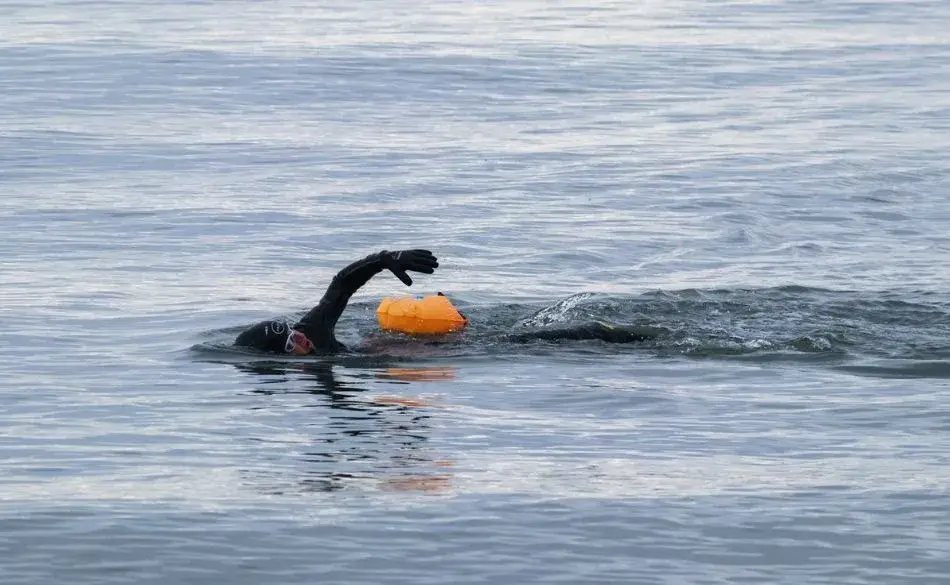
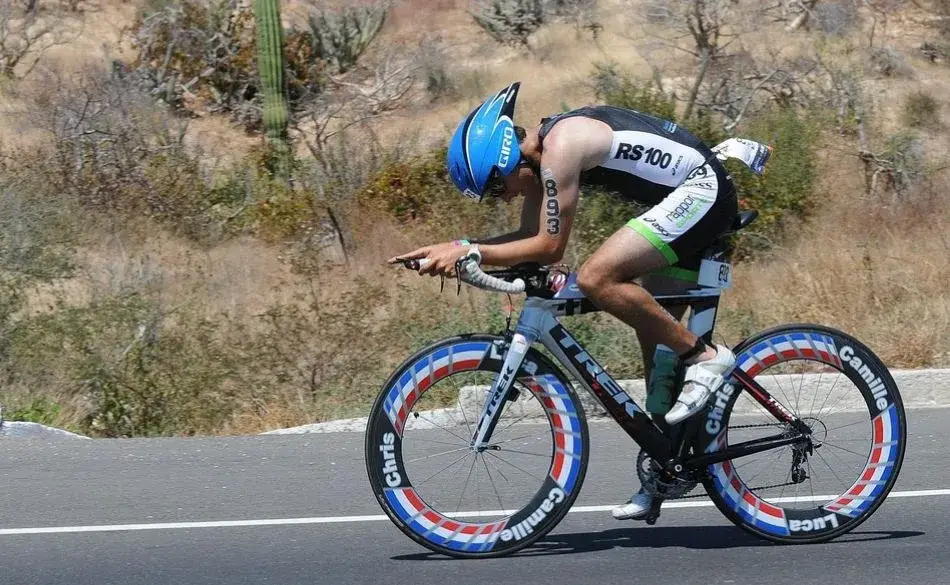
It’s easier to plan when you can see the whole race at once. The Ironman Distances look huge on their own. Together, they tell a clear story. You swim first. You bike for the longest block of time. You finish with a marathon. This view helps you decide where to focus your training.
The Ironman swim distance is short on paper. It sets the tone for your day. If you exit the water calm, you protect your energy. That’s a big win for your bike and run.
The Ironman bike distance is the longest leg. It’s where your plan matters most. Pacing, fueling, and wind can change everything. A steady Ironman pacing strategy keeps your legs alive for the final push.
The Ironman run distance is the final test. It’s not about raw speed. It’s about rhythm and belief. You keep moving even when your body asks you to stop.
Use the table below to compare each leg of a Full Ironman distance. Check the distances. Check typical time ranges. Note the main challenges. If you’re new, this quick view shows where you’ll spend the most time. It also shows why the bike choices shape your marathon.
If you’re building an Ironman training plan, review this chart first. Then choose one priority for your next four weeks. Do you need better sighting? Smoother fueling on the bike? Stronger run rhythm at easy pace? Pick one. Improve it. Then pick the next one.
You’ll also see why many races use Ironman cut-off times to keep things safe and fair. Knowing the big picture keeps you calm on race day. It helps Ironman for beginners feel less scary and far more doable.
👉 Swipe to view full table
| Category | Swim | Bike | Run |
|---|---|---|---|
| Official Distance | Ironman swim distance 3.9 km (2.4 miles) |
Ironman bike distance 180.2 km (112 miles) |
Ironman run distance 42.2 km (26.2 miles) |
| Typical Duration | 60–120 minutes | 5–7+ hours | 3.5–6+ hours |
| Main Challenge | Sighting, staying calm, contact | Pacing, fueling, wind/heat | Running on tired legs, heat control |
| Energy Focus | Steady aerobic rhythm | Carb intake and hydration on schedule | Even effort, small sips every aid station |
| Where Athletes Struggle | Anxiety, zig-zag lines, fogged goggles | Overpacing early, missed nutrition | Hitting the wall at 25–35 km |
| Best Mindset | Calm, long strokes | Patient, steady plan | Break it into small chunks |
If you're ready to take on the challenge of the full Ironman 140.6 but don’t know where to start, our Beginner Ironman Training Plan is designed just for you. We’ll guide you through every metre of the swim, every pedal of the bike, and every step of the run in a calm, step by step way.
You’ll get a structured plan that covers the Ironman swim distance, the full Ironman bike distance, and the Ironman run distance without feeling lost or overwhelmed. This plan helps you build base fitness, learn pacing, and cross the line with confidence.
Explore Beginner Ironman Plan
What Are Average Ironman Times and Where Do You Fit?
Average times help you plan smart and set realistic goals for Ironman 140.6. They show what’s typical while reminding you that everyone’s race is unique.
Across most events, the average finisher completes the Ironman triathlon distance in about 12 to 13 hours. The median for men is around 12 hours 40 minutes, and for women it’s about 13 hours 35 minutes. Those numbers shift depending on terrain, weather, and experience.
Professional athletes are in another world. On fast courses, top pro men finish between 7 hours 30 minutes and 8 hours 15 minutes, while top pro women usually finish between 8 hours 30 minutes and 9 hours 30 minutes. Technical courses, wind, or heat can easily add 30 minutes or more to those times.
For most age-group athletes, a balanced day might look like this:
- Swim: 1 hour 10–30 minutes for the Ironman swim distance
- Bike: 5 hours 45–7 hours 15 minutes for the Ironman bike distance
- Run: 4 hours 15–5 hours 30 minutes for the Ironman run distance
- Transitions: 5–15 minutes total
Together, that adds up to a 12–13 hour finish. Pretty typical for a well-paced race.
If you’re racing your first Full Ironman distance, your real target is to stay within the Ironman cut-off times. Most events allow 17 hours total, with checkpoint cut-offs along the way: roughly 2 hours 20 minutes for the swim, 10 hours 30 minutes for swim + bike, and the remainder to complete the run. These limits exist for safety and fairness, not pressure.
The key question is: where do you fit? Start by looking at your long rides and long runs. How long can you hold steady effort without fading? These sessions predict your finish more accurately than any calculator. A strong finish comes from discipline, not heroics. Use these averages to shape your Ironman training plan, then focus on consistency. The more you train at your race-day rhythm, the more natural those big numbers will feel across the full Ironman Distances.
If you’re curious about how the top professionals compare, this article from Triathlete breaks down what are the fastest Ironman times ever recorded and why course conditions make them so unique.


How Do You Build an Ironman Training Plan That Actually Works?
A good Ironman training plan isn’t complicated. It’s steady, specific, and personal. You’re training for the full story of Ironman 140.6, not just one sport. That means preparing for the Ironman swim distance, building endurance for the Ironman bike distance, and finishing strong over the Ironman run distance.
You don’t need clever hacks. You need repeatable habits done week after week.
Structure your training around three pillars: endurance, skill, and strength.
Do one key endurance workout for each discipline, one skill-focused session per sport, and one strength session to support your core, hips, and posture. Follow that pattern for two or three weeks, then schedule an easier recovery week. This cycle gives your body time to adapt and grow stronger without breaking down.
Keep increases small. Aim to raise your long-session duration by no more than about 10 percent each week. That slow growth keeps your body durable and your mind fresh.
Simple weekly framework:
- One long swim that practices pacing and sighting for the Ironman triathlon distance.
- One long ride that rehearses fueling and patience for the Full Ironman distance.
- One long run that builds rhythm, not speed.
- One skills session per sport (drills, transitions, open-water technique).
- One to two short strength sessions for stability and posture.
- One full rest day or light spin/walk.
Training principles that work:
- Ride and run at an effort where you can still speak in short sentences.
- Test your race nutrition every week. Never try it first on race day.
- Keep carb intake consistent on the bike to protect your marathon.
- Use a calm Ironman pacing strategy in every long session.
Consistency beats intensity. Tracking how you feel after each workout helps you spot patterns before fatigue builds. The quiet secret of strong endurance athletes is simple: they repeat the basics until their body (and mind) can handle the full Ironman Distances.

What’s Your Next Step to Conquer the Ironman Distances?
You’ve seen how the Ironman Distances fit together. Now the question is simple, what’s your next step toward the finish line?
Start small and stay consistent. You don’t have to change your life overnight. What you need is structure: simple, steady habits that build fitness and confidence across every leg of the Ironman triathlon distance.
First, get comfortable in the water. Then learn to pace the long rides patiently. Finally, protect your marathon by practicing smart fueling. That’s the full story of Ironman 140.6 – swim, bike, and run coming together through discipline and balance.
Use this four-week jump-start plan to focus your effort before building into a longer block of training:
Four-week focus guide:
- Choose one swim skill to improve (sighting or breathing) for the Ironman swim distance.
- Add one long ride that rehearses fueling for the Ironman bike distance.
- Include one relaxed long run each week to prepare for the Ironman run distance.
- Hold one “mini race day” each week to test your setup (wetsuit, bottles, gels).
- Keep a quick training log so your Ironman training plan evolves with what works.
- Apply your Ironman pacing strategy in every long session. No hero efforts, just calm control.
Remember, this is just your starting phase. Building to the Full Ironman distance safely usually takes several months. You’ll alternate between steady build weeks and easier recovery weeks so your body can adapt and stay strong.
Big goals aren’t about perfect days, they’re about patient progress. When you repeat smart habits week after week, the Ironman Distances stop feeling impossible and start feeling like a challenge you can absolutely conquer.
If you’re new to endurance events and thinking about tackling the full Ironman triathlon distance but don’t know where to begin, our Couch to Triathlon Beginner’s Guide gives you a clear, step-by-step roadmap from zero to race-ready.
Frequently Asked Questions
How do I know if I'm ready to sign up for an Ironman?
If you can comfortably train 6–8 hours a week, are injury-free, and like the idea of spending your weekends in spandex—you’re probably ready. It’s less about being perfect now and more about being committed to the journey.
Can I take breaks during the race?
Absolutely. You can stop at aid stations, walk the hills, stretch, and even sit down if needed (though getting back up is another story). Just keep moving forward within the cutoff times.
Is it okay to walk during the marathon?
Heck yes. Even seasoned athletes walk aid stations or hills. The goal is to get to the finish line. Whether you run, walk, shuffle, or crawl—forward is forward.
What is the hardest segment of the Ironman?
Many say the marathon is the toughest because it’s last and you’re already exhausted. But it really depends on the athlete’s background.
Can beginners complete Ironman distances?
Absolutely! With consistent training, realistic goals, and plenty of grit, first-timers cross that finish line every year.
How should I pace myself during an Ironman?
Start conservatively, especially on the bike. Stick to your fueling plan and trust your training.