Why Ironman Maryland Stands Out Among Full Distance Triathlons
Few triathlons in the United States capture the heart of athletes quite like IRONMAN Maryland 2026. Set in Cambridge, Maryland, this full-distance race features a stunning coastal landscape, a welcoming community, and a course that’s both beginner-friendly and deceptively demanding. The event takes place each September and attracts athletes from across America looking for a flat, fast, and scenic 140.6-mile triathlon experience.
The day begins with a 2.4-mile swim in the Choptank River, a tidal waterway known for its calm surface early in the morning. Water temperatures average between 70 and 75 °F (21 to 24 °C), which usually makes the swim wetsuit-legal under IRONMAN rules. While there are no ocean swells, light currents can affect navigation, making sighting practice essential for race success.
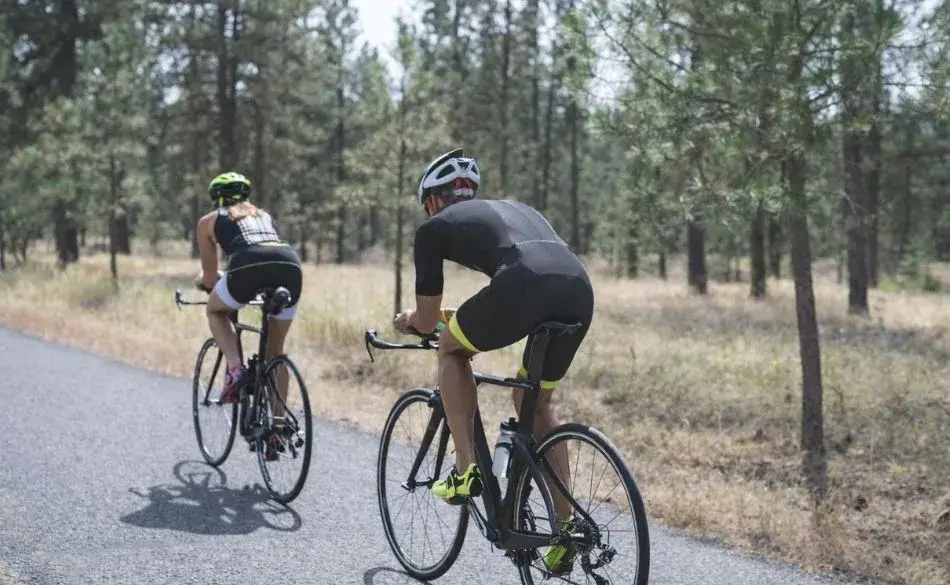
The 112-mile bike course rolls through the Blackwater National Wildlife Refuge, a protected area filled with open marshes and winding estuaries. The terrain is almost completely flat, but that doesn’t mean easy. Strong coastal winds can challenge even experienced cyclists, especially when riding through long, exposed stretches. Because of this, pacing and aerodynamic efficiency matter far more here than climbing ability.
Finally, the 26.2-mile run loops through downtown Cambridge, a quiet waterfront town that comes alive on race weekend. The three-loop layout lets athletes feed off crowd energy multiple times while giving friends and family easy access to cheer points and aid stations.
What truly separates IRONMAN Maryland from other American triathlons is its personality. Locals call themselves Crabby Nation, and their support has become legendary. Whether it’s volunteers handing out water or entire families lining Main Street late into the night, that enthusiasm helps carry athletes to the finish line. For anyone seeking a memorable, well-supported, and uniquely American race, IRONMAN Maryland 2026 delivers an experience that blends endurance with community spirit.
If you’re new to long-course racing and want to understand what to expect from your first full-distance event, take a look at New to Ironman – 15 Triathlon Questions Answered. It’s a great resource that covers everything from training timelines to what race day really feels like.
Push beyond your limits with the Sub 11 Hour Ironman Training Plan . Designed for experienced triathletes, this program targets efficient pacing, endurance conditioning, and smart recovery strategies to help you find extra minutes where they count most.
Each week builds progressively, blending long endurance sessions with focused tempo work and practical guidance on fueling and transitions. It’s structured for athletes who want to sharpen performance, not just finish stronger, but finish faster.
View the Training Plan
Training Strategy for Ironman Maryland
Preparing early for IRONMAN Maryland 2026 means building endurance for the long haul while mastering the conditions unique to this East Coast event. The course is flat but never truly easy. Success depends on a well-structured training plan that balances volume, recovery, and race-specific sessions. Whether you’re a first-time athlete or a returning finisher, consistency and planning are your biggest assets.
Start with a solid base phase. Spend the first 12 weeks developing your aerobic endurance across all three disciplines. Focus on steady swimming sessions in open water whenever possible to prepare for the Choptank River swim. Keep your bike rides longer and controlled, aiming for even effort and cadence. On the run, practice pacing on flat terrain similar to Cambridge Maryland’s run course.
During the build phase, add intensity and race simulation. Practice riding in windy conditions, as the Blackwater National Wildlife Refuge is known for gusts that can sap energy late in the bike leg. Include brick workouts (bike sessions followed by short runs) to prepare your legs for the transition from cycling to running. Gradually increase long-ride duration to five or six hours and long-run duration to two and a half hours while fine-tuning nutrition and hydration.
As race day nears, taper your training volume in the final three weeks. Keep workouts shorter but maintain race effort and technique. Use this period to test your gear, practice transitions, and dial in your fueling plan for the Ironman Distance triathlon. Training fatigue should fade, replaced by confidence and readiness to perform.
- Swim: 2–3 sessions per week, include open-water practice.
- Bike: 3–4 rides weekly, one long endurance ride plus tempo intervals.
- Run: 4–5 runs weekly, include a long steady run and one speed session.
- Strength: 2 short sessions focused on core and stability work.
Adapting your training to Maryland’s terrain and climate is key. Expect mild humidity and variable wind. The better you train for those conditions, the smoother your race will feel when it counts most.
For a full training roadmap that lays out workouts, key sessions, and weekly progressions, check out our 24-Week Ironman Training Plan Guide. It ties directly into preparing for every leg of the race and helps you turn your training into performance.


Nutrition and Hydration Planning for Ironman Maryland
Fueling properly for IRONMAN Maryland is just as important as the hours you spend training. The race’s flat terrain might seem easy, but its humidity, changing temperatures, and long exposure to wind can drain energy fast. Developing a clear nutrition and hydration plan will help you stay strong from the Choptank River swim to the final mile in Cambridge Maryland.
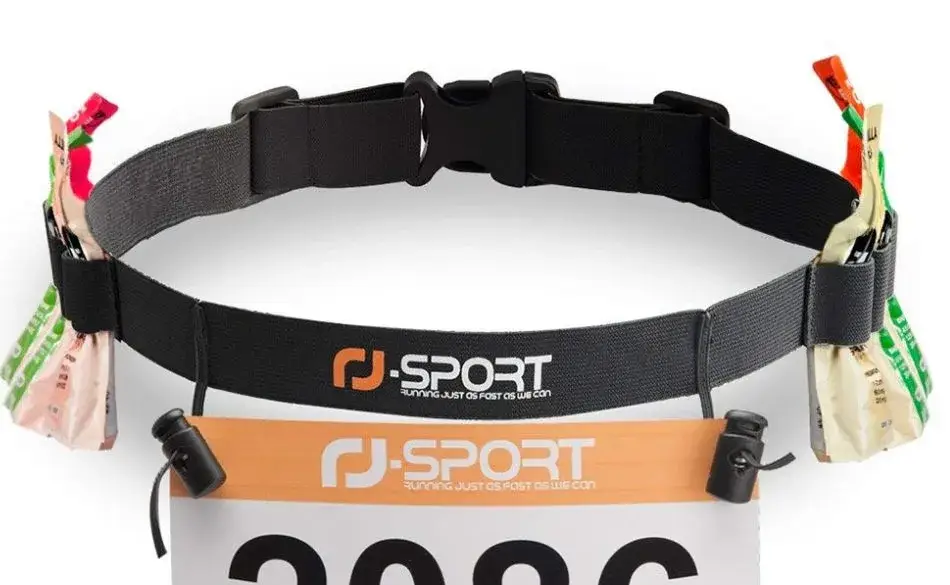
Start by determining your hourly needs. Most athletes should aim for 60–90 grams of carbohydrates per hour on the bike and 40–60 grams per hour on the run. Choose a mix of sports drinks, gels, chews, or real food depending on what you tolerate best during long training sessions. Always practice your fueling strategy during key workouts. Never introduce new products on race day.
Hydration is another major factor. Expect moderate humidity and temperatures between 70 °F and 80 °F (21 °C–27 °C) in September. Plan for one bottle of fluid every 20–30 minutes on the bike, alternating between electrolyte mix and water. On the run, sip smaller amounts at every aid station rather than large gulps. If conditions are warmer than usual, increase sodium intake to avoid cramping or dizziness.
- Pre-race: Eat a balanced breakfast 3–4 hours before the start, high in carbs and low in fat and fiber.
- Swim to bike transition: Take a gel or small snack as soon as you’re settled on the bike.
- Bike leg: Alternate drink types, aim for 250–300 calories per hour, and use reminders on your bike computer.
- Run leg: Focus on frequent sipping and small carb doses every 30–40 minutes.
- Post-race: Rehydrate with fluids containing sodium and consume 20–30 grams of protein for recovery.
Dialing in your nutrition and hydration strategy early will make the difference between finishing strong or fading late. For a detailed breakdown of what to eat in the week leading up to race day, check out Fueling Your Body the Week Before a Triathlon Race. The athletes who respect their fueling plan in Maryland’s conditions are the ones who cross the line feeling powerful and proud.
If you’re aiming to take your race performance to the next level, our Sub 12 Hour Ironman Training Plan is built to help you get there. It focuses on pacing discipline, race day endurance, and smart recovery, making it perfect for athletes chasing consistency and confidence over the full distance.
With structured sessions and clear weekly progressions, this plan helps you balance effort and recovery while preparing for the flat and fast course in Cambridge. Every detail supports stronger pacing, smoother transitions, and a powerful finish when it matters most.
Explore the Training Plan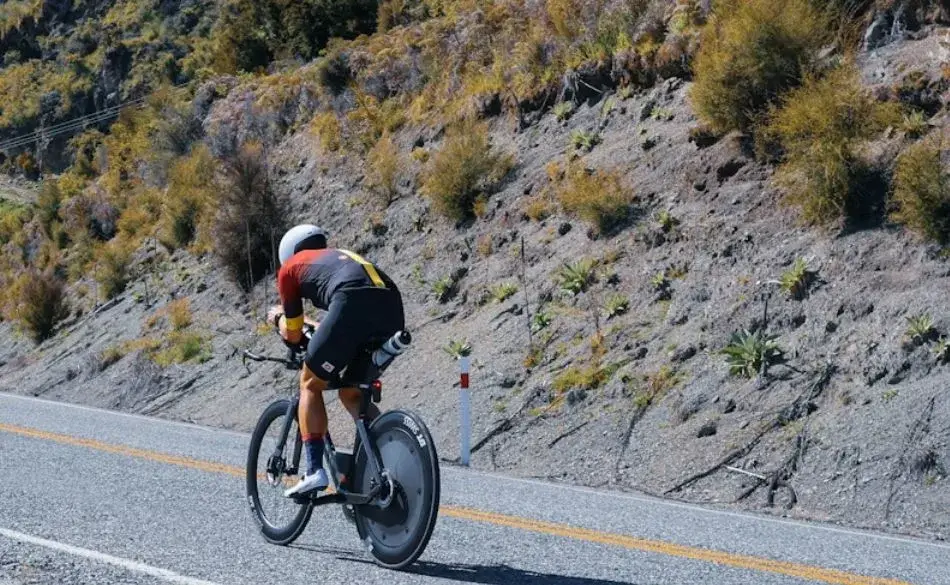
Course Guide and Training Focus For Each Leg
The IRONMAN Maryland course rewards athletes who know how to stay calm, steady, and consistent. It’s designed for racers who can handle long stretches of flat terrain, shifting winds, and the mental focus that comes with pacing discipline. Every part of your training should reflect what you’ll face on the course. Think of this as your roadmap to prepare smarter, not harder.
The swim in the Choptank River is usually calm, but accuracy counts. Focus on sighting straight lines and keeping your breathing smooth. The ride through the Blackwater National Wildlife Refuge is a lesson in rhythm and patience. It’s flat and open, which means you’ll spend hours in the aero position, so comfort and endurance are key. The marathon through Cambridge Maryland brings its own challenge: three flat loops filled with cheering crowds that keep your spirits high and your legs turning over.
Train with intention. Mix in brick workouts that link bike and run sessions to prepare your body for that tough transition. Stick to your fueling plan during long sessions so it becomes second nature. Keep your cadence smooth on the bike, start the first 10 kilometers of the run conservatively, and save energy for the final stretch. Every smart decision early on adds up to a strong, confident finish in this full distance triathlon.
👉 Swipe to view Ironman Maryland 2026 course details
| Segment | Distance | Terrain and Conditions | Primary Training Focus | Pacing Cue | Aid and Logistics |
|---|---|---|---|---|---|
| Swim Choptank River | 2.4 miles | Tidal river, generally calm, light current possible | Sighting, relaxed stroke rate, open-water starts | Settle in after first 300–500 m, hold consistent effort | Seed yourself accurately, simple gear setup for quick entry |
| Bike Blackwater Refuge | 112 miles | Flat terrain (<500 ft elevation gain), open roads, wind exposure varies | Aero durability, steady power, handling in crosswinds | Ride at sustainable power or HR zone, avoid spikes in effort | Fuel every 10–15 min, one bottle every 20–30 min |
| Run Cambridge Loops | 26.2 miles | Flat, three-loop course, occasional warm or humid conditions | Pacing control, fueling tolerance, heat management | First 10 km conservative, build to steady pace, protect final 10 km | Small sips each aid station, carb intake every 30–40 min |
| Transitions T1 and T2 | N/A | Compact venue at Gerry Boyle Park, clearly marked flow | Rehearse setup, minimize gear choices, tidy layout | Stay calm, follow a practiced routine | Take a gel leaving T1, prepare hat and hydration for T2 |
Note: Course details are based on official IRONMAN Maryland guides and may vary slightly by year or weather conditions.
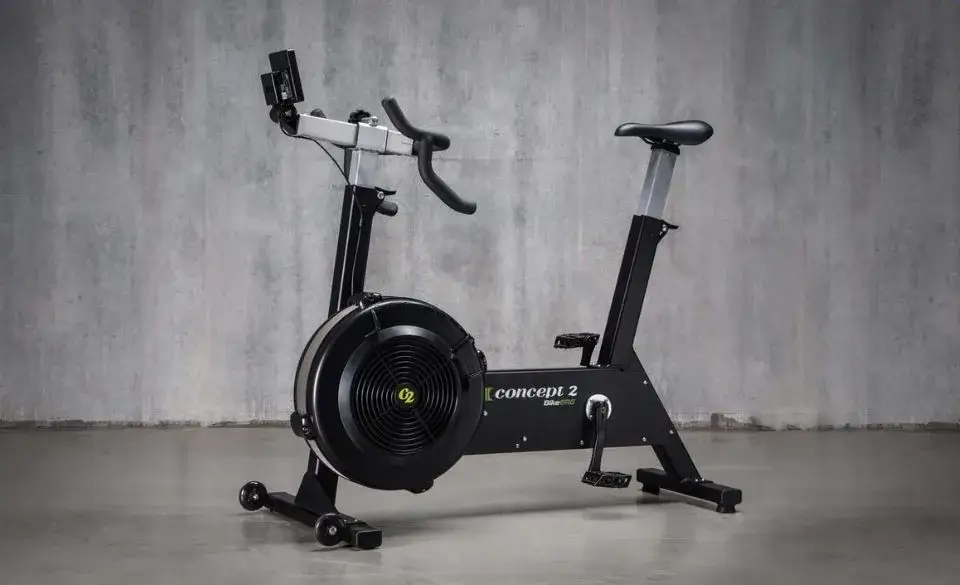
Use this table as a simple guide when planning your next training blocks. Try to shape your workouts around the real course (flat terrain, steady pacing, and the conditions you’ll face on race day). If you rarely train in windy areas, add a few indoor sessions in your aero position to get used to holding form for long stretches. These small details might seem minor, but they add up. When race day arrives, every bit of practice will help you tackle this 140.6 distance triathlon with calm confidence and smooth efficiency across Maryland’s fast, flat course.
For official route maps and verified course information, visit the IRONMAN Maryland course overview on the event’s official website.

Race Day Strategy and Execution
Race morning at IRONMAN Maryland starts before sunrise. The small town of Cambridge Maryland comes alive as athletes gather at Gerry Boyle Park, the hub for transitions and the finish line. Keep your morning calm and familiar. Eat what you’ve practiced, sip fluids slowly, and arrive early enough to set up without feeling rushed. A relaxed start helps steady your nerves and keeps your energy focused where it matters.
The Choptank River swim is usually mild, with water temperatures averaging 70–74 °F (21–23 °C). You might feel a chill stepping in at dawn, but once you settle your rhythm, the water feels smooth and steady. Expect light tidal movement that can shift slightly during the morning. Stay patient, breathe consistently, and focus on straight sighting lines rather than chasing speed too early. A steady start here pays off for the long day ahead.
In transition, move with purpose but stay composed. Strip the wetsuit, secure your helmet, and check your nutrition. Keeping a calm routine saves both time and mental energy. Every smooth step now sets you up for the 112 miles ahead.
On the Blackwater National Wildlife Refuge bike course, think efficiency. The roads are flat and fast, but the open marshlands mean the wind can change direction throughout the day. Hold a steady power or heart rate, stay tucked in your aero position, and resist the urge to surge early. Shift occasionally to stretch your legs, and keep your fueling consistent (carbs every 10–15 minutes, hydration every 20–30 minutes). Some years bring crosswinds, so relax your grip and stay centered over the bike.
The Cambridge Maryland run course is a flat, three-loop marathon that winds through the town’s waterfront streets. Start conservatively and aim for control during the first loop. Take advantage of the frequent aid stations – small sips, a quick sponge or ice if it’s warm, and regular carbohydrate intake. The local crowd energy builds each loop, lifting your spirits when fatigue sets in. For more detailed pacing and run preparation strategies, read Mastering the Ironman Run for in-depth guidance from our coaching team.
As you reach the final stretch, hold your posture tall and your focus forward. Keep your stride light and cadence quick. Let the noise of the crowd carry you through the final meters. When you cross that finish line, you’ll know you’ve completed one of America’s most scenic and supportive full distance triathlons.


Recovery and Post Race Tips
Crossing the finish line after an IRONMAN is an unforgettable moment. The cheers, the lights, and the wave of emotion remind you why every mile was worth it. But once the medal is around your neck, your focus should shift to recovery. What you do in the hours and days after the race can make a huge difference in how quickly your body bounces back.
Immediately after finishing, keep moving. Walk slowly for at least five to ten minutes to help your heart rate settle and prevent stiffness. Rehydrate as soon as possible, use fluids that include electrolytes to replace what you lost during the event. When you feel ready, eat a meal that combines carbohydrates for glycogen replenishment and 20–30 grams of protein to support muscle repair.
Over the next 24 to 48 hours, focus on gentle activity and rest. Short walks, light stretching, and easy spins on the bike help maintain circulation without adding stress. Avoid hard training or long runs for at least a week. Let fatigue fade naturally before planning your next race or big workout.
- Sleep: Aim for at least eight hours per night during your first recovery week. Your body repairs most efficiently when you sleep deeply.
- Nutrition: Keep eating balanced meals with fruits, vegetables, lean proteins, and complex carbs to rebuild energy stores.
- Hydration: Continue to sip water and electrolytes regularly, especially if the weather was warm or humid.
- Massage or foam rolling: Gentle techniques can relieve muscle soreness, but avoid deep tissue work for several days.
- Reflect and celebrate: Write down your experience – what worked, what didn’t, and what you learned. This reflection will help guide future races.
Recovery isn’t just physical, it’s mental too. Take time to enjoy the feeling of accomplishment and gratitude for everyone who supported you along the way. When you’re ready, start thinking about how to build on this performance. Whether it’s another 140.6 distance triathlon or a new personal goal, use the lessons from Maryland to shape your next challenge.
Build confidence, structure, and long-term progress with personalized Triathlon Coaching from SportCoaching. Each program is designed around your goals, schedule, and current fitness level, helping you train smarter and race stronger across every distance.
You’ll receive tailored training blocks, detailed feedback, and ongoing support from experienced endurance coaches who know what it takes to perform on race day. Whether you’re preparing for your first event or aiming for a personal best, this coaching gives you the structure and accountability to reach your potential.
Start Your Coaching Journey