Why Lifting Too Soon Can Be a Serious Mistake
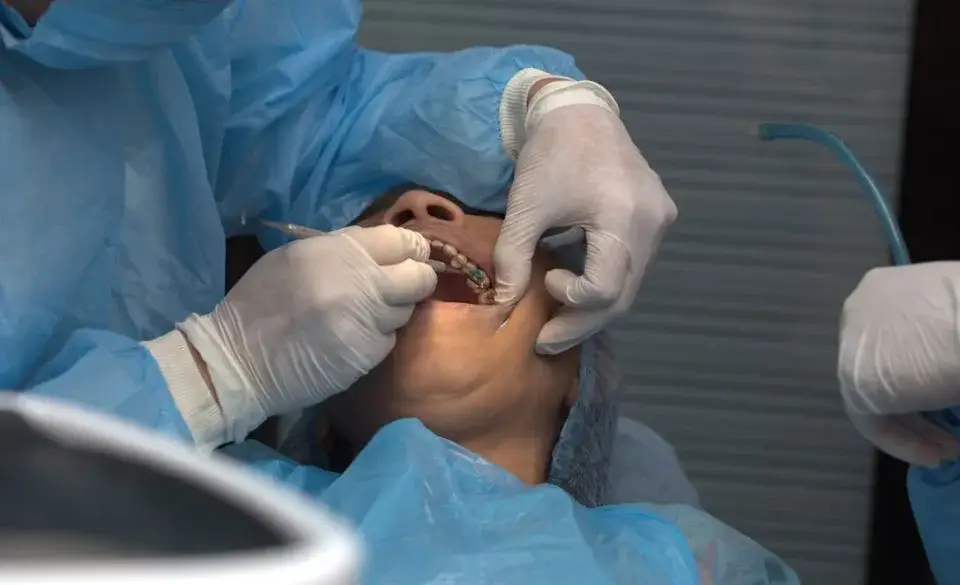
On the surface, it’s “just a tooth.” But under the gum, your jaw has undergone a surgical trauma, especially if the extraction was surgical or involved impacted wisdom teeth.
When a tooth is removed, your body forms a blood clot in the empty socket. That clot acts like a natural bandage. It protects the nerves, bone, and tissue below and helps you heal from the inside out.
Here’s the problem: lifting weights (even moderately) raises your blood pressure and intraoral pressure. When this happens, it can dislodge that fragile clot.
That’s when the trouble starts:
- Dry socket (alveolar osteitis) happens when the clot gets lost. This exposes raw bone and nerves.
- It often brings intense pain, radiating to your ear, jaw, and temple.
- Painkillers barely help. Healing slows down. You might even need secondary treatment, like irrigation or medicated dressings.
And it’s not just dry socket you need to worry about.
Lifting too soon can also:
- Reopen the wound and restart bleeding
- Increase facial swelling
- Delay healing by diverting blood flow away from the surgical site
- Create oral pressure that pushes saliva and bacteria into the wound
You wouldn’t deadlift the day after knee surgery, so don’t treat oral surgery lightly either.
For those who’ve ever felt jaw or tooth discomfort while training, you might also want to read Why Do My Teeth Hurt When I Run?. It explains common causes of oral pain during exercise and how to prevent it.

How Long Should You Wait to Lift Weights?
This question doesn’t have a one-size-fits-all answer. The timing depends on the type of extraction, your body’s individual healing speed, and the intensity of your workouts.
Right after a tooth extraction, the goal is to protect the blood clot in the socket. This clot acts like a natural shield. If it gets disturbed (either by heavy breathing, strain, or pressure) it can lead to complications like dry socket or extended bleeding.
Why Is Timing So Important?
- Lifting weights increases blood pressure, especially in your head and neck area. This can:
- Dislodge the clot
- Delay tissue regeneration
- Reopen the wound
- Raise your heart rate and disrupt oral healing
And it’s not just the act of lifting. Exercises that use the Valsalva maneuver (where you hold your breath during a lift to brace your core) send a pressure spike through your jaw and facial blood vessels. That internal force is enough to cause serious problems, even if you’re lifting light.
Let’s take a look at what the research and clinical experience recommend based on the kind of procedure you had:
| Type of Extraction | Recommended Wait Time | Training Modifications |
|---|---|---|
| Simple Extraction (e.g., single incisor, no stitches) |
Light lifting: 3–5 days Moderate weights: 7+ days Heavy lifting: 10 days minimum |
Begin with light resistance bands or machine work. Avoid jaw tension and bracing. Focus on upper-body isolation exercises and gentle mobility drills to maintain blood flow without pressure buildup. |
| Surgical Extraction (e.g., molar removal with sutures) |
Light lifting: 7–10 days Return to baseline: 14+ days Max efforts: After full healing (2–3 weeks) |
Use upright, supported positions to reduce facial pressure. Stick to higher rep ranges (10–15 reps) with slower tempo. Prioritize nasal breathing and avoid overhead pressing early on. Hydrate well to support tissue healing. |
| Impacted Wisdom Tooth (bone removal, deep socket, high swelling) |
Light activity: 10–14 days Return to gym: 14–21 days Intense lifting: 3 weeks+ recommended |
Emphasize recovery first. Reintroduce movement through walking and breath work. Begin resistance with machines or resistance tubing. Avoid any bracing, jaw clenching, or prolonged effort that raises intraoral pressure. Sleep, anti-inflammatory nutrition, and soft foods are crucial. |
What Kind of Lifting Are We Talking About?
It’s not just whether you’re exercising, it’s how.
- Bodybuilders or hypertrophy trainers (doing sets of 8–15 reps with controlled tempo): You may return sooner if you avoid compound lifts, lay flat movements (like bench), and keep weights moderate.
- Powerlifters or Olympic lifters: These styles typically require maximal bracing, heavy loads, and jaw tension—all of which increase internal pressure. You’ll need a full 10–14 days minimum before returning, especially after a complex extraction.
- CrossFit or HIIT athletes: Because workouts combine cardio and strength with short rest, the risk of bleeding or clot loss is higher. Stay away for at least 7–10 days unless cleared by a dentist.
- Beginner lifters: If you’re just starting out, you may be tempted to “get back on track.” But rushing now could cause pain that makes you fear lifting later. Give it at least 5 days and focus on mobility first.


Real Risks of Lifting Too Soon (And How I Learned the Hard Way)
A few years ago, I had a lower molar pulled. It was a quick procedure, no stitches. I felt fine the next day, so I figured: “Why not just do some light incline presses?”
About halfway through the second set, I felt this slow, warm trickle in my mouth. I had reopened the socket.
Worse? The clot dislodged. I spent the next five days dealing with dry socket eating mashed bananas and waiting for time to do what painkillers couldn’t.
The big lesson: It’s not just about how you feel. Healing happens internally, often silently.
Other real risks include:
- Pulsating pain in your jaw and neck
- Swelling that spikes 48 hours later
- Increased infection risk, especially if your gym isn’t spotless or you wear a mouthguard
- Muscle tension in the jaw from clenching during lifts, which pulls on healing tissues
Remember: early progress isn’t worth long-term pain.


What You Can Safely Do Instead
Missing your workout schedule doesn’t mean losing all your hard-earned gains. In fact, strategic rest can enhance muscle growth and recovery if done smartly.
Here’s how to stay active without interfering with healing:
For Days 1–3:
- Prioritize full-body rest and hydration
- Stick to low-sodium foods to avoid swelling
- Focus on posture, breathwork, and soft tissue recovery (foam rolling, massage)
Days 4–7:
- Try light walking, 15–30 minutes daily
- Do bodyweight mobility drills (e.g., cat-cow, bird-dog, shoulder rolls)
- Yoga is okay—avoid inversions or anything that dips your head below your heart
Days 7–10:
- Introduce resistance bands
- Work on isometric holds like planks (only if you’re no longer sore)
- Keep reps high, weight light, and tempo slow
You can also use this time to:
- Dial in your form and mobility
- Improve breathing mechanics for bracing without jaw tension
- Experiment with recovery tools like red light therapy or gentle myofascial release
If you’re using this downtime to stay gently active, check out Should You Do Cardio on Rest Days?. It offers expert advice on movement strategies that promote recovery without overloading your system.
How to Tell You’re Ready to Return
So, you’re itching to get back in the gym, but is your body truly ready?
Let’s be honest, just feeling “okay” isn’t always a green light. Healing after tooth extraction is a layered process, and your body needs time to rebuild the tissue, seal the socket, and reduce inflammation from the inside out. If you jump back in too soon (especially with anything that involves jaw tension or elevated blood pressure) you could disrupt your healing and trigger a painful setback like dry socket.
Start by doing a personal check-in. There are a few non-negotiable signs that your body’s in a safe place to handle exercise again. First, the bleeding should have completely stopped. If your mouth is still pink when you rinse, it’s too early. Second, pain should be minimal (no sharp throbs or pulsing sensations around the socket). A little tenderness is fine, but anything more than that means the site isn’t stable yet. Third, swelling should be visibly down and no longer interfering with normal movement. You should be able to open your jaw, speak, yawn, and chew soft foods without discomfort.
Still unsure? Look for subtler cues that your body is back in balance. When you brush your teeth near the extraction site, does it feel neutral or slightly sensitive (not painful)? Can you rinse with warm water or saltwater without wincing? Can you sleep through the night without jaw tightness or waking from discomfort? These little details matter more than most people realize.
One tip? If you had a front tooth removed in a quick, simple extraction, you might feel nearly normal in just 3–4 days. But still play it safe with light activity and no heavy lifts or barbell work for at least another few days. If you had a molar pulled with stitches, give it a full 7–10 days before testing your limits. And for those of you recovering from impacted wisdom tooth removal, you’ll need at least 14 full days (sometimes more) before returning to anything that involves core bracing, jaw tension, or increased blood pressure.
As you return to the gym, make sure your progress doesn’t outpace your recovery. Read Overload in Fitness: What Does It Really Mean? to revisit the principles of safe, effective progression.


Nutrition & Recovery: Support Your Healing from the Inside
After a tooth extraction, your body needs more than rest, it needs the right fuel to heal. Just like you’d eat to recover from a hard workout, healing tissue in your mouth demands protein, vitamins, minerals, and hydration to repair and rebuild.
Protein is essential (it’s what your body uses to make new tissue). Soft, easy-to-eat sources like eggs, yogurt, cottage cheese, and protein shakes (without a straw!) are perfect during early recovery.
Vitamin C supports gum healing by boosting collagen production. Add mashed berries or citrus to a smoothie or try warm bone broth with vegetables. For extra support, collagen powder can also be stirred into drinks or soft oatmeal.
Don’t forget about zinc and magnesium. These minerals help repair tissue and reduce soreness. You’ll find them in foods like oats, pumpkin seeds, and spinach—all of which can be blended or cooked soft.
To control swelling, focus on anti-inflammatory nutrients. Omega-3s from soft fish, chia seeds, or ground flax, plus herbs like turmeric and ginger, help calm your body’s natural inflammatory response.
And most importantly: hydrate. Water is your mouth’s best friend. Aim to sip 2–3 liters daily, but skip straws and carbonated drinks. Herbal teas like chamomile or peppermint are soothing options.
Avoid spicy, crunchy, or acidic foods, and stay clear of anything that requires chewing near the socket. Soft, nutrient-rich meals and slow eating give your body exactly what it needs to recover, without risking the clot.


When Should You Call It Off and Rest Longer?
Sometimes, the smartest thing you can do for your progress is hit pause.
Even if you’re eager to train again, there are certain signs your body might not be ready. Ignoring them could mean more pain, slower healing, or a full-blown setback like infection or dry socket.
Here’s when you should stop and rest. No matter what your training plan says:
- Throbbing or pulsing pain at the extraction site that worsens with movement
- Bleeding that starts again days after the procedure
- Swelling that gets worse after day three instead of better
- Foul taste or odor in your mouth (often a sign of dry socket or infection)
- Fever, chills, or feeling run down, even with good rest
- Difficulty opening your mouth fully or chewing on the opposite side
These symptoms mean your body is still actively healing or fighting off complications. Returning to training now could increase pressure in your jaw and pull on inflamed tissues, setting you back another week or more.
If you feel any of these signs, don’t guess. Call your dentist or oral surgeon and describe what’s going on. A quick check-up might confirm everything is normal, or it could catch something early before it gets worse.
Remember: rest isn’t failure. It’s part of training smarter.
One missed week won’t erase your progress, but pushing through the wrong signals could cost you far more.


Conclusion: Train Smart, Heal Fully, and Avoid Setbacks
Lifting weights too soon after a tooth extraction can lead to serious complications like dry socket, infection, and delayed healing. The pressure created during intense lifting (especially when bracing or holding your breath) can disrupt the blood clot protecting your extraction site. This is especially risky within the first 7–10 days.
The safest approach is to wait according to the type of extraction:
- Simple extractions: light activity after 3–5 days, heavier lifting after 7–10 days
- Surgical or wisdom tooth extractions: delay lifting for 10–14+ days depending on pain, swelling, and healing progress
Use recovery time to support your body with protein-rich, soft foods, anti-inflammatory nutrients, and adequate hydration. Avoid hard chewing, straws, and foods that might irritate the site.
Only return to training when you have:
- No pain, bleeding, or swelling
- Full jaw movement without discomfort
- Energy levels that feel back to baseline
If you’re unsure, consult your dentist before returning to exercise. Pushing through early can cost you more time, increase pain, and require additional treatment.
Healing from oral surgery isn’t just about avoiding setbacks, it’s about setting yourself up for a full-strength return. By waiting the right amount of time, modifying your workouts, and supporting recovery from the inside, you’ll protect your long-term health and performance.