What the Melbourne Marathon Course Is Like From Start to Finish
The Melbourne Marathon course is designed to support steady, controlled running, with wide roads, gentle turns, and a mostly smooth surface that allows you to find your rhythm early and avoid unnecessary fatigue.
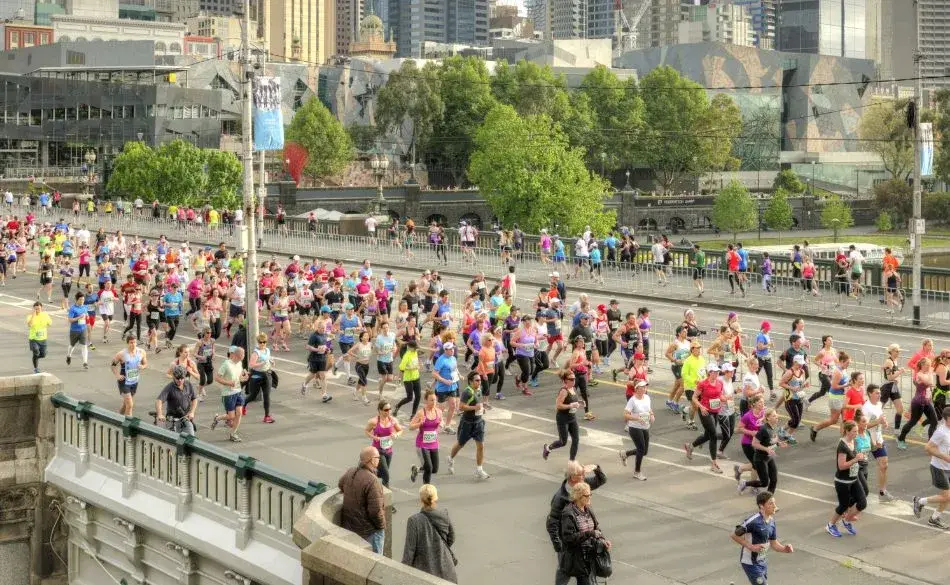
In the opening kilometres, the course feels calm rather than crowded, which makes it easier to settle into pace without weaving or braking. This early sense of space is one reason many runners find the marathon in Melbourne less stressful than busier city races, especially if race nerves usually push them too hard at the start.
As the course moves toward the bayside sections, the atmosphere shifts. Crowd noise fades, the roads open up, and the race becomes more internal. Long, straight stretches encourage patience, and this is where runners who surge early often start to feel the cost. Those who stay relaxed usually find the kilometres pass more smoothly.
Although the elevation profile looks flat on paper, it includes small rises that appear often enough to build fatigue over time. These are not sharp climbs, but gradual changes that slowly tax the legs if pacing slips. Consistent Melbourne Marathon training helps runners maintain form and efficiency through this part of the course.
The final kilometres guide runners back toward the city before finishing inside the MCG. Entering the stadium changes the emotional tone of the race, giving tired legs a clear target and a lift in focus. Many runners are surprised by how much effort they can still find once the finish comes into view.
On race day, runners most often notice:
- Long uninterrupted sections that reward even pacing and patience
- Very few sharp turns, which helps keep the stride relaxed and efficient
- Mild road camber compared to older city courses
- A stadium finish that sharpens focus late in the race
This course does not create speed on its own, but it gives runners the opportunity to run well if effort is managed carefully. When the course is respected, it stays predictable. When it is rushed, it becomes quietly demanding.
If you want personalised guidance to prepare properly for a marathon in Melbourne, our Melbourne Marathon Training Plan gives you a clear structure built around your current fitness and race goals.
Your coach helps you manage pacing, fueling, and recovery so you arrive at race day prepared for the course, the conditions, and the demands of the Melbourne Marathon.
With tailored coaching support, you’ll train with purpose, avoid common marathon mistakes, and build confidence knowing your plan is designed for how this race actually unfolds.
Learn More →

How Melbourne Marathon Weather Affects Pacing and Performance
Melbourne Marathon weather is one of the biggest reasons this race attracts runners chasing strong, controlled performances. Held in October, the race usually starts in cool conditions, often around 8–10°C, before warming gradually as the morning goes on.
Those temperatures are close to ideal for endurance running, but Melbourne’s reputation for changeable weather still matters. Calm air early can turn into a light breeze later, especially along the bayside sections of the course. This doesn’t usually ruin races, but it does punish runners who lock into pace instead of effort.
I’ve seen this play out clearly with athletes I coach. One runner I worked with trained consistently for the marathon in Melbourne and felt confident after several strong long runs. On race day, conditions were cool early but warmed faster than expected. Instead of adjusting effort, he chased his planned splits and faded hard after 32 km. His fitness wasn’t the issue. His response to the conditions was.
The lesson from races like this is simple. Melbourne rewards runners who stay flexible. Small weather shifts require small pacing changes, not stubborn commitment to a number on your watch.
Smart race-day decisions often include:
- Starting slightly more conservatively if the air feels still and cold
- Letting pace drift gently when running into headwinds near the bay
- Using effort and breathing as guides instead of pace alone
- Adjusting hydration earlier if temperatures rise faster than expected
Good Melbourne Marathon training prepares you for this by including runs in different conditions, not just perfect ones. When you’ve practiced adapting, race day adjustments feel natural rather than stressful.


How Different Sections of the Melbourne Marathon Feel on Race Day
The Melbourne Marathon is often described as consistent, but the race does not feel the same from start to finish. Each section places slightly different demands on your body and your focus, which is why smart pacing matters so much during a marathon in Melbourne.
Early kilometres feel controlled and calm. Wide roads allow runners to spread out quickly, making it easier to settle into pace. This is where patience pays off. Running too fast here rarely feels hard, but it quietly drains energy needed later.
The middle portion of the Melbourne Marathon course, especially the bayside stretches, is where the race becomes mental. Crowd noise drops, scenery opens up, and long straight roads test your ability to stay focused. This is where runners who trained only for pace, not effort, often struggle.
The final section back toward the city and into the MCG brings fatigue and emotion together. Legs are heavy, form is harder to hold, and decision-making becomes simple. This is where preparation shows, not fitness alone.
The table below breaks down how each major part of the course typically feels and what runners need to manage in those moments.
👉 Swipe to view full table
| Course Section | How It Feels | Common Mistakes | What Works Best |
|---|---|---|---|
| Early City Kilometres | Calm, controlled, and deceptively easy | Starting too fast due to adrenaline | Holding back and locking into planned effort |
| Bayside Sections | Quiet, open, mentally demanding | Forcing pace when motivation dips | Running by effort and steady breathing |
| Late Return to the City | Heavy legs with rising emotion | Letting form collapse under fatigue | Shortening stride and staying relaxed |
| MCG Finish | Emotionally lifting but physically tough | Over-sprinting too early | Using the crowd for controlled acceleration |
Understanding how each section of the course feels helps runners respond instead of react. The Melbourne Marathon course rewards awareness more than aggression.


Who the Marathon in Melbourne Suits Best and Who Should Be Careful
The marathon in Melbourne suits a wide range of runners, but it is not perfect for everyone. Understanding who tends to thrive here can help you decide whether this race fits your goals, experience level, and running style.
This race rewards patience more than aggression. The layout, atmosphere, and flow make it easier to run evenly, but they also expose runners who rely on adrenaline or crowd noise to carry them through tough moments.
The Melbourne Marathon is often a strong choice if you:
- Prefer steady pacing rather than constant surges
- Like wide roads and fewer tight turns
- Are running your first marathon and want a calm race environment
- Have trained consistently and trust your pacing plan
- Value organisation and smooth logistics on race weekend
Many runners find the predictable nature of the Melbourne Marathon course reassuring. Knowing what’s coming allows you to stay focused on effort, hydration, and form instead of reacting to sudden changes. That said, some runners should approach this race with care.
You may need to think carefully if you:
- Rely heavily on crowd energy to stay motivated
- Struggle with long, quiet sections of road
- Have difficulty adjusting pace when conditions change
- Tend to start races too fast when the course feels easy
The race does not overwhelm you early, which sounds positive, but it also means mistakes are subtle. Small pacing errors often go unnoticed until late in the race, when fatigue is already high.
Good Melbourne Marathon training helps bridge this gap. Long runs that practice even pacing, fueling discipline, and mental focus prepare you far better than workouts built only around speed. If you’re weighing Melbourne against other options, comparing it with events featured in the best marathons in Australia can help clarify what suits you best.
If you’re still deciding whether a full marathon is the right step, exploring shorter local events like those listed in the best Melbourne fun runs can be a great way to build confidence and race experience.


What to Expect on Melbourne Marathon Race Weekend
Race weekend plays a big role in how your marathon in Melbourne experience feels. The event is well organised, but knowing what to expect helps you stay calm and avoid unnecessary stress.
The days leading into the Melbourne Marathon are usually busy without feeling overwhelming. Bib collection is straightforward, signage is clear, and volunteers are easy to find. This matters more than many runners realise. When logistics run smoothly, your energy stays focused on the race, not problem-solving.
Transport on race morning is one of Melbourne’s strengths. Public transport runs early, and many runners use trains or trams to reach the start area. Roads near the course are closed well in advance, so planning your arrival time is important.
The start area itself feels controlled rather than crowded. Runners are staged in waves, which reduces congestion and helps maintain flow once the race begins. This is especially helpful if you are running your first marathon and want a calmer start.
Things runners often appreciate about race weekend include:
- Clear signage from transport hubs to the start area
- Well-marked bag drop zones and toilets
- Plenty of volunteers available for questions
- Efficient wave starts that reduce early bottlenecks
One thing to plan carefully is clothing. October mornings can feel cold while waiting to start, but conditions usually warm quickly once the race is underway. Disposable layers are common and useful.
Food and hydration options are available near the start and finish, but experienced runners still bring familiar snacks. Race weekend is not the time to experiment.
The overall feel of the Melbourne Marathon Festival is professional without being rushed. When you arrive prepared and give yourself extra time, the weekend supports your race rather than distracting from it.
If you’re looking for structured support across 5km, 10km, and marathon distances, check out our Melbourne running coach training plans and find guidance that fits your goals and schedule.


Fueling and Hydration Mistakes Runners Make in the Melbourne Marathon
Fueling mistakes are one of the most common reasons runners struggle late in a marathon in Melbourne. The course feels manageable early, and the cool start often hides how much energy and fluid you are actually using.
Because the early kilometres feel controlled, many runners delay fueling. That decision usually shows up after 30 kilometres, when legs feel flat and focus starts to fade. The Melbourne Marathon does not punish early mistakes quickly. It collects them slowly.
Hydration errors follow a similar pattern. Cool conditions can reduce thirst, even though sweat loss is still happening. By the time dehydration becomes noticeable, performance has already dropped.
Common fueling and hydration mistakes runners make include:
- Waiting until they feel tired before taking their first gel
- Skipping fluids early because the weather feels cool
- Trying new products provided on course without testing them
- Fueling by distance alone instead of time and effort
The layout of the Melbourne Marathon course makes steady fueling easier if you plan ahead. Aid stations are spaced consistently, and there is enough space to slow slightly without disrupting other runners. Using this space wisely helps keep fueling calm rather than rushed.
Good Melbourne Marathon training includes practicing race-day fueling in long runs, not just carrying nutrition “just in case.” When your stomach is used to regular intake, fueling feels routine instead of stressful.
One simple way to think about fueling in Melbourne is this. If the race feels easy early, you should already be eating and drinking. That’s when it matters most. Runners who stay on top of energy and fluids early usually find the final kilometres more manageable, even when fatigue sets in.
If managing pacing, fueling, and recovery feels overwhelming, our marathon coaching in Melbourne guide explains how personalised support can help you train with clarity and avoid common race-day mistakes.


Common Pacing Errors That Catch Runners Out in the Melbourne Marathon
Pacing mistakes are easy to make in a marathon in Melbourne because the race rarely feels chaotic or aggressive early on. The calm start and wide roads can trick runners into thinking they are holding back, even when they are already running slightly faster than planned.
The most common error happens in the first 10 kilometres. Runners feel fresh, conditions are cool, and the pace feels effortless. Without tight crowding or sharp turns to slow things down, it is easy to drift ahead of target effort without noticing. That extra effort often feels harmless at the time.
Another issue appears in the middle of the Melbourne Marathon course, particularly along the quieter bayside sections. With fewer external distractions, runners start chasing pace instead of staying connected to effort. This is where guidance from a running coach in Melbourne can be valuable, helping runners learn how to adjust effort without overcorrecting.
Late in the race, pacing mistakes show themselves clearly. Legs feel heavy, posture starts to change, and breathing becomes less controlled. Runners who spent too much energy early often experience a sharp drop in speed between 32 and 38 kilometres, even if fitness is not the limiting factor.
Good Melbourne Marathon training teaches runners to read internal cues rather than relying on split times alone. Breathing rhythm, stride control, and perceived effort are more reliable late in the race than pace on a watch.
The most successful Melbourne Marathon runners tend to accept that their pace may fluctuate slightly. They allow small slowdowns into headwinds and gentle rises, then return to rhythm without forcing speed.


Is the Marathon in Melbourne Right for You
The marathon in Melbourne rewards runners who prepare well, pace with care, and stay aware of how the race unfolds. It does not rely on noise or spectacle to carry you. It asks you to trust your training and make smart decisions when it matters.
If you value organisation, wide roads, and a course that allows you to run evenly, this race fits well. If you prefer constant crowd energy or dramatic terrain changes, it may feel quieter than expected. Neither is right or wrong. It simply depends on what helps you run your best.
The Melbourne Marathon is not about chasing perfection. It is about managing effort, fueling early, and responding calmly as conditions change. Runners who respect those basics usually finish feeling stronger and more in control than they expected.
For first-time marathoners, the event offers a supportive environment without unnecessary pressure. For experienced runners, it provides a fair course where preparation shows clearly. If you approach the race with patience and awareness, the Melbourne Marathon gives you the space to run your own race from start to finish.