
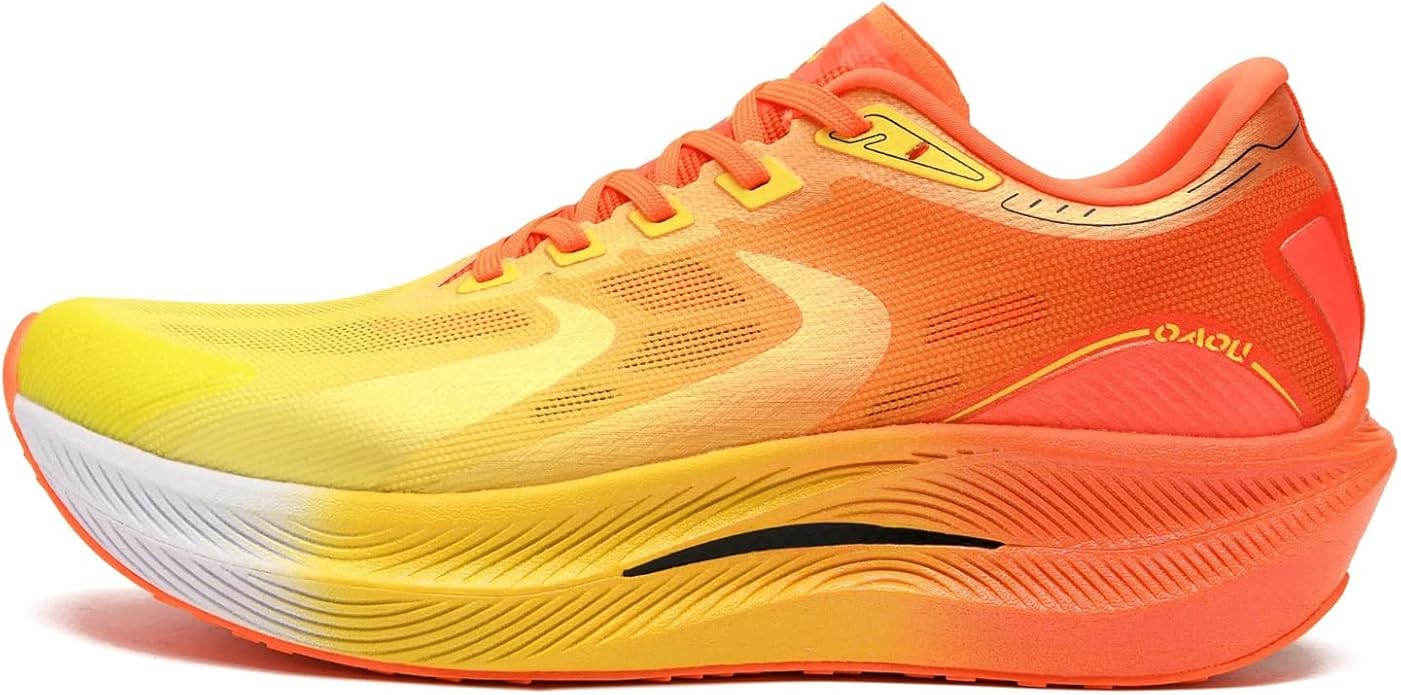
As an Amazon Associate, SportCoaching earns from qualifying purchases.






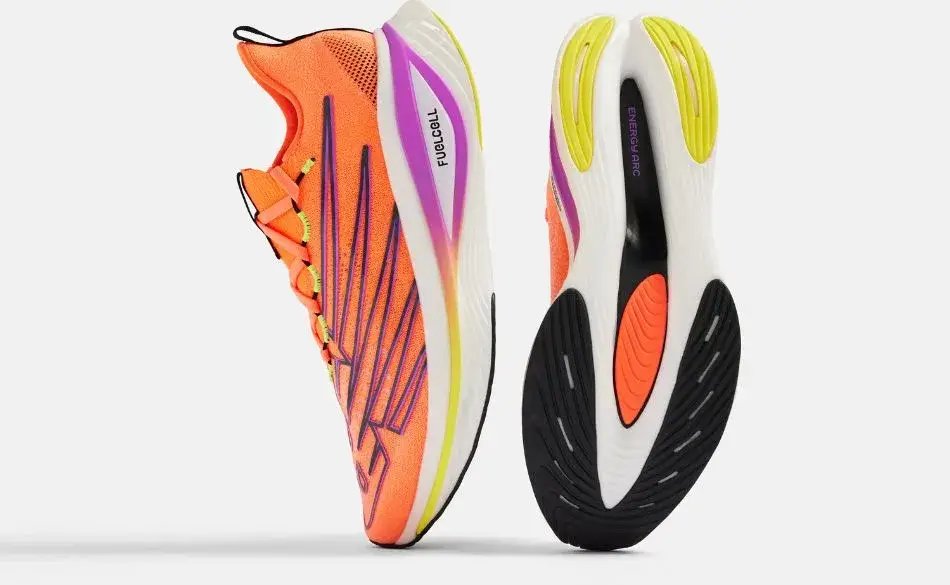
As an Amazon Associate, SportCoaching earns from qualifying purchases.
 Coach Graeme
Last updated:
Not sure where to start with training?
Tell us your goal and schedule, and we’ll give you clear direction.
No obligation. Quick, practical advice.
Explore our running training advice for more helpful articles and resources.
When you’re preparing for 26.2 miles, your shoes matter more than any other gear. The best marathon running shoes combine comfort, support, and efficiency so you can stay strong from start to finish. But what exactly makes a pair stand out?
Cushioning is the first factor. A good midsole should provide both softness and bounce. Foams like ZoomX, DNA Loft, or PWRRUN deliver excellent shock absorption while giving you back energy with every stride. This balance keeps your legs fresher deep into the marathon. If you often struggle with sore knees or hips, a more cushioned running shoe for long distance could make a noticeable difference.
Weight is the next key. Using lightweight running shoes for the marathon racing reduce fatigue and help you maintain pace. However, go too light and you may lose stability during training. Many runners use a durable daily trainer for long runs, then switch to a marathon racing shoe with carbon plate technology for race day speed.
Fit also plays a big role. A wide toe box shoe allows your feet to expand naturally as they swell over the course of the race. Runners who overpronate may benefit from stability running shoes, while others with a neutral stride perform best in neutral marathon running shoes that don’t overcorrect their motion.
Durability is another factor that can’t be ignored. The most lightweight marathon shoes often last only 200–300 miles, while the best long-distance running shoes for training can handle closer to 500 miles. Retiring your shoes before they lose structure is critical to prevent injury.
At the end of the day, the best marathon shoes almost disappear on your feet. You’re not thinking about blisters, sore arches, or rubbing seams. You’re simply running free, focused only on your rhythm and your race.
The right footwear is only part of the marathon equation. Without a smart plan, even the best pair won’t help you reach your potential. Our Running Coaching gives you personalised guidance that works alongside your shoe choice to build endurance, refine form, and keep you consistent through the toughest miles.
Pair your shoes with expert coaching and give yourself the best chance to run stronger and finish faster.
Start Personal Running Coaching →As an Amazon Associate, SportCoaching earns from qualifying purchases.
Both types have a place in your build. Your daily miles shape your form, and your race day shoe helps you hold pace when it counts. The trick is knowing when to wear each.
Marathon training shoes focus on comfort and durability. They use resilient foams for steady shock absorption and come with secure uppers that handle long runs and tempo days. If you need support, look for stability running shoes. If your stride is even, neutral shoes will feel smoother.
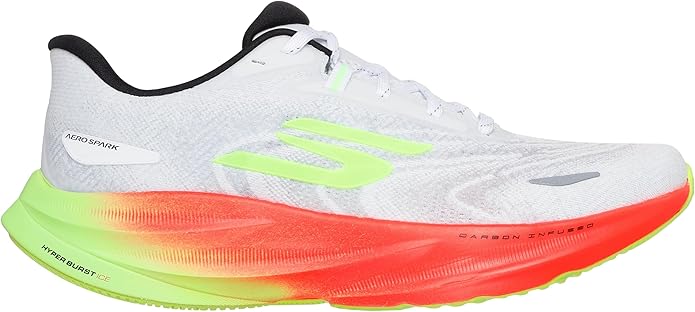
Marathon racing shoes aim for speed. They are usually lighter, often use a plate, and maximize energy return to help you run fast with less effort. Many runners pick carbon plate marathon shoes for the goal race and keep a sturdier trainer for the rest of the week.
When to choose training shoes
When to choose racing shoes
Need a simple plan? Use a durable trainer for 70–80% of your weekly volume, then reserve your faster pair for marathon pace sessions and race day. If you rotate two trainers, pick one with a softer feel and one with a snappier ride. This gives your legs variety and extends the life of each shoe.
Bottom line: let training shoes protect your body and let marathon racing shoes help you finish strong.
Choosing the right pair means paying attention to details that will support you over 26.2 miles. Comfort is important, but so is technology. The right mix of features can make the difference between struggling in the late miles and finishing strong.
Here are the main features you should consider when looking at marathon running shoes:
Not every runner needs maximum cushioning or the newest plate design. Think about your stride, your mileage, and your comfort preferences. The best long-distance running shoes are the ones that help you stay efficient and pain-free through training and race day.
By checking off these features, you’ll avoid common mistakes like shoes that wear down too quickly, models that feel too narrow after two hours, or pairs that don’t provide enough bounce. The best running shoes feel almost invisible, letting you focus on your rhythm instead of your gear.
For runners with flatter arches who need extra stability, models built for this foot type can make a big difference. Learn more about options for your stride: best running shoes for flat feet.
The best fix for knee pain is often prevention. Once you’ve felt pain on inside of knee after running, you know how frustrating it can be to cut a run short or skip training days. Building small habits into your routine makes a huge difference in protecting your knees.
One of the simplest strategies is choosing the right footwear. Old or unsupportive shoes often lead to overpronation, which drags your knee inward and stresses the inside joint. Rotating shoes and replacing them every 300–500 miles can keep your stride healthy.
Surface also matters. Long runs on concrete pound the joint more than trails or tracks. If you’ve had knee pain after running on treadmill, it may be due to the repetitive, flat motion. Mixing in softer surfaces helps spread the impact across your muscles instead of forcing it all through the knee.
Your running form is another key piece. Overstriding, crossing your feet too much, or letting your hips drop all increase stress on the medial side. A shorter stride with higher cadence (steps per minute) can reduce force on your knees and help prevent runner’s knee (inside pain).
Here are some insider tips I often share with athletes:
Prevention isn’t about being perfect. It’s about stacking small choices (better shoes, smarter surfaces, consistent strength) that keep you running without being sidelined by nagging injuries.
Mobility exercises are key to keeping your knees and hips flexible, reducing the chance of medial knee pain. For a full set of targeted drills, see our guide: 10 Mobility Exercises for Runners to Run Faster and Stay Injury-Free.
| Shoe Model | Weight (Men’s US 9) | Cushioning | Best For | Durability (Miles / KM) |
|---|---|---|---|---|
| Nike Vaporfly 3 | ~7 oz / 200 g | Soft + high energy return | Carbon plate marathon shoes, PR attempts | 200–250 mi / 320–400 km |
| Adidas Adizero Adios Pro 3 | ~7.6 oz / 215 g | Responsive + firm ride | Racing and long runs | 250–300 mi / 400–480 km |
| Asics Metaspeed Sky+ | ~7.2 oz / 205 g | Bouncy + stable | Fast marathons, neutral runners | 200–300 mi / 320–480 km |
| Hoka Clifton 9 | ~8.7 oz / 247 g | Plush cushioning | Cushioned running shoe for long distance, training | 400–500 mi / 640–800 km |
| Brooks Adrenaline GTS 23 | ~10.1 oz / 286 g | Supportive + stable | Stability running shoes for marathon | 400–500 mi / 640–800 km |
From lightweight racing super shoes like the Vaporfly and Adios Pro to durable trainers such as the Clifton and Adrenaline, the right choice depends on your needs. If you want maximum speed, opt for a carbon-plated racer. If your focus is high-mileage comfort, pick a trainer with strong cushioning. A balanced rotation of one trainer and one racer ensures you get the best of both worlds for marathon training and race day.
No two runners are the same. Your stride, body weight, and mileage all play a role in deciding which marathon running shoes will serve you best. Picking the right model means understanding your unique needs and matching them with the shoe’s features.
Here’s a simple breakdown to help guide your choice:
Remember, it’s not just about what’s popular. The best running shoes are the ones that match your stride and feel natural on your feet. Always test shoes with a short run if possible, and rotate pairs during training to extend their lifespan.
The world of marathon running shoes has changed dramatically in the past decade. Today’s models are lighter, faster, and more advanced than ever before, thanks to research and technology designed to improve running economy.
One of the biggest shifts is the use of carbon plate marathon shoes. These plates act like a spring, storing and releasing energy to propel you forward. When paired with new super-foams such as ZoomX or FuelCell, studies show they can improve efficiency by 3–4%. That’s enough to shave minutes off marathon times.
If you want to go deeper into how to pick the right plated shoe and what trade-offs to consider, check out this guide: What You Should Know Before Buying Carbon Plate Running Shoes.
Another growing trend is the focus on sustainability. Brands like Adidas and Brooks are creating marathon trainers with recycled materials and eco-friendly midsoles. These long-distance running shoes not only perform well but also reduce environmental impact.
Fit and customization are also evolving. Some shoes now feature adaptive uppers that mold to your foot during a run. Wider toe box designs are becoming standard across many brands to help with comfort during long races. For runners with overpronation, stability models are lighter and less bulky than older versions, making stability running shoes more appealing to a wider audience.
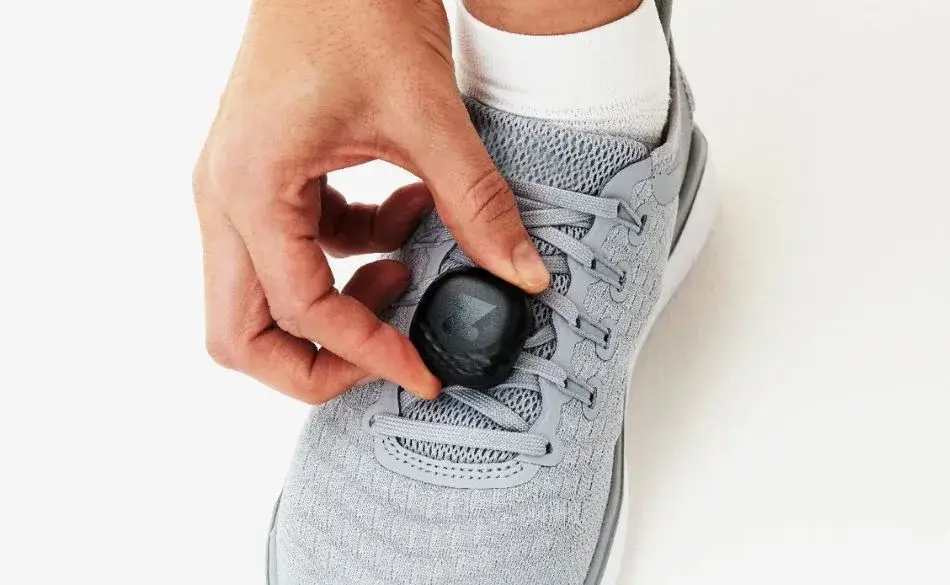
Looking ahead, expect to see more advanced foams, hybrid plate technologies, and even smart shoe features that track mileage and stride data. These innovations will keep pushing the boundaries of what’s possible on race day. But even with all the high-tech improvements, the key is still the same: choose the running shoes that feel best for your stride, goals, and training style.
Even the best running shoes can cause problems if you don’t give them time to adjust to your feet. Breaking in your shoes ensures comfort, reduces blister risk, and helps you get familiar with how they feel under marathon pace.
Start small. Wear your new pair on easy runs of 3–5 miles. This gives the upper a chance to stretch and the midsole foam a chance to flex naturally. After two or three short runs, add them into a longer session like a steady 10-mile run. If they feel good, you can gradually build up to using them for your longest marathon training runs.
Save at least one long run in your new shoes at or near marathon pace. This is your chance to confirm whether the cushioning, weight, and fit feel right for race day. Many runners rotate two pairs of running shoes so they always have a fresh option while avoiding overuse injuries.
Don’t wait until the week of the marathon to test your new shoes. Experts recommend at least 30–40 miles of break-in running before racing. This gives you enough time to identify any pressure points, rubbing, or fit issues. If you need a backup, keep an older, well-fitting trainer in your rotation just in case.
Breaking in your shoes is like getting to know a training partner. The more time you spend together, the more trust you’ll have on race day. A properly broken-in shoe will feel almost invisible—just steady support mile after mile. To strengthen your stride and support your training, explore these leg exercises for runners.
To complement your shoe prep, try mobility work tailored to runners. These moves help your ankles, hips, and calves adapt better during long runs: 10 mobility exercises for runners.
One of the most common questions runners ask is how long their marathon running shoes will last. The truth is, it depends on the type of shoe, your running style, and how many miles you log each week.
For most long-distance running shoes used in training, the lifespan is between 400 and 500 miles (640–800 km). After this point, midsoles begin to lose cushioning, uppers stretch, and support features break down. Even if the shoes look fine, worn-out midsoles can increase your risk of injury.
Marathon racing shoes, especially those with carbon plates and lightweight foams, don’t last as long. Most provide peak performance for 200–300 miles (320–480 km). That’s enough for a training cycle and your race, but they usually won’t survive multiple marathons at full strength.
Your body weight, running form, and terrain also affect durability. Heavier runners and those training on rough roads may notice their shoes wearing out sooner. Rotating two pairs (one daily trainer and one lighter racing model) helps extend their lifespan while giving your legs variety.
A good tip is to track mileage using your training app or mark the purchase date on the shoe box. When you start feeling less bounce, more soreness after runs, or visible wear on the outsole, it’s time for a new pair. Investing in fresh marathon running shoes not only improves comfort but also keeps you consistent and injury-free during training. Read more here: When should you replace your running shoes?
The right shoes are only part of the marathon journey. Without a structured plan, even the best gear won’t carry you to the finish line feeling strong. Our Running Training Plans are built to complement your footwear choices, helping you improve endurance, build strength, and avoid the setbacks that come from doing too much too soon.
Pair the right training with the right shoes and give yourself the best chance to succeed on race day.
Explore Training Plans →As an Amazon Associate, SportCoaching earns from qualifying purchases.
At the end of the day, the best marathon running shoes aren’t about hype or price tags. They’re about how well they match your stride, your training, and your goals. The perfect pair feels natural from the first step and gives you confidence that your feet will carry you through all 26.2 miles.
If your priority is comfort, look toward cushioned running shoes for long distance. If speed is your dream, explore carbon plate marathon shoes that maximize energy return. Neutral runners often thrive in lightweight, balanced models, while others benefit from stability running that provide extra guidance. And for those logging hundreds of training miles, durability should be at the top of the list.
Remember that no single shoe is right for everyone. What works for an elite marathoner may not suit a beginner, and vice versa. The key is testing, listening to your body, and rotating pairs that cover different needs—one for high-mileage training, another for race day speed. With the right setup, your shoes become less of a worry and more of a partner in your journey.
So, what’s your next step? Take what you’ve learned here, try on a few pairs, and trust how they feel when you run. The right marathon running shoes will not only change the way you race, they’ll change the way you see your own potential on the road.
Head Coach
Graeme has coached more than 750 athletes from 20 countries, from beginners to Olympians in cycling, running, triathlon, mountain biking, boxing, and skiing.
No matter your goals, SportCoaching offers tailored training plans to suit your needs. Whether you’re preparing for a race, tackling long distances, or simply improving your fitness, our expert coaches provide structured guidance to help you reach your full potential.
Smart, progressive training from 5km to marathon with weekly guidance.
What’s included
Browse upcoming Australian running, cycling, and triathlon events in one place. Filter by sport, check dates quickly, and plan your training around something real on the calendar.
Choose your plan to get started with personalized training plans designed to help you reach your goals.
Get consistent feedback, ongoing plan adjustments, and direct support from a coach who understands your training, your data, and your goals.
Prefer to chat? Talk with a coach now →


Minna Backman
When you’re new, feedback is especially important, and Graeme is highly skilled at both analyzing numbers and understanding the importance of mental strength.