Why Non Weight Bearing Exercises Matter for Runners
Running is one of the most natural and rewarding forms of movement, but it’s also demanding on your body. Every stride sends forces through your legs, feet, and hips (often two to three times your body weight). Over time, that repeated impact can lead to injuries, especially when you increase your mileage or intensity too quickly. That’s where non weight bearing exercises become essential for runners.
These movements give your body the break it needs while still building endurance and maintaining strength. Think of them as active recovery sessions that keep your heart and lungs strong without stressing your joints. Instead of stopping training completely, you shift your focus to low impact workouts that help you stay conditioned. This approach protects your fitness base and shortens your path back to running.
Scientific research continues to show how unloading the joints benefits recovery. For example, this study published in the journal Cartilage compared weight-bearing and non weight bearing exercise and found measurable differences in cartilage stress and biochemical responses, supporting low-impact recovery strategies for runners.
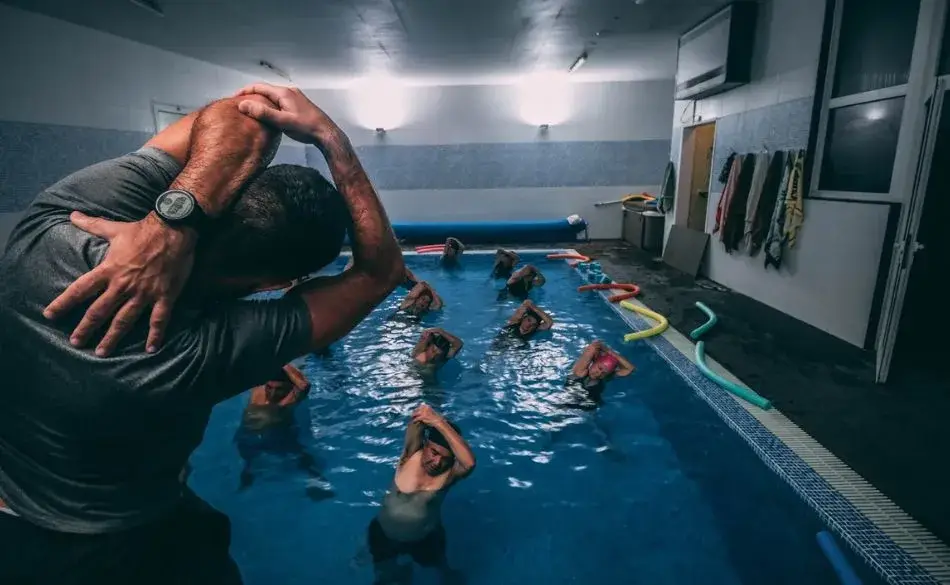
Research from the Journal of Orthopaedic & Sports Physical Therapy highlights that activities like swimming and cycling can preserve more than 90% of a runner’s aerobic fitness during injury recovery. Deep-water running, or pool running, even mimics the running motion without impact, allowing you to maintain stride mechanics while your muscles and bones heal. It’s a smart and scientifically backed way to keep training when running on land isn’t possible.
For runners who want to begin reintroducing impact safely while still limiting joint stress, the Alter G Running Machine offers a powerful solution. It uses adjustable air pressure to support your body weight, letting you maintain proper running mechanics and intensity while gradually rebuilding strength during rehabilitation.
In my coaching experience, runners who adopt cross training (liike swimming, cycling indoors, or using an elliptical) return to running not only healthy but more efficient. Their cardiovascular endurance stays high, and they often improve balance and mobility through these alternative movements. The key is to view time off running as an opportunity to refine your foundation, not a setback.
So if you’re sidelined right now, don’t think of it as lost time. It’s a reset. By embracing non weight bearing exercises, you give your body the recovery it deserves while keeping your passion for movement alive.
Injured or taking time off from running? Our Running Coaching program helps you maintain fitness with structured non weight bearing workouts and smart cross-training plans. We design your training around recovery — so you can heal safely, stay consistent, and come back stronger than ever.
- Custom training plans: built around your injury recovery or reduced load phase
- Low-impact workout guidance: integrate swimming, cycling, and pool running effectively
- Progress monitoring: weekly plan updates as you rebuild strength and endurance
- Expert feedback: personalized support to ensure you recover right and return ready
Learn how to stay strong, avoid setbacks, and train smarter through every recovery stage with a plan tailored to you.
Start Personal Coaching Today →

Best Non Weight Bearing Cardio Workouts for Runners
When running isn’t an option, keeping your heart rate up and your endurance alive is the next best thing. The key is finding non weight bearing exercises that challenge your aerobic system without putting stress on your joints. These low impact workouts let you maintain that familiar burn while your body heals. Here are some of the best cardio options for runners recovering from injury or managing fatigue between training blocks.
- Pool Running (Aqua Jogging) – This one tops the list. You mimic your normal running stride in deep water, using a flotation belt to stay upright. Your heart rate rises quickly, but there’s zero impact. It’s perfect for runners with shin or knee issues.
- Swimming for Recovery – Freestyle and backstroke are fantastic for maintaining cardiovascular fitness and improving upper body strength. Plus, the cooling effect of water helps reduce inflammation and soreness after intense training.
- Cycling Indoors – Stationary cycling targets your glutes, hamstrings, and quads, keeping your legs strong for when you return to running. Adjust resistance to mimic hill efforts and intervals to simulate race-like exertion.
- Elliptical Training – If you prefer something more upright, the elliptical machine offers a smooth gliding motion that’s easy on your joints but still delivers a great aerobic workout. It’s also excellent for maintaining stride rhythm and form awareness.
- Hand Cycling or Arm Ergometer – These forms of upper body cardio are often overlooked but can seriously boost aerobic endurance. They’re especially useful for runners dealing with lower-body injuries.
To make your indoor rides more structured and effective, check out Best 1 Hour Cycling Workout for a complete plan that keeps your endurance, leg strength, and aerobic capacity strong while you recover from running.
Each of these non weight bearing cardio workouts builds your endurance in a different way. Mix them throughout your week to target multiple muscle groups while keeping your heart strong. Many runners I coach find combining two (like cycling and pool running) offers the best balance between variety and progress.
Strength and Mobility Exercises That Support Recovery
Even when you can’t run, you can still build the strength and stability that make you a better athlete. Non weight bearing exercises aren’t just about cardio; they’re also your chance to focus on activation, flexibility, and balance. Many runners discover hidden weaknesses during recovery (weak hips, tight calves, or stiff ankles). Working on these areas now pays off when you’re back on the road stronger than before.
- Seated Leg Extensions – Done while sitting, these strengthen the quadriceps without loading the knees or ankles. They’re a fully non weight bearing exercise ideal for early recovery or post-surgery rehab.
- Side-Lying Leg Raises – This classic movement isolates your hip stabilizers and glutes. Because your working leg moves freely without supporting body weight, it’s one of the safest rehabilitation exercises for injured runners.
- Ankle Circles and Toe Flexes – Gentle mobility drills that boost circulation and keep tendons supple. These simple motions are pure non weight bearing exercises that prevent stiffness when you’re resting more than usual.
- Glute Bridges – While not entirely non weight bearing, this partial weight bearing move strengthens your glutes and hamstrings. It’s perfect once your recovery progresses and you can tolerate light load through your feet.
- Core Stability Work – Exercises like planks or bird dogs involve partial body weight but are excellent for improving balance and posture. They help re-engage your core for a smoother return to running form.
Doing these movements two to three times per week keeps your muscles active and your coordination sharp. One runner I coached recovered from a stress fracture using these drills. He came back with stronger hips, better balance, and fewer injuries afterward. The key is progression: and move toward partial ones as healing continues.


Comparing Non Weight Bearing Exercise Options
Not all non weight bearing exercises are created equal. Each one targets different muscle groups and offers unique benefits for runners in recovery. Choosing the right mix depends on your injury, fitness level, and recovery stage. The table below compares some of the most effective low impact workouts runners can use to stay fit while protecting their joints.
👉 Swipe to view full table
| Exercise | Type | Primary Benefits | Ideal For | Notes |
|---|---|---|---|---|
| Pool Running (Aqua Jogging) | Cardio / Endurance | Mimics running stride, maintains VO₂ max, zero impact | Stress fractures, knee or shin injuries | Fully non weight bearing, excellent aerobic maintenance |
| Swimming | Cardio / Recovery | Full-body conditioning, reduces inflammation, improves mobility | General overuse injuries or recovery between runs | Non weight bearing and promotes joint recovery |
| Cycling Indoors | Cardio / Strength | Builds leg power, maintains aerobic base, minimal joint load | Runners rehabbing from lower-leg injuries | Low impact but not fully non weight bearing |
| Elliptical Training | Cardio / Technique | Simulates running motion, promotes rhythm, reduces stress impact | Returning runners easing back into movement | Partial weight bearing, safe for most minor injuries |
| Seated Leg Extensions | Strength / Rehab | Rebuilds quad strength, improves knee stability | Post-surgery or early recovery phase | Completely non weight bearing open-chain movement |
| Side-Lying Leg Raises | Strength / Stability | Strengthens hips and glutes, supports proper alignment | Hip pain, IT band, and knee tracking issues | Non weight bearing, improves lateral control |
As this comparison shows, pool running and cycling indoors are the closest matches to running in terms of aerobic challenge. Meanwhile, strength-based movements like side-lying leg raises and seated leg extensions focus on rebuilding stability and control. Combining cardio and strength elements creates a full-spectrum recovery plan that prevents fitness loss and reduces the risk of re-injury once you return to running.
Injured or taking a break from high-impact running? Our Marathon Training Plan is designed to help you maintain race-level fitness with non weight bearing exercises and structured low impact workouts. Each phase includes safe cross-training options, recovery guidelines, and progressive running reintroduction so you can stay strong without losing endurance.
- Structured cross-training: blend cycling, pool running, and elliptical workouts to preserve endurance
- Gradual return-to-run plan: ease back into mileage safely after time off
- Custom pacing & recovery: balance effort with joint-friendly training sessions
- Coach-supported guidance: weekly feedback to adjust sessions around your recovery needs
Recover smarter, maintain your marathon fitness, and come back ready to run your strongest 42.2 km yet.
Explore Marathon Training Plans →

How to Build a Weekly Routine Using Non Weight Bearing Exercises
Now that you know the best non weight bearing exercises for runners, the next step is putting them together into a plan. The goal isn’t to copy your regular mileage, it’s to maintain your aerobic engine, keep muscles active, and let injured tissues heal. When done correctly, these low impact workouts can keep your fitness steady for weeks or even months.
A good weekly structure balances cardio, strength, and recovery. Here’s an example routine I use for runners returning from stress injuries or joint pain:
- Monday: Pool running (45 minutes moderate effort) + mobility drills
- Tuesday: Strength and stability work (glute bridges, side-lying raises, core exercises)
- Wednesday: Cycling indoors (60 minutes including short intervals at a challenging pace)
- Thursday: Active recovery (swimming for 30 minutes or gentle ankle mobility)
- Friday: Elliptical training (40 minutes, steady zone 2 heart rate)
- Saturday: Strength session (seated leg extensions, upper-body cardio on arm ergometer)
- Sunday: Rest or optional aqua jog recovery
Adjust intensity based on your injury phase. Early on, stick to gentle rehabilitation exercises and avoid fatigue. As pain subsides, extend workout duration or introduce short bursts of higher effort. Always focus on form and controlled breathing. These sessions should feel like maintenance, not punishment.
Here is a coaching tip: track your heart rate or perceived effort. Try to match your previous running zones, especially during cross training sessions. You’ll be surprised how much fitness you can retain by training smart.


How to Improve Running Form with Non Weight Bearing Training
Most runners think form work only happens while running, but the truth is, non weight bearing exercises can dramatically improve how you move when you’re back on your feet. When you remove impact and slow things down, you can isolate weaknesses that often go unnoticed during regular runs.
Swimming, cycling, and pool running are excellent examples. They strengthen your hip flexors, glutes, and core, key muscles for efficient stride mechanics. Cycling in particular improves lower-body coordination and smooth pedal strokes that translate into better cadence control. The smoother you move in water or on the bike, the more efficient your leg turnover will be once you return to running.
Adding rehabilitation exercises like side-lying leg raises and seated leg extensions helps correct muscle imbalances caused by overtraining or poor form. Many runners overuse their quads and neglect their posterior chain, which can cause injuries like runner’s knee or IT band syndrome. Strengthening these supporting muscles in a controlled, low impact workout environment teaches proper activation and improves posture without strain.
If you have access to a mirror or underwater treadmill, even better. Watching your form in slow motion helps you notice whether your knees cave in, hips drop, or your stride crosses over the center line. These are small details that create huge differences once you start logging miles again.
The big advantage of non weight bearing training is precision. You can train muscle groups, refine movement patterns, and fix inefficiencies without the fatigue that running normally brings. When you finally return to the road, every stride feels smoother, lighter, and more powerful, because you’ve rebuilt your form from the ground up, without ever touching the pavement.


Comparing Energy Burn and Muscle Activation in Non Weight Bearing Workouts
One of the most common questions runners ask is, “Can non weight bearing exercises really keep me fit?” The short answer is yes, but the key lies in how you use them. Each low impact workout challenges your body differently, depending on the muscles activated and the intensity of effort. Understanding these differences helps you train smarter and maintain balance during recovery.
👉 Swipe to view full table
| Exercise | Calories Burned (per hour) | Primary Muscle Groups | Intensity Equivalent | Notes |
|---|---|---|---|---|
| Pool Running (Aqua Jogging) | 400–550 | Glutes, hip flexors, core | Similar to an easy–moderate run | Zero impact; maintains running motion and cadence. |
| Swimming | 450–700 | Shoulders, back, core, glutes | Equivalent to steady endurance training | Improves mobility and upper–lower body coordination. |
| Cycling Indoors | 500–800 | Quads, hamstrings, calves | Comparable to tempo running | Adjust resistance to simulate hill work or intervals. |
| Elliptical Training | 400–600 | Glutes, quads, calves, core | Moderate run intensity | Partial weight bearing; smooth stride transition. |
| Arm Ergometer | 300–450 | Shoulders, arms, chest | Light cardio equivalent | Ideal for runners with lower–body restrictions. |
Data shows that many non weight bearing cardio workouts can match running’s calorie burn and muscular demand when performed with purpose. Cycling and swimming provide the highest overall energy output, while pool running best preserves the running motion. Mixing these throughout your recovery week ensures that you maintain strength, endurance, and coordination.
For more ideas to make your pool workouts fun and effective, explore 9 Calorie-Burning Pool Exercises to add variety, intensity, and new challenges to your aqua training sessions.
If you’re recovering from a lower-body injury and want to keep your heart rate up, check out Upper Body Cardio Without Using Your Legs for creative ways to build endurance and strength without impact.
Taking a break from running or managing an injury doesn’t mean losing fitness. Our Running Training Plans are designed to integrate non weight bearing exercises and low impact workouts so you can stay conditioned while your body heals. Each plan transitions you safely back to running, helping you rebuild endurance and confidence step by step.
- Cross-training support: structured cycling, swimming, and pool running options to maintain aerobic fitness
- Safe progression: gradual increases in running load once you’re cleared to return
- Recovery-focused design: sessions that protect joints while maintaining strength and endurance
- Expert coaching: guidance from experienced coaches who specialize in runner rehabilitation and comeback training
Don’t let time off set you back — train smarter, recover stronger, and return to running feeling better than ever.
Explore Running Training Plans →

Transitioning Back to Running Safely
After weeks of non weight bearing exercises, the excitement of running again can make it tempting to rush the process. But returning too quickly is one of the most common causes of re-injury among runners. The goal is to rebuild tolerance gradually using all the strength, endurance, and coordination you’ve maintained through low impact workouts.
Start by reintroducing short, walk-run intervals on flat terrain. Keep your stride relaxed, your cadence steady, and your effort level low. The first week should be more about assessment than progress. If you trained consistently with cross training, you’ll notice your heart rate responds well, even if your legs feel rusty. That’s normal, it’s your body adjusting to the load again.
Many physiotherapists recommend the “10% rule,” which means increasing your total running time or distance by no more than 10% each week. This gives tendons, bones, and muscles enough time to adapt. On non-running days, continue non weight bearing cardio workouts like cycling or swimming to maintain aerobic volume without added impact. Alternating these sessions reduces fatigue and keeps your body balanced.
Pay attention to small signs (tightness in the shins, soreness in the knees, or stiffness in the hips). These are your body’s early warning systems. If you notice them, back off for a few days and swap in rehabilitation exercises instead. Returning too fast often leads to setbacks that take longer to heal than the original injury.
The best comebacks are patient ones. Gradual loading, consistent cross training, and regular recovery will bring you back stronger than before. Think of this stage as the bridge between recovery and performance.
If you’re wondering how soon to start running again or how to rebuild mileage safely, check out Running After 2 Weeks Off for a detailed breakdown of pacing, recovery phases, and smart progression tips to guide your comeback.


The Runner’s Comeback: Returning Stronger After Recovery
Every runner who’s had to stop knows how hard it is to press pause. But recovery isn’t a setback, it’s part of the process. The miles you’ve missed don’t define your fitness; the consistency and patience you’ve shown through non weight bearing exercises do. By training smarter, you’ve protected your body while keeping your aerobic base alive.
Whether you spent weeks pool running, cycling indoors, or focusing on rehabilitation exercises, that work pays off now. These low impact workouts build resilience, balance, and strength in ways running alone can’t. You’ve given your body the time it needed to adapt and in doing so, you’ve built a stronger foundation for the miles ahead.
As you lace up for your first few runs, remember that recovery isn’t about perfection; it’s about progression. Keep cross-training in your schedule, continue your strength work, and listen closely to your body. Each stride should feel earned, not rushed. The key is patience, because sustainable running fitness comes from smart training, not just hard effort.
Every athlete I’ve coached who stayed committed to non weight bearing training came back better than before. Their running form improved, their confidence grew, and most importantly, they learned how to train without breaking down.