Speed and Aerodynamics - Where the Real Difference Begins
If you have watched a time trial or a triathlon, you have seen how a triathlon bike slices through the wind. It is not just about looks. It is about design, position, and the parts that support both.
The aerodynamic benefits of triathlon bike frame geometry come from a few key choices. A steeper seat tube angle moves your hips forward. Deeper tube shapes guide the air more cleanly. An integrated cockpit helps you hold a narrow and stable position.
When you ride like this, you present less of your body to the wind. Less drag means more free speed. Over long courses, those small gains add up.
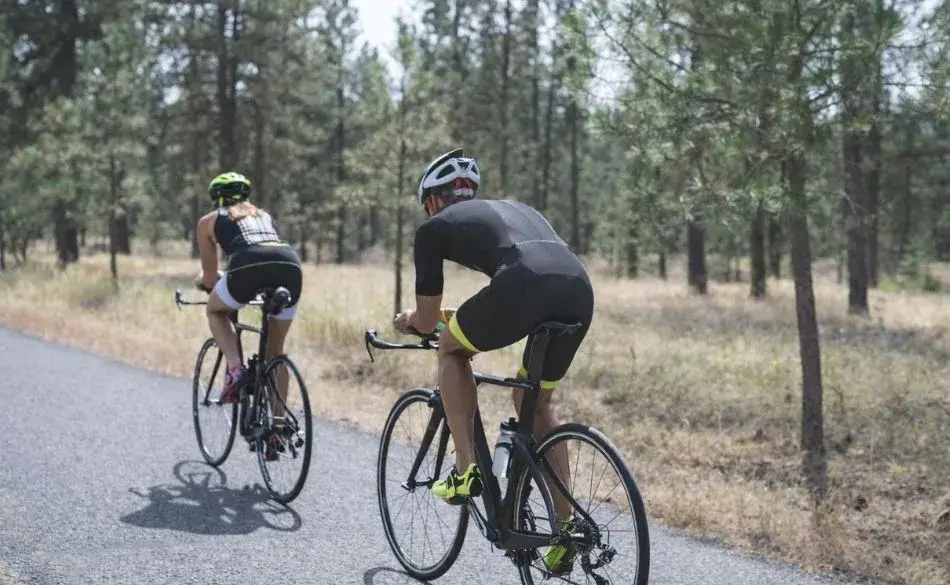
A road bike places you a little more upright. That can help with breathing and handling. It also makes climbing feel natural. The tradeoff is simple. More body in the wind creates more resistance.
Across a 90 km Half Ironman bike leg, the gap can be minutes. You may not see it on a short group ride. You will feel it on a long race day with steady pacing.
One athlete I coach, Sarah, trained for her first non drafting triathlon on a road bike with clip on aerobars. She gained some speed right away. When she moved to a dedicated triathlon bike, her average speed rose by about 2 km per hour at the same effort. Her run also felt easier. That is the power of matching the bike to the event.
Course type matters too. Triathlon bikes shine on flat or rolling terrain where you can stay in the aero position for long stretches. If your route has steep climbs or tight turns, a road bike can feel quicker and safer.
Think of a triathlon bike as a sports car on a smooth track. Think of a road bike as a fast and flexible hatchback. Both are quick. One is built for long, steady speed. The other is built for variety.


Does a Triathlon Bike Climb Worse Than a Road Bike?
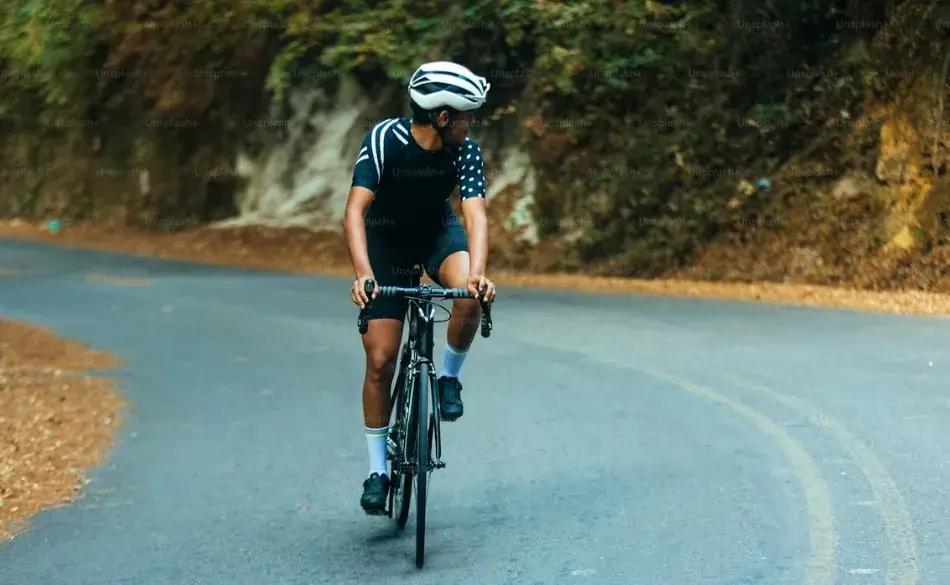
Climbing exposes the core difference between these two bikes. A road bike rewards smooth power at low speeds and quick changes in pitch. A triathlon bike rewards steady power on long, gentle rises.
Here is the simple truth about road bike vs triathlon bike climbing performance. Your body position matters more than one extra gear or a few hundred grams. On a road bike you sit a little farther behind the bottom bracket. That makes standing and rocking the bike feel natural on steep ramps.
On a triathlon bike you sit farther forward with narrow elbows. That helps you hold speed into the wind. It is great on flats and false flats. On a sharp climb, the forward position can load the front wheel and make standing feel awkward.
Weight still plays a role. Many triathlon bikes are a little heavier because of aero tube shapes and integrated parts. The gap is not huge. What you feel most is the handling difference at slow speed.
Gearing can close the gap. If you live near hills, use a compact or sub compact chainring with a wide cassette. Keep your cadence high and stay seated on tri climbs when possible. That keeps your upper body still and saves energy for the run.
On rolling courses the story flips. A triathlon bike lets you keep momentum over crests. You stay in the aero bars, keep pressure on the pedals, and settle right back into speed. That is free time you do not get if you sit up and coast.
So which is faster for your route. If you face short, punchy climbs and tight descents, the road bike will feel lively and safe. If your race is flat to rolling with long straight lines, the triathlon bike will carry speed with less effort.
Ask yourself one question before you choose. Do you spend more time climbing at low speed, or holding steady watts on open roads. Your answer points to the right bike.


Whether you’re racing your Ironman on a road bike or a triathlon bike, your training should make the most of every pedal stroke. Our Ironman Triathlon Training Plans are designed to build endurance, power, and race-day efficiency—so you finish the bike leg strong and run with confidence.
- ✅ Specific bike workouts for both road and triathlon bike setups
- ✅ Detailed pacing and nutrition strategies for long-course racing
- ✅ Progressive build phases with recovery weeks for peak performance
💡 Perfect for Ironman athletes who want to combine the right bike choice with proven, structured training.
View Ironman PlansWhen to Upgrade to a Triathlon Bike from a Road Bike
Many athletes start with a road bike because it is versatile. You can train with friends, join group rides, and race in different formats. But there comes a point where the gains from switching become hard to ignore.
The best time for when to upgrade to a triathlon bike from road bike is when you are racing non drafting events and can stay in the aero position for most of the course. This is especially true for Half Ironman and Ironman distances, where long periods of steady effort dominate.
One athlete I coach, Mark, raced three Half Ironmans on a road bike with clip on bars. He had solid bike splits but often struggled on the run. After moving to a triathlon bike, he found he could ride the same power but arrive at T2 feeling fresher. His run pace improved by over 20 seconds per kilometre.
Cost is another factor. A good triathlon bike with carbon wheels and integrated hydration is a serious investment. If your training volume is high and you are chasing personal bests, it is easier to justify the spend. If you race only a couple of times a year, a well set up road bike may be enough.
Your position also matters. A triathlon bike demands flexibility in the hips and back. If you cannot hold aero comfortably for at least 20 minutes at a time, you may not see the full benefit. That is why many riders use a fit session before making the leap.
Finally, think about your riding environment. If most of your training is on quiet, straight roads, the upgrade will pay off sooner. If you ride in heavy traffic, on rough surfaces, or in tight corners, the handling of a road bike may be the safer choice.
Upgrading is not about owning the latest gear. It is about matching the bike to your race demands, your body, and your goals. When those three line up, the move makes sense.
If you're targeting a sub‑5‑hour finish for your next Half Ironman, check out our Sub‑5‑Hour Half Ironman Training Plan. Specifically crafted for seasoned athletes, this plan pushes your performance across the swim, bike, and run to deliver your fastest splits.
- ✅ Race‑pace, tempo, and threshold sessions tailored to high‑speed Half IRON distances
- ✅ Structured periodization with deliberate load progression and recovery blocks
- ✅ Advanced pacing guidelines, transition strategies, and nutrition planning for top performance
💡 Ideal for experienced triathletes aiming for a breakthrough performance under 5 hours.
View the Plan & Crush It →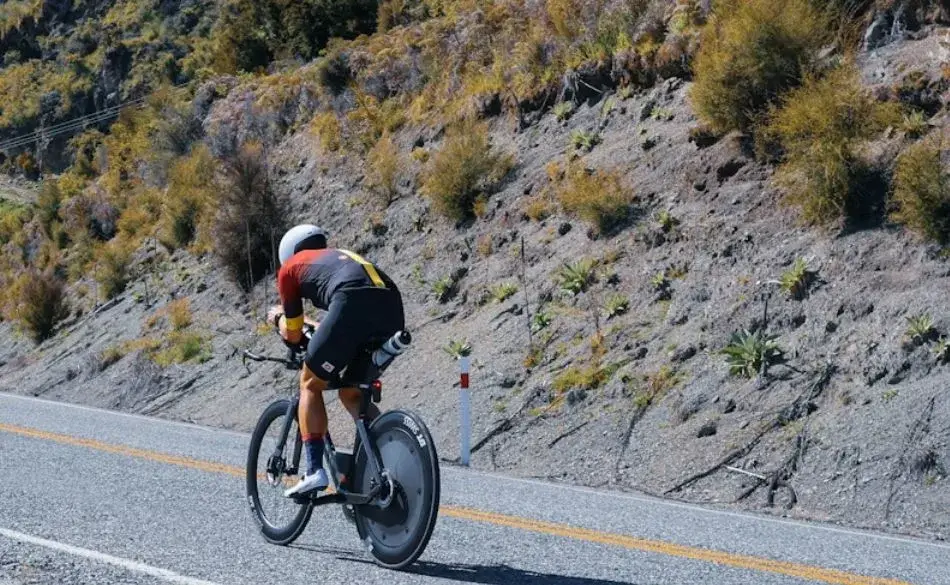
Comfort Over Long Rides – The Real Test
Speed is one thing, but comfort decides how well you ride and run afterward. The comfort comparison road bike vs triathlon bike long rides comes down to position, padding, and how your body handles pressure points over hours in the saddle.
Road bikes put you in a more upright posture. Your weight is spread between the saddle, pedals, and handlebars. This takes pressure off the neck and lower back, and for many athletes, it feels more natural over mixed terrain.
Triathlon bikes place more weight forward, with elbows on the pads and hands on aero extensions. This is efficient into the wind but can strain the shoulders and neck if your fit is off. The saddle nose also carries more of your body weight, which is why many triathletes use split-nose saddles to improve comfort.
If you train for Ironman or Half Ironman races, learning to stay comfortable in aero is part of the job. This includes conditioning your body to the position, not just relying on short practice sessions. The more you adapt, the more you can take advantage of the bike’s aerodynamic shape.
There’s also a mental side. On a long road bike ride, you can move your hands and body more freely. On a triathlon bike, your best aerodynamics come from staying still. That requires focus and tolerance for holding one posture.
To improve comfort on either bike, focus on saddle choice, shorts quality, and small fit adjustments. Even a 5mm change in pad height or saddle tilt can make hours of difference.
In short, a road bike gives you comfort variety, while a triathlon bike rewards those who train for stillness and aero discipline. Match your bike to your patience for posture and your ability to adapt to the demands of the course.
If you're aiming to sharpen your cycling performance in the 70.3, check out our Half Ironman Cycling Plan. Crafted specifically for the bike leg, this plan helps you maintain power and composure through the toughest part of the race.
- ✅ Progressively structured workouts focused on sustaining race-pace power
- ✅ Integration of interval training, pacing drills, and endurance bricks
- ✅ Practical tips on nutrition, gear setup, and race-day pacing strategies
💡 Ideal for triathletes who want to ride stronger and ride smarter on race day.
View the Plan & Ride Stronger →Road Bike vs Triathlon Bike: Side-by-Side Comparison Table
By now, you’ve seen how road and triathlon bikes differ in speed, climbing, and comfort. To help you decide, here’s a quick side-by-side look at the main strengths and considerations for each. Use this as a checkpoint before you commit to upgrades or a new bike.
👉 Swipe to view full table
| Feature | Road Bike | Triathlon Bike |
|---|---|---|
| Speed on Flats | Good, but less aero without clip-ons | Excellent – aerodynamic benefits of triathlon bike frame geometry |
| Climbing | Better road bike vs triathlon bike climbing performance on steep hills | Steady climbs OK, but forward weight can feel awkward |
| Comfort on Long Rides | Upright posture, more movement options | Forward aero position can strain neck/shoulders if unadapted |
| Versatility | Great for group rides, mixed terrain, commuting | Specialised for non-drafting triathlon racing |
| Cost (2025) | $3,000–$3,800 AUD | $4,500–$5,200 AUD |
While the table highlights clear differences, remember that fit and training matter more than the bike itself. A well-fitted road bike with the right upgrades can outperform a poorly set-up triathlon bike and vice versa.


Adding Aero to a Road Bike – Is It Worth It?
If you are not ready to invest in a triathlon bike, there are ways to make your road bike more aero. One of the most common upgrades is using clip-on aerobars on road bike for time-trials. These bars let you lower your front end, tuck your elbows, and reduce your frontal profile against the wind.
Clip-on aerobars are affordable and easy to install. They work best on flat or rolling terrain where you can stay in position for long stretches. They can add 1–2 km/h to your average speed without changing anything else on the bike.
But there are trade-offs. Adding aerobars changes your weight distribution. On technical descents or tight corners, handling can feel less stable. You will also need to adjust your fit slightly to avoid putting too much strain on your neck and shoulders.
Other aero upgrades include deep-section wheels, aero helmets, and skin suits. Each gives small gains, but they stack up over a long course. For example, swapping to a set of 50mm wheels can save 30–45 seconds over 40 km. Combine that with aerobars and a good position, and you could cut minutes from your time.
Still, these upgrades only go so far. You will not get the full aerodynamic advantage of a dedicated triathlon bike. The frame geometry, integrated hydration, and steeper seat tube angle all play roles you cannot fully match on a road bike.
If you race a mix of events and value climbing agility and group ride comfort, aero add-ons make sense. If you focus mainly on non-drafting triathlons and want every possible gain, the long-term move is a triathlon bike.
Think of aero upgrades as a stepping stone. They let you experiment with the position, get used to holding it, and decide if a full triathlon bike fits your goals before making the investment.
How Seat Tube Angle Affects Your Run
One of the least talked about factors in bike choice is how it affects your legs for the run. The how seat tube angle affects running after cycling is a critical point, especially in long-course triathlon.
On a road bike, the seat tube angle is typically around 73 degrees. This puts your hips slightly behind the bottom bracket. It is great for balanced muscle use on climbs and sprints, but it works the hamstrings and glutes more. That can leave your legs feeling heavy when you start running.
On a triathlon bike, the seat tube angle is steeper—around 76 to 78 degrees. This moves your hips forward and shifts more of the workload to your quads. The change reduces strain on your hamstrings, which can make the transition to running smoother.
I have seen this difference play out many times with athletes I coach. Riders who train on steep-angled triathlon bikes often describe their first kilometer off the bike as “easier to find rhythm” compared to those on road bikes. Their cadence settles faster, and they avoid the awkward shuffle many feel in the first minutes of the run.
This advantage is most noticeable in non-drafting triathlons where you can stay in the aero position for long blocks. The consistent forward hip position keeps your running muscles fresher.
However, the steeper angle can feel strange at first. Your body needs time to adapt to the posture. If you switch to a triathlon bike close to race day, you might not see the full benefit. That is why I recommend making the change early in the training cycle and practicing frequent bike-to-run sessions.
In short, the seat tube angle is not just a frame number. It is a link between your bike leg and your run leg. Choosing the right one can be the difference between running strong off the bike and battling heavy, unresponsive legs.
Whether you're chasing your first 70.3 or targeting a breakthrough pace, explore our Half Ironman Triathlon Training Plans. These full-distance plans offer expert-designed structure and clarity to guide your swim–bike–run journey.
- ✅ Phased swim, bike, and run training for balanced progression
- ✅ Flexible plans for first-timers, time-goal chasers, and seasoned athletes
- ✅ Built-in taper, pacing guidance, race-day prep, and nutrition strategies
💡 Perfect for triathletes seeking a structured, race-ready roadmap for their 70.3 goals.
Explore Plans & Start Your 70.3 Journey →

Integrated Hydration and Storage – Small Gains That Add Up
Modern triathlon bikes are designed with every detail in mind, including how you carry your fluids and tools. The integrated hydration on triathlon bike vs road bike bottle cages comparison is a clear example of how small design choices can save time and energy over long races.
Triathlon bikes often feature built-in hydration systems between the aero bars, inside the frame, or even behind the seat post. These setups keep bottles within easy reach while maintaining your aerodynamic position. You can drink without sitting up, which helps you stay in rhythm and avoid losing speed.
Road bikes rely on traditional bottle cages mounted on the frame. They are simple, lightweight, and easy to replace, but reaching for them requires you to come out of the drops or hoods. Over the course of a race, those small movements add drag and cost seconds that can add up to minutes.
Integrated storage for tools and nutrition is another win for triathlon bikes. Compartments built into the frame or seat post reduce clutter and keep everything tight to the bike’s profile. On a road bike, you usually carry spares in a saddle bag or jersey pocket, which is fine for training but less optimal for pure aerodynamics.
For long-course triathlons, these integrated systems also reduce mental load. You do not have to think about where your bottle is or how to grab it—you just reach forward and sip. It keeps you focused on pacing and form, not fumbling for gear.
That said, integrated setups can be harder to clean and more expensive to replace. If you race a mix of formats or ride in groups often, the simplicity of road bike bottle cages might be the better fit.
In the end, hydration and storage are more than convenience features—they influence your aerodynamics, your focus, and even your race-day confidence.
If you're preparing for your first 70.3 and still deciding between a road bike and a triathlon bike, structured training will help you get the most from whichever you choose. Our Beginner Half Ironman Training Plan is built to help you ride stronger, handle your bike with confidence, and run well off the bike.
- ✅ 20-week plan with a gradual, realistic build-up to race day
- ✅ Bike sessions tailored for both road and triathlon bike setups
- ✅ Includes pacing guidance, recovery weeks, and tapering strategies
💡 Perfect for first-time 70.3 athletes who want structure, support, and confidence—no matter what bike they ride.
View Beginner PlanBudgeting for Speed – What to Expect in 2025
Cost is often the deciding factor when choosing between these bikes. The triathlon bike vs road bike price range 2025 varies widely depending on materials, components, and features.
In 2025, a good entry-level carbon road bike can start around $3,000–$3,800 AUD. These bikes often come with mid-tier components, reliable wheels, and a frame that balances comfort with efficiency. They are more than enough for most amateur races and group rides.
Triathlon bikes generally start higher. Expect to pay $4,500–$5,200 AUD for a solid entry-level model. The added cost comes from aero tube shapes, integrated cockpits, and tri-specific fit adjustments. High-end triathlon bikes can easily exceed $15,000 AUD when equipped with deep-section wheels, electronic shifting, and custom-fit integration.
It’s not just the frame price to consider. Triathlon bike accessories, such as split-nose saddles, aero helmets, and integrated hydration systems, can add hundreds to your total spend. Maintenance can also be more expensive because of proprietary parts.
If your goal is to race triathlons seriously, the investment can make sense. The combination of aerodynamic efficiency and tri-specific geometry can deliver measurable time savings over long courses. For athletes who race only a few events per year or ride socially most of the time, a well-equipped road bike may offer better value.
One strategy I often recommend to coached athletes is to invest gradually. Start with a good road bike and add performance upgrades (like aero wheels, clip-on bars, or an aero helmet) before committing to a full triathlon bike. This way, you can test what gives you the most benefit without overspending upfront.
Budget is not just about what you can afford now. It is about balancing the cost with the actual performance gains you will use in your training and races.
Before you spend, lock in your target race distance and course type. Use our primer Ironman Distances Explained to match the bike and budget to your calendar.
Steeper Seat Tube Angle – The Hidden Aero Advantage
The steeper seat tube angle triathlon bike aero advantage is one of the most overlooked factors when riders compare bikes. While aerodynamics is often discussed in terms of frame shapes and wheel depth, your body position plays an even bigger role in reducing drag.
A steeper seat tube angle, common on triathlon bikes, shifts your hips forward over the pedals. This allows your torso to rotate downward without closing off your hip angle. The result is a flatter back, narrower front profile, and less wind resistance. All while maintaining power output.
On a road bike, the shallower seat tube angle keeps you farther behind the bottom bracket. This position is great for handling and comfort on varied terrain, but it limits how low and narrow you can get while still producing power efficiently.
For triathletes, the aero benefit of this forward position is twofold: you’re faster into the wind, and you preserve your hamstrings for the run. This is especially important in non-drafting races where every second counts, and you can hold the aero position for extended periods.
However, the steeper position is not without drawbacks. It can feel unnatural at first, especially for riders with tight hip flexors or limited core stability. That’s why a proper bike fit is essential when switching to a triathlon bike. Small adjustments to saddle height, fore-aft position, and pad reach can make a huge difference in comfort and sustainability.
If you’ve ever ridden a triathlon bike on a long, flat section and felt like you were “cutting through the air,” you’ve experienced the hidden gain of a steeper seat tube. It’s one of those details you don’t notice in a shop, but on race day, it can be the difference between holding speed effortlessly and fighting the wind every kilometre.
Whether you choose a road bike or a triathlon bike, smart training is what makes the difference on race day. Our Beginner Ironman Training Plan will guide you through every stage, helping you ride efficiently, conserve energy, and run strong off the bike.
- ⏱ 30-week progression to build endurance, strength, and bike handling skills
- 🚴 Structured sessions for both road and triathlon bike setups
- 🏃 Brick workouts to improve your run performance after cycling
💡 Perfect for first-time Ironman athletes who want a clear, proven path to the finish line.
View Beginner Ironman PlanClimbing vs Flat Speed – Which Terrain Plays to Your Strengths?
Your race course will often decide which bike comes out on top. On rolling or flat terrain, a triathlon bike’s aero efficiency dominates. On steep climbs, a road bike’s agility and lighter feel can make a big difference.
The road bike vs triathlon bike climbing performance gap comes down to position and handling. A road bike’s geometry keeps you stable at low speeds, making it easier to stand, sway the bike, and maintain balance on sharp gradients. Triathlon bikes, with their forward-weighted position, can feel less nimble when climbing out of the saddle.
But once you crest a hill and hit the flats, the story changes. A triathlon bike lets you stay in the aero position and carry speed without sitting up. This can save significant energy over a long race, especially in non-drafting formats.
In my experience coaching athletes, the choice often depends on where they train most. Riders in hilly regions often prefer the control of a road bike, even if it means losing a little time on flat sections. Athletes who train on coastal or inland flats usually benefit more from the sustained aero position of a triathlon bike.
Weight differences are smaller than most think – often less than a kilogram between equivalent models. What you feel most is the stability at slower speeds and how easily you can change body position.
If your “home course” has constant elevation changes and technical descents, the road bike might give you the confidence to ride harder. If you see long, uninterrupted stretches of flat road in your races, the triathlon bike will give you more return on every pedal stroke.
Ultimately, it’s not just about the bike. It’s about how the bike works with your fitness, handling skills, and the terrain you face most often.
Train where you live. If your routes are hilly, build power and control for rolling terrain using our guide on
Cycling Intervals For Hill Climbing.


Conclusion – Choosing the Bike That Works for You
After comparing geometry, comfort, aerodynamics, and cost, the choice between a road bike and a triathlon bike comes down to your racing goals, the terrain you ride, and how much time you spend in specific positions.
If you race mainly flat, non-drafting triathlons and can hold the aero position for long periods, the triathlon bike’s geometry, integrated hydration, and aerodynamic benefits of triathlon bike frame geometry will give you an edge. It’s a machine built for sustained speed and efficiency into the wind.
If your races or training routes are filled with short climbs, technical descents, or group rides, the versatility and agility of a road bike might serve you better. You’ll have more freedom to move, climb comfortably, and adapt to different riding situations.
For many athletes I coach, the journey starts with a road bike. With smart upgrades (like using clip-on aerobars on road bike for time-trials) they bridge the gap before committing to a triathlon bike. This approach gives you time to build the flexibility and stability needed to get the most from the forward aero position.
There’s no single “right” choice here. Your bike should match your racing style, your body, and your budget. The right fit will feel natural, let you ride efficiently, and set you up for a strong run off the bike.
Whether you lean toward the adaptability of a road bike or the focused speed of a triathlon bike, the real win is finding the setup that helps you enjoy the ride, race with confidence, and keep improving season after season.