





Find Your Next Running Race
Ready to put your training to the test? Here are some upcoming running events matched to this article.
 Coach Graeme
Last updated:
Not sure where to start with training?
Tell us your goal and schedule, and we’ll give you clear direction.
No obligation. Quick, practical advice.
Explore our running training content for more helpful articles and resources.
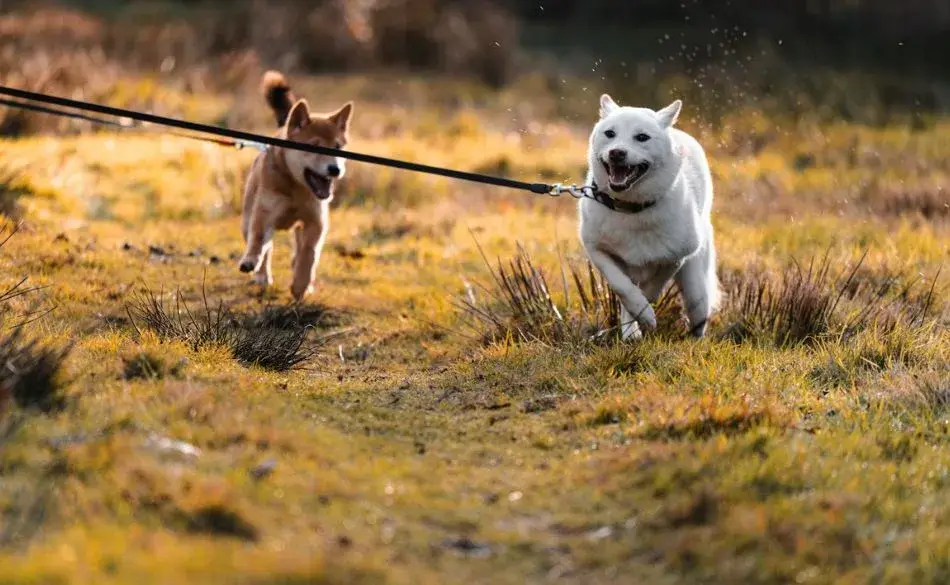
For runners, training is often about structure. Long runs on Sundays, intervals mid-week, maybe a tempo session tucked in between. But what if your running partner isn’t another athlete, but your dog? Many athletes I coach ask whether running with a dog lead for training helps or hinders their progress. The truth is, it can do both, depending on how you use it.
Here’s the thing: running with a dog can be an excellent addition on recovery days. The steady rhythm of an easy jog, combined with your dog’s excitement, makes slowing down feel natural. For competitive runners, it’s a reminder that not every mile needs to be about pace. Instead, it becomes about connection, rhythm, and movement.
I had one athlete, Sarah, who struggled to stick to her easy-day pace. She’d always drift into threshold effort, even when instructed not to. When she started including short dog-friendly runs using a hands-free dog lead for runners, her pacing naturally slowed. Her Labrador forced her to relax, and it improved her recovery between harder sessions. Within two months, she felt fresher for intervals and races.
That’s not to say every run should involve your pup. Structured sessions like running intervals with a dog are tough unless your dog is specifically trained for it (and even then, consistency is tricky). But if you balance dog runs with your training plan, they can be an enjoyable way to cover miles without the mental pressure of hitting splits.
So, the question to ask yourself isn’t “Should I run with my dog?” It’s “When does it fit into my training best?”
Balancing focused speed sessions with dog-friendly recovery runs is a smart way to prepare for your next 5k. Our 5KM Running Training Plan combines structured workouts for fitness gains with flexibility—so you can still enjoy easy miles alongside your four-legged running partner.
Train smarter, stay consistent, and enjoy the journey—whether it’s with your dog or on your own.
Grab Your 5 km Plan →When you’re serious about training, the last thing you want is a leash that trips you up, pulls at your arm, or makes pacing difficult. That’s why picking the right gear matters just as much as picking the right shoes. A hands-free dog lead for runners is usually the best choice. Instead of holding a standard leash, you wear a waist belt that keeps your hands and stride free.
The big advantage here is rhythm. You’re not constantly switching the leash from hand to hand or shortening your stride. With a canicross running lead for dogs, the elastic material absorbs sudden pulls, so your body doesn’t take the shock. It feels more like a smooth connection than a tug-of-war.
Here are a few things to look for when choosing your lead:
I had an athlete named Luke who often ran with his Border Collie during marathon build-ups. At first, he used a standard walking leash, and his dog pulled him off balance constantly. Once he switched to a dog running harness for runners with a bungee lead, everything changed. His cadence felt smoother, his dog ran more predictably, and his easy runs finally felt like recovery instead of a wrestling match.
When you’re training for something big, like a marathon or half marathon, every detail matters. Don’t think of the leash as an accessory, it’s part of your training equipment, just like your shoes, watch, and hydration pack.
Every runner has a weekly structure, long runs, intervals, recovery days. The question is, where does your dog fit into that schedule? Adding dog runs at the right time can support training. Adding them at the wrong time can disrupt it.
The best use of running with your dog for recovery days is to slow you down. Many runners find it hard to keep easy days truly easy. But your dog sets a natural rhythm that makes staying relaxed much easier. It’s one of the simplest ways to prevent burnout and boost recovery.
Easy aerobic runs are another great match. On quiet trails or soft paths, your dog can run freely at your side. It keeps your effort low, builds endurance, and keeps training fun. Think of these runs as both fitness and bonding.
Where things get tricky is with harder workouts. Running intervals with a dog usually doesn’t work. Your dog’s pace shifts, distractions appear, and consistency is lost. The same goes for tempo runs. When accuracy matters, leave your pup at home.
Long runs can be a middle ground. Some athletes I coach will start with their dog for the first few miles. They use a long run with a dog on a leash to warm up, then drop the dog at home before finishing the rest solo. It’s a smart way to mix training needs with quality time.
What about your training plan as a whole? Aim for one or two dog-friendly runs per week. Place them after your hardest sessions, so they help you recover instead of interfering with key workouts. This keeps both your performance and your dog’s well-being in balance.
See our road vs trail running guide to choose surfaces that match your goals and reduce impact.
A good lead is only part of the picture. If you want dog runs to support your training, the right gear makes all the difference. Just like running shoes protect your stride, proper equipment protects both you and your dog.
The first upgrade most runners need is a harness. A dog running harness for runners spreads pressure across the chest instead of the neck. That keeps your dog comfortable and reduces pulling. For you, it means fewer sudden jerks that can ruin your rhythm.
Hydration is another key detail. Dogs overheat faster than humans, especially on warm days. Carry water not just for yourself but for your dog too. Portable bowls or squeeze bottles designed for dogs are lightweight and easy to stash in a vest.
Safety gear matters as well. Reflective collars and vests keep both of you visible on early mornings or late evenings. If you often run trails, booties can protect paws from rocks or sharp debris. Think of it as your dog’s version of trail shoes.
Here’s a simple checklist to cover your bases:
Not sure which drink setup suits your distance? Read our guide on how runners carry water to pick between handhelds, belts, and vests. These water bottles for joggers balance comfort and access so you stay hydrated without breaking stride.
One of my athletes, Mark, trains for half marathons and takes his dog along for recovery runs. After a few overheated summer outings, he invested in a hydration vest with space for both his and his dog’s water. Not only did his runs feel safer, but his dog recovered faster and was eager to go again the next time.
When you treat gear as part of your training setup, you protect your dog, protect yourself, and make each run smoother. Small details add up to long-term consistency.
Balancing structured workouts with dog-friendly recovery runs doesn’t have to be tricky. Our Personalized Running Coaching builds a training schedule that adapts to your fitness goals—while still leaving space for those miles you love sharing with your dog.
Stay on track with your race goals—and still enjoy the recovery miles you share with your dog.
Explore Coaching →Just like you wouldn’t jump into marathon training without preparation, your dog needs time to adapt to running. A well-trained dog makes every run safer and more enjoyable. The good news is that with patience, most dogs learn quickly.
Start slow. Begin with short jogs mixed with walking. Keep the first sessions under ten minutes and focus on rhythm. This helps your dog understand that running on a lead is different from a casual walk. Use a training plan that includes dog runs as a framework. Gradually increasing distance and consistency just like you would for yourself.
Consistency is key. Pick a cue word like “run” or “let’s go” so your dog knows when training starts. Reward calm behavior and ignore pulling. Dogs learn faster when they associate running with positive reinforcement rather than correction alone.
Here are some basic steps to follow:
Over time, your dog builds fitness just like you do. Within a few weeks, most dogs can handle a few kilometers at an easy pace. After a few months, many can join you for steady mid-distance runs.
Training your dog also protects your own workouts. Instead of breaking stride to correct pulling, you stay focused on form and effort. Think of it like teaching a running partner good etiquette, it keeps the partnership strong for years.
When you invest in teaching your dog to run well, every lead feels lighter, every mile feels smoother, and training becomes something you look forward to sharing.
Every runner wonders if adding dog runs will help or hurt their training. The answer depends on your goals, your dog, and how you approach it. Let’s break down the main advantages and disadvantages of running with a dog lead.
The biggest pro is motivation. Dogs don’t care about weather, mood, or pace – they just want to run. That enthusiasm gets you out the door, even when you don’t feel like it. Another benefit is recovery. On days when you need to slow down, your dog naturally helps keep the effort easy.
There’s also mental health. Running side by side with your dog reduces stress, creates routine, and adds joy to miles that might otherwise feel like a grind. For many runners, those dog-led miles become the most memorable part of the week.
But there are cons. Structured sessions like intervals or tempos rarely pair well with dogs. You need consistency, and your dog may stop suddenly or chase distractions. There’s also the risk of injury—both for you if you trip, and for your dog if mileage is too high or surfaces are too rough.
Here’s a clear look at both sides:
One athlete I coach, Emma, uses dog runs two times per week. She loves the mental reset they bring, but she avoids them during peak sessions before races. By being selective, she gains all the positives without letting the negatives interfere with her performance goals.
The takeaway is balance. Dog runs can be powerful tools if used wisely. Understand their limits, place them carefully in your plan, and they’ll make your training journey both healthier and happier.
This is one of the most common questions I get from athletes who mix training with dog runs. The answer isn’t one-size-fits-all. How far you can safely run with your dog depends on age, breed, fitness level, and experience. Just like humans, dogs adapt to training gradually, not overnight.
For young dogs, patience is key. Puppies should avoid structured running until their growth plates close (often around 12 to 18 months depending on breed). Before that, stick to short, playful jogs or walks. Senior dogs are the opposite; they can still run, but shorter distances with longer recovery are best.
Breed makes a big difference. Long-legged breeds like Vizslas, Weimaraners, and Border Collies often thrive on distance. They can handle 10–15 km once conditioned. Short-nosed breeds like Bulldogs or Pugs, however, struggle with breathing and heat, making even a few kilometers risky. Middle-ground breeds, like Labradors or Retrievers, usually do well with moderate mileage in the 5–8 km range.
Here’s a general guideline for conditioned, healthy adult dogs:
Fitness and training matter too. Just as you wouldn’t jump from 5 km to 20 km in a week, your dog shouldn’t either. Gradually build mileage, watch for signs of fatigue, and increase rest days when needed. Keep dog runs in the easy or recovery zone so both you and your pup stay safe.
The most important tip is to listen. Heavy panting, slowing pace, or reluctance to continue are all clear signs your dog has had enough. End on a positive note, even if that means cutting the run short. With patience and consistency, you’ll both find the sweet spot where training and companionship meet.
Mixing structured workouts with easy recovery runs with your dog can be a smart way to stay consistent and motivated. Our Half-Marathon Training Plan blends speed work, endurance sessions, and flexibility—so you can chase your half marathon goal while still enjoying miles alongside your four-legged training partner.
Stay on track, enjoy the journey, and make every mile—solo or with your dog—count toward your half marathon finish line.
Get Your Half-Marathon Plan →Running with your dog should feel rewarding, not stressful. Safety and enjoyment come first—both for you and your pup. Small adjustments make a big difference in how smooth your miles feel.
Pacing is the first rule. Keep dog runs at an easy effort. Think of them as supportive sessions that complement harder workouts. If you’re tempted to push, save it for a solo run. Let your dog set a relaxed rhythm that keeps your recovery honest.
Surface choice matters too. Pavement is fine in moderation, but softer ground like trails or grass is kinder on joints and paws. Always check the ground temperature with your hand. If it’s too hot to touch, it’s too hot for your dog.
Hydration is critical. Dogs can’t sweat like humans. Carry water and plan mid-run stops. Offer small amounts often instead of one big drink. Watch for signs of overheating – heavy panting, slowing down, or drooling.
Here are some insider tips I share with runners I coach:
These tips aren’t just for beginners. Even experienced runners sometimes forget that dogs have different needs and limits. By planning ahead, you reduce risks and make every run more enjoyable.
When runs feel smooth, safe, and fun, they add energy to your training instead of draining it. That’s when running with your dog shifts from a challenge to one of the highlights of your week.
Use this simple cool-down routine to recover faster and keep your next run feeling smooth.
Running with dogs has grown beyond casual neighborhood jogs. In recent years, entire communities and events have developed around the practice. These trends show how popular (and practical) dog-led running has become for athletes at all levels.
The biggest movement is canicross. Originating in Europe, it’s now spreading globally. Using a canicross running lead for dogs, runners attach their dog to a waist belt with a bungee cord. The dog pulls lightly while the runner maintains form. It feels like teamwork, and many runners say it helps them push faster while still bonding with their pet.
Another trend is group dog runs. Cities and clubs now organize events where dozens of runners and their dogs hit the trails together. These runs aren’t just fun—they also build social connections and expose dogs to controlled group environments. For many recreational runners, this blends fitness with community.
Tech has entered the space too. GPS collars track your dog’s pace, distance, and even recovery needs. Some hydration packs now include space for collapsible bowls or dog-specific bottles. Reflective gear with LED strips is becoming common, improving safety on dark roads.
Brands are catching on. Shoe companies and gear makers now design products aimed specifically at runners with dogs. From lightweight harnesses to breathable paw protectors, the market is adapting quickly. It mirrors what happened years ago with trail running. Once niche, now mainstream.
For competitive athletes, some races even allow dog categories. Smaller trail races often include a “canicross heat,” letting owners and dogs race together. While not for everyone, it highlights just how integrated dog-led running has become in endurance culture.
These trends aren’t about replacing traditional training. They’re about expanding it. Whether it’s structured canicross sessions or casual weekend meetups, the running world is finding more ways than ever to welcome dogs into the sport.
If your dog enjoys trails, adding short hills can be a great way to build strength together. Hills naturally slow the pace, which keeps intensity under control while improving endurance and power. Just remember to keep the distance short at first and allow your dog plenty of recovery on the way down. Try these hill running workouts to build strength safely on trails or parks.
Balancing structured workouts with relaxed runs alongside your dog doesn’t have to be complicated. Our Marathon Training Plan is built to guide you through long runs, intervals, and tempo sessions—while still leaving room for dog-friendly recovery runs that make training enjoyable.
Stay consistent, train smart, and enjoy the journey—with or without your four-legged partner.
Get Your Marathon Plan →Every runner wants clarity: when should you take your dog along, and when should you run alone? The answer depends on the type of workout and your goals. Dog-led runs add joy and variety, but structured sessions often demand full focus. A simple comparison helps highlight where each fits best.
👉 Swipe to view full table
| Training Session | Dog-Friendly? | Why |
|---|---|---|
| Recovery Run | Yes | Perfect pace control; your dog helps you stay relaxed. |
| Easy Aerobic Run | Yes | Great bonding time; keeps effort light while building endurance. |
| Intervals / Speed Work | No | Requires strict pacing and focus; distractions reduce workout quality. |
| Tempo Run | No | Hard to hold steady pace with a dog’s natural pace changes. |
| Long Run | Sometimes | Good for shorter early miles, but drop the dog home before going long. |
Think of dog runs as the “easy miles” in your program. They’re supportive, fun, and mentally refreshing. Structured runs (like intervals and tempos) are where you sharpen speed, form, and stamina. Balance both, and your training becomes stronger and more sustainable.
Running with your dog lead isn’t just about exercise, it’s about balance. As a runner, you have training goals. As a dog owner, you also have a loyal companion who thrives on movement and connection. When you combine the two with care, you create something that supports both fitness and friendship.
The key is intention. Use dog-friendly runs to make recovery days more enjoyable, to build steady endurance, or simply to keep running fun. Save your structured workouts (intervals, tempos, or long key sessions) for solo runs where you can focus fully on pace and form. This way, you get the best of both worlds without compromise.
I’ve seen athletes unlock consistency by weaving dog runs into their week. The joy of a wagging tail can be the nudge that gets you out the door on days when motivation feels low. At the same time, your dog benefits from regular activity, better behavior, and quality bonding time with you. Everyone wins.
So, ask yourself: where can a dog run fit into your plan this week? Maybe it’s tomorrow’s recovery jog, or a Saturday trail loop before your long run. The beauty lies in flexibility and your training stays on track, and your dog becomes part of the journey.
At the end of the day, running with your dog isn’t about numbers or data. It’s about shared experiences. The sound of paws beside your stride, the pull of the lead as you pick up rhythm, the shared breath as you finish together. These are the miles that stick with you long after the workout is over.
Ready to put your training to the test? Here are some upcoming running events matched to this article.



Head Coach & Founder, SportCoaching
Graeme is the founder of SportCoaching and has coached more than 750 athletes from 20 countries, from beginners to Olympians, in cycling, running, triathlon, mountain biking, boxing, and skiing. His coaching philosophy and methods form the foundation of SportCoaching's training programs and resources.
No matter your goals, SportCoaching offers tailored training plans to suit your needs. Whether you’re preparing for a race, tackling long distances, or simply improving your fitness, our expert coaches provide structured guidance to help you reach your full potential.
Smart, progressive training from 5km to marathon with weekly guidance.
What’s included
Browse upcoming Australian running, cycling, and triathlon events in one place. Filter by sport, check dates quickly, and plan your training around something real on the calendar.
Choose your plan to get started with personalized training plans designed to help you reach your goals.


Minna Backman
When you’re new, feedback is especially important, and Graeme is highly skilled at both analyzing numbers and understanding the importance of mental strength.











