What Exactly Are Salt Tablets and Why Runners Use Them
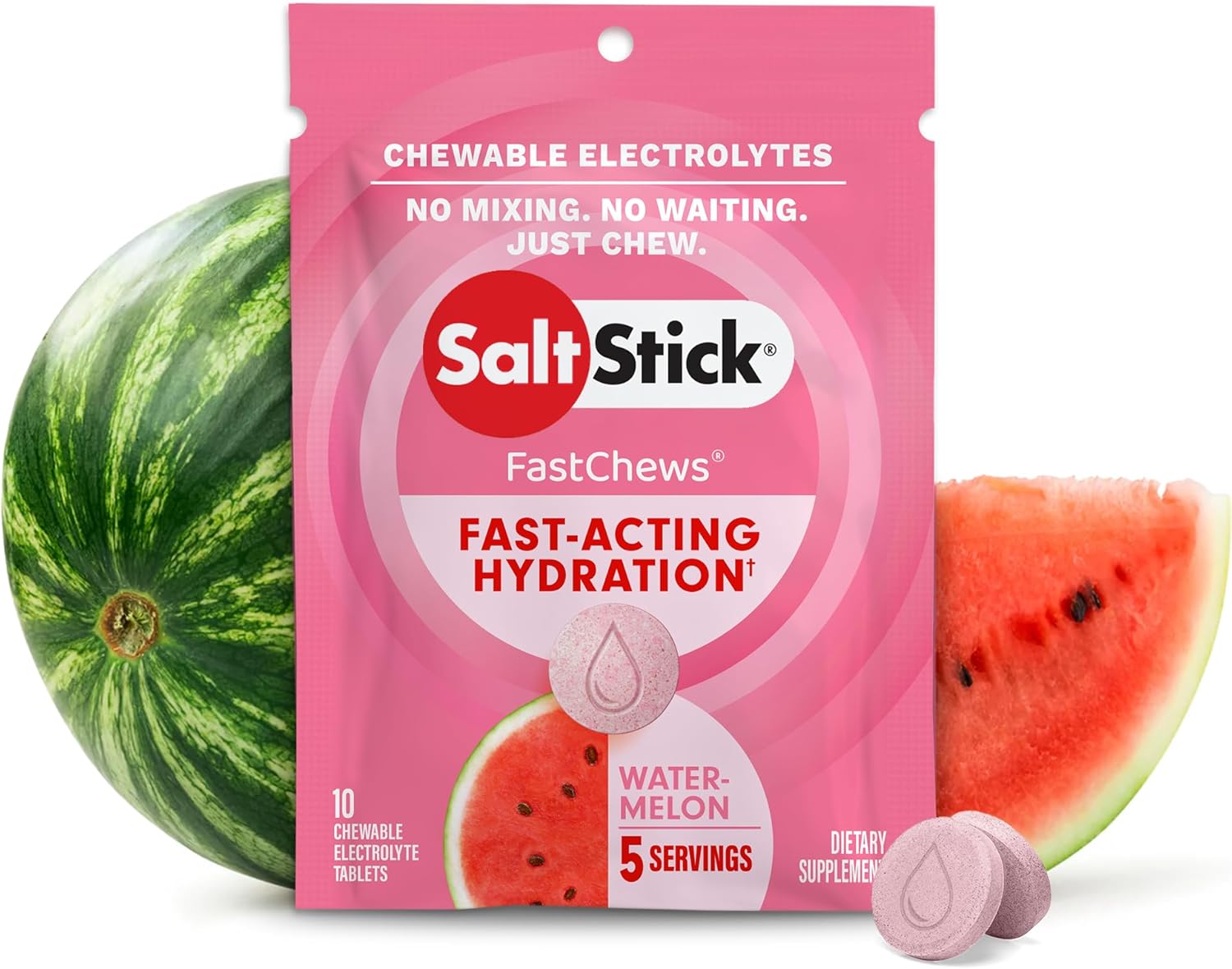
If you’ve ever finished a long run with white streaks on your face or shirt, you’ve seen what salt loss really looks like. Every bead of sweat carries sodium out of your body, and when that balance tips too far, performance starts to drop. That’s why many endurance athletes turn to salt tablets, small capsules filled with sodium chloride that help restore what’s lost through heavy sweating.
Sodium is more than just table salt. It’s a vital electrolyte that regulates fluid levels, muscle contractions, and nerve function. Without enough sodium, you can start to feel light-headed, sluggish, or cramp-prone. That’s why electrolyte replacement for long distance running is crucial when workouts stretch beyond 90 minutes or happen in humid conditions.
A common misconception is that salt tablets are only for ultramarathons. In reality, runners with higher sweat rates or those training through summer heat may also benefit. Still, they aren’t a cure-all. For many athletes, sports drinks or everyday foods like pretzels or electrolyte chews provide enough sodium to maintain balance.
Here’s what to keep in mind:
- Short runs under 60 minutes: water and a balanced diet are usually enough.
- Runs 60–90 minutes in mild weather: consider light sodium supplementation if you’re a heavy sweater.
- Hot or humid long runs: salt tablets can support hydration and help prevent muscle fatigue.
When used properly, running hydration strategies that include sodium can help you feel steadier late in a race. But if you overdo it, you risk bloating, stomach discomfort, or even higher blood pressure over time.
Proper hydration and sodium balance are key to strong running. Our 10K Running Training Plan guides you on how to pace, fuel, and hydrate effectively, including practical strategies for using salt tablets for runners on longer sessions.
You’ll learn how to balance fluids and electrolytes, so your body stays steady, cramps are minimized, and performance improves during hot or challenging runs.
The plan is structured through TrainingPeaks, adapting to your fitness level while teaching safe, practical hydration strategies you can apply immediately.
Build endurance and confidence while learning how to fuel your body properly.
Get the Plan and Master Hydration →As an Amazon Associate, SportCoaching earns from qualifying purchases.

When Should You Actually Take Salt Tablets During a Run
Here’s the thing about salt tablets. They help most when sweat loss and time on feet both get high. If your sessions are short or cool, you probably don’t need them. But once your runs stretch past 90 minutes, a smart running hydration strategy with sodium starts to matter.
Ask yourself a few quick checks. Are you training in heat or humidity? Do you finish with white salt marks on your hat or singlet? Do you feel “foggy” late in the run even when you’ve fueled? Those are classic signs that sweat rate and sodium loss might be driving your fade.
Timing matters. Don’t wait until you feel crampy or dizzy. Small, steady doses work better than a big hit all at once. Many athletes tolerate electrolyte capsules for runners with water every 30–45 minutes in hot conditions, though this is a practical guideline rather than a strict rule. Always adjust based on your environment and personal tolerance.
It’s also worth noting that muscle cramps are not always caused by sodium loss; fatigue and neuromuscular factors often play a larger role. Sodium may help reduce risk for some, but it’s not a guaranteed fix.
How much sodium should you actually use? It depends on how much you sweat and how salty that sweat is. Some runners lose 400–600 mg sodium per liter. Others lose over 1000 mg. If you’re the second type, sodium supplementation during endurance exercise can be a game-changer.
Here’s a simple way to think about it. Use more sodium when the weather is hot, the route is exposed, or the pace is steady to hard. Use less when it’s cool or when you’re jogging easy. Match fluids to thirst, not to a fixed bottle schedule.
Try this decision guide during training, not race day:
- Under 60 minutes, mild weather: water is fine for most runners.
- 60–90 minutes, warm day: consider a light sodium top-up.
- 90+ minutes, hot or humid: plan regular sodium plus fluids.
- Heavy “salty sweater”: start earlier and dose more consistently.
Test your plan on long runs before race day. Track how you feel, how much you drink, and any GI feedback. Over a few sessions, you’ll dial in how much sodium runners lose in your conditions and find the smallest effective dose that keeps you steady.
How Much Sodium Do Runners Really Lose
When you run, you don’t just burn calories, you lose fluids and minerals through sweat. Sodium is the big one, and your body needs it to regulate blood volume, nerve impulses, and muscle contractions. The tricky part is that everyone’s sweat is different. Some runners lose just a little sodium, while others shed a lot.
On average, the sweat sodium concentration for most runners ranges from 400 to 1000 mg per liter of sweat. But studies show this can spike as high as 1700 mg for “salty sweaters.” Temperature, humidity, clothing, and training intensity all play a part. That’s why electrolyte replacement for endurance exercise should never follow a one-size-fits-all formula.
Here’s what the science says about sodium loss in running:
👉 Swipe to view full table
| Sweat Rate | Sodium Loss (mg/L) | Risk of Imbalance | Recommended Approach |
|---|---|---|---|
| Low (≤ 0.8 L/hr) | 400–600 | Low risk if hydrated | Normal water + light sodium intake |
| Moderate (0.8–1.2 L/hr) | 600–900 | Moderate in heat | Add sodium drink or light salt tablet every 60–90 min |
| High (≥ 1.2 L/hr) | 900–1700 | High in long races | Regular salt tablets for runners or sodium-rich sports drink |
| Very high (> 1.5 L/hr) | > 1500 | Severe depletion risk | Personalized sodium supplementation plan with fluids |
You can estimate your sweat rate by weighing yourself before and after a long run. Every kilogram lost roughly equals one liter of sweat. If you notice heavy salt marks on your clothing, you likely fall into the higher sodium-loss category.
One athlete I coach discovered he was losing more than 1200 mg of sodium per hour during marathon prep in summer. Once we adjusted his electrolyte replacement strategy, his pace steadied and his recovery improved dramatically.
Testing during training (rather than on race day) is the key. It helps you learn your personal balance between fluids and sodium before it costs you energy or cramps late in a race.
To make sure your endurance stays strong, it’s also important to fuel appropriately. Check out our guide on how far you should run before you need to eat for tips on timing your nutrition during longer sessions.
The Pros and Cons of Salt Tablets for Runners
Here’s the honest truth, salt tablets for runners aren’t magic pills, but they can make a real difference in the right context. Understanding both the benefits and downsides helps you make smarter race day decisions. Like anything in endurance training, balance and timing matter far more than trends or hype.
Let’s start with the positives.
Pros of salt tablets:
- Support endurance in heat: When sweat rates climb, sodium replacement helps maintain blood volume, preventing early fatigue and dizziness.
- Reduce hyponatremia risk: Taking sodium with water reduces the chance of over diluting your blood, a condition sometimes seen in long events when runners drink too much plain water.
- Stabilize hydration balance: Sodium improves water absorption in your gut, keeping your body hydrated longer during long distance running.
- Help “salty sweaters”: If you finish long runs with heavy salt stains or muscle twitches, targeted sodium can help you feel steadier.
Now, the flip side.
Cons of salt tablets:
- Not always necessary: For most runs under 60–75 minutes, your body doesn’t lose enough sodium to justify supplementing.
- Potential stomach upset: High sodium doses can irritate your stomach, especially if taken without enough water.
- Overuse risks: Taking too many tablets can lead to bloating, nausea, or temporarily raised blood pressure, especially for runners sensitive to sodium.
- False sense of security: Tablets don’t replace smart pacing, fueling, or heat adaptation. Sodium can help, but it can’t fix poor race management.
There’s limited direct evidence that salt tablets improve performance in trained endurance runners. Most benefits relate to maintaining fluid balance and reducing the risk of hyponatremia, rather than directly improving speed or finish times. For some athletes, the impact is indirect, helping you stay hydrated and mentally clear enough to perform your best.
Runners should consider individual sweat sodium testing, either through laboratory analysis or simple field methods, before making salt tablets a regular part of training or racing. Knowing your personal sodium loss rate helps tailor the right amount without overdoing it.
Think of salt tablets as tools, not shortcuts. If you’re training for marathons or ultra races, experiment early in training. Record the dose, timing, and weather. Over time, you’ll find whether electrolyte replacement for endurance exercise actually enhances your performance or if simpler hydration works just as well.
The best approach? Use data from your runs, heart rate, sweat marks, fatigue signs, to decide what your body truly needs. That’s how elite runners build their running hydration strategies for heat, fatigue, and endurance.
To further explore hydration options, including the role of natural beverages like orange juice, check out our article on orange juice for dehydration.
How to Use Salt Tablets Safely and Effectively
If you’ve decided that salt tablets for runners make sense for your training, the next step is learning how to use them wisely. The goal isn’t to load up on sodium, it’s to replace what you’re actually losing. The right dose keeps you hydrated, steady, and focused. Too much can leave you bloated or even nauseous.
The best approach is to start small and test during training runs. Keep notes on how you feel, the temperature, and your effort level. Here’s a basic guide for getting started:
Step-by-step strategy:
- Start in training, not on race day. Try salt tablets on long runs in similar weather conditions. You’ll quickly learn how your body reacts.
- Pair with fluids. Always take tablets with water or an electrolyte drink. Sodium pulls water into your system, so skipping fluids can lead to stomach upset.
- Follow your sweat rate. Heavy sweaters (those who lose over 1 L per hour) may need around 400–600 mg sodium each hour in the heat, while lighter sweaters can stay closer to 200–300 mg. This range is a guideline, not a rule, since actual needs vary from 230–1700 mg sodium per liter of sweat.
- Adjust for temperature. Hot and humid days increase sodium loss, so consider adding one more tablet per hour if you notice salt marks on your skin or clothes.
- Check your recovery. If your urine remains very dark after running, that’s more likely a sign of fluid deficit rather than sodium deficiency. Rehydrate first before increasing sodium intake.
Split doses into smaller portions (half a tablet at a time) to avoid overwhelming your stomach.
Here’s a simple way to think about it:
- Warm weather: Moderate sodium + plenty of fluids.
- Hot or humid weather: Higher sodium + consistent hydration.
- Cool weather: Low sodium + focus on water balance.
Using electrolyte replacement for endurance exercise is all about precision. It’s less about how much you take and more about timing and response. Over-supplementation can cause temporary bloating or increased thirst without adding any performance benefit. Once you’ve dialed in your ideal dose, your body feels balanced, your performance stays consistent, and you’ll finish long runs stronger and more comfortably.
If you’re wondering how to carry fluids efficiently while implementing these strategies, check out our guide on how runners carry water for practical tips that make hydration on long runs easier. For more information on natural hydration options, check out this article on 7 No-Added-Sugar Drinks Dietitians Say Will Keep You Hydrated and Healthy.
Want to combine structured training with effective hydration? Our Running Training Plans teach you how to manage fluids and electrolytes, including practical guidance on using salt tablets for runners during long runs and hot conditions.
Each plan provides clear workouts, pacing advice, and strategies for staying hydrated and replacing sodium safely, so you can train harder without fatigue or cramping.
Designed for runners of all levels, these plans integrate performance, safety, and hydration knowledge so you can focus on improving your distance and speed while keeping your body balanced.
Train smarter, hydrate better, and make every run count.
View Training Plans →Should You Use Salt Tablets Year-Round or Only in Summer
Here’s a common question I get from athletes: should you use salt tablets for runners all year, or only when it’s hot? The answer depends on your environment, sweat rate, and training intensity. While summer heat can dramatically increase sodium loss, cooler seasons don’t always mean you can ignore hydration and electrolyte balance.
In colder weather, you still sweat, just less noticeably. Wearing multiple layers traps heat and moisture, which can quietly deplete your electrolytes without obvious salt stains. Runners training indoors on treadmills or in heated gyms also experience significant fluid loss. However, your sodium supplementation needs are generally lower in winter, since total sweat volume is reduced.
Here’s a simple guide to help decide when electrolyte replacement for endurance exercise matters most:
When salt tablets might help year round:
- You’re a naturally heavy or salty sweater, visible residue on clothing.
- You train over 90 minutes regardless of temperature.
- You notice frequent cramping or light headedness near the end of long runs.
- You often train indoors in heated conditions.
When you can skip salt tablets:
- You run less than an hour in cool or mild conditions.
- You maintain hydration easily with water and post run meals.
- You don’t see or taste much salt after sweating.
Remember, sodium isn’t something you need to take constantly. It’s a situational supplement, valuable when conditions or effort demand it, but unnecessary otherwise. Your everyday diet already provides enough sodium for normal training.
To stay consistent, think in phases. Use salt tablets strategically in summer and during big training blocks, then taper down as temperatures drop. This approach mirrors how elite runners and triathletes handle their running hydration strategies, fluid intake, sodium timing, and recovery all scale with season and workload.
That flexibility keeps your system balanced and your performance steady across the entire year, not just in the heat of summer.
For additional guidance on supporting your endurance performance beyond hydration, check out our article on supplements for endurance, which explores safe and effective options to complement your training and salt tablet strategy.
The Bottom Line on Salt Tablets for Runners
Here’s what it all comes down to, salt tablets for runners aren’t essential for everyone, but they can be a smart tool for those who train long, hard, and hot. They’re designed to replace sodium, not to boost performance directly. Think of them as insurance against fluid imbalance, dizziness, and fatigue on race day.
If you’re regularly training for over 90 minutes or racing in the heat, electrolyte replacement for endurance exercise can make your hydration strategy more effective. But it’s not about popping tablets at random. It’s about understanding your body (your sweat rate, environment, and recovery signs).
Here’s how to make it practical:
- Track sweat loss during training and note visible salt residue on clothing.
- Test different sodium doses in various weather conditions.
- Combine sodium with balanced fueling (carbs + fluids).
- Avoid over-supplementing. Too much can cause bloating or thirst.
- Don’t rely on salt tablets to fix cramps; focus on pacing and training balance too.
Even elite runners use salt strategically rather than habitually. Their success comes from experimenting during training, monitoring how their body reacts, and fine-tuning the smallest details. You can do the same—start simple, record what works, and stay consistent.
Ultimately, the best running hydration strategies are individualized. When you understand your sweat rate and sodium needs, you can race stronger, recover faster, and avoid the dreaded mid-run fade.
So next time you’re gearing up for a long, hot run, ask yourself – do I need a little salt, or am I just thirsty? That simple awareness can make all the difference between hanging on and finishing strong.