As an Amazon Associate, SportCoaching earns from qualifying purchases.








As an Amazon Associate, SportCoaching earns from qualifying purchases.
 Coach Graeme

Last updated:
Not sure where to start with training?
Tell us your goal and schedule, and we’ll give you clear direction.
No obligation. Quick, practical advice.
Explore our running training content for more helpful articles and resources.
Every time your foot hits the ground, it absorbs 2–3 times your body weight. That’s a huge load, especially if you’re doing it in the same shoes over and over. Eventually, your favorite pair loses its bounce, structure, and protection.
So, why do runners rotate shoes? Because your body needs variety, not just comfort.
Think of it like this: eating the same food every day might keep you alive, but it won’t make you feel great. Your muscles, joints, and tendons crave different movement patterns and pressure points. Rotating shoes gives them that.
One week, I was dealing with minor shin pain during every tempo run. Swapping in a more cushioned trainer helped ease the stress on my tibia (almost instantly). That small change kept me from skipping workouts.
Need help understanding leg aches? Check our guide on tibialis anterior pain when running to learn how shoe choice influences shin strain.
Rotating running shoes to prevent injury is backed by research too. A 2013 study in the Scandinavian Journal of Medicine & Science in Sports found that runners who rotated between different models had a 39% lower risk of injury.
If you’re running four or more times a week, rotation isn’t just helpful, it’s essential. Even recreational runners can benefit from mixing things up. It’s one of those “hidden in plain sight” strategies most new runners miss.
Still clinging to that one pair? Don’t worry, you’re not alone. But keep reading, we’ll break down the benefits of rotating running shoes and how to do it right.
Let’s be honest, most runners don’t think twice about their shoes unless something hurts. But understanding the true benefits of rotating running shoes can completely change your training and save you money in the long run.
I used to wear the same pair until they fell apart. But once I started rotating two models (a soft daily trainer and a lightweight tempo shoe) I noticed fewer aches and better recovery between sessions. That little shift made a big difference in how fresh my legs felt on long runs.
Rotating also extends the life of your shoes. Most midsoles (especially EVA foam) need 24–48 hours to fully rebound. If you wear the same pair every day, they never get a chance to “bounce back.” That means your shoes wear out faster, and your legs take more of the impact.
Need help understanding leg aches? Check our guide on tibialis anterior pain when running to learn how shoe choice influences shin strain.
Still unsure? Try wearing a more responsive shoe for your intervals and a more cushioned one for long runs. Your body will feel the difference right away. You’ll recover faster, run more efficiently, and maybe even have fewer visits to the physio.
It’s a smart move whether you’re training for a race or just want to feel better on your daily jog.
The key takeaway? One pair can’t do it all. If you’re serious about running (or just want to stay injury-free) rotating isn’t optional. It’s one of the easiest upgrades you can make to your routine.
As an Amazon Associate, SportCoaching earns from qualifying purchases.
This might be the most common question I get from new runners: how many running shoes should I rotate?
The answer isn’t one-size-fits-all. It depends on how often you run, what kind of surfaces you cover, and your personal injury history. But for most runners, having at least two different pairs is a great place to start.
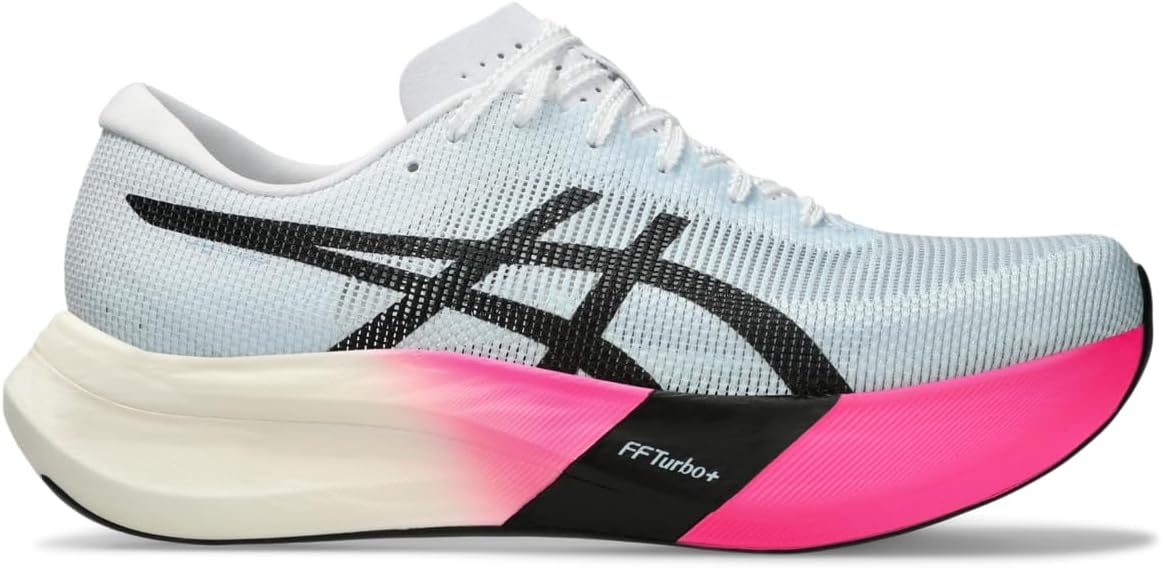
I currently rotate between three: a plush max-cushion shoe for long runs, a carbon-plated racer for intervals, and a neutral daily trainer that handles everything in between. It’s like having a toolkit for your feet.
The biggest mistake I see? Runners buying a new pair and immediately retiring the old one. Don’t do that! Even a shoe with 300–400km left can still serve a purpose. Use it for walking, gym sessions, or easy miles.
Having a small rotation also helps when it rains or one pair gets muddy—you’re never stuck without a dry option.
Just be careful not to introduce too many new shoes all at once. Let your body adapt. Spend a couple of runs getting used to each pair before mixing aggressively.
Remember, shoe rotation isn’t about collecting shoes. It’s about injury prevention and performance. A smart rotation helps your legs feel fresher, keeps your body guessing in a good way, and gives your feet the variety they crave.
If you run on roads, trails, tracks, and treadmills, your body faces different forces, and your shoes should match that challenge.
Rotating shoes for different running surfaces is like using the right tires on your car. You wouldn’t take slick road tires onto a muddy trail, right? The same principle applies to your feet.
I once wore my favorite road shoes on a forest trail – bad idea. The soft outsole slipped like crazy on wet leaves, and I rolled my ankle near the last hill. Ever since then, I’ve had a designated trail shoe in rotation.
Each surface places different demands on your body:
By switching based on the surface, you protect yourself from stress injuries. Trail shoes give you stability on uneven terrain. Cushioned shoes soften the pounding of pavement. Racers help with turnover and foot strength.
One overlooked bonus? Your proprioception (your body’s sense of balance and position) actually improves when you vary your terrain and gear. You learn to adapt more quickly, which can help reduce the risk of falls and overuse injuries.
So, yes surface matters. And the more varied your training, the more important it is to rotate your shoes accordingly.
You don’t need five pairs lined up at the door. Just one road pair and one trail pair can make a big difference. Add a third for speed and you’re golden.
So now you know the “why,” but how do you actually build a smart shoe rotation that fits your training, budget, and goals?
The good news is, you don’t need a closet full of sneakers to get started. Building a simple running shoe rotation schedule is easier than you think and you can grow it over time.
Here’s a basic guide:
A good analogy? Think of it like cooking. You don’t use the same knife to chop vegetables, slice bread, and carve a roast. Shoes are tools and using the right one for each run can protect your performance (and your joints).
When I started rotating intentionally, not only did I get fewer aches, I actually ran better. My long runs felt smoother, my intervals sharper. And mentally, it made things more fun. Picking the right shoe each day felt like choosing the right gear for a mission.
Want to know what your hard training days really look like? See What to Do on Your Hard Running Days, so you match shoes to effort smartly.
One of the biggest mistakes runners make is holding on to shoes far past their prime. The tricky part? Most wear and tear happens inside the midsole, where you can’t see it.
So, how often to rotate running shoes and when to replace them?
Most running shoes last between 500–800km. But that range depends on your weight, gait, terrain, and shoe construction. Lighter racers may lose bounce by 400km. Bulky cushioned trainers might go further, but not always.
A personal example: I once used a high-stack daily trainer for about 700km. It still looked fine from the outside. But I started feeling shin tightness, and my knees ached more after long runs. Swapping in a fresh pair solved it within a week.
Here’s what to watch for:
A simple trick: write the purchase date and estimated replacement date inside the tongue tag. Or better yet, track shoe mileage in your run app.
Need help understanding leg aches? Check our guide on tibialis anterior pain when running to learn how shoe choice influences shin strain.
Still unsure? Rotate your new shoes in before your old ones die. This overlap lets your body adjust and gives you a smoother transition.
Remember, your legs can’t talk, but they’ll feel it when your shoes are toast. Replacing a pair at the right time can save you from costly physio visits and weeks of downtime.
Not all running shoes are built the same and that’s the point. Each type serves a different purpose in your training. Knowing how to use each one can help you create the most effective shoe rotation for marathon training or daily running.
Below is a simple breakdown:
👉 Swipe to view full table
| Shoe Type | Best Use | Frequency | Key Benefit |
|---|---|---|---|
| Daily Trainer | Easy runs, general mileage | 3–5 times per week | Comfort + durability |
| Speed Shoe / Tempo Shoe | Interval workouts, tempo runs | 1–2 times per week | Lightweight + snappy |
| Max Cushion Shoe | Long runs, recovery days | 1–2 times per week | Shock absorption |
| Racing Shoe (Carbon Plate) | Race day or time trials | Occasionally | Energy return + speed |
| Trail Shoe – Technical Terrain | Steep climbs, rocky or muddy trails | As needed | Maximum grip + rock protection |
| Trail Shoe – Lightweight | Short trail races, fast trail workouts | 1–2 times per week | Agility + responsiveness |
| Trail Shoe – Cushioned | Ultra-distance trail runs | Occasionally | Comfort + fatigue reduction |
As you can see, building a balanced rotation isn’t about brand loyalty, it’s about having the right tool for the job. You might start with just two: a daily trainer and a speed shoe. Then expand based on your goals.
Every type of shoe plays a role, and mixing them into your week is how you stay strong, reduce injury risk, and keep running fun.
As an Amazon Associate, SportCoaching earns from qualifying purchases.
Rotating your shoes can feel like a game-changer—but only if you do it right. Many runners dive in with good intentions but make avoidable mistakes that limit the benefits.
Let’s walk through some of the most common missteps so you can dodge them.
1. Rotating too many pairs too quickly
Adding three new shoes into your weekly routine all at once can overwhelm your body. You need time to adapt to each model’s geometry, stack height, and drop. Start slow. Add one new shoe, get used to it, then build from there.
2. Not matching shoes to the workout
Grabbing a max-cushioned shoe for intervals or a racing flat for a recovery jog? Not ideal. Align your shoe choice with the run type. Use cushioned shoes for long miles, responsive ones for speed, and trail shoes off-road.
3. Replacing a shoe only when it’s completely dead
If you wait until your shoe is flat, cracked, or painful to run in, you’ve already pushed too far. Instead, rotate in a new model while the old one still has 100–150km left. This overlap helps your body adjust smoothly.
4. Ignoring how your body feels
Don’t force a rotation that doesn’t feel right. If one shoe makes your calves tight or your toes go numb—drop it. Comfort, feel, and feedback matter more than shoe rotation theory.
It connects with tips in our article on calf pain after running, including how rotation and recovery can help.
5. Buying based on hype, not purpose
Just because a shoe is “hot” on social media doesn’t mean it’s right for your foot or your goals. Stick to your needs: comfort, fit, and function over trend.
Rotating your running shoes isn’t just a gear upgrade, it’s a strategy. Each pair offers something unique: stability on trails, softness for recovery, speed for intervals. Together, they protect your joints, ease fatigue, and help your stride feel smoother day after day.
Think of your shoe rotation as a quiet support system working in the background. When dialed in, it lets you run longer, recover faster, and stay ahead of injuries without even thinking about it.
Start simple. Stay intentional. And trust that a well-planned rotation keeps you running strong—on every surface, at every pace.
Head Coach
Graeme has coached more than 750 athletes from 20 countries, from beginners to Olympians in cycling, running, triathlon, mountain biking, boxing, and skiing.
No matter your goals, SportCoaching offers tailored training plans to suit your needs. Whether you’re preparing for a race, tackling long distances, or simply improving your fitness, our expert coaches provide structured guidance to help you reach your full potential.
Smart, progressive training from 5km to marathon with weekly guidance.
What’s included
Browse upcoming Australian running, cycling, and triathlon events in one place. Filter by sport, check dates quickly, and plan your training around something real on the calendar.
Choose your plan to get started with personalized training plans designed to help you reach your goals.
Get consistent feedback, ongoing plan adjustments, and direct support from a coach who understands your training, your data, and your goals.
Prefer to chat? Talk with a coach now →


Minna Backman
When you’re new, feedback is especially important, and Graeme is highly skilled at both analyzing numbers and understanding the importance of mental strength.