Why Stretching Matters for Runner’s Knee
When your knee starts to ache during runs, it’s rarely just about the joint itself. Most of the time, runner’s knee pain begins with tight or overworked muscles around the hip, thigh, and lower leg. These muscles pull unevenly on your kneecap, changing how it tracks as you move. Over time, that uneven pull leads to irritation known as patellofemoral pain syndrome.
The right stretches for runner’s knee help release tension and restore balance in the surrounding muscles. Think of it like tuning a bike chain. When one part is too tight, everything feels off. Once you loosen and align it, the movement feels smooth again.
Stretching improves flexibility, boosts blood flow, and allows your muscles to absorb more shock when your foot hits the ground. It also helps your knee pain when running fade faster because the joint can finally move the way it’s meant to.
Here’s what effective stretching does for your knees:
- Reduces pressure on the kneecap by loosening tight quads and IT bands
- Improves circulation to damaged or irritated tissues
- Increases range of motion, helping you run more efficiently
- Prevents overuse injuries by promoting muscle balance and coordination
- Aids recovery after long or intense training sessions
A simple flexibility routine can also make your stride feel smoother. When your hips, glutes, and hamstrings move freely, your knees don’t have to compensate. You’ll notice less fatigue, fewer twinges mid-run, and more comfort when climbing stairs or sitting for long periods.
It’s worth remembering that stretching alone won’t cure every case of runner’s knee, but it’s one of the most effective first steps you can take. Combined with strength work and proper form, it can help you return to pain-free running faster than you think.
Wondering how long recovery usually takes? Read more here: How Long Does Runner’s Knee Last?
Feeling stiff or struggling to stay consistent with your training? Our Running Coaching program helps you improve flexibility, strength, and running form through tailored sessions designed for lasting progress. Whether you’re preparing for your next race or rebuilding your routine, we’ll guide you every step of the way.
- Personalised training structure: plans built around your schedule, goals, and fitness level
- Smart recovery focus: learn how to stretch, strengthen, and prevent overuse fatigue
- Performance insights: expert feedback to refine form and efficiency
- Ongoing accountability: stay motivated with coach-led progress tracking
Build strength, balance, and confidence with coaching that helps you move better and run at your best—no matter where you’re starting from.
Start Your Coaching Journey Today →

The Best Stretches for Runner’s Knee (Coach-Tested and Simple)
If you’re dealing with runner’s knee, start with a short mobility routine you can repeat most days. The goal is to reduce tension, improve tracking of the kneecap, and ease your knee pain when running. These are the core stretches for runner’s knee I use with athletes because they’re simple, effective, and easy to scale as you feel better.
Think of each move as a small lever. When you pair a gentle quad stretch with a focused hamstring stretch and a careful IT band stretch, you balance the forces that tug on the patella in patellofemoral pain syndrome. Keep the intensity light to moderate. You should feel tension that eases with steady breathing, not sharp pain. If a stretch irritates your knee, shorten the range or switch sides and come back later.
Use the table below to guide setup, dosage, and timing. If you’re new to mobility work, begin at the low end of the hold times. As symptoms settle, you can build toward the higher range or add a second set. Consistency matters more than heroics. Two to three calm minutes, done daily, usually beats a once-a-week long session.
👉 Swipe to view full table
| Stretch | Targets | How to Do It | Hold / Sets | Best Time to Use | Coaching Cues |
|---|---|---|---|---|---|
| Standing Quad Stretch | Quadriceps, hip flexors | Stand tall, grab ankle, pull heel toward glute while keeping knees close. | 20–30 sec × 2 each side | Post-run or evening | Tuck pelvis slightly; don’t arch lower back; keep chest lifted. |
| Supine Hamstring Stretch (Band/Towel) | Hamstrings | Lie on back, loop towel around mid-foot, extend knee toward ceiling. | 20–30 sec × 2 each side | Post-run | Keep opposite leg straight; stop before butt lifts; breathe slow. |
| Figure-4 Glute Stretch | Glutes, deep hip rotators | Lie on back, cross ankle over knee, pull thigh toward chest. | 20–30 sec × 2 each side | Post-run or rest days | Flex the lifted foot; keep hips square; gentle pull, not a yank. |
| Side-Lying IT Band Relief (TFL Focus) | TFL/IT band area | Side-lie, top leg slightly behind, gently drop knee toward floor. | 15–20 sec × 2 each side | Light days | Go easy; aim for a mild lateral hip stretch, not knee torque. |
| Hip Flexor Half-Kneel | Hip flexors, quads (proximal) | Half-kneel, tuck pelvis, glide hips forward without lumbar arch. | 20–30 sec × 2 each side | Warm-up or post-run | Ribcage down; squeeze back-leg glute; small shift goes a long way. |
| Calf Wall Stretch | Gastrocnemius/soleus | Hands on wall, back leg straight or bent to target both calves. | 20 sec straight + 20 sec bent × 1–2 | Post-run | Heel heavy; toes forward; feel length from heel to knee. |
Move through these runner’s knee exercises slowly. Aim for smooth breaths and a relaxed face and shoulders. Most runners feel the biggest relief when they combine this routine with gentle glute activation before runs and easy strength work on non-consecutive days. If pain spikes or lingers, speak with a physio for a personalized plan.
If you ever feel discomfort or tightness along the inner part of your knee during runs, you’ll find this article helpful: Pain on Inside of Knee After Running.


When and How to Stretch for Runner’s Knee
Knowing when and how to perform your stretches for runner’s knee can make the difference between recovery and frustration. Timing, intensity, and technique all influence how your muscles respond. Stretch too aggressively and you risk irritation. Stretch too little or too inconsistently, and you won’t see results.
From coaching athletes recovering from patellofemoral pain syndrome, I’ve learned that small, consistent efforts always beat big, irregular sessions. The body thrives on rhythm. Just five to ten minutes of focused mobility each day often brings more relief than a long session once or twice a week.
Here’s how to structure your stretching routine for the best results:
- Warm up first. Light movement increases muscle temperature and elasticity. A short walk, easy spin, or a few bodyweight squats prepare your tissues to stretch safely.
- Hold each stretch for 20–30 seconds. Research shows this is the sweet spot for increasing flexibility without causing microtears.
- Focus on breathing. Slow exhales help muscles relax. Imagine your breath melting away tension with each exhale.
- Stretch after every run. This reduces post-run stiffness and restores normal muscle length while the body is still warm.
- Include rest days. Stretching daily is great, but muscles also need downtime to adapt and recover.
- Pair stretching with strength work. Combine flexibility with knee strengthening exercises to stabilize the joint long term.
Ideally, you’ll perform these runner’s knee exercises post-run and again on rest days when you have extra time. Don’t push through pain; mild discomfort is fine, but sharp pain means stop. You should finish each session feeling lighter, looser, and more balanced.
Over time, your body will begin to “learn” new movement patterns. The tight muscles that once pulled on your kneecap start to cooperate again. Most runners notice improvements in stride comfort within two to three weeks of consistent stretching. Stay patient, the payoff is worth it.
Want to take your flexibility and recovery further? Explore these simple routines: 10 Mobility Exercises for Runners.


Preventing Runner’s Knee From Returning
Once you’ve eased your pain with the right stretches for runner’s knee, the next step is preventing it from sneaking back. The truth is, most runners who recover from patellofemoral pain syndrome don’t relapse because of bad luck, they relapse because they stop doing what worked. Your knees need consistent care, not quick fixes.
Every athlete I’ve coached who overcame knee pain when running had one thing in common: they built stretching and strengthening into their normal training routine. Their knees became stronger, their stride smoother, and their confidence returned. You can do the same by sticking to a few simple habits.
- Keep stretching even when you feel good. Mobility fades quickly when neglected. Aim for 10 minutes of flexibility work at least 3–4 times per week.
- Strengthen your glutes and hips. Weak gluteal muscles allow your knees to collapse inward. Add bridges, clamshells, and single-leg squats to your plan.
- Watch your running form. Keep your cadence light and stride compact. Overstriding increases impact on your knees.
- Increase mileage gradually. Follow the 10% rule. Never bump weekly distance by more than 10% to avoid overuse stress.
- Choose supportive shoes. Replace worn-out footwear and pick models that match your foot type. Flat or worn shoes worsen tracking issues.
- Recover like it’s part of training. Sleep, nutrition, and rest days are just as critical as workouts. Your body heals between sessions, not during them.
Building these habits turns recovery into resilience. With steady maintenance, the tightness and soreness that once slowed you down become a thing of the past. Your joints feel smoother, your stride lighter, and your confidence higher. You’ll spend less time worrying about injury and more time chasing the runs that make you feel alive.
Remember, staying pain-free isn’t luck, it’s consistency. Keep up your runner’s knee exercises, keep stretching, and your knees will reward you with miles of comfortable, strong running.
If you’re curious about how your running pace affects your joint health, you’ll find more insights here: Is Slow Running Bad for Knees?
Consistent stretching and recovery are only part of the equation. To move efficiently and build lasting endurance, your training needs structure. Our Running Training Plans combine expert programming with proven recovery methods to help you improve flexibility, strength, and performance week by week. Whether you’re preparing for your first 10K or aiming for a new personal best, every plan helps you train smarter and recover stronger.
- Progressive design: structured sessions that balance intensity, rest, and mobility
- Adaptable approach: fits your schedule, fitness level, and long-term goals
- Recovery-focused: built-in flexibility and rest days to support consistency
- Expert insight: guidance shaped by years of real-world coaching experience
Build strength, improve mobility, and find your stride with a plan that keeps your body balanced and your training sustainable.
Explore Running Training Plans →

Stretching vs Strengthening: Which Matters More?
Many runners ask if they should focus more on stretches for runner’s knee or strengthening exercises. The truth is, both matter for different reasons. Stretching helps release tension, while strengthening builds stability. One gives your knee space to move, the other gives it control.
Think of your knee as a hinge supported by ropes and pulleys. If those ropes (your muscles) pull too tightly on one side, the hinge starts to grind. That’s where patellofemoral pain syndrome comes in. Stretching loosens tight tissues like your quadriceps, hamstrings, and IT band so they stop tugging unevenly. But without strength in your hips and glutes, the imbalance will return.
Research consistently shows that combining both approaches gives the best results. One Journal of Orthopaedic & Sports Physical Therapy review found that patients who included hip and knee strengthening in addition to flexibility training had 50% better recovery rates than those who stretched alone. Strength creates stability; flexibility keeps it balanced.
- Stretching reduces tension and improves mobility so your kneecap tracks correctly.
- Strengthening reinforces the muscles that guide the kneecap. Especially the glutes and quads.
- Together, they correct movement imbalances that cause knee pain when running.
If you’re starting from scratch, begin with gentle stretches twice a day for two weeks. Then add light strength work like glute bridges, step-ups, and wall sits. Over time, you’ll feel your stride become smoother and more controlled. Your knees will stop aching after long runs, and your body will move as one balanced unit.
The bottom line: stretching makes your muscles ready, but strength keeps your knees pain-free for the long run.
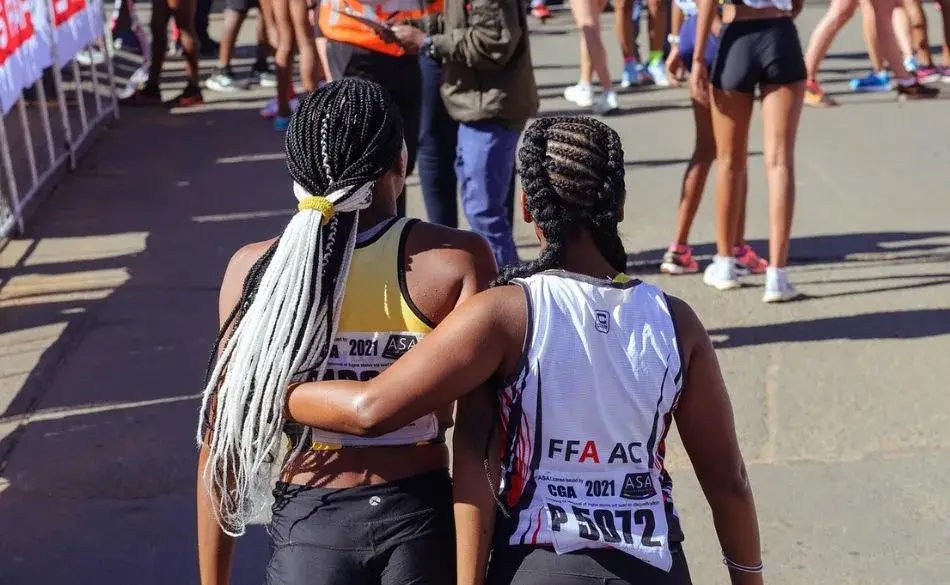

Tools and Tips to Keep Runner’s Knee Away for Good
Recovering from runner’s knee takes more than just stretching. The small habits you build around your training (your warm-ups, cooldowns, and recovery) can make or break your progress. Luckily, a few simple tools can help you stay consistent and pain-free.
One of the easiest things you can do is use a foam roller after your runs. Rolling out your quads, hamstrings, and IT band for a few minutes improves blood flow and eases stiffness. If you struggle with tight hip flexors, a small massage ball works wonders for hitting hard-to-reach spots.
Compression sleeves or knee straps can also help support alignment during runs, especially in the early recovery phase. They don’t fix patellofemoral pain syndrome, but they can provide short-term relief while you rebuild strength and flexibility.
- Use a foam roller daily. Focus on quads, glutes, calves, and IT band for 30–60 seconds per area.
- Stretch during work breaks. Long hours sitting tighten the same muscles that cause knee pain.
- Track progress weekly. Note pain levels, flexibility, and run distance to spot improvements early.
- Warm up properly. A 5-minute brisk walk or dynamic moves like leg swings prepare muscles to handle impact.
- Hydrate and fuel well. Dehydration and low electrolytes can increase muscle stiffness and slow healing.
Many athletes I coach find that a few extra minutes of recovery work saves them weeks of downtime. These small daily habits compound. Over time, they strengthen your foundation so much that knee pain when running becomes a distant memory. The key is consistency, not perfection. Keep your tools close, stay aware of how your body feels, and give your knees the care they’ve earned.

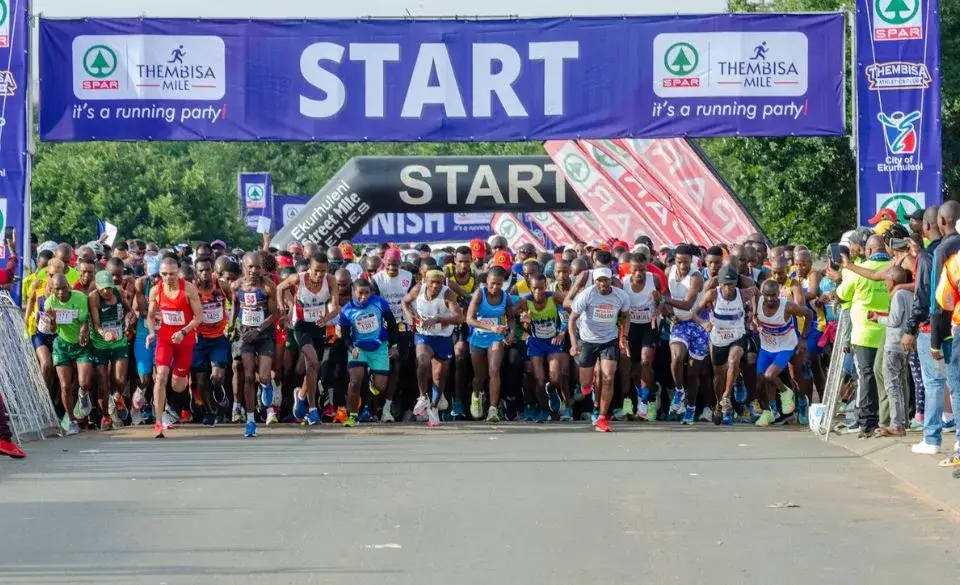
Run Free Again: Your Knees Deserve the Care
When you’ve spent weeks or months sidelined by runner’s knee, getting back to pain-free running feels incredible. But recovery doesn’t happen by accident, it’s the result of consistent effort. The right stretches for runner’s knee, paired with smart strength training and recovery habits, can rebuild the foundation your body needs to move freely again.
Remember, your knees don’t exist in isolation. Every stride involves a chain of muscles from your hips to your toes. Keep that chain flexible, strong, and balanced, and you’ll protect yourself from future setbacks. Whether you’re chasing your first 5K or training for another marathon, it’s the simple daily habits (stretching, mobility, and mindful running) that make the difference.
One of my athletes once told me, “The stretches I used to skip are now the reason I can run pain-free.” That sums it up perfectly. Take a few minutes every day to loosen up, breathe, and tune into your body. T
So roll out your mat, set your timer, and start your runner’s knee exercises today. A few stretches now can mean many more miles tomorrow.
Once your mobility and flexibility are improving, it’s time to channel that movement into stronger, smarter training. Our Half Marathon Running Training Plan is designed for runners ready to build endurance, sharpen technique, and train with purpose. Whether you’re tackling your first 21.1 km or aiming for a faster finish, this structured program helps you stay consistent and confident through every stage of your journey.
- Progressive structure: weekly sessions that develop speed, endurance, and efficiency
- Coach-designed workouts: created by experienced professionals who understand how runners progress
- Balanced approach: includes mobility, recovery, and strength to complement your running
- Performance mindset: learn pacing, fueling, and mental strategies for your best race yet
Build on your flexibility and take your training to the next level with a proven plan that helps you move better, run stronger, and reach your potential.
Explore the Half Marathon Training Plan →