

Why Toe Raises Deserve a Place in Every Training Plan
Toe raises might look simple, but they pack a punch. They train the anterior tibialis, the muscle running along the front of your shin, which helps lift your toes when you walk or run.
When this muscle is strong, your foot strike feels smoother, with less slap on the ground. When it’s weak, your calves take on more work than they should, which can put stress on your shins, Achilles tendon, and ankles.
Toe raises help fix that imbalance. They give your ankles better control, build endurance in small stabilizing muscles, and improve overall stability. You’ll notice it in daily life, stairs feel easier, quick changes of direction feel steadier, and you’re less likely to trip on uneven ground.
For athletes, especially runners and field sport players, toe raises act like armor. They reduce shock at landing and help you maintain form when fatigue sets in. One of my half-marathon runners used to struggle with shin pain every training cycle. We added toe raises for shin splints prevention twice a week, starting with two sets of 12 slow reps. Within six weeks, her pain was gone — and it stayed away during race season.
Toe raises also boost your balance. Think of your foot like a seesaw. When the front can lift well, the whole board stays level. If you spend a lot of time sitting, your ankles can get stiff. That’s where the benefits of toe raises for ankle mobility really shine, gently opening the front of the ankle while building strength.
Even older adults can benefit. A simple standing toe raises exercise for balance can help reduce the risk of stumbles by improving foot control and stability.
The best part? You don’t need much time. Just ten focused minutes a week can make your legs feel stronger and more stable. Start light, move slowly, pause at the top, and control the way down. Pair toe raises with calf raises (one pushes the foot down, the other pulls it up) and you’ll protect your stride from all angles.
Toe raises help strengthen the tibialis anterior, which can ease stress on your shins. Want a deeper dive into shin pain and how to stop it? This guide explains tibialis anterior pain, recovery phases, and smart training adjustments. Tibialis Anterior Pain When Running: Causes & Fixes
The fastest way to build shin strength, improve ankle mobility, and boost balance is with a plan that’s designed for you. Our Running Coaching includes progressive toe raise variations, mobility drills, and stability training to help you prevent injuries, run more efficiently, and feel stronger on every step.
- ✅ Targeted exercises to strengthen the tibialis and stabilise ankles
- ✅ Beginner-friendly routines that progress safely over time
- ✅ Expert feedback to refine your form and maximise results
💡 Perfect for runners, hikers, and active people looking to reduce shin pain and improve performance.
Start Your Personalised Plan Today →

How to Do Toe Raises Safely at Home
Toe raises are one of the easiest exercises to add to your routine, but technique matters if you want results without injury. The good news? You can do them almost anywhere. At home, in the office, or even while waiting for your coffee to brew.
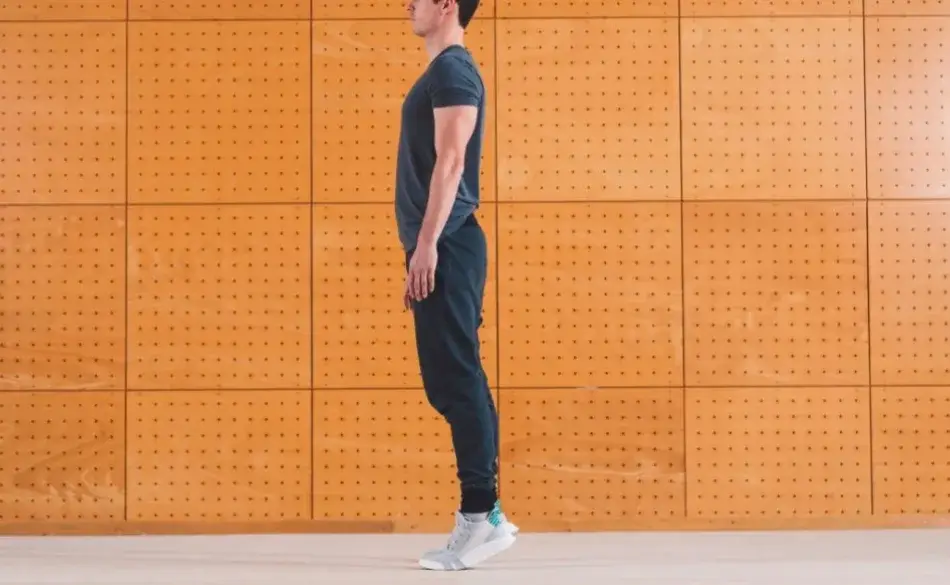
Start by standing with your feet hip-width apart. Keep your heels firmly on the ground and slowly lift your toes toward your shins. Pause for one or two seconds at the top, then lower them back down with control. Avoid bouncing or rushing through reps. The movement should feel smooth and steady.
If you’re new, aim for how to do toe raises safely at home by using a wall or chair for support. This helps keep your balance and lets you focus on form. Begin with two to three sets of 10–12 reps, resting briefly between sets.
One of my track sprinters used this exact routine during his off-season. He combined it with ankle mobility drills and noticed a real difference in his sprint starts. His feet felt lighter and more explosive off the line.
You can also make toe raises more challenging by standing on a folded towel or yoga mat. This adds a bit of instability, forcing your ankle stabilizers to work harder.
For seated work, try seated toe raise variations for beginners. Sit in a sturdy chair with your feet flat, then lift your toes as high as possible while keeping your heels down. This is perfect if you’re rehabbing an injury or just starting out.
The key to safety is control. Your shins should feel a gentle burn by the end of each set, not sharp pain. If you notice discomfort in your joints, reduce the range of motion until your strength improves.
Toe raises might seem like a small move, but the ripple effect on balance, ankle health, and lower leg strength is huge when you practice them with good form.
If your ankles feel sore or stiff when you start, add gentle mobility work to your routine. This ankle pain guide shows you effective drills and strength exercises you can do alongside toe raises. Ankle Pain When Running: Causes, Fixes & Recovery Tips.
Building shin strength, improving ankle mobility, and boosting stability is easier with a plan that guides you step-by-step. Our Running Training Plans include progressive toe raise variations, balance drills, and mobility exercises that help you move better, reduce shin pain, and perform at your best.
- ✅ Beginner-friendly lower leg routines to build strength without overloading
- ✅ Specific exercises for shin splints prevention and ankle stability
- ✅ Helps improve running efficiency, balance, and injury resilience
💡 Perfect for runners, walkers, and active people who want stronger, more stable legs.
Explore Training Plans & Start Building Strength →

The Different Variations of Toe Raises and When to Use Them
Toe raises are flexible. You can match the variation to your goal, fitness level, and training phase. Each option targets the tibialis but changes the challenge for your ankles and feet.
If you want better balance, choose a standing toe raises exercise for balance. Stand tall with feet hip width. Lift your toes toward your shins while keeping heels down. Move slowly up and slowly down. Close your eyes or stand on a folded towel to make it harder. You will feel small stabilizers switch on around the ankle.
New to the exercise or coming back from injury? Use seated toe raise variations for beginners. Sit on a sturdy chair with knees at ninety degrees. Keep heels planted and lift the toes high. The chair removes balance demands, so you can focus on clean control and a smooth pause at the top.
Runners often need extra pull during toe lift. That is where banded toe raises for runners shine. Loop a light band over your forefoot and anchor it under a heavy object. Pull your toes toward your shin against the band. You will get steady resistance through the full range and a strong finish at the top.
If ankle mobility is your limiter, try slant board toe raises for dorsiflexion strength. The board tips your foot so you get a deeper stretch at the bottom. Each rep loads strength and mobility at the same time. Start with a gentle angle and build from there.
Want a simple weekly mix that covers balance, strength, and mobility? Rotate the variations across the week. Keep reps smooth and pain free. Rest between sets so quality stays high.
- Monday: Standing balance focus, 3 sets of 15
- Wednesday: Banded strength focus, 3 sets of 12
- Friday: Slant board mobility focus, 3 sets of 10
Switching variations keeps progress moving and avoids plateaus. It also spreads the load so your shins and ankles adapt without getting irritated. Pick the version that fits your goal today and shift as your needs change.
Pairing toe raises with calf strength work creates a balanced lower leg. If you’ve struggled with calf pain before, this guide breaks down the causes and gives you clear, coach-approved fixes. Calf Pain When Running: Causes, Fixes & Advice From a Coach.


Why Toe Raises Are a Secret Weapon for Runners and Active People
If you run, hike, cycle, or play field sports, toe raises can give you a quiet edge. They do more than strengthen your shins. They teach your feet to meet the ground with control.
For runners, strong tibialis muscles lift the toes cleanly. That helps you clear the ground when you get tired. It also reduces heavy foot slap, which can travel up to the knees and hips.
Think about the last mile of a race. Form fades. Small muscles quit first. Toe raises keep that front-of-shin pull alive, so your stride stays light and quick.
One trail runner I coach used to catch his toes on rocks late in races. We added banded toe raises for runners in his warm up, plus slant board toe raises for dorsiflexion strength twice a week. After four weeks, he reported fewer stumbles and smoother descents.
Hikers and walkers feel the benefits on climbs and descents. Uphill, the front of the lower leg works hard to lift the toes. Downhill, it acts like a brake to place each step softly. Toe raises prepare both roles.
Cyclists benefit too. The ankle is a small hinge with a big job. A steadier tibialis helps control the upstroke and evens out your cadence. Your pedal stroke feels smoother, especially at higher RPM.
Court and field sports demand rapid stops and starts. Better ankle control means quicker push offs and safer cuts. The benefits of toe raises for ankle mobility show up as cleaner foot placement and less wobble on contact.
Here is a simple test. March in place and snap each toe lift high. If your shins burn right away, you have room to grow. Add toe raises to your warm up and cool down. Keep reps slow and crisp.
Small drills create big change. Two or three short sessions per week are enough to notice steadier steps, fewer trips, and happier knees. Toe raises are a tiny habit with a big return.
Limited ankle mobility can force your calves to overwork. Toe raises help, but you can also use these calf tightness tips to loosen up and run more freely. Fix Calf Tightness During Running: Causes and Expert Solutions.
Your shoes play a big role in shin comfort too. Rotating your running shoes can reduce repetitive stress while you build strength with toe raises. Should You Rotate Your Running Shoes?.


How Many Toe Raises Should You Do Each Week?
You will see the best results when you train toe raises often enough to grow, but not so much that your shins stay sore. Two to three short sessions per week work well for most people.
Keep the effort smooth, not rushed. A simple tempo is two seconds up, a one-second pause, then two seconds down. This builds control and keeps your ankles happy.
Start with easy volume. Try two to three sets of 10–12 reps. Rest 45–60 seconds between sets. When the last reps feel crisp and steady, add a few reps or a little band resistance.
If you run, place toe raises after easy runs, not right before speed days. Fresh shins help form. Tired shins make speed work feel flat.
If balance is your goal, use a standing toe raises exercise for balance and hold the top for two seconds each rep. If mobility is your limiter, use slant board toe raises for dorsiflexion strength and keep the bottom stretch gentle.
New to the movement or rehabbing? Choose seated toe raise variations for beginners. They load the muscle without risking a wobble. As control improves, progress to standing, then add a band or a soft surface.
Here is a simple programming guide you can follow today. Pick the row that fits your goal and stick with it for four to six weeks before changing.
👉 Swipe to view full table
| Goal | Frequency | Sets × Reps | Tempo | Notes |
|---|---|---|---|---|
| Beginner control | 2×/week | 2–3 × 10–12 | 2–1–2 | Use a chair or wall; focus on smooth reps |
| Balance & stability | 3×/week | 3 × 12–15 | 2–2–2 | Stand on a folded towel; 2s hold at top |
| Runner strength | 2–3×/week | 3–4 × 8–12 | 2–1–2 | Add light band on weeks 2–3 |
| Ankle mobility | 3×/week | 3 × 10–12 | 2–1–3 | Use a mild slant; slow lower for stretch |
Progress in small steps. Add two reps per set next week, or add a tiny band. You can also add a fourth set if your form stays clean. Sharp pain is a stop sign. A steady burn that fades within a day is normal.
Pair toe raises with calf raises in separate blocks of your session. One pulls the foot up. One pushes it down. Together they build a strong, balanced lower leg that holds form when you need it most.
Strong shins, stable ankles, and balanced lower legs are essential for running, cycling, and swimming. Our Triathlon Training Plans include progressive toe raise drills, ankle mobility work, and sport-specific strength sessions to improve performance, prevent injuries, and help you move with more power and control.
- ✅ Balanced weekly mix of endurance training and lower leg strength work
- ✅ Beginner-friendly progressions for shin splints prevention and ankle stability
- ✅ Expert coaching to refine form and maximise training efficiency
💡 Ideal for triathletes and active people who want stronger, more resilient legs for every discipline.
Explore Triathlon Training Plans & Get Started →

Common Mistakes to Avoid When Doing Toe Raises
Even though toe raises are simple, small errors can reduce their benefits or even cause discomfort. Paying attention to form and setup will make every rep more effective.
One of the biggest mistakes is rushing through the movement. Fast reps turn toe raises into momentum swings instead of controlled muscle work. Slow down and feel the tibialis working from start to finish.
Another common issue is lifting the heels. The goal is to keep your heels planted so the front of your lower leg does all the lifting. If your heels pop up, shift your weight slightly back until they stay grounded.
Some people curl their toes instead of lifting the whole front of the foot. Curling mostly works the muscles in the toes, not the tibialis. Focus on pulling the toes and ball of the foot upward together for full activation.
Don’t ignore range of motion. Short, partial lifts limit strength gains. At the top, your toes should be as high as possible without leaning back or locking the knees.
Breathing is often overlooked. Hold your breath and your whole body tenses up. Instead, exhale as you lift, inhale as you lower. This keeps you relaxed and helps maintain good posture.
If you’re using resistance bands or a slant board, start light. Jumping into high tension or steep angles can strain your shins or ankles before they’ve adapted.
Finally, avoid overtraining. The tibialis is a smaller muscle and can fatigue quickly. Stick to the recommended how to do toe raises safely at home guidelines and increase volume gradually. Quality beats quantity every time.
By avoiding these pitfalls, you’ll get more out of your sessions, progress faster, and keep your shins and ankles healthy for the long run.


Conclusion
Toe raises may be one of the simplest moves in your routine, but their impact is far from small. They strengthen the front of your lower leg, improve balance, and help prevent common overuse injuries. The beauty of this exercise is its versatility. You can do it anywhere, with or without equipment, and tailor the difficulty to your needs.
Whether you are aiming for better performance in running, cycling, or hiking, or simply want to feel steadier on your feet, adding toe raises to your week is a smart choice. They complement other lower leg exercises and fit neatly into warm-ups, cooldowns, or stand-alone strength sessions.
Start with a variation that suits your current ability and build from there. Use the weekly guide to stay consistent, listen to your body, and enjoy the gradual improvements in strength, mobility, and confidence.
Small, consistent actions lead to big changes. Toe raises are proof that you don’t need complex equipment or hours in the gym to see real progress. Your lower legs will thank you every step of the way.
Want stronger shins, better balance, and fewer injuries? Our Running Coaching Programs include targeted lower leg and ankle strength routines, progressive toe raise variations, and mobility work to help you move with confidence and stay injury-free.
- ✅ Build ankle stability and shin strength to prevent common injuries
- ✅ Improve running efficiency with tailored lower leg exercises
- ✅ Step-by-step plans suitable for beginners and seasoned athletes
💡 Perfect for runners, hikers, and active people looking to add strength where it matters most.
Get Your Personalised Plan Today →















