Why Treadmill Sprints Are the Secret Weapon for Speed and Fat Loss
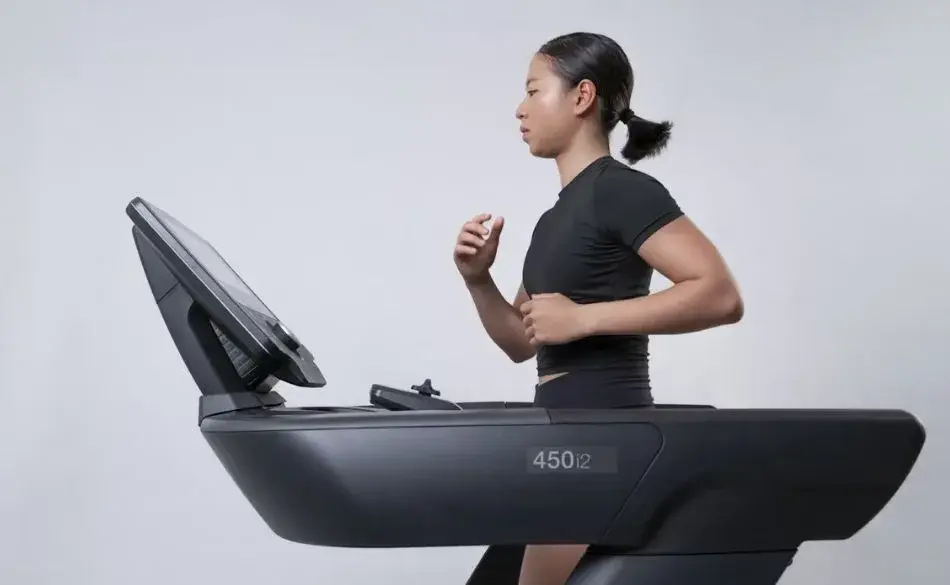
Most people see the treadmill as a tool for casual jogging or walking. But when used with purpose, it becomes a machine built for transformation. A well-designed treadmill sprint workout helps you develop explosive power, burn fat fast, and build endurance all in one session. This training method, often called treadmill interval training or a HIIT treadmill workout, alternates short bursts of effort with brief recovery periods to maximize results in less time.
When you sprint on a treadmill, your body recruits nearly every major muscle group. Your glutes, quads, hamstrings, and calves all engage to produce quick, strong strides. Meanwhile, your heart rate spikes, increasing both your aerobic capacity and anaerobic threshold. This combination helps you sustain faster speeds and recover quicker between intervals or races.
One of the biggest advantages of treadmill sprints is control. You can fine-tune your speed, incline, and rest to match your exact fitness level. Unlike outdoor running, the treadmill removes variables like wind, terrain, and surface impact. This allows you to focus purely on effort and consistency. Even better, the smooth belt reduces stress on your joints, making it safer for those managing knee or ankle issues.
What surprises most runners is how quickly results appear. Within weeks, treadmill sprints can increase running speed, stamina, and overall fitness. The high-intensity intervals trigger EPOC (excess post-exercise oxygen consumption), meaning your body continues burning calories long after the workout ends. Think of it as your metabolism staying in overdrive while you rest.
If your goal is to train smarter instead of longer, the treadmill may just be your best-kept secret. Treadmill speed workouts challenge your limits while giving you precision and safety that outdoor sprints can’t match.
While outdoor sprints offer variety and fresh air, the treadmill gives you complete control over speed, incline, and safety. Making it ideal for structured speed work and consistent progress. To learn more about how both compare, read our guide on Treadmill vs Outdoor Running and discover which option suits your training goals best.
Want to make your treadmill sprint workouts even more effective? Our Running Coaching program provides the personal structure, pacing insight, and motivation you need to see faster results. Whether you’re training for a race or improving your speed, our coaches build sessions around your goals, fitness level, and schedule—so every sprint brings you closer to your potential.
- Custom training plans: designed to match your goals and weekly availability
- Performance feedback: get real insight on pacing, form, and recovery
- Progressive sprint sessions: structured intervals to build speed safely and effectively
- Ongoing accountability: regular communication with your coach to stay consistent
Work one-on-one with a coach who understands speed, endurance, and what it takes to perform at your best—on and off the treadmill.
Start Personal Coaching Today →

How to Structure an Effective Treadmill Sprint Workout
You don’t need guesswork to nail your first treadmill sprint workout. Use a simple framework. Short sprints. Measured recovery. Clear targets. This keeps intensity high and form tight.
Start with a gentle warm-up. Walk first, then jog. Add a few fast strides to wake up your legs. This raises core temperature and preps your nervous system for speed.
Next, choose your main set. Classic treadmill interval training uses 20–60 second sprints at a hard but controlled pace. Keep your recovery as slow jogging or recovery pace walking. Aim for a 1:2 or 1:3 work-to-rest ratio at first.
Use a small incline for better mechanics. One to two percent helps mimic outdoor running and reduces braking forces. It also makes each rep feel more like a true sprint interval training session.
Keep your posture tall. Drive your knees. Land under your hips. Hold the rails only when adjusting speed. This is how to sprint on a treadmill with control and safety.
- Warm-up: 5–8 minutes easy jog, 3 × 10-second strides
- Main set (Beginner): 8 × 20 seconds fast, 60 seconds easy
- Main set (Intermediate): 10 × 30 seconds fast, 75–90 seconds easy
- Main set (Advanced): 12 × 40 seconds fast, 80–120 seconds easy
- Incline: 1–2% for most reps; add 3–4% for incline sprint intervals
- Cool-down: 5–7 minutes easy jog or walk
This structure works for a HIIT treadmill workout or a focused treadmill speed workout. Adjust speed so your final reps stay clean. If form breaks, extend the recovery. Progress by adding one rep, a slight incline, or five seconds to the work phase. Small changes add up fast.


Example Treadmill Sprint Workout Plan
Once you understand how to build your own treadmill sprint workout, it helps to see a complete example. This sample plan balances intensity, recovery, and progression, giving you a clear structure to follow. You can adjust the times, speeds, or incline based on your goals and fitness level. Beginners can shorten sprints or lengthen recovery, while advanced runners can increase both speed and incline to add challenge.
Below is an example of a treadmill speed workout that includes warm-up, main sets, and cool-down phases. Follow the intensity cues and listen to your body. Each week, make small changes (add a sprint, a slight incline, or shorten recovery time) to keep improving without overtraining.
👉 Swipe to view full table
| Phase | Duration | Effort Level | Incline | Notes |
|---|---|---|---|---|
| Warm-up | 5–8 min | Easy jog | 0–1% | Gradually increase pace |
| Sprint 1 | 20 sec | 90–95% effort | 1–2% | Focus on form |
| Recovery 1 | 60 sec | Walk or slow jog | 0–1% | Steady breathing |
| Sprint 2–8 | 20–40 sec | 90–95% effort | 1–3% | Repeat, adjust as needed |
| Cool-down | 5–7 min | Easy jog/walk | 0% | Lower heart rate gradually |
Use this as your base plan for treadmill interval training. Track your performance and recovery each session. Over time, you’ll notice stronger leg turnover, better endurance, and improved efficiency. This structured approach is perfect for those looking for a mix of fat-burning treadmill workouts and performance-based training.


Benefits of Treadmill Sprint Workouts
Doing a treadmill sprint workout gives you more than just faster legs. It delivers a mix of performance, health, and time-saving benefits that make it one of the most efficient forms of training. Sprinting at high intensity builds both speed and endurance, all while torching calories at a rate few workouts can match. The mix of effort and recovery creates a strong metabolic response, which continues to burn calories long after you’ve finished.
One of the main advantages is how quickly results appear. Compared to steady running, treadmill interval training improves oxygen efficiency and muscle recruitment in less time. Research also shows that HIIT treadmill workouts increase insulin sensitivity and cardiovascular function, helping you recover faster between sessions. The short bursts of effort train your heart and muscles to respond better under pressure, a key for athletes and everyday exercisers alike.
Here are some of the biggest benefits you’ll notice when you add sprints to your weekly routine:
- Improved Speed and Power: Builds fast-twitch muscle fibers that enhance sprinting ability and explosiveness.
- Faster Fat Burn: Short, high-intensity intervals elevate metabolism and trigger the afterburn effect.
- Better Cardiovascular Health: Boosts heart efficiency and lowers resting heart rate over time.
- Enhanced Endurance: Helps you maintain higher speeds for longer during steady runs or races.
- Joint-Friendly Training: Reduces impact compared to hard outdoor surfaces, aiding recovery and injury prevention.
- Time Efficiency: Delivers maximum results in under 30 minutes, ideal for busy schedules.
These sessions don’t just make you fitter, they make you tougher. Over time, you’ll find yourself running faster outdoors, climbing hills more easily, and maintaining better control under fatigue. Whether your goal is performance, health, or weight management, treadmill sprint training gives you a complete system to improve every aspect of fitness.
Want to burn fat and build endurance? The Running Weight Loss Plan from SportCoaching is a 20-week program built just for that. It’s designed to help you lose weight sustainably through structured workouts, smart pacing, and recovery strategies. You’ll get workouts powered by heart rate zones and RPE so every run drives you closer to your goal.
- Custom schedule: fits your current fitness, available time, and weight goals
- Fat-burning workouts: sessions designed around optimal zones to maximize calorie burn
- Expert coaching input: includes a 1-hour consultation and personalized plan design
- No subscription surprises: one-time payment with lifetime access
Make this year the one where you finally reach your weight and fitness goals with guidance and structure that works.
View the Running Weight Loss Plan →

Tips to Maximize Results and Avoid Common Mistakes
A treadmill sprint workout is powerful, but only when done with the right technique and structure. Many people push too hard too soon, skip proper warm-ups, or fail to recover adequately between sprints. These small mistakes can quickly lead to fatigue, poor form, or even injury. The key is to train smart, not just hard.
To make your sessions more effective, focus on gradual progression. Start with shorter sprints and longer recoveries until your body adapts to the intensity. Pay attention to posture. That means keeping your torso upright, engage your core, and drive your knees forward rather than bouncing up and down. Consistency and patience always beat overexertion.
Here are a few simple ways to get the most out of every treadmill interval training session:
- Warm Up Properly: Never skip it. A proper warm-up primes your muscles and nervous system for intense work.
- Use Short Bursts: Focus on 20–40 second sprints for maximum speed and control.
- Recover Fully: Don’t rush rest. Quality intervals depend on controlled recovery between efforts.
- Track Your Effort: Use perceived exertion or heart rate zones to gauge intensity and progress.
- Adjust Incline Gradually: Start at 1% and increase only when your form remains strong.
- Listen to Your Body: Sharp pain, dizziness, or prolonged fatigue means you need extra rest.
Small refinements make a huge difference. When you respect recovery and focus on execution, every rep becomes more efficient. Over time, you’ll notice faster speeds, longer endurance, and less fatigue after each HIIT treadmill workout. That’s how you transform a simple session into a performance-boosting routine.


How Often Should You Do Treadmill Sprint Workouts?
Knowing how often to perform a treadmill sprint workout is just as important as doing it correctly. Sprinting taxes your muscles, heart, and nervous system, so recovery is key to getting stronger instead of simply tired. The ideal frequency depends on your fitness level, recovery ability, and overall training goals.
For most people, starting with one or two HIIT treadmill workouts per week is enough. This allows your body time to adapt while avoiding excessive fatigue. If you’re an experienced runner or endurance athlete, you can safely build up to three sessions per week as long as you monitor recovery. Always schedule at least one full rest or easy day between sprint sessions to prevent overtraining.
The best approach is to view sprints as part of a balanced plan. Combine your treadmill interval training with endurance runs, mobility work, and strength training to stay well-rounded. Over time, you’ll see greater improvements in both speed and stamina by mixing different types of sessions rather than relying on just one style.
Here’s a simple weekly guide to follow:
- Beginners: 1 treadmill sprint session per week, plus 2–3 low-intensity runs.
- Intermediate: 2 sprint sessions per week, spaced 48 hours apart.
- Advanced: Up to 3 sessions weekly, with at least one recovery day between each.
Listen to your body. If your legs feel heavy, or you notice slower times or higher heart rates than usual, take an extra rest day. Recovery isn’t a sign of weakness, t’s where real progress happens. By managing your schedule intelligently, your treadmill speed workouts will produce steady gains in fitness, not burnout.

The Science Behind Sprinting and Fat Burning
The power of a treadmill sprint workout comes from how it affects your metabolism. When you sprint, your body shifts into anaerobic mode, meaning it burns energy without relying solely on oxygen. This process demands a huge amount of effort in a short time, which causes your body to consume more oxygen afterward to recover. That recovery process is called the afterburn effect or EPOC (excess post-exercise oxygen consumption).
During HIIT treadmill workouts, your body experiences brief spikes in intensity that create small oxygen deficits. After the session, it works hard to restore balance by consuming extra oxygen for hours. This increases calorie burn even when you’re resting, making sprinting one of the most efficient fat-burning exercises available.
Another major benefit of treadmill interval training is how it boosts your hormone balance. Sprinting naturally raises levels of growth hormone and adrenaline, both of which promote fat breakdown and lean muscle development. Compared to steady-state cardio, these short, intense bursts are far more effective at triggering metabolic adaptations.
The science is clear: short, powerful efforts outperform long, slow runs when it comes to fat loss and overall conditioning. A study published in the Journal of Obesity found that participants who performed sprint intervals three times a week burned more fat and improved endurance faster than those doing traditional steady runs. Another study in the European Journal of Applied Physiology confirmed that sprinting increases both aerobic capacity and resting metabolic rate more effectively than moderate-intensity exercise.
In simple terms, sprinting turns your treadmill into a metabolic furnace. The short bursts may feel demanding, but they reward you with stronger muscles, a faster metabolism, and noticeable results in less time.
If you’re curious how treadmill sprinting compares to other cardio machines, read our guide on Running vs StairMaster to see which workout burns more calories and best matches your fitness goals.
Ready to get more from your treadmill sprint workouts? SportCoaching’s expert-built Running Training Plans are designed to help you improve speed, power, and endurance through structured interval sessions. Whether you’re training for a 5K, marathon, or just want to run faster, our programs balance sprint intervals, recovery, and aerobic conditioning for lasting results.
- Performance-focused workouts: structured intervals that build explosive speed and stamina
- Smart progression: customized sprint and recovery sessions that reduce injury risk
- Expert guidance: built by coaches who understand treadmill and road running integration
- Goal-oriented structure: plans suited for beginners to advanced athletes
Build lasting speed and power with a proven plan that turns every sprint into real progress.
Explore Training Plans for Runners →

Sprint Workouts for Every Fitness Level
Once you’re confident with the basics, it’s time to add variety to your treadmill sprint workouts. Mixing up your intervals keeps the body guessing and prevents plateaus. Different sprint formats also help you target unique goals like fat loss, endurance, or speed. Below are several effective workouts you can rotate through each week depending on your fitness level..
👉 Swipe to view full table
| Workout Name | Description | Goal |
|---|---|---|
| Beginner Speed Builder | Warm up for 8 minutes, then perform 8 × 20-second sprints at 85–90% effort with 60 seconds of recovery pace walking. Cool down for 5 minutes. | Perfect for new runners building sprint capacity and control. |
| Endurance Sprint Pyramid | Warm up for 10 minutes, then sprint for 20, 30, 40, 50, 40, 30, and 20 seconds, resting 1–2 minutes between each. Keep pace consistent and form tight. | Builds both aerobic and anaerobic endurance efficiently. |
| Incline Power Session | After a 6-minute jog, perform 6 × 30-second sprints at a 4% incline and 90% effort. Rest 90 seconds between intervals. | Strengthens glutes, hamstrings, and calves while boosting power. |
| Fat-Burning Ladder | Start with 15-second sprints, then 20, 25, 30, and 35 seconds, resting for equal time between each. Repeat in reverse. | Maximizes fat burn while keeping effort steady throughout. |
| Advanced HIIT Challenge | Warm up for 10 minutes. Perform 10 × 40-second sprints at near-max effort with 60 seconds recovery. Keep incline at 2% and track your pace each round. | Pushes limits and builds elite-level speed endurance. |
Rotate these sessions throughout the week to stay fresh and motivated. Each workout provides a different stimulus, ensuring you continue to develop both your aerobic base and explosive speed. With consistency and smart recovery, these treadmill interval training sessions will help you get faster, leaner, and more resilient over time.
If you’re looking for more variety or want to keep your sessions fresh, check out our list of 10 Treadmill Workouts for Runners that build endurance, speed, and strength while keeping your training engaging and effective.
To take your incline training to the next level, explore our guide on Mastering Treadmill Hill Workouts and learn how to build power, endurance, and strength through gradient-based sprints.


Conclusion – Turn Every Sprint Into Progress
A treadmill sprint workout isn’t just another fitness trend, it’s one of the most effective ways to boost your performance and transform your body. With the right structure, pacing, and recovery, every session trains your muscles, heart, and mind to perform at a higher level. The combination of speed and precision you get from the treadmill makes it ideal for anyone looking to build endurance, lose fat, and increase athletic power.
The best part is that these workouts don’t require hours in the gym. Even 20–30 minutes of focused treadmill interval training can deliver results comparable to much longer steady-state sessions. You’ll finish each workout feeling strong, confident, and energized.
Whether you’re chasing a personal best, rebuilding strength after time off, or simply trying to stay consistent, sprint training offers an edge that few other methods can match. Step on the treadmill, set your goal, and let your effort define the result. Every stride brings you closer to a faster, stronger version of yourself.