Why Triathlon Bike Sizing Matters More Than You Think
A good fit isn’t just a bonus, it’s the foundation of your performance on the bike. When your bike fits well, it helps you ride faster, longer, and with less pain. But when your fit is off, even by a little? Things can go downhill fast.
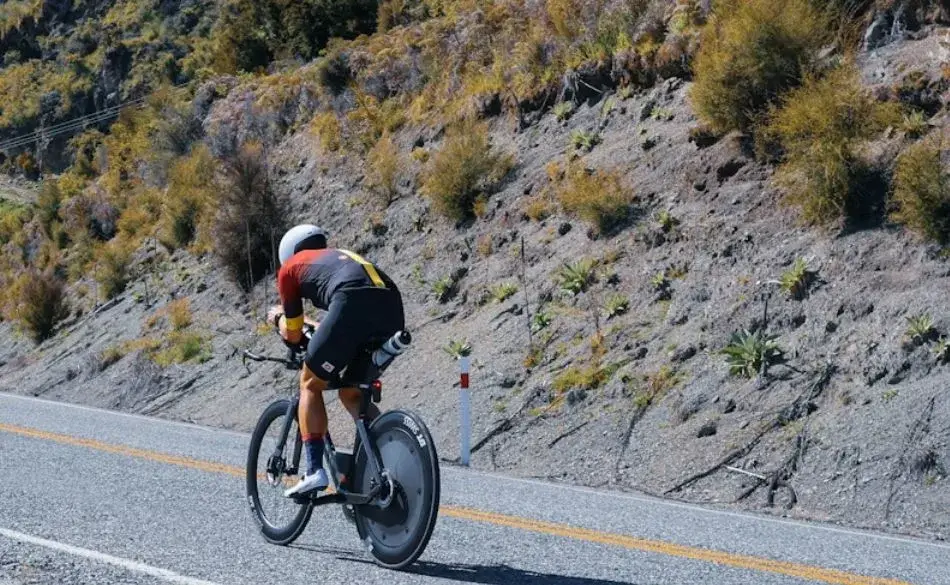
Triathlon bikes are built to put your body in an aero position. That means your back is lower, your hips are forward, and your arms are stretched out. This position helps you cut through the wind and save energy for the run. But it also puts more pressure on your body. If the fit isn’t right, that pressure builds up in the wrong places.
Here’s the thing about a poor fit, it doesn’t just feel awkward. It steals speed, causes discomfort, and increases your injury risk. Some of the most common problems from a bad tri bike fit include:
- Saddle discomfort or numbness
- Tight shoulders and neck pain
- Loss of power through your legs
- Overuse injuries, especially in the knees or hips
- Feeling exhausted sooner than you should
I made this mistake in my first 70.3. I borrowed a friend’s bike that was just “close enough.” By mile 20, my shoulders were on fire, and I kept shifting around to find comfort. Not only did I lose precious minutes, but I also started the run already hurting. After investing in a professional fit, my next race was a whole different story and 12 minutes faster on the bike leg.
If you’re new, don’t skip this step. Getting the right size isn’t just about numbers. It’s about how the bike feels when you ride. Even experienced triathletes forget that comfort and performance go hand-in-hand.
If you’re between sizes, most athletes go smaller. It’s easier to fine-tune a smaller frame than make a big one fit snugly. Triathlon bike sizing for beginners isn’t about guessing, it’s about dialing in the setup that helps you ride strong and feel great


How to Size a Triathlon Bike (Without the Guesswork)
Let’s face it, figuring out how to size a triathlon bike can feel confusing. There are numbers, charts, angles, and weird frame labels like “S/M” or “54.” But here’s the good news: you don’t need to be a bike mechanic to get it right. Start with two simple things, your height and your inseam.
These two numbers can guide you to the right frame size. Use this easy-to-follow triathlon bike size chart as your starting point:
👉 Swipe to view full table
| Rider Height | Inseam Length | Frame Size (cm) | Common Size Label |
|---|---|---|---|
| 4’10” – 5’1” (147–155 cm) | 25” – 28” (63–71 cm) | 47 – 49 cm | XS |
| 5’1” – 5’4” (155–163 cm) | 27” – 30” (68–76 cm) | 49 – 51 cm | S |
| 5’4” – 5’7” (163–170 cm) | 29” – 31” (74–79 cm) | 51 – 53 cm | S/M |
| 5’7” – 5’10” (170–178 cm) | 30” – 33” (76–84 cm) | 53 – 55 cm | M |
| 5’10” – 6’1” (178–185 cm) | 32” – 35” (81–89 cm) | 55 – 57 cm | L |
| 6’1” – 6’4” (185–193 cm) | 34” – 37” (86–94 cm) | 57 – 60 cm | XL |
This triathlon bike frame size guide is a great starting point, but it’s not the final answer. Your body’s shape (like torso length, flexibility, and arm reach) matters just as much. That’s why many athletes also use a triathlon bike fit calculator to dial in the details.
I once thought a size Medium would be perfect based on my height. But my long legs and short torso said otherwise. A quick fit check showed I was better off on a Small with a longer stem and wow, what a difference.
Not sure what to pick? Head to your local bike shop and test ride two frame sizes. Trust your body. A properly sized tri bike should feel stable, balanced, and fast from the moment you clip in. That’s how you know you’ve nailed it.


What’s the Deal with Triathlon Bike Geometry?
If you’ve ever wondered why triathlon bikes look so different from road bikes, the answer comes down to one word – geometry.
Triathlon bike geometry explained is all about how the frame is shaped to change the way your body sits and moves. This isn’t just a visual thing. It directly impacts your power, comfort, and speed during the ride and even how you feel when you get off and start running.
Here’s a quick breakdown of what makes tri bike geometry unique:
- Steeper seat tube angle: This shifts your hips forward and puts you over the pedals, which helps save your hamstrings for the run.
- Lower head tube: This drops your front end and helps you get more aero, reducing wind resistance.
- Longer top tube: It stretches out your position, aligning your back and arms in a flat, fast shape.
Think of it like this: a road bike is like a comfy chair, while a triathlon bike is like an aggressive race car seat. It might feel weird at first, but when you’re locked in, the speed payoff is real.
Still, not every rider needs a super-aggressive setup. That’s where tt bike sizing tips come into play. Your frame might be the right size, but if the geometry is too extreme for your body, you’ll feel it. Tight hips, numb hands, sore neck? These are all signs your position isn’t quite right.
Some newer bikes come with adjustable front ends or modular seat positions to help you fine-tune your fit. If you’re unsure, bring a photo or video of you in aero to a fitter. They can usually spot issues fast.
One of my triathlon friends struggled with back tightness for months. She finally got her bike re-fit with a shorter reach and a slightly higher front end. Not only did the pain disappear, but she shaved 9 minutes off her half Ironman time.
Curious about ideal saddle height? Learn the trusted Lemond Method Saddle Height Formula – a simple yet powerful tool used by pros and beginners alike.

Is Height Enough? The Truth About Sizing by Feel
You’ve seen the charts. You know your height. So shouldn’t that be enough to choose the right bike size?
Well, not quite. Triathlon bike size by height is a great place to start, but it doesn’t tell the full story. Two people who are both 5’9″ can need totally different bikes depending on their leg length, torso size, and flexibility.
This is where things get personal. Your body shape and movement patterns matter just as much as your height. That’s why figuring out how to find your triathlon bike size isn’t just about standing next to a measuring tape, it’s about understanding how your body fits on a bike.
Here are some key things that can affect your fit:
- Torso vs. leg length: A long torso means you’ll need more reach; long legs affect saddle height and crank choice.
- Arm length: Impacts how comfortably you can stay in aero bars without shoulder strain.
- Hip flexibility: Determines how steep of a seat angle you can handle without pain.
- Foot angle and pedal stroke: These change how your legs move through the crank cycle.
So how do you dial it in? The most accurate way is a professional fit, especially from someone trained in triathlon-specific geometry. But if that’s not in the cards, take a DIY approach. Set your bike up, hop on in full kit, and take a side-view photo or video. Look for:
- Flat back with no hunching
- Elbows bent around 90 degrees in aero
- Knees staying close to the top tube
- Comfortable breathing. Not chest-crushed
Triathlon bike sizing for beginners isn’t about numbers, it’s about feel. Trust your body. It knows what fits.
And if you’re wondering about the bike leg distances you’ll be fitting yourself to—check the Olympic Triathlon Distance Guide, which breaks down the 40 km ride and explains what fit and pacing really feel like on race day.


Tips for a Better Triathlon Bike Fit (Even If You’re Not a Pro)
You don’t need to be a pro to dial in a fast, comfy setup. The truth is, even small changes can make a huge difference in how you ride. And when it comes to your position, comfort equals speed.
A proper triathlon bike fit for comfort and speed helps you ride stronger, stay injury-free, and feel fresh coming off the bike. If you’re constantly shifting in the saddle or can’t stay in aero for long, it’s a sign something’s off.
Here are some proven ways to improve your fit without buying a whole new bike:
- Adjust your saddle: Even a few millimeters forward or backward can fix knee or back pain.
- Use an adjustable stem: Helps tweak your reach without changing frames.
- Raise or lower your aero bars: Adding spacers can reduce shoulder pressure or open your chest for easier breathing.
- Try shorter cranks: This can help if you feel cramped at the top of your pedal stroke.
- Tilt your saddle slightly: A gentle nose-down angle can ease pressure in aero position.
One tip most people overlook? Keep a “fit journal.” After each long ride, jot down what felt good and what didn’t. Did your hands go numb? Did your hips get tight? These notes will help you adjust slowly and smartly.
Let’s not forget female-specific triathlon bike sizing. Women often have shorter torsos and narrower shoulders than men. Some brands like Liv, Felt, and Quintana Roo offer tri bikes built specifically for female riders (think shorter reach, smaller cranks, and narrower handlebars).
Planning to race long? The best triathlon bike fit for long course racing isn’t the most aggressive, it’s the most sustainable. You’ll be in the saddle for hours, so focus on a position you can hold comfortably, not one that only looks fast in photos.
Not ready for pro fitting? Try out SportCoaching’s expert advice in Triathlon Bike Fit: Comfort, Power & Aero Setup. Packed with practical tips and positioning drills.


What If Your Fit Still Feels Off?
You’ve checked the charts. You measured your inseam. You even tried using a triathlon bike fit calculator. But when you hop on the bike, something still doesn’t feel quite right.
Don’t worry,you’re not alone. Even with all the right numbers, getting a perfect fit sometimes takes a few small tweaks and real-world testing. That’s because your body isn’t made of angles and formulas, it’s made of movement, and movement changes over time.
Here’s what to do if your fit still feels off:
- Double-check your saddle height: Too low or too high can cause knee pain, hip rocking, or lost power.
- Look at your reach: If your hands go numb or your shoulders ache, try a shorter stem or a different handlebar position.
- Reassess your cleat placement: Poorly aligned cleats can cause foot, knee, or hip pain on long rides.
- Record yourself: Use your phone to film a short ride from the side and rear. Small misalignments often show up on video more clearly than they feel in real time.
One athlete I coach struggled with a persistent ache in his lower back. His chart said “medium,” his inseam agreed, but something felt off. After a quick video review, we saw his saddle was tilted just a bit too far forward. A 2° adjustment fixed the problem overnight.
If your fit issues stick around, don’t hesitate to visit a local fitter. Many shops offer affordable fit sessions, and some even include it free when you buy a bike. Whether you’re aiming for comfort or chasing watts, these adjustments matter.
How to size a triathlon bike isn’t just about getting it right once, it’s about listening to your body and staying flexible. Fit isn’t a one-time event. It’s a process.
If you’re dealing with knee, hip, or back pain despite adjusting your fit, the article Cycling Safely with a Hamstring Injury has guidance on cleat placement, saddle tilt, and posture tweaks to reduce discomfort.
Conclusion: Fit First, Speed Follows
If there’s one thing to take away from this guide, it’s this: your triathlon bike size is the starting point for everything that follows.
A perfect fit isn’t just about looking fast,it’s about feeling fast, moving efficiently, and staying pain-free during every mile. Whether you’re gearing up for your first sprint or chasing a personal best in a full Ironman, your bike should feel like an extension of you. Not a battle to control.
We’ve all seen athletes on expensive gear struggling through races. And we’ve seen others flying by on modest setups, but with perfect fit. That’s no coincidence. You can’t out-tech a bad position.
So take the time to measure, test, and adjust. Revisit your setup every season. Your body changes as you train and your fit should grow with you. If you’re still figuring things out, that’s okay. Every great triathlete started with questions, too.
Think of your bike fit like your running shoes. You wouldn’t wear a pair two sizes too big just because it “sort of” worked. You’d get the right size, break them in, and tweak your lacing to match your stride. Your triathlon bike deserves the same care.
Whether you used a triathlon bike fit calculator, visited a pro fitter, or followed our guide step by step, know that you’re doing the smart thing by prioritizing comfort and control. Race-day success doesn’t come from watts alone, it starts with a bike that truly fits.