What Is the Triathlon Mixed Relay and How Does It Work?
The triathlon mixed relay is one of the most dynamic and fast-paced formats in modern sport. It combines the intensity of individual racing with the teamwork of a relay, creating a nonstop spectacle of speed and strategy. Each team consists of two men and two women, and every athlete completes a super-sprint triathlon before tagging the next teammate.
Each athlete covers:
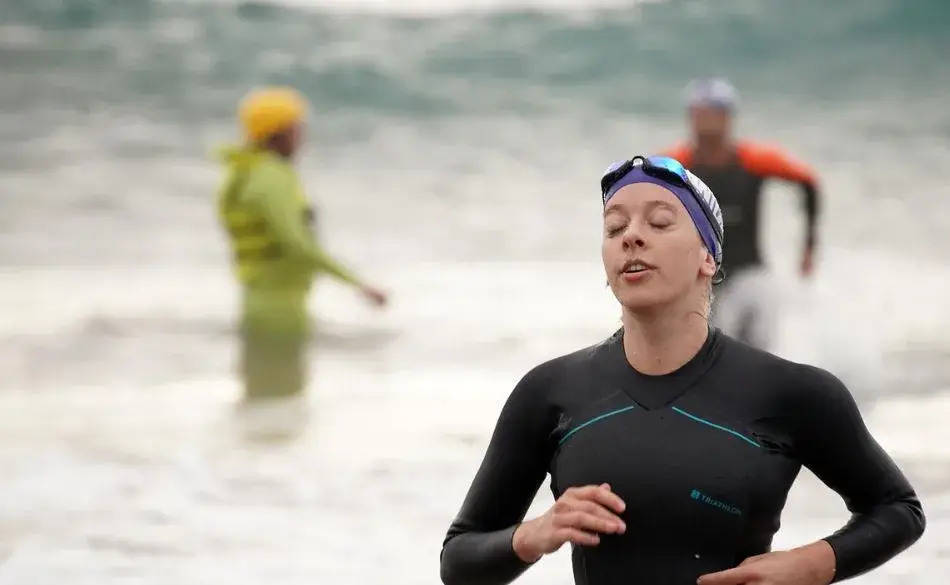
- 300 meters of swimming in open water or a contained course
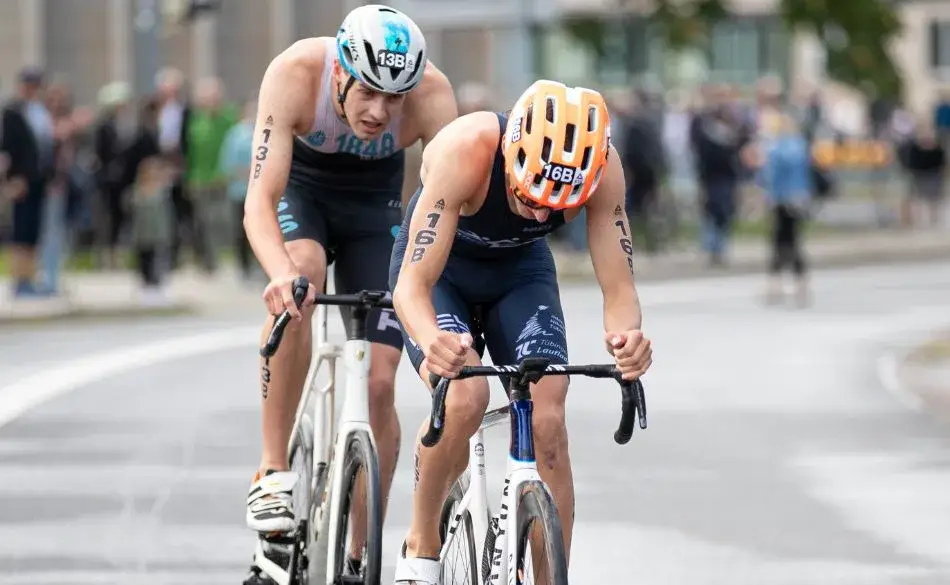
- 6.8 kilometers of cycling on a draft-legal course (where riders can work together in packs)
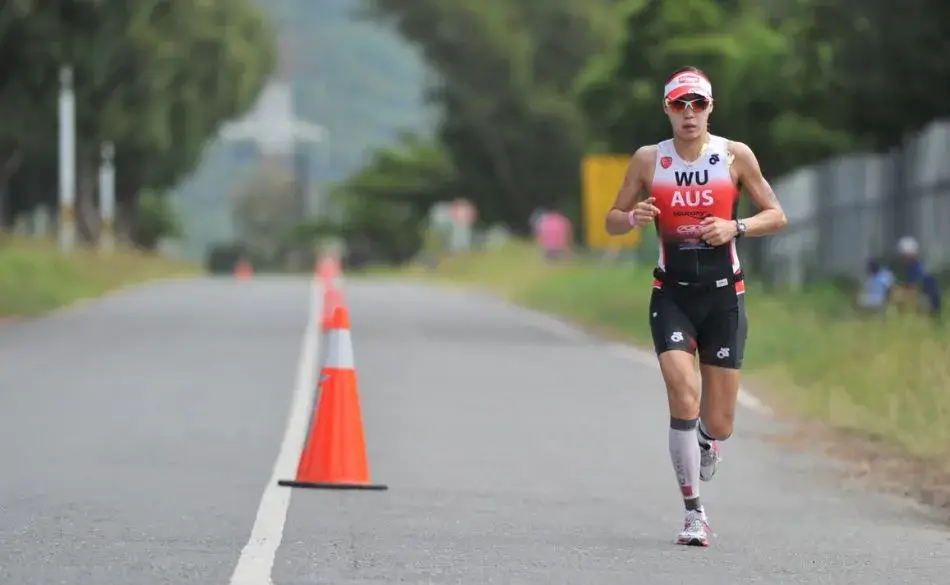
- 2 kilometers of running to finish their leg before handing off
The race order alternates by gender (female, male, female, male) to ensure balance and fairness across all teams. However, some mixed relay triathlon formats may vary depending on event rules or strategic choices made by teams.
Transitions in this race are critical. The relay transition zone becomes a high-pressure handover area where athletes must tag their teammate precisely and without error. One missed step or slow reaction can cost precious seconds and change the entire outcome.
Unlike traditional triathlons that last for hours, the triathlon mixed relay typically finishes in around 1 hour 20 to 1 hour 30 minutes. The short distance, rapid transitions, and equal team structure make it not only accessible for athletes but also captivating for spectators.
Every move, every draft, and every tag matters. The result is a fast-paced triathlon relay race that showcases endurance, explosive power, and flawless teamwork. All within a format built for the modern Olympic stage.
For readers interested in how these distances compare to other triathlon formats, see our guide on understanding mini triathlon distances to learn how the relay fits within the wider triathlon landscape.
For an official overview of how the event was introduced and structured at the Games, visit Olympics.com’s guide to the triathlon mixed relay.


The Origins and Olympic Debut of the Triathlon Mixed Relay
The triathlon mixed relay didn’t appear overnight. It evolved as part of the sport’s effort to make triathlon faster, fairer, and more exciting for global audiences. The format was first introduced by World Triathlon (formerly ITU) in 2009, combining men and women into one team-based event. This idea quickly gained popularity due to its short distance, thrilling pace, and equal representation.
The first official World Triathlon Mixed Relay Championships took place in 2009 in Des Moines, Iowa, USA. By 2013, the format became a regular part of the World Triathlon Series, with powerhouse nations like Great Britain, France, and Australia leading the field.
Its growing popularity made it impossible for the Olympic Committee to ignore. In 2017, the International Olympic Committee (IOC) announced the Olympic triathlon mixed relay would debut at the Tokyo 2020 Olympics, marking a major milestone in the sport’s history.
The Tokyo debut delivered exactly what fans hoped for (drama, strategy, and breathtaking speed). Each leg lasted around 20 minutes, and lead changes were constant. Great Britain claimed gold, the United States silver, and France bronze, solidifying the event as one of the Games’ biggest highlights.
Beyond medals, this event symbolized something greater: teamwork and gender equality on the world stage. The mixed gender triathlon relay now stands as a model for future Olympic sports aiming to balance inclusivity with excitement.
The success of its Olympic debut has since inspired dozens of national federations to create age-group mixed relay triathlon competitions, expanding opportunities for younger athletes and amateurs alike.


What Makes the Triathlon Mixed Relay So Exciting to Watch?
The triathlon mixed relay is often called the most entertaining event in endurance sport and for good reason. It’s fast, unpredictable, and full of high-stakes drama from the very first stroke to the final sprint. Each leg is short enough to keep the pace blistering, yet long enough to demand strategy and endurance.
Unlike longer races that unfold slowly, this fast-paced triathlon relay race delivers constant action. With four athletes sharing the spotlight, there’s never a dull moment. Lead changes happen every few minutes, and the quick transitions mean no one can afford to relax. One small mistake in the relay transition zone (like a missed tag or dropped gear) can shift an entire team’s standing in seconds.
Each athlete’s leg lasts about 18 to 20 minutes, keeping the total team time around 1 hour 20 minutes on average. This tight structure makes the race both physically intense for athletes and thrilling for spectators.
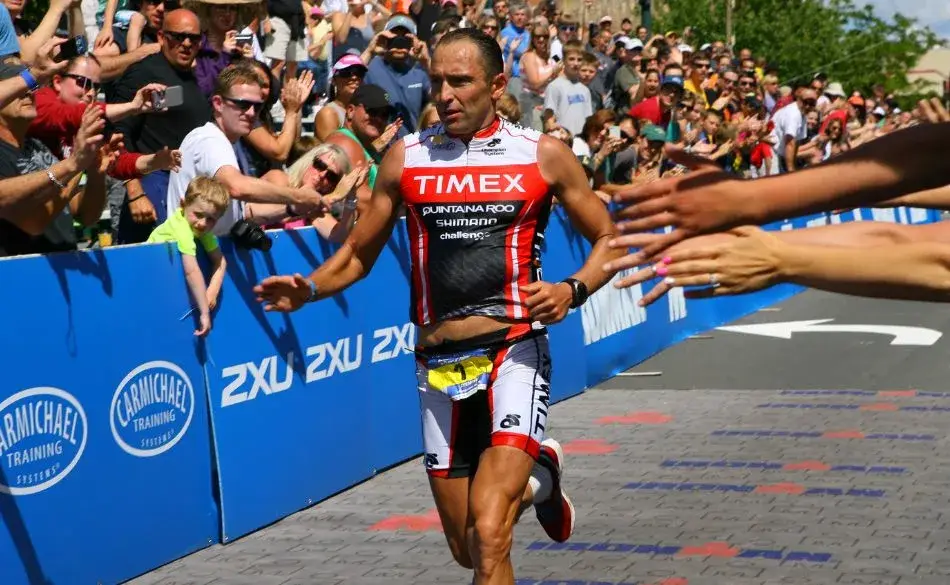
Another reason fans love it is its balance of teamwork and individuality. Every athlete races alone, but their performance directly impacts the team. Watching each competitor push for their teammates adds emotional intensity. The roar from crowds builds as each athlete crosses the line, knowing the next leg begins instantly.
The Olympic triathlon mixed relay also appeals to new audiences because it’s easy to follow. The race is under 90 minutes, with simple, repeatable segments that even first-time viewers understand quickly. Plus, the mix of men and women competing together adds a refreshing level of unity rarely seen in Olympic sports.
From powerful swims to tactical bike packs and electrifying sprints, this team triathlon event delivers pure, unfiltered athletic drama. It’s not just a competition, it’s a story unfolding in real time, where every second, every pedal stroke, and every stride counts.
Channel that same speed, teamwork, and focus into your own training. Our Triathlon Training Plans are designed by expert coaches to help athletes of all levels build power, improve transitions, and perform confidently in every discipline.
Whether you’re preparing for your first sprint event or eyeing a longer challenge like a Half Ironman, our programs provide the structure and guidance you need to train efficiently and avoid burnout. Each plan combines proven pacing strategies, strength development, and recovery-focused sessions tailored to your goals.
Bring the spirit of the relay into your own journey. Train smarter, stay consistent, and build the endurance needed to perform your best on race day.
Explore Triathlon Training Plans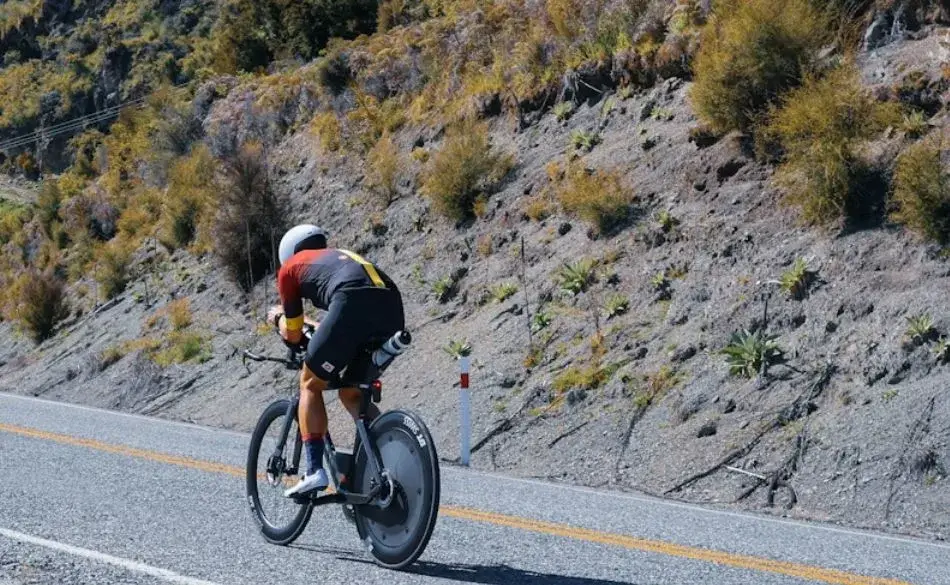
Key Rules and Race Strategies in the Triathlon Mixed Relay
To understand the triathlon mixed relay, it helps to know the rules and strategies that shape every second of the race. These are the elements that turn it from a simple endurance event into a tactical masterpiece where teamwork meets precision.
Essential Rules of the Triathlon Mixed Relay
- Team Composition: Each team includes two men and two women.
- Race Order: The Olympic standard is female–male–female–male, but organizers may adjust in national or local events.
- Relay Tag: Athletes must physically tag the next teammate in the relay transition zone before their leg begins. False starts or missed tags typically result in a 10-second penalty, though repeated violations can lead to disqualification.
- Equipment Setup: Every athlete must prepare their own bike, helmet, and shoes before the race begins. Interference with another team’s setup is not allowed.
- Draft-Legal Cycling: Competitors can ride in packs during the bike leg, allowing tactical drafting for energy savings.
- Course Distances: 300 m swim, 6.6 km bike, 1.8 km run per athlete.
Winning Race Strategies
- Explosive Starts: Strong swimmers are usually placed first to secure an early lead.
- Tight Transitions: Practicing smooth exchanges saves seconds that can win races.
- Draft Management: Teams use drafting to control pace and energy, especially during the bike leg.
- Anchor Selection: The fastest and most composed runner is often placed last to handle pressure in the final sprint.
- Balanced Team Roles: Coaches match athlete strengths (powerful cyclists, quick runners, or consistent all-rounders) for a complete strategy.
The triathlon mixed relay rewards not only speed but communication and planning. Unlike individual triathlon events, one athlete’s mistake can affect the entire team’s performance. Winning often comes down to who works best together under pressure.


Distances, Times, and Olympic Records
The triathlon mixed relay may be short, but the pace is relentless. Every second matters, and tiny variations in distance or transition speed can change the outcome of an entire race. The event follows standardized distances approved by World Triathlon, but slight adjustments are made depending on the venue and course layout.
Each athlete completes three disciplines (swim, bike, and run)before tagging their teammate. The race repeats this four times, once per athlete, for a total of 12 segments. This structure is what gives the team triathlon event its rhythm and intensity.
Below is an overview of typical distances, times, and Olympic records for the triathlon mixed relay:
👉 Swipe to view the full race comparison
| Discipline | Distance (per athlete) | Average Elite Time | World Triathlon Standard |
|---|---|---|---|
| Swim | 300 meters | 4–5 minutes | Open-water or contained course |
| Bike | 6.8 kilometers | 9–10 minutes | Draft-legal format |
| Run | 2 kilometers | 5–6 minutes | Flat or rolling terrain |
| Total per athlete | ~9.1 kilometers | 18–20 minutes | Transition time included |
| Total per team (4 athletes) | ~36.4 kilometers | 1 hour 20 minutes average | Olympic standard format |
At the Tokyo 2020 Olympics, Great Britain won gold with a total time of 1:23:41, followed by the United States and France. These results established the first Olympic benchmark for the event.
With its blend of explosive speed and strategic teamwork, the triathlon mixed relay remains one of the most demanding yet accessible events in endurance sport. Every leg counts, and every athlete must deliver near-perfect execution from start to finish.
The swim leg might only last around five minutes, but it often sets the tone for the rest of the race. You can explore specific drills to boost that early advantage in our article on swim workouts for triathletes.
Take the guesswork out of your training with professional, data-driven support from our expert coaches. Our Triathlon Coaching program is designed for athletes of all levels who want structure, accountability, and proven results.
Each coaching plan is personalized to fit your goals, lifestyle, and current fitness level. You’ll receive regular feedback, data analysis, and expert guidance from experienced coaches who understand every detail of triathlon performance from sprint to full Ironman distance.
Join hundreds of athletes already training smarter with SportCoaching. Get the one-on-one support you need to reach your next triathlon breakthrough.
Learn About Triathlon Coaching

Why the Triathlon Mixed Relay Represents the Future of the Sport
The triathlon mixed relay isn’t just another Olympic event, it’s reshaping how athletes, fans, and organizers view the entire sport. Its energy, equality, and entertainment value make it a natural evolution for the next generation of triathlon.
One of its biggest strengths is inclusivity. Unlike most endurance events that separate men and women, the mixed gender triathlon relay celebrates teamwork across both. This balance has helped triathlon stand out as one of the few Olympic sports where men and women compete equally, contributing to the Games’ ongoing push for gender parity.
It’s also tailor-made for modern audiences. With a total run time of just over an hour, the fast-paced triathlon relay race fits perfectly into TV schedules and streaming platforms. Shorter distances mean tighter finishes, more suspense, and instant drama—ideal for fans who want excitement without waiting hours for the result.
National federations are quickly adapting. Countries like Great Britain, France, and Australia have built entire development programs around the triathlon mixed relay format, nurturing younger athletes who thrive in this team-based environment. The event’s success has also inspired new categories like age-group mixed relay triathlons, opening opportunities for amateurs and juniors to experience the same thrill on local and national stages. If you’re training in Australia and looking to develop the speed and power needed for longer events like the half Ironman, explore our Ironman 70.3 Melbourne training plan designed to build endurance, strength, and race-day confidence.
The relay’s success at Tokyo 2020 and continued momentum through Paris 2024 have cemented its place in the Olympic program through Los Angeles 2028. Its combination of athletic skill, unity, and adrenaline has made it one of the most talked-about events in the Games. The triathlon mixed relay doesn’t just represent where the sport is—it represents where it’s headed: faster, fairer, and more connected than ever before.
Whether you’re preparing for your first sprint event or chasing a new PR in Olympic or Ironman distance, our Triathlon Training Plans are built by expert coaches to help you improve speed, endurance, and consistency across every discipline.
Each plan is tailored for Sprint, Olympic, and Ironman athletes, offering structured sessions that balance swimming, cycling, and running performance. They’re perfect for anyone aiming to train smarter, race faster, and stay consistent throughout the season.
Choose a plan that matches your goals and experience. Every session is designed to help you build endurance, sharpen transitions, and perform at your best.
View All Triathlon PlansHow Teams Prepare for the Triathlon Mixed Relay
Behind every thrilling triathlon mixed relay performance is months of preparation. While the race looks like a blur of speed and power, success depends on coordination, precision, and smart team strategy. Training for this event is a balance between individual performance and team synchronization.
Because each athlete completes a full mini-triathlon, they must train for all three disciplines (swim, bike, and run)but with a focus on speed and efficiency rather than long endurance sessions. Teams practice race simulations multiple times per week under competition-like intensity to perfect transitions and pacing. For athletes without full access to pool or bike facilities, our guide on strength training for triathletes at home offers effective ways to build power and endurance using bodyweight and minimal equipment.
How Elite Teams Train for the Mixed Relay
- High-Intensity Workouts: Short, all-out intervals replace long-distance training. Athletes focus on 300 m swim sprints, 2 km run repeats, and power-based cycling.
- Transition Drills: Teams spend hours rehearsing the relay transition zone exchange to ensure every hand tag is precise and penalty-free.
- Position Role Practice: Each athlete trains for their designated role (lead-off, middle, or anchor) to handle race dynamics effectively.
- Team Chemistry Sessions: Relay racing relies on trust. Teams build communication and confidence during training camps to ensure seamless performance.
- Recovery Management: Because intensity is high, structured recovery blocks and nutrition planning are critical to prevent burnout.
Coaches design training schedules to develop explosive power, technical precision, and mental calm under chaos. The best teams can adjust instantly to changing race scenarios. Whether it’s closing gaps on the bike, catching a draft pack, or chasing down a rival in the final run.
The Olympic triathlon mixed relay demands more than fitness, it demands cohesion. Every athlete must know their exact role, execute transitions flawlessly, and trust their teammates completely. That’s what transforms a group of individuals into a medal-winning unit.


The Legacy of the Triathlon Mixed Relay
The triathlon mixed relay has done more than add excitement to the Olympics, it has changed the DNA of the sport itself. What began as an experimental event in 2009 is now one of the most celebrated showcases of athletic cooperation, gender balance, and speed in endurance sports.
Its impact goes beyond the Olympic stage. The format has inspired a wave of new triathlon events across the world, from age-group mixed relay triathlons to junior and collegiate competitions. These races have made triathlon more accessible, showing young athletes that teamwork can be just as rewarding as solo glory.
The event has also elevated national pride. Countries like Great Britain, France, and the United States now view the triathlon mixed relay as a strategic focal point, investing heavily in team selection, training camps, and youth development programs. Each Olympic cycle sees stronger athletes emerging. Faster, sharper, and more synchronized than before. If you’re looking for where to experience this energy yourself, check out our list of the best triathlons in the world to find events that capture the spirit of team and relay excellence.
Perhaps the greatest legacy lies in what the event represents: unity. The mixed gender triathlon relay is proof that endurance sports can evolve to highlight equality and teamwork without losing their competitive edge. It captures everything that makes triathlon great (grit, precision, and connection) and condenses it into a format anyone can enjoy watching.
As the world looks ahead to Los Angeles 2028, the triathlon mixed relay stands as a model for the future of Olympic competition – fast, fair, and unforgettable.