What’s the Real Timeline to Train for a Sprint Triathlon
A good triathlon recovery plan is not about slowing down your progress. It is about protecting it. After a long swim, bike, and run, your body deals with stress that you might not feel right away. Your muscles create tiny tears. Your energy stores drop. Your brain even gets tired from the long effort. All of this is normal, but only if you give yourself space to repair.
Here is something most athletes overlook. Your body does not improve during training. It improves during recovery. When you rest the right way, you allow your muscles to rebuild stronger and your energy systems to work more efficiently. When you skip this step, you risk soreness, poor race performance, or even burnout.
You may wonder if recovery really changes your long term progress. It does. Research in endurance training shows that athletes who balance hard sessions with planned recovery develop fitness more consistently than those who train through constant fatigue. Your body cannot adapt when it is constantly stressed. It needs cycles of effort and cycles of rest.
One of my coaching clients, Tristan, learned this the hard way. He trained hard every week but never felt fresh. He kept adding more miles, thinking more was better. When we finally focused on a consistent routine for triathlon muscle recovery, his energy shot up within two weeks. His sessions felt smoother. His pace improved even though he was training less. That is the power of smart recovery.
If you want to feel better the day after a race or intense session, start by asking yourself simple questions. Are you eating enough after workouts? Are you sleeping well? Do you give yourself light movement on rest days? These habits create a foundation that supports every session that follows.
A strong recovery plan is not complicated. It is consistent. It protects your training and makes you stronger for the next challenge.
For a deeper look at why rest matters for both body and mind, this overview of recovery for athletes explains the science behind effective rest.
If you want support with planning your meals, timing your nutrition, and knowing how to refuel around your training, the Triathlon Coaching Program at SportCoaching can help you build habits that make recovery smoother and more consistent.
You’ll get personalised guidance, clear structure, and support that helps you stay energised through every phase of your training.
Explore Coaching Options
What Should You Do In The First 24 Hours After A Triathlon?
The first day after a race is when smart recovery makes the biggest difference. This is where post triathlon recovery really starts. Your muscles are tired, your joints are stiff, and your body is trying to repair the damage from hours of effort. What you do now can decide how you feel for the next week.
Right after you cross the line, think simple. Drink, eat, move, and rest. That is it. Many athletes either do nothing or overdo it. Both choices slow down healing. You do not need fancy tricks. You just need clear steps that support your body.
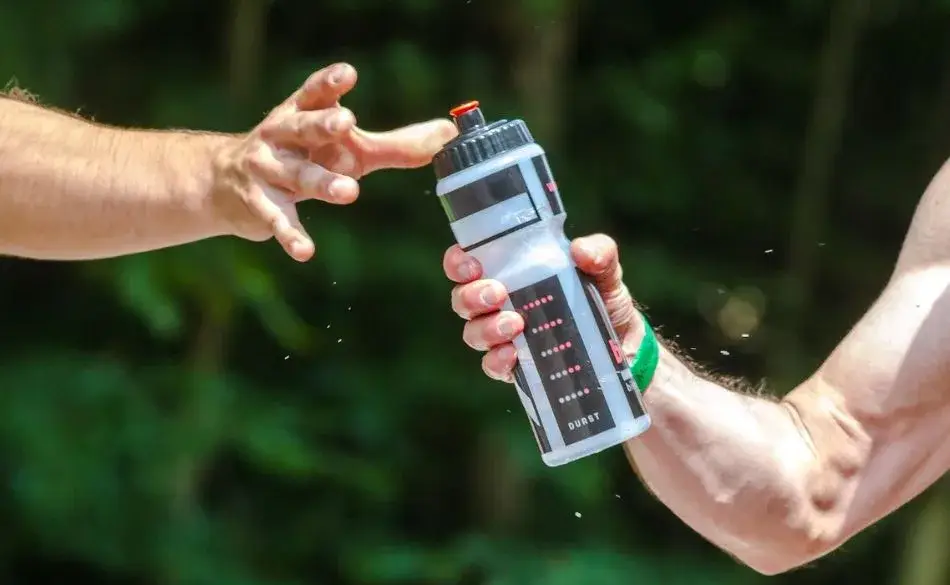
Hydration should be your first focus. During triathlon recovery, you replace both fluid and electrolytes. Water alone is not always enough. You lose salt in sweat, and without it, you may feel dizzy, flat, or get headaches. A sports drink, electrolyte tablets, or a light salty snack can help bring things back into balance.
Next comes fuel. Your body wants carbs to refill glycogen and protein to help muscle repair. This is where the best recovery foods for triathletes matter. Think about easy options you can handle when you feel tired. You do not need a perfect meal, just a helpful one.
Here is a simple plan you can follow in the first 24 hours:
- Drink a mix of water and an electrolyte drink in small sips.
- Eat a snack with carbs and protein within one hour of finishing.
- Take a short walk or light spin later in the day to keep blood moving.
- Aim for a full, balanced meal with lean protein, carbs, and some healthy fats.
- Go to bed a little earlier than normal to support deep recovery sleep.
These steps give your body clear signals to heal. When you follow them, the next few days feel smoother, your legs feel less heavy, and you are ready to build toward your next goal instead of just surviving it.


How Long Should You Rest After a Triathlon?
Knowing how long to recover after a triathlon depends on the distance you raced, your fitness level, and how well you handled the event. Your body goes through stress in every race, but the impact is very different between a sprint event and a half Ironman. Some athletes bounce back quickly. Others need more time. There is no single rule that fits everyone, but there are simple signs your body gives you if you know how to read them.
Your legs may feel heavy, your motivation may dip, or you might feel like everything takes more effort than normal. These are common signs that your system is still trying to clear out muscle damage and recover energy stores. This is also when many athletes make mistakes. They rush back into training because they feel excited or fear losing fitness, but this usually slows progress.
A good starting point is to listen to your body each morning. Ask yourself one question. Do you feel ready to move or do you feel drained? Your answer helps guide your next step. Light recovery days can help you feel better quicker. Too much too soon keeps you feeling flat longer.
Here are simple guidelines for typical race distances:
- Sprint Triathlon: 3 to 5 days of light activity
- Olympic Triathlon: 5 to 7 days before harder training
- Half Ironman: 10 to 14 days of controlled recovery
- Full Ironman: 2 to 3 weeks for full restoration
These ranges work well for most athletes, but recovery is not only about days. It is about how your body responds over time. Proper sleep, hydration, and nutrition speed up the process. Light movement also helps because it supports blood flow and reduces stiffness.
When you give your body the time it needs, you return to training feeling sharper, stronger, and more motivated. That is how long term progress really builds.
If you’d like guidance on how many training hours are recommended for different triathlon distances, this guide to training hours for triathletes helps you find a balance between training and recovery.
What Are The Best Active Recovery Workouts For Triathletes?
Many triathletes think recovery means doing nothing at all. Total rest has a place, but gentle movement often helps you feel better faster. This is where active recovery workouts become powerful. The goal is not to gain fitness. The goal is to support blood flow, reduce stiffness, and speed up muscle recovery without adding more stress.
Think of these sessions as a light massage for your whole body. You move just enough to wake up your muscles, but not enough to make them tired. If you finish feeling more fatigued than when you started, you went too hard. The best recovery work should leave you feeling looser, warmer, and calmer.
Here are simple active recovery ideas you can use during the week:
- Easy cycling on flat roads or indoors, keeping resistance low and cadence smooth.
- Gentle swimming with relaxed drills and plenty of rest between lengths.
- Short walks or light jogs where breathing stays easy, almost like a warm up.
- Mobility circuits that mix light stretching with controlled bodyweight moves.
You can also combine movement with breathing. Calm, slow breathing during these sessions helps your nervous system relax. This reduces tension and supports better sleep later. Many athletes notice that their next hard workout feels smoother when they keep these sessions truly easy.
Active recovery works best when it is planned into your triathlon recovery plan, not added at random. Choose one or two easy days each week where the only goal is comfort and circulation. Keep the total time shorter than your usual training. Focus on how your body feels, not on pace or distance.
When you treat recovery days as part of your training, not as a break from it, you protect your energy and reduce the risk of hitting a wall later in the season. This is how smart athletes stay consistent while others burn out.
If you want a simple way to use easy running as part of your recovery routine, this guide to recovery runs explains how to keep the effort light and the benefits high.
If you want help balancing training load, recovery, nutrition and race prep, the Half-Ironman Triathlon Training Plans from SportCoaching give you a clear roadmap suited to your fitness level and schedule.
You’ll get structured workouts, expert guidance and recovery strategies designed to help you stay strong and finish race-day ready without burning out.
View Half-Ironman Plans

Detailed Triathlon Recovery Table You Can Use Every Week
A smart recovery routine is easier to follow when you can see everything in one place. Many athletes struggle because they are not sure what to do each day, or they guess based on how tired they feel. That often leads to doing too much on the wrong days or not enough when the body really needs support. A simple table helps you understand the purpose of each recovery strategy so you can make better choices.
When you follow a structure like this, your triathlon recovery plan becomes clear and steady instead of random. You can see when you should focus on hydration, when food matters most, and when muscle care gives you the most benefit. You also avoid the fear of losing fitness because you know the purpose of every step.
This table works for sprint, Olympic, and half distance triathletes. If you have just completed a full Ironman, expect to stretch some of these days longer. Once you understand the structure, you can adjust based on how your body feels. The goal is not perfection. The goal is consistency.
For an easy way to boost recovery and reduce muscle soreness, check out this plunge recovery guide for triathletes to see if cold-water immersion might suit your routine.
Here is your weekly recovery framework:
👉 Swipe to view full table
| Category | What To Do | Why It Helps Recovery |
|---|---|---|
| Hydration | Replace fluids and electrolytes steadily through the day. | Supports triathlon hydration recovery and prevents fatigue from low sodium levels. |
| Nutrition | Eat balanced meals with carbs, protein, and healthy fats. | Refills glycogen and provides nutrients needed for muscle repair. |
| Mobility Work | 10 to 20 minutes of stretching and light mobility. | Helps reduce stiffness and supports long term flexibility. |
| Active Recovery | Short, easy swim, bike, or walk sessions. | Boosts blood flow without adding stress to sore muscles. |
| Sleep | Go to bed earlier and avoid late screens. | Improves hormone balance and supports muscle rebuilding. |
| Fuel Timing | Eat within one hour after long or hard sessions. | Supports best recovery foods for triathletes timing for faster energy restoration. |
| Intensity Control | Keep recovery week sessions short and easy. | Prevents early fatigue and protects long term performance. |
When you follow a table like this, you create a rhythm your body can trust. You feel calmer, more in control, and less stressed about what comes next. The structure builds confidence, and the confidence protects your energy. That is how sustainable recovery becomes part of your training instead of something you only think about after big sessions.
If you want to learn more about how cold therapy and heat therapy fit into your weekly recovery structure, this comparison of ice baths and saunas explains the pros and cons of each.

How Do You Know If You Are Fully Recovered After a Race?
Knowing when you are fully recovered after a race is one of the most important parts of being a triathlete. Your body goes through a heavy load during competition, and the stress does not disappear once you cross the finish line. Full recovery is more than having legs that feel normal. It means your muscles, energy systems, and nervous system are ready to train again without breaking down.
The tricky part is that recovery is different for everyone. Some athletes feel good within a few days. Others take longer, depending on fitness, distance, and how hard they pushed. The body sends clear signals when it is ready, but you need to know how to read them. Acting too soon can keep you tired for weeks.
A big sign of full recovery is feeling normal energy throughout the day. If you wake up refreshed, move easily, and feel steady during your daily routine, your system is restoring well. Your workouts also start to feel smoother. Your breathing relaxes, and your legs respond without that heavy, dragging feeling that shows up during early triathlon recovery.
You can check these simple indicators:
- Your legs feel light again during easy workouts
- Your motivation returns and training feels exciting
- Your resting heart rate is back to normal or slightly lower
- You can push slightly harder without feeling drained
- You sleep deeply and wake up without grogginess
When several of these signs appear together, your body is likely ready for structured training again. If even one of them seems off, it may be a clue that you still need more time, especially after long events where muscle recovery can take longer than expected.
Recovery is not only physical. Your mind also needs to reset. When your focus returns, your mood lifts, and workouts feel enjoyable again, you know both the body and mind are aligned.
If you’re preparing for a full Ironman and want a structured plan that balances tough training, recovery, nutrition, and race prep, check out the Ironman Triathlon Training Plans from SportCoaching for a program tailored to long-distance endurance athletes.
You’ll receive a long-term roadmap, performance-oriented workouts, and recovery strategies built to keep you strong, avoid burnout, and cross the finish line feeling powerful.
Explore Ironman Plans

What Role Does Nutrition Play in Faster Triathlon Recovery?
Nutrition is one of the most powerful tools you have for recovery, yet it is often the part athletes rush or overlook. Your body uses a huge amount of energy during a triathlon. Muscles burn through glycogen, tissues break down, and fluid loss increases. What you eat after the race decides how quickly you return to feeling strong and how well you recover in the days that follow.
The best post triathlon recovery plans start with simple choices. Your body wants carbohydrates to restore energy and protein to repair muscle fibers. Even small meals or snacks make a difference. Think about how you feel after eating something balanced. Your energy picks up, your mood lifts, and your legs feel a little more alive. That is your body responding to the fuel it needs.
Many athletes wait too long to eat after a race, but early timing helps more than most people realize. When you eat within an hour, your body restores glycogen at a faster rate. This is especially important after long events where energy stores drop very low. If you skip this window, you may feel sluggish the next day even if you rest well.
Here are simple nutrition steps that support faster recovery:
- Start with something easy to digest, like yogurt, fruit, or a protein-based drink
- Add a proper meal with carbs, lean protein, and healthy fats within two hours
- Include foods that reduce inflammation, such as berries, greens, and omega-3 rich fish
- Drink both water and electrolytes to maintain sodium balance
- Stop eating too late at night to support deeper sleep and better muscle repair
Good nutrition is not complicated. It is consistent. When you give your body the fuel it needs, every part of your recovery improves. Your energy rises, soreness fades quicker, and your mind feels clearer. Over time these small habits create big changes, helping you feel ready for training without dragging fatigue into the next session.

Conclusion - Your Recovery Is Part of Your Training Success
Recovery is not something you save for race day. It is the steady rhythm that keeps you training with energy, purpose, and confidence. When you give your body the time and support it needs, you are not slowing down your progress. You are building a stronger base for everything that comes next. This is what separates long lasting athletes from those who burn out too soon.
Think about how good it feels to wake up with light legs, steady energy, and excitement for your next session. That feeling comes from the choices you make after workouts and races. Hydration, sleep, gentle movement, and balanced meals may sound simple, but they are the real tools that protect your fitness. These habits turn stress into strength.
Your journey is not just about finishing races. It is about staying healthy enough to enjoy the sport for years. Whether you train for sprints, Olympic distance, or long course events, the same truth applies. Your best performances come from a body that is cared for, not pushed past its limits. Recovery gives you that foundation.
So ask yourself one more time. Are you giving your body what it needs to grow? If the answer is yes, then you are on the right path. If the answer is no, the good news is that you can start today. Small steps become daily habits, and daily habits become powerful results over time.