Why Run a Marathon in California?
Here’s the thing about California marathons, they’re not just about distance. They’re full-on experiences. You’re not just ticking off 26.2 miles, you’re running through postcard views with electric energy in the air.
Imagine this: You start your race with the sun rising over the Pacific, the breeze cool on your face, and the sound of waves crashing nearby. That’s not a fantasy, it’s what runners actually experience during events like the Big Sur International Marathon.
California offers variety like nowhere else. You can race through towering redwoods one weekend, then chase palm trees the next. And no matter where you go, the support is unmatched. The crowds here are loud, proud, and ready with high-fives and quirky signs (my favorite was, “You trained longer than most relationships last!”).
Another bonus? The weather. California’s climate is a runner’s dream. Cool mornings and low humidity help your body perform better, especially during the longer miles. It’s one of the big reasons so many people come here to chase a Boston Marathon qualifying time.
Let’s not forget post-race fun. California isn’t just about race day, it’s also what happens after. You can recover in a natural hot spring, tour a vineyard, visit Disneyland, or just kick your feet up on the beach. If you’re planning a runcation, this state practically plans it for you.
Still wondering if it’s worth traveling for? Think about this: Wouldn’t you rather train for months and celebrate in the sunshine rather than freezing rain? That’s what makes California marathons different.


What Are the Best California Marathons?
With dozens of marathons across the state, picking the best one can feel overwhelming. But some races truly stand out. Whether you want speed, scenery, or a lively crowd, California has something just right for you.
California International Marathon (CIM) – Sacramento
CIM is a favorite for runners trying to qualify for Boston. It’s a point-to-point race with a gentle downhill slope. The course is wide, the pace groups are strong, and the weather in December is cool and calm. It’s a perfect mix for fast times.
Big Sur International Marathon – Monterey to Carmel
If you want to run with a view, this is the one. You’ll race along Highway 1 with dramatic ocean cliffs on one side and green hills on the other. It’s challenging with hills and wind, but worth every step. The scenery helps you forget the burn in your legs.
Los Angeles Marathon – Dodger Stadium to Santa Monica
This is big, bold, and full of energy. The course winds through downtown LA, Hollywood, Beverly Hills, and finishes at the beach. You’ll hear music, see costumes, and feel the buzz the whole way. It’s a celebration of the city and its runners.
Napa Valley Marathon – Calistoga to Napa
For something quieter and more peaceful, Napa is ideal. You’ll run past vineyards and open spaces with very little traffic or noise. It’s well organized, with great aid stations and a calm, rural vibe.
San Francisco Marathon
This one is known for its mix of famous views and brutal hills. You’ll cross the Golden Gate Bridge, pass Fisherman’s Wharf, and climb through Golden Gate Park. It’s tough but unforgettable. If you love a challenge, this one’s for you.
Pace Breakdown for a 5 Hour Marathon
Knowing your exact splits can make a huge difference in how you train and race. A 5 hour marathon pace requires you to average 11 minutes and 27 seconds per mile. But what does that look like over time?
Here’s a breakdown of key mileage markers, along with time checkpoints to help you stay on track:
| Mile Marker | KM Marker | Elapsed Time (hh:mm) | Pace per Mile | Pace per KM | Tip at This Point |
|---|---|---|---|---|---|
| 5 miles | 8 km | 0:57 | 11:27 | 7:06 | Settle into rhythm. Breathe and stay relaxed. |
| 10 miles | 16 km | 1:54 | 11:27 | 7:06 | Stick to fueling plan. Stay consistent. |
| 13.1 miles (Half) | 21.1 km | 2:30 | 11:27 | 7:06 | You’re halfway. Reset focus and keep steady. |
| 20 miles | 32 km | 3:49 | 11:27 | 7:06 | The wall approaches. Stay fueled and alert. |
| 26.2 miles | 42.2 km | 5:00 | 11:27 | 7:06 | Finish strong. Soak in your achievement. |
Using this chart as part of your training and race-day pacing strategy helps reduce stress and boosts confidence. You can even print it, wear a pace band, or set your watch to alert you at each split. The more familiar these numbers feel, the more likely you are to stay on track.


Which California Marathon Is Right for You?
With so many amazing options, how do you know which marathon fits your needs? Choosing the right race can make or break your experience. The good news is, California offers something for everyone, from total beginners to seasoned marathoners chasing their next big goal.
Start with your running style. Are you chasing a personal record or just hoping to finish strong? If speed is your thing, you’ll want a flat and fast course like the California International Marathon. It’s perfect for a smooth, steady pace with minimal hills.
Looking for a fun, laid-back atmosphere? Try the Surf City Marathon in Huntington Beach. It’s got a beachy vibe, coastal breezes, and plenty of energy. Plus, the flat course makes it beginner-friendly. I ran it one year and remember high-fiving a surfer in flip-flops at mile 10. That’s the kind of race it is.
If scenery matters most, the Big Sur International Marathon is hard to beat. Yes, it’s hilly and a little more challenging. But running past rugged cliffs and crashing waves is something you’ll never forget. You won’t be checking your watch, you’ll be soaking in the view.
Prefer a smaller crowd? Check out Napa Valley or Santa Rosa. These quieter races have a relaxed feel and less hustle at the start. If you get overwhelmed by big events, these are a breath of fresh air—literally.
Think about your training too. If you live in a flat area, jumping into a hilly race might be tough. Match your marathon to the terrain you know best. Or, if you’re looking for a challenge, pick a course that pushes you a little out of your comfort zone.
Ask yourself this: What kind of running experience do I want to remember? The right marathon isn’t just about distance. It’s about the feeling it leaves behind.


How Should You Train for a California Marathon?
Training for a marathon in California isn’t one-size-fits-all. Because the terrain and weather vary across the state, your approach should match your specific race. That means training smarter, not just harder.
Start by studying the course. A flat route like CIM will require a different plan than a hilly one like Big Sur. For flat races, focus on pacing and endurance. You’ll want to get used to running steady for long periods without breaks or terrain changes.
For hilly courses, mix in hill repeats and downhill running to strengthen your legs and prevent soreness. I once skipped downhill practice before a trail-heavy race and couldn’t walk right for three days. Don’t make that mistake. Downhills require just as much training as uphills.
Weather prep matters too. California is known for its sunshine, but not every race has perfect weather. Some, like LA or Surf City, can get warm by late morning. Others, like San Francisco or Big Sur, might be foggy and windy. Try to mimic those conditions during your long runs so nothing surprises you on race day.
Your gear should fit the race. For warmer events, wear breathable, light clothing and a hat. For coastal or mountain races, pack layers and a windbreaker just in case. And always train with the same gear you’ll race in (especially your shoes). A new pair of socks on race day can turn into a disaster if they cause blisters.
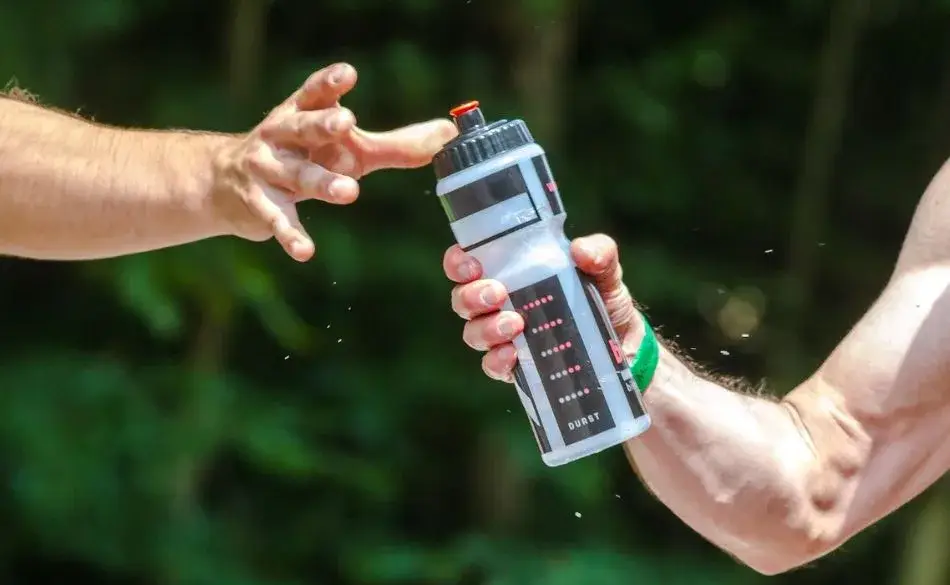
Another key point: hydration. Many runners forget to practice drinking on the run. Don’t wait until race day to try your fuel strategy. Carry water or use aid stations during your training runs. It builds both comfort and confidence.
In short, train like you race. Match your plan to your course, climate, and comfort level. That’s how you show up strong at the start and still smiling at the finish.
Need a structured schedule? Check out our 8‑Week Marathon Training Plan for detailed pacing, workouts, and recovery strategies.
Just starting out? Our 16‑Week Beginner Marathon Plan is built to build fitness safely and keep you confident to the finish line.

What Makes California Marathons So Popular?
There’s a reason runners from all over the world flock to California. In fact, there are a few. The weather, the scenery, the energy – each piece adds up to something special. Once you’ve run a marathon here, it’s easy to see why so many runners come back year after year.
First, let’s talk about the atmosphere. California knows how to host a race. Whether it’s a massive city event like the Los Angeles Marathon or a peaceful, wine-country run in Napa, each race brings a unique vibe. You’ll find live music, costumed cheer squads, and finish lines that feel more like festivals than fences.
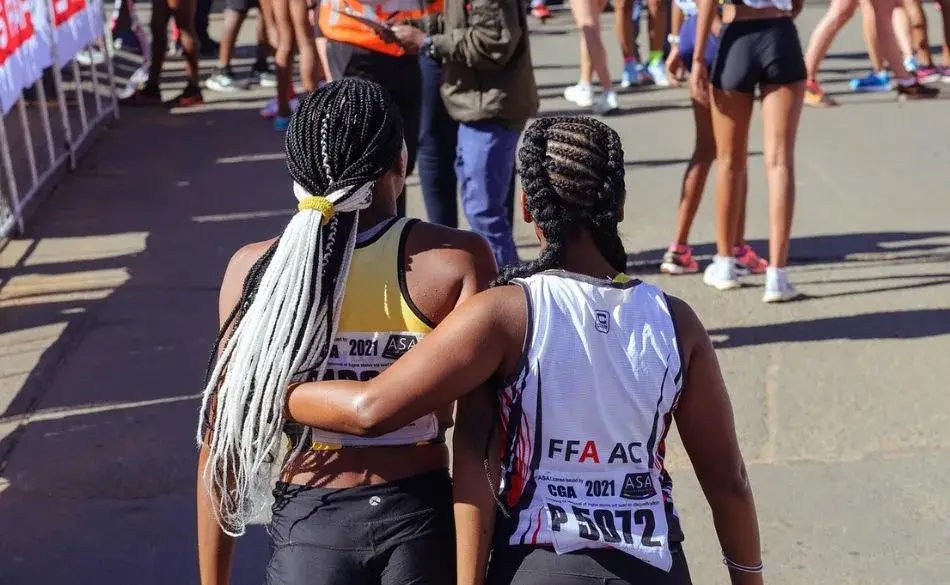
The crowd support is next-level. People line the streets with cowbells, funny signs, and words of encouragement. Some even hand out orange slices, popsicles, or extra water. It’s that kind of community spirit that gives you a second wind right when you need it most.
California’s natural beauty is another big draw. Not every state lets you run along the ocean, through forests, or beside rolling vineyards. From sunrise over the Golden Gate Bridge to waves crashing below Highway 1, these courses offer more than just steps. They offer stories.
And then there’s the race calendar. California has events all year long. You’re not limited to just spring or fall. If you need a winter marathon, you can run in December without worrying about snow. If you prefer a summer race, coastal breezes keep things manageable.
Many runners turn their race into a mini-vacation. Think about it. Finish your marathon, then head to the beach, go wine tasting, or hike in a national park. The options are endless. Your hard-earned medal feels even better when you’re watching the sunset with your feet in the sand.
Want to feel that rush on race day? Check out 10 Proven Benefits of Interval Running—it’ll improve your speed and endurance on any course.


Pros and Cons of Running a Marathon in California
California marathons are amazing, but they’re not perfect. Like any big commitment, it helps to look at both sides before signing up. Whether you’re racing for the views, the vibe, or a personal best, knowing the pros and cons can help you make the right choice.
Let’s start with the positives. The scenery is hard to beat. You can run along cliffs, through forests, across bridges, or past beaches. It’s like sightseeing on foot. Many runners say they forget they’re even racing because they’re so caught up in the views. That’s powerful motivation when things get tough.
The weather is another big win. Most races happen in mild, dry conditions. That’s a dream scenario for marathoners. No snow, little humidity, and temperatures that help you stay comfortable longer. It’s one of the reasons so many people try to qualify for Boston at events like CIM.
Organization and support are top-tier too. California races often have excellent aid stations, well-marked courses, strong volunteer turnout, and smooth logistics. That makes a huge difference, especially for first-timers.
Now for the not-so-great stuff. Cost can be a factor. Some of the bigger marathons in California have high entry fees. Add in travel, hotels, and gear, and it can get pricey fast. That said, many runners see it as a vacation and race rolled into one.
Another challenge? Hills. Not every race is flat. Courses like Big Sur or San Francisco will test your legs. If you don’t train for those climbs, you’ll feel it by mile 18. Make sure your training matches your race choice.
Bottom line: The good far outweighs the bad for most runners. But being prepared for both helps you get the most out of your race and your California adventure.
Curious how much fuel you’ll need? Our guide on Calories Burned During a Marathon gives you real numbers and fueling advice.
Top California Marathons at a Glance
| Marathon | Location | Time of Year | Course Type | Runner Vibe |
|---|---|---|---|---|
| California International Marathon (CIM) | Sacramento | December | Flat, Fast | Boston Qualifiers, Serious Runners |
| Big Sur International Marathon | Monterey to Carmel | April | Hilly, Coastal | Scenic Seekers, Challengers |
| Los Angeles Marathon | Los Angeles | March | Rolling Urban | Lively, First-Timers, City Lovers |
| Napa Valley Marathon | Napa | March | Gentle Hills | Peaceful, Wine Lovers |
| San Francisco Marathon | San Francisco | July | Hilly, Iconic Views | Challengers, Sightseers |

The Finish Line: One Final Thought
Running a California marathon is about more than medals or mile markers. It’s about pushing yourself while surrounded by beauty, energy, and community. It’s about training through the ups and downs, showing up on race day, and crossing a finish line you’ll never forget.
I still remember my first marathon in California. It wasn’t my fastest. In fact, I hit the wall hard around mile 22. But something about the ocean breeze, the sound of cheering strangers, and the sunshine on my back kept me going. When I crossed that line, I felt something shift. I knew I wanted to do it again.
If you’re on the fence, here’s the truth: You don’t have to be fast. You don’t have to be perfect. You just have to start. Whether you run for time, for peace of mind, or just to prove you can, California is one of the best places to do it.
So what’s holding you back? Pick a race that excites you. Plan your training around your life. And when the day comes, trust your legs and enjoy the view.
Because in California, the miles go by a little differently. They come with sunrises over vineyards, fog over bridges, waves along the shoreline, and strangers who believe in you even when you’re not sure you do.