What Experience Does the Coach Have With Athletes Like You
Choosing a triathlon coach is not only about how many years they have been coaching. What matters even more is whether they have coached athletes who share your background, goals, and lifestyle. Every triathlete is different. Some juggle long work hours. Some struggle with swim confidence. Some aim for an Ironman. Others just want to enjoy training without burning out.
When you ask about experience, focus on how well the coach understands the type of athlete you are. A coach may have impressive race results but very little experience guiding beginners. Another may specialise in advanced age group athletes but not everyday triathletes who need flexible planning. You want someone who knows how to help athletes in your situation, not someone who uses a one size fits all model.
Think about your own training story. Are you starting from scratch, or do you have years of racing behind you. Are you mainly interested in improving your swim, or do you struggle more with run pacing. Your coach should have a history of helping athletes handle similar challenges. This helps you feel supported from day one.
Here is a simple way to see if you are a good match. Ask for a few examples of how the coach has helped past athletes overcome common roadblocks. For example, many people need help with balancing training and life. Others need help with smarter pacing or structured triathlon training that prevents burnout. These stories show you how the coach adapts planning and support in the real world.
You can also ask how the coach stays current. Triathlon training changes every year. Many coaches now use data driven methods, wearable tech, and performance tracking to guide progress. A coach who keeps learning can adjust your triathlon training programs in smart ways based on new research and proven practices.
By the end of this conversation, you should feel clear and confident. If the coach understands your needs and has real experience with similar athletes, you are starting your journey on strong ground.
If these questions helped you see what matters when choosing a coach, take the next step with the Triathlon Coaching Program from SportCoaching. Our approach focuses on understanding your background, your lifestyle, and your goals so your plan always feels realistic and achievable.
You’ll get personalised guidance, clear communication, flexible planning, and data-driven feedback to help you grow with confidence. If you’re ready for a coaching relationship that fits the way you train and live, this is a great place to begin.
Start Your Coaching Journey

How Does the Coach Communicate and Give Feedback
When you work with a triathlon coach, communication is just as important as the training plan itself. You are not only paying for workouts. You are paying for guidance, feedback, and support when life or training does not go to plan.
Start by asking how often the coach checks in with you. Some triathlon coaching services include weekly calls or detailed messages. Others rely mainly on comments inside training software. Neither is right or wrong, but you need a style that matches how you like to learn and stay motivated.
If you are considering an online triathlon coach, this becomes even more important. You will not see them in person, so the way they explain your sessions, review data, and answer questions must feel clear and timely. Ask yourself a simple question. Would you feel comfortable sending this person a message on a hard day and trusting their answer.
It also helps to ask how the coach gives feedback on your mistakes. A good coach will not just say “do better next time.” They will explain what went wrong and how to fix it in simple, practical steps. This is where real triathlon performance improvement happens over time.
To make this clear, you can ask things like:
- How quickly do you usually respond to athlete messages.
- Do you give written feedback on key sessions each week.
- How do you handle changes when work, family, or illness gets in the way.
These questions help you see if the coach offers the level of contact you need. Some athletes want regular check ins and reassurance. Others are more independent. The right coach will be honest about their style, so you know if their triathlon coaching services match your personality before you commit.


What Kind of Training Philosophy Does the Coach Follow
Every triathlon coach has a training philosophy, even if they do not label it as one. Some believe in higher volume to build endurance. Others focus on intensity and shorter, smarter sessions. Some lean heavily on data. Others use a more intuitive style built on communication and feel. None of these approaches are wrong, but one of them will suit you better than the rest.
Here is where many athletes get caught out. They choose a coach with a method that does not match their personality or schedule. For example, if you have a busy job and a family, a high volume plan may leave you drained and frustrated. If you enjoy structure and numbers, a coach who avoids data might not give you the feedback you are looking for. This is why asking about philosophy early prevents problems later.
You can begin by asking how the coach balances swim, bike, and run across the week. Some coaches use a rotating focus. Others build all three disciplines evenly. You can also ask how they reduce injury risk, how they structure rest, and how they build confidence in weaker disciplines. This gives you valuable insight into the way they design structured triathlon training for long term success.
Here are a few useful questions that help reveal a coach’s true approach:
- Do you believe in periodised training or do you prefer a more flexible weekly cycle.
- How do you adjust sessions when life becomes unpredictable.
- What role do heart rate and power data play in your planning.
- How do you guide athletes through mental blocks or low motivation phases.
These questions help you understand whether their approach feels clear and supportive. Your coach should have a philosophy that feels simple enough to follow yet strong enough to build your fitness safely. When their method matches your lifestyle, your goals, and your personality, you give yourself the best chance of steady progress with fewer setbacks.
Discover the Half Ironman Training Plans (70.3) from SportCoaching. Whether you’re tackling your first 70.3 or pushing for a new personal best, our tailored program helps you train smarter, not harder.
Get access to custom-built plans, expert coaching analysis, and flexible support that fits your life. Stay consistent, gain confidence, and cross the finish line stronger than you ever imagined.
Start Your 70.3 Journey Today

How Will the Coach Personalise Your Training Plan
A great triathlon coach does more than hand you a generic schedule. They build a personalised triathlon training plan that fits your life, not the other way around. This is where real progress begins. Your work hours, sleep, travel, family time, and stress levels all affect how well you recover and train. If a coach ignores these things, even the best plan will feel impossible to follow.
The first thing to look for is how the coach gathers information about you. Do they take time to ask about your background, injury history, strengths, and fears. Do they want to know what motivates you. A coach who listens before writing anything down is usually someone who will build training around your real needs.
This is even more important if you are new to the sport or using beginner triathlon coaching. You may not know your limits yet. You may be unsure about pacing or technique. A personalised plan should help you learn, not overwhelm you. Good coaches also adjust your training based on feedback and performance data so you are never stuck following the same pattern when your body needs something different. If you’re curious about how online models differ and how to evaluate them realistically, check out our article The Truth About Online Triathlon Coaching, which explains how virtual and in-person planning compare.
To help you see how personalisation works, look for clues in how the coach answers these questions:
- How do you adjust sessions if I miss a workout or feel unusually tired.
- What happens during a busy work week when I cannot follow the full plan.
- Do you personalise training zones using heart rate or power testing.
- How do you progress sessions from month to month for long term growth.
These questions reveal how flexible the coach truly is. A coach who adapts your plan when life gets messy gives you a better chance of staying consistent and injury free. When your plan fits your schedule and your energy levels, you experience smoother progress and a deeper belief in your ability to improve.

Does the Coach Use Data and Technology to Guide Your Progress
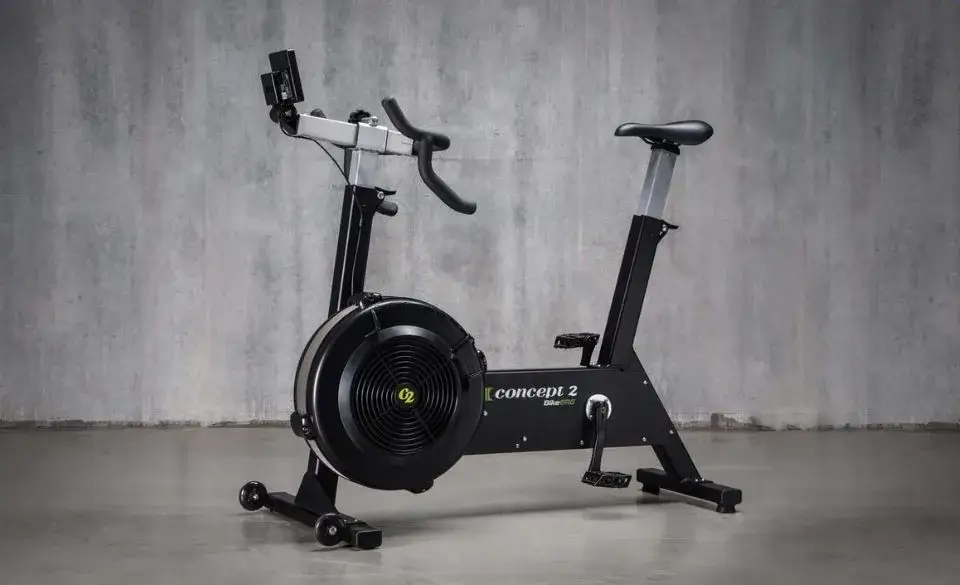
Modern triathlon training uses far more than guesswork. Many athletes now rely on data from watches, power meters, and training platforms to understand how their body responds to stress. A skilled triathlon coach knows how to read this information and turn it into practical adjustments that help you improve safely. This does not mean you need to love numbers. It simply means your coach should understand how to use data without overwhelming you.
Coaches who work as an online triathlon coach often use tools like TrainingPeaks, Garmin Connect, or other software to track your fitness. These tools show your training load, recovery, heart rate patterns, and pacing trends. When a coach understands these patterns, they can adjust your training before problems appear. This is one of the biggest benefits of data driven coaching.
However, data is not everything. You want a coach who also listens to how you feel. Some days the numbers say you are ready, but your body says otherwise. A good coach knows how to balance both sides. This helps prevent overtraining, burnout, and unnecessary injuries.
Here are helpful questions you can ask to see how a coach uses technology:
- Which platforms do you use to track athlete progress.
- How do you analyse data after key sessions.
- Do you adjust plans based on changes in sleep or stress.
- How do you balance data with athlete feedback.
These questions show you how the coach blends science with real world understanding. When used well, technology becomes a tool that supports your triathlon performance improvement rather than something that confuses you. You should walk away feeling confident that your coach understands the numbers but still sees you as a person, not a dataset.
Explore the Ironman Training Plans from SportCoaching. Whether you’re training for your first full distance or chasing a new personal best, our program gives you the smart structure and support you need.
Get a plan that fits your life, backed by experienced coaches, data-informed training and flexible adaptation. Stay motivated, build endurance, and finish your Ironman with strong legs and a confident mind.
Start Your Ironman Journey
What Support Does the Coach Offer Outside of Training Sessions
Good coaching is not just about workouts. It is about the support that helps you stay motivated and confident when life becomes busy or training feels tough. Before choosing a triathlon coach, you should ask what kind of help they offer beyond writing the plan.
Some coaches give weekly check ins. Others offer calls, video reviews, or detailed messages. Some specialise in guiding athletes through mental blocks. Others help you organise your race calendar or adjust sessions during stressful periods. This level of care can make a big difference during long training cycles, especially when fatigue builds.
You can also ask if the coach offers nutrition guidance, strength plans, or recovery advice. Many triathlon coaching services include these extras, while others focus strictly on swim, bike, and run. If you struggle with time management, pacing confidence, or staying consistent, these additional support areas can be very helpful. If you want support that includes local knowledge and personalised guidance, you can explore our Wellington triathlon coaching to see how regional training insight can complement your goals.
Here are useful things to ask during your first conversation:
- Do you help athletes with race planning or taper strategies.
- Can I message you when I feel unsure about a session.
- Do you offer strength work or stretching routines.
- How do you help athletes when motivation drops.
Support outside of training builds trust. You want to feel like your coach is in your corner, especially on the days when training feels heavy. A coach who offers timely guidance will help you stay calm, focused, and ready to grow. When you know your coach supports you beyond the workouts, it becomes easier to believe in the process and stay committed through every part of your season.
You can also ask if the coach offers nutrition guidance, strength plans, or recovery advice. Many triathlon coaching services include these extras, while others focus strictly on swim, bike, and run. If you struggle with time management, pacing confidence, or staying consistent, these additional support areas can be very helpful. For athletes looking for expert help within Australia, our Sydney triathlon coaching with an experienced coach can offer local insight and personalised support tailored to the demands of your region.
How Does the Coach Handle Training Adjustments When Life Gets Busy
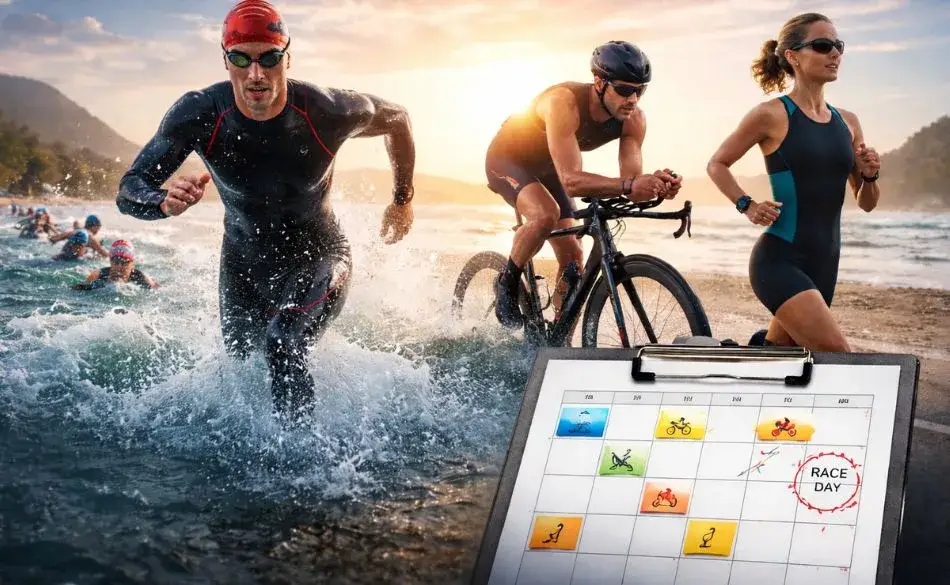
No athlete follows a plan perfectly. Work deadlines, family events, illness, travel, and unexpected stress all affect your training rhythm. A good triathlon coach understands this and knows how to adjust your schedule without making you feel guilty or overwhelmed. Training should support your life, not compete with it.
This is one of the most important things to ask about early. Some coaches stick tightly to the plan, even when you clearly cannot complete it. Others offer flexible solutions and help you stay consistent through busy weeks. A coach who adapts quickly helps you avoid burnout and keeps you progressing even when life becomes unpredictable.
One of my athletes, Liam, once reached out during a heavy work week. He was trying to juggle early mornings, a long commute, and the pressure to hit every session. Instead of pushing harder, we cut the week down to shorter focused workouts. Liam finished the week feeling more confident, not defeated. This is what smart training looks like in real life.
Here are the questions that reveal how flexible a coach truly is:
- What happens when I need to miss more than one workout in a week.
- Can you adjust sessions quickly when something unexpected comes up.
- How do you prevent athletes from doing too much when they fall behind.
- Do you rewrite the week or help me choose the most important sessions to keep.
Flexibility does not mean lowering standards. It means using smart planning to keep your body healthy and your confidence steady. A coach who understands your lifestyle can help you stay on track even when training gets tough. When you find someone who works with your schedule instead of against it, you give yourself the best chance of long term success and steady triathlon performance improvement.


How Does the Coach Compare Different Training Approaches for Your Goals
When you look for a triathlon coach, it helps to understand how they compare different training methods. Every athlete needs a balance of volume, intensity, recovery, and skill work, but the ideal mix depends on your goals. Someone training for their first sprint race needs a different approach than someone preparing for a full Ironman. A coach who can explain these differences clearly will help you feel confident in the plan they create.
Many triathlon coaching methods fall into three broad categories. Some coaches focus on endurance building. Others use intensity based sessions to save time. Some prefer a hybrid approach that adjusts week by week. Understanding how each method works gives you a clearer sense of whether the coach is the right fit for your training style.
The table below helps you see how different training styles compare. This is useful when you ask coaches about their planning style and the reason behind each type of workout. Seeing the strengths and limits of each method can help you choose a coach whose approach feels both realistic and motivating.
👉 Swipe to view full table
| Training Method | Best For | Strengths | Limitations |
|---|---|---|---|
| High Volume Endurance | Athletes aiming for long distance events | Builds strong aerobic base and improves pacing control | Time consuming and harder for busy schedules |
| Intensity Focused | Athletes with limited weekly hours | Improves speed and fitness with shorter sessions | Can increase fatigue if recovery is not well planned |
| Hybrid Structured Training | Most athletes seeking balanced progress | Mixes smart volume with key higher intensity work | Requires careful monitoring to avoid overload |
This comparison helps you ask better questions during your first conversation with a coach. You can quickly see whether their approach feels realistic for your lifestyle and your goals. A good coach should be able to explain which method they prefer, how they adapt it to you, and why it will help your triathlon performance improvement over time.


Does the Coach Help You Build Confidence in Your Weakest Discipline
Most triathletes have one discipline that causes the most stress. It might be swimming if you feel nervous in open water. It might be cycling if you worry about pacing or hills. It might be running if you struggle with fatigue at the end of a race. A skilled triathlon coach should know how to help you build confidence in your weakest area, not just make your strengths stronger.
This is where coaching becomes personal. A coach who listens closely will understand whether your weakness is physical, technical, or mental. For example, some athletes need help with swim technique, while others simply need more time in the water to build comfort. Some athletes fear pushing on the bike, while others lack clear pacing skills. These differences matter, and your coach should tailor your triathlon training programs around them.
Here are helpful signs that a coach is serious about improving your weaker discipline:
- They ask which part of the race feels hardest for you and why.
- They design sessions that focus on skills as well as fitness.
- They offer simple cues so you can improve without overthinking.
- They adjust intensity to match your confidence level so progress feels steady.
Many athletes struggle because their plan includes equal focus across swim, bike, and run, even when one area needs extra attention. Confidence does not come from doing everything at the same level. It comes from targeted practice that feels safe, clear, and achievable. A coach who takes time to understand your fears and design training around them will help you grow faster and enjoy the sport more.
When your weakest discipline begins to feel smoother and more manageable, the entire triathlon experience becomes more enjoyable. You feel lighter during training, calmer before races, and more capable when challenges appear. That is the sign of a coach who truly understands what you need to keep improving.


How Does the Coach Prepare You for Race Day Success
Training is only part of the journey. A great triathlon coach also helps you feel confident, organised, and ready when race day arrives. Many athletes underestimate how important this support is. A well planned race week can make you feel calm, focused, and energized. A poorly planned one can leave you stressed, tired, and unsure of what to expect.
Your coach should guide you through tapering, pacing, nutrition, and mental strategies. They should also help you understand what race morning will feel like. The noise, the cool air, the buzz of athletes moving toward the water all create a powerful experience. Feeling prepared for that atmosphere helps you start the race with confidence instead of nerves.
Here are useful things to ask:
- Do you teach pacing strategies for all three disciplines.
- How do you help athletes avoid going out too fast.
- Do you explain nutrition for race week and on course fueling.
- How do you prepare athletes mentally for tough moments during the race.
Good coaches also review the course map with you. They point out the cold water sections, the rougher climbs, and the final run stretch so you can picture each moment ahead of time. This builds trust and makes race day feel more familiar, even if you have never seen the course before.
When a coach prepares you well, you stand on the start line feeling calm and focused. Your breathing feels steady. Your plan feels clear. You understand when to push and when to hold back. This level of preparation does more than improve performance. It makes the whole experience more enjoyable, and it gives you the confidence to take on bigger goals in the future.
Good coaches also review the course map with you. They point out the cold water sections, the rougher climbs, and the final run stretch so you can picture each moment ahead of time. This builds trust and makes race day feel more familiar, even if you have never seen the course before. If you want support that includes hands on guidance and detailed planning, you can explore our Melbourne triathlon coaching to see how local training options can complement your race preparation.

What Long Term Development Does the Coach Focus On
A strong triathlon coach does not think only about the next race. They think about how you can keep improving year after year. This long term approach is important because triathlon fitness builds slowly. Real progress comes from steady training, smart rest, and clear planning across multiple seasons. When a coach looks beyond short term results, they help you grow with less stress and fewer setbacks.
One of the first things to ask is how the coach structures the year. Do they plan in seasons. Do they build clear phases of training. Do they help you recover fully before starting the next block. A coach who understands long term progression will guide your structured triathlon training in a way that keeps you improving without burning out.
Here are helpful things to ask when discussing long term development:
- How do you plan training across a full year or season.
- Do you review progress regularly and make adjustments.
- How do you avoid repeated injuries or overuse issues.
- How do you rebuild motivation after big races.
Long term coaching is not only about fitness. It is also about teaching you skills that last. Pacing, open water confidence, stronger bike technique, and better running form all improve gradually. A coach who takes time to build these foundations will help you become a more complete athlete over time.
When you commit to long term development with the right coach, training becomes more stable and predictable. You see improvement not just in speed but also in confidence and consistency. You feel more in control of your journey, and each season builds on the last with a deeper sense of purpose and direction.
Discover the Other Triathlon Training Plans from SportCoaching. Whether you’re aiming for a sprint, an Olympic-distance triathlon or simply want structured training between major races, our plans cover all levels.
Get a plan that fits your schedule, boosts your swim-bike-run balance and keeps your training fresh. With flexible support and expert guidance, you’ll stay consistent, confident and ready for your next goal.
Explore All Plans Now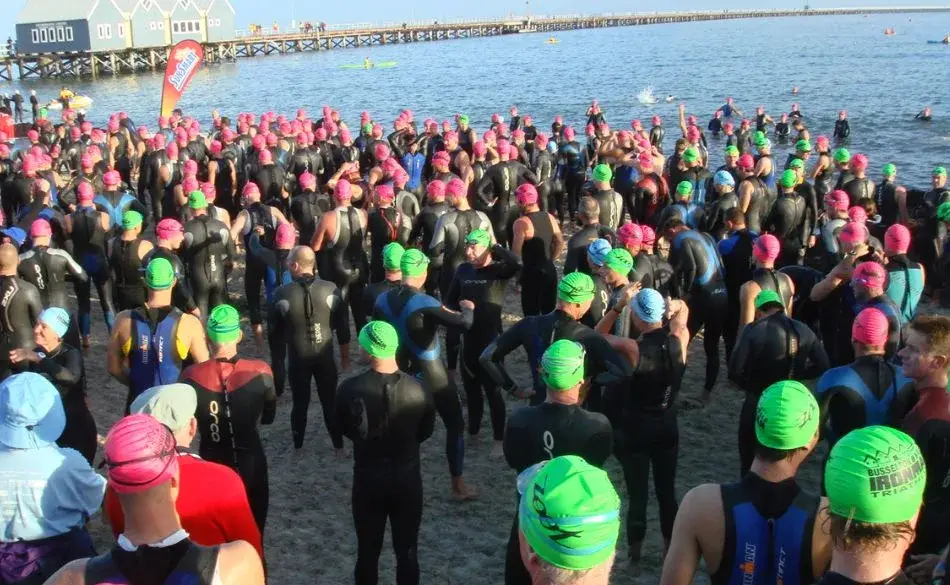

How Do You Know If the Coach Is the Right Fit for You
After talking with a triathlon coach, reviewing their style, and asking clear questions, the final step is simple. You need to feel comfortable with them. Skill and experience matter, but trust matters just as much. You should feel like you can be honest about your struggles, ask questions without fear, and share your goals without judgment. When this connection feels natural, coaching becomes easier and far more effective.
Start by thinking about how the conversation made you feel. Did the coach listen closely. Did they explain things in a way that made sense. Did they show real interest in your goals. These things tell you more about the coaching relationship than any certification or training plan.
Here are helpful signs that you have found a good coaching match:
- You feel understood and supported during the first conversation.
- The coach explains training clearly without making things confusing.
- You feel comfortable asking questions, even simple ones.
- The coach adapts to your lifestyle instead of expecting perfection.
Good coaching feels like teamwork. You bring your effort, discipline, and honesty. The coach brings structure, guidance, and experience. When both sides work well together, training becomes smoother and more enjoyable. You make progress without feeling rushed, and you stay motivated through tough weeks and long seasons.
Choosing the right coach is not about finding the most impressive credentials. It is about choosing someone who helps you feel confident, focused, and ready to grow. When the fit feels right, you will look forward to training, trust the process, and discover what you are truly capable of achieving.

What This All Means for Your Coaching Choice
Choosing the right triathlon coach is one of the most important steps you can take in your journey as an athlete. The questions you ask now can shape your confidence, your progress, and the way you experience training in the months ahead. When you find a coach who listens, supports you, and understands your goals, the whole process feels lighter and more enjoyable.
You deserve guidance that fits your life and your personality. You deserve someone who helps you grow at your own pace while still pushing you toward new goals. Take your time, trust your instincts, and choose the person who makes you feel clear and capable.
When the fit is right, training becomes more than a plan. It becomes a path that helps you enjoy the sport, build strength, and discover what you are truly capable of achieving.