Want help turning consistency into progress? Coaching keeps your training simple, structured, and sustainable.
Start Coaching →
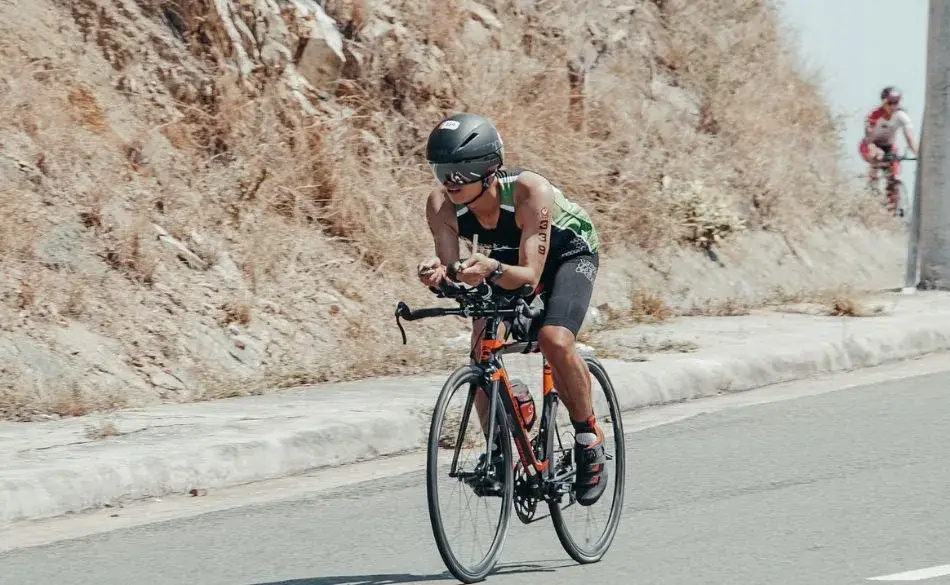
Triathlete showing how to conquer Ironman runs with the right pacing strategy

Last updated:

Conquer Ironman Runs — Real Strategies to Crush Fatigue and Cross the Line Strong

The Ironman run is where dreams are tested and champions are made. After hours in the water and on the bike, you hit the pavement for a full marathon, tired, hungry, and chasing one final goal: the finish line. This isn’t just a run; it’s a battle of mind over muscle. Whether you’re tackling your first Ironman full-distance run or chasing a personal best, pacing, nutrition, and preparation will decide how your story ends. In this guide, you’ll learn proven Ironman run strategies, insider coaching tips, and real methods to help you push through fatigue and finish stronger than you ever imagined.
Chat with a SportCoaching coach

Not sure where to start with training?

Tell us your goal and schedule, and we’ll give you clear direction.

No obligation. Quick, practical advice.

Article Categories:

Explore our triathlon training articles for more helpful articles and resources.

What Makes Ironman Runs So Challenging?

When most people think of the IRONMAN, they picture the long swim or endless bike leg. But the real test begins when your feet hit the road. The Ironman run leg comes after nearly six hours of swimming and cycling for many age-group athletes. That means you start the marathon already fatigued and often dehydrated.

Your muscles are heavy from pedaling, and your glycogen stores are running low. The body’s energy balance has shifted, which is why even experienced triathletes struggle with pacing. A smart Ironman run pacing strategy can make the difference between running strong to the finish or walking through the final 10 kilometres.

Let’s be honest, this part of the race feels different from a standalone marathon. During a regular marathon, you start fresh and fully fueled. In an Ironman full distance run, you begin with cumulative fatigue and a digestive system that’s been working for hours. That’s why fine-tuning your Ironman run nutrition becomes crucial. Even a small mistake with fuel or hydration can end your day early.

Key Factors That Make the Ironman Runs Tough

  • Energy depletion: After 180 km on the bike, carbohydrate stores are nearly empty.
  • Heat and humidity: Many races take place in hot conditions, causing core temperature to rise quickly.
  • Muscle breakdown: Prolonged cycling loads the quads, which limits stride efficiency.
  • Mental fatigue: Hours of focus during the swim and bike drain concentration before the run even starts.
  • Gut distress: A combination of gels, heat, and dehydration challenges digestion.

The good news? Each of these challenges can be managed with the right Ironman run preparation. In the next section, you’ll learn how to train your body to handle fatigue and still deliver a confident, consistent marathon performance.

If you’re curious which events push these limits even further, check out our guide on the toughest Ironman races in the world. It highlights courses known for brutal heat, steep climbs, and marathon runs that test every ounce of endurance you’ve built.

Ready to Turn Your Ironman Run Into a Race-Winning Strength?

You’ve learned how pacing, nutrition, and smart preparation make the difference in your marathon leg. Now take the next step with personalized guidance. Our Triathlon Coaching programs are built by experienced endurance coaches to help you run stronger off the bike, pace smarter, and recover faster across every discipline.

  • ✔ One-on-one coaching tailored to your Ironman distance and goals
  • ✔ Structured swim, bike, and run sessions focused on balance and efficiency
  • ✔ Expert pacing, nutrition, and recovery strategies for peak performance

Build the strength, strategy, and confidence to make your Ironman run the highlight of your race. Train with SportCoaching.com.au and reach your next level.

View Triathlon Coaching

Building the Perfect Ironman Run Training Plan

The secret to mastering the Ironman run isn’t just about running more miles; it’s about training smarter. A strong Ironman run training plan builds endurance, strength, and mental resilience without pushing your body past its limits. The goal is to teach your legs how to run efficiently after the bike  (when fatigue is already knocking at the door).

Every training block should simulate the stress of the triathlon run leg Ironman. That means brick sessions, where you run immediately after cycling, should become your best friend. These workouts train your muscles to adapt to the transition from pedaling to running upright, improving stride rhythm and efficiency. This is how you prepare for that tough Ironman run-off-the-bike feeling that catches so many athletes off guard.

Key Components of a Solid Ironman Run Training Plan:

  • Base endurance: Build aerobic capacity through steady, long runs at low intensity.
  • Brick workouts: Run short distances after cycling to strengthen neuromuscular coordination.
  • Race-pace efforts: Include segments at target Ironman run pace to fine-tune rhythm and heart rate control.
  • Strength and mobility: Focus on glute, hip, and core exercises to improve running stability late in the race.
  • Recovery runs: Schedule easy sessions to allow muscle repair and maintain efficiency.

One athlete I coach, Sarah, struggled during her first race because her pacing dropped drastically after the bike. By restructuring her training with consistent brick runs and progressive pacing intervals, she improved her Ironman run performance by nearly 40 minutes. It wasn’t magic, it was smart, structured training designed around fatigue management and efficiency.

Below is a simple example of how you can balance your run training volume across a standard week.

👉 Swipe to view the complete Ironman run training schedule

Day Session Type Duration / Intensity Purpose
Monday Recovery Run 30–45 min, easy effort (Zone 1–2) Promotes blood flow, aids glycogen replenishment, and maintains aerobic conditioning after weekend volume.
Tuesday Strength & Mobility Session 45–60 min, gym or bodyweight Targets glutes, hips, and core to improve running posture and reduce fatigue late in the marathon.
Wednesday Brick Run (Bike + Run) Bike 60–90 min steady + Run 20–30 min moderate (Zone 2) Trains neuromuscular adaptation and simulates real race transitions during the Ironman run-off-the-bike phase.
Friday Tempo / Race Pace Run 60–75 min with 20–30 min at goal Ironman run pace Improves stamina, heart-rate control, and familiarity with marathon intensity under fatigue.
Saturday Long Endurance Run 1.5–3 hrs, Zone 2 steady Builds aerobic durability and mental toughness for the Ironman marathon run leg.
Sunday Optional Recovery / Technique Run 25–40 min, relaxed cadence Light session to maintain frequency while allowing muscular recovery and improved stride rhythm.

A structured approach like this builds fatigue tolerance while allowing for recovery and progression. In the next section, we’ll dive into pacing and strategy. The part that separates finishers from those who thrive on race day.

If you want to take the guesswork out of your training and have a plan built around your personal goals, consider working with an Ironman triathlon coach from SportCoaching. You’ll get expert guidance on pacing, recovery, and performance strategy tailored to your schedule and ability.

Ironman Runs - Pacing and Race-Day Strategy

The best runners in triathlon know that success during the Ironman run isn’t about speed, it’s about control. Your goal is to manage energy efficiently across the marathon distance. The right Ironman run pacing strategy can transform your race from a painful shuffle to a strong, confident finish. It’s not just about how fast you can go; it’s how well you can sustain that pace after 180 kilometres on the bike.

The most common mistake athletes make is starting too fast. Early in the marathon, your legs might feel surprisingly good because of the change in movement. But if you surge above your target Ironman run pace in the first 10 kilometres, you’ll pay for it later when glycogen stores run dry. The smartest athletes start conservatively, aiming for a negative or even split across the distance.

Here’s how to approach pacing during your Ironman marathon run leg for the best chance at success:

  • First 10 km: Keep your pace 10–15 seconds per kilometre slower than goal pace. Focus on breathing, posture, and settling in.
  • 10–30 km: Maintain your goal Ironman run pace guide. This should feel steady, sustainable, and aerobic – not forced.
  • 30–42 km: Dig deep and hold rhythm. If you paced properly and fueled well, you’ll have enough left to push the final stretch.

To help visualize how pacing relates to energy use, here’s a comparison of effort zones for a typical age-group athlete during the marathon portion of an Ironman full distance run.

👉 Swipe to view Ironman pacing zones and effort guide

Race Segment Pace Relative to Goal Heart Rate Zone Perceived Effort (RPE) Primary Fuel Source
0–10 km +10–15 sec/km slower than goal pace Zone 2 5–6 (comfortable) Predominantly fat with moderate glycogen use
10–30 km At goal pace Zone 2–3 6–7 (steady but controlled) Balanced fat and carbohydrate mix
30–42 km Maintain goal pace or slight negative split Zone 3 8–9 (hard but sustainable) Primarily carbohydrates, with increased lactate management

This pacing model helps you conserve energy early and finish strong. A steady, disciplined approach can reduce total run fade by up to 15%, according to IRONMAN University data (2024). Remember: consistency beats early aggression every time.

Ready to Take Your Ironman Run to the Next Level?

You’ve learned how pacing, nutrition, and preparation define your success on race day. Now it’s time to put it all into action with structured coaching. Our Ironman Triathlon Training Plans are designed by experienced triathlon coaches to help you build endurance, improve pacing, and finish your marathon leg stronger than ever.

  • ✔ Personalised pacing and intensity targets for your fitness level
  • ✔ Integrated brick sessions to master running off the bike
  • ✔ Expert guidance on recovery, fueling, and race execution

Make your marathon leg a strength, not a struggle. Train smarter and cross the line with confidence with SportCoaching.com.au.

View Ironman Triathlon Training Plans

Ironman Run Nutrition and Hydration Strategy

Even the best pacing plan can crumble without the right Ironman run nutrition. Fueling during the marathon isn’t about eating more; it’s about consuming the right type of energy at the right time. Your digestive system has been working hard since the swim, and now it needs help keeping up with your body’s demand for energy. The trick is balance, enough fuel to sustain effort without upsetting your stomach.

During the Ironman run leg, your body burns mostly carbohydrates. Glycogen levels are already low after the bike, so you’ll rely heavily on external sources like gels, sports drinks, or soft chews. Aim for 60–90 grams of carbohydrates per hour depending on your size, pace, and gut tolerance. Practice this during long runs in training to find what your stomach can handle. Every athlete’s fueling strategy is personal, but consistency is key.

Hydration is equally critical. As sweat rates climb, especially in warm races, you lose electrolytes that affect muscle contractions and heart rhythm. Relying only on water can lead to hyponatremia, a dangerous sodium imbalance. Instead, alternate between water and electrolyte fluids, targeting around 400–800 mL of total fluid per hour.

Practical Race-Day Nutrition Tips

  • Start fueling early: Begin within the first 10–15 minutes of the run, even if you don’t feel hungry.
  • Small, frequent doses: Consume 20–30 grams of carbs every 15–20 minutes instead of large, infrequent intakes.
  • Mix textures: Alternate gels, chews, and drinks to avoid taste fatigue and maintain steady absorption.
  • Monitor gut signals: Slowing pace slightly when bloating begins can restore digestion efficiency.
  • Adjust to temperature: Increase electrolytes during hot races to maintain sodium balance and prevent cramping.

In training, simulate these fueling conditions often, especially during brick sessions. Athletes who replicate race-day nutrition in practice report fewer stomach issues and steadier energy output, according to IRONMAN University (2024). Remember, a perfect Ironman run strategy isn’t only about pace; it’s powered by a disciplined nutrition plan that your body trusts on race day.

Common Ironman Run Mistakes and How to Avoid Them

Even well-trained athletes can lose hours during Ironman runs because of avoidable mistakes. It’s not just about fitness, it’s about smart execution under fatigue. Understanding where things often go wrong helps you stay ahead when your body and mind are at their limits.

Starting too fast: The biggest mistake athletes make is going out at their marathon pace instead of their Ironman run pace. After the bike, your heart rate is elevated, making early pacing deceptive. You might feel strong for the first 5 km, but the cost shows up later when glycogen levels drop. Start slower than you think you should (patience always pays off).

Skipping early nutrition: Many athletes wait too long to refuel, assuming they can “eat later.” By the time hunger hits, it’s already too late. Begin fueling within 15 minutes of the run to keep energy levels stable. Practicing your Ironman run nutrition plan during training is the best way to avoid gut distress on race day.

Neglecting cooling and hydration: On hot courses like Cairns or Kona, core temperature spikes quickly. Pouring water over your head and using ice at aid stations can lower perceived effort by several percent. Staying cool helps preserve pace and reduces the risk of cramps or dizziness.

Poor form late in the race: Fatigue often causes slouching and overstriding, which wastes energy. Focus on short, quick steps and relaxed shoulders, even during the final kilometres. A strong posture keeps your breathing efficient and stride economical during the Ironman marathon run leg.

Ignoring recovery after the race: Once you cross the line, your body’s stress levels are still elevated. Gentle walking, hydration, and a balanced meal within 30–60 minutes can speed up recovery. Runners who manage recovery well often perform better in their next Ironman run segment.

Avoiding these common pitfalls turns a survival effort into a strong, memorable finish. The smartest triathletes race with discipline, knowing that small mistakes early can ripple through every kilometre of their marathon.

If you’re based in New South Wales and want hands-on guidance for improving your Ironman performance, check out our Sydney triathlon coaching with an experienced coach. Local sessions can help fine-tune your pacing and recovery strategy for race day. For athletes in Queensland, our Gold Coast triathlon coaching program offers structured Ironman run training and one-on-one support to help you execute your race strategy with confidence.

Why a Dedicated Training Plan Makes a Difference

If you’re serious about mastering the marathon leg in a full-distance triathlon, one of the most effective moves you can make is to invest in a specialised programme like the SportCoaching “Ironman Running Training Plan”. This isn’t just another generic running schedule, it’s tailored to complement your swim and bike efforts, and designed specifically for the “run off the bike” fatigue that defines the true challenge of the Ironman run.

The programme includes a 1-hour consultation, past training data review, and workouts built around heart-rate, pace or perceived effort. It covers everything from endurance building to pacing refinements and injury prevention. With a duration of 10–18 weeks and 3–7 hours per week dedicated to running, it aligns directly with the earlier sections where we talked about structured volume and fatigue management in the Ironman run training plan.

Here are some of the standout features that match what research and experience show leads to success:

  • It complements your swim and bike schedule so you’re not reinventing your entire routine mid-season.
  • Workouts centred on your goal Ironman run pace guide and transition readiness (“off-the-bike” sessions) help you handle the unique demands of the run leg.
  • Delivered via the online platform TrainingPeaks, it allows you to track and adapt based on pace, heart-rate or effort zones.

It’s not a guarantee of a perfect race (no training plan can remove the variables) but if you pair this plan with the nutrition, pacing and preparation advice from this article, you’ll be stacking the odds in your favour.

Whether you’re a beginner working through your first full-distance event or a seasoned triathlete chasing a PB, the right plan fills the gaps in your training, sharpens your run leg and gives you confidence that your final marathon isn’t a wildcard. You can still tweak your individual schedule, but that structured support frames everything we’ve talked about so far: efficient volume, smart transitions, controlled pacing and sustainable fatigue management.

If you’re training around Victoria and need expert help balancing swim, bike, and run preparation, explore our Melbourne triathlon coaching programs. You’ll get professional guidance to improve every phase of your Ironman run preparation.

Ready to take your run leg to the next level?

Get the Ironman Running Training Plan Now

One-time payment • 10–18 weeks • 3–7 hours/week • Includes 1-hour consultation

Conclusion – Turning the Ironman Run Into Your Strength

The Ironman run is where determination meets preparation. It’s the final test of your endurance, mindset, and discipline. Every decision you make (from your Ironman run pacing strategy to your fueling plan) determines how you’ll feel in those last few kilometres. But here’s the good news: when you train smart, execute with patience, and fuel consistently, you’ll not only survive the marathon, you’ll thrive in it.

Think back to what you’ve learned in this guide. Each piece matters: consistent Ironman run training, balanced nutrition, proper pacing, and recovery. These elements blend together to create the foundation for a strong, confident race day. The difference between a painful crawl and a powerful finish often comes down to how well you’ve prepared for the demands of the Ironman marathon runs.

As a coach, I’ve seen athletes transform their performance simply by embracing structure and purpose. Once you understand your body and respect the process, the Ironman run stops being a mystery, it becomes an opportunity to prove how much work you’ve put in. Every stride takes you closer to your finish line moment, the one you’ve imagined since the first day of training.

For a deeper look into pacing, nutrition, and advanced training strategies, explore our detailed guide on mastering the Ironman run. It breaks down how to build mental resilience, maintain rhythm off the bike, and sustain energy right through to the finish line.

If you’re in New Zealand and preparing for your next event, our Wellington triathlon coaching program delivers customized Ironman run and triathlon training support to help you reach your race goals.

Find Your Next Triathlon Race

Ready to put your training to the test? Here are some upcoming triathlon events matched to this article.

Graeme - Head Coach and Founder of SportCoaching

Graeme

Head Coach & Founder, SportCoaching

Graeme is the founder of SportCoaching and has coached more than 750 athletes from 20 countries, from beginners to Olympians, in cycling, running, triathlon, mountain biking, boxing, and skiing. His coaching philosophy and methods form the foundation of SportCoaching's training programs and resources.

750+
Athletes
20+
Countries
7
Sports
Olympic
Level

Start Your Fitness Journey with SportCoaching

No matter your goals, SportCoaching offers tailored training plans to suit your needs. Whether you’re preparing for a race, tackling long distances, or simply improving your fitness, our expert coaches provide structured guidance to help you reach your full potential.

  • Custom Training Plans: Designed to match your fitness level and goals.
  • Expert Coaching: Work with experienced coaches who understand endurance training.
  • Performance Monitoring: Track progress and adjust your plan for maximum improvement.
  • Flexible Coaching Options: Online and in-person coaching for all levels of athletes.
Learn More →

Choose Your Next Event

Browse upcoming Australian running, cycling, and triathlon events in one place. Filter by sport, check dates quickly, and plan your training around something real on the calendar.

View Event Calendar