Let’s be honest, half marathon nutrition is where good intentions can either fuel greatness or lead to an uncomfortable jog to the nearest portable toilet.
This guide is your no-fluff, totally honest, and runner-tested roadmap to fueling for a half marathon the right way. Whether this is your first 13.1 miles or your fiftieth, what you eat tonight really does matter.
In fact, what you eat tonight plays a bigger role than breakfast. Your body processes food over time, converting complex carbohydrates into usable energy stored in your muscles and liver. That’s why you’re not just eating for hunger, you’re eating to run. This article breaks down everything from macronutrient balance to gut comfort, helping you walk into race day feeling light, strong, and fully prepared.
Why Your Pre-Race Dinner Matters More Than You Think
Here’s the thing about the night before your race: it’s not about stuffing your face with endless pasta. It’s about topping up your glycogen stores, staying hydrated, and keeping your gut calm.
Glycogen is the stored form of carbohydrates in your muscles and liver. When you run, your body taps into those stores for energy metabolism. If your tank is half-empty at the start line, you’ll feel it by mile 8.
But here’s a secret most runners overlook: your meal tonight isn’t just about fueling for a half marathon. It’s also about setting the tone for your sleep quality, digestion, and even your race-day mindset.
When I ran my first half marathon, I ate a giant steak burrito the night before. Rookie mistake. Let’s just say I spent more time in the bathroom than stretching in the morning. A classic GI distress in runners.
What many runners don’t realize is that your pre-race meal can also affect how well you hydrate and how deeply you sleep. Heavy meals, late-night snacking, or foods that spike your blood sugar can keep you up, disturb your REM sleep, or leave you sluggish at dawn. Your digestive system needs to be calm, not overwhelmed. Think of your dinner like fine-tuning an engine. Your goal is smooth operation, not overload. This is the night to eat clean, predictable foods you’ve tested in training. Nothing spicy. Nothing experimental. Just consistency.
What Are the Best Carbs to Eat Before a Half Marathon?
Not all carbohydrates are created equal. You want the kind that break down steadily – giving you sustained energy without bloating or a sugar crash.
Here are your go-to complex carbohydrates and low-fiber foods:
- White rice
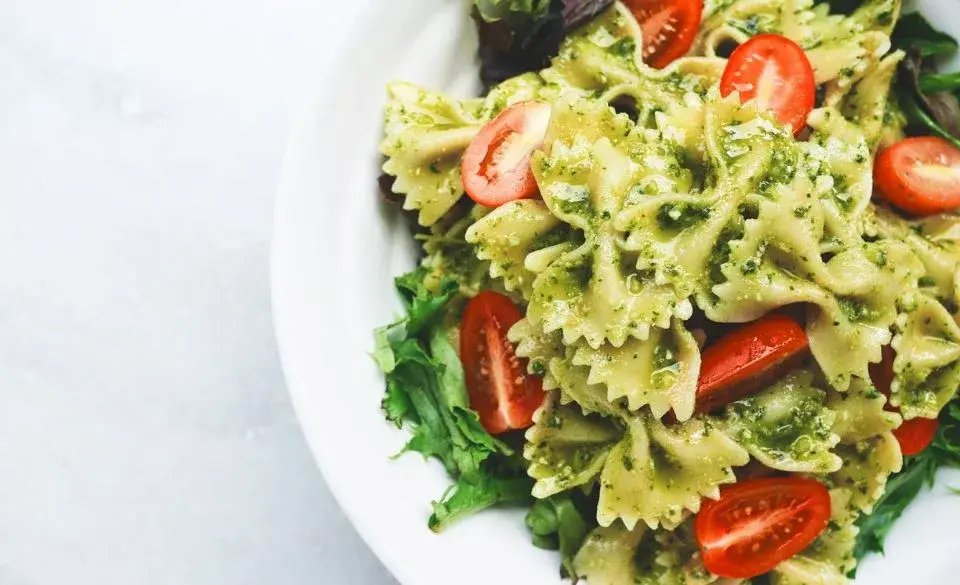
- Pasta (yes, it’s still a classic)
- Boiled or mashed potatoes
- Oatmeal
- Quinoa or couscous
Notice how we said “white” rice and “plain” pasta? That’s on purpose. High-fiber whole grains can lead to gas or bloating. And no one wants to run 21.1 km feeling like a hot air balloon.
You might be wondering: Should I eat more than usual? The answer is yes, but not too much. Aim for 60–70% of your dinner calories from carbohydrates for running, but keep your overall portion size moderate. You want to feel full—not stuffed.
If you’re unsure how to build a plate, think “easy on the stomach, rich in fuel.” Soft-cooked grains work better than dry or crunchy options. Adding a little bit of salt to your carb-rich meal can also help maintain electrolyte balance, especially if race day will be hot. Runners prone to cramping may benefit from including a banana or low-fiber fruit to top off potassium levels.
For more expert advice on pre-race nutrition, check out this comprehensive guide: What to Eat the Night Before a Half Marathon.


Should You Include Protein and Fat Too?
Absolutely but think supporting roles, not the stars of the show.
Lean protein helps repair muscle and keeps you feeling satisfied. Good options include:
- Grilled chicken breast or turkey
- Baked tofu
- Eggs
- White fish
Stick to small amounts of healthy fats like:
- Olive oil
- A spoonful of nut butter
- Avocado slices
Too much fat slows digestion. You don’t want to feel that heaviness lingering in your stomach while trying to fall asleep or jog through kilometer 5.
Think of your plate like this: Half carbs, a quarter protein, and just a drizzle of fat.
Also, timing matters. Eating fatty foods too late at night can interfere with sleep quality, especially if you’re sensitive to heartburn or indigestion. On the protein side, aim for lighter sources. Think grilled or poached over fried or breaded. If you’re plant-based, combine legumes with rice or quinoa to make a complete protein. Just avoid beans if your gut isn’t used to them. For hydration, your body needs some sodium and a bit of amino acid support, which light protein sources can offer. You’re not just eating for calories. You’re eating to balance hormones, energy, and inflammation before race day.


What Should You Avoid the Night Before?
Let’s talk danger foods.
Some things might taste great but wreak havoc on your digestion before exercise or hydration strategies. These are the most common culprits to steer clear of:
- Spicy foods: They can cause heartburn or stomach cramps
- High-fiber vegetables: Like broccoli, beans, or lentils
- Greasy or fried items: Slows energy metabolism
- Alcohol: Even one drink can impact sleep quality and hydration
- Dairy (for some): Can lead to runner’s gut symptoms
Here’s a personal example: One friend of mine ate a spicy Thai curry the night before her first half marathon. She made it 7k before having to walk the rest. Don’t let that be you.
It’s also wise to avoid highly acidic foods, like citrus or tomato-based sauces. These may trigger reflux or indigestion. Artificial sweeteners (found in “sugar-free” treats or flavored yogurts) can lead to bloating or diarrhea in sensitive runners. Another overlooked trigger? Carbonated drinks. Even sparkling water can introduce unnecessary gas. And if you’re someone who drinks a pre-race beer to “relax,” think twice. Alcohol is dehydrating, messes with blood sugar, and can reduce REM sleep, making you foggy and sluggish. Play it safe and eat what your gut already trusts.
Sample Pre-Race Dinner Ideas
If you’re not sure how to build the perfect plate, here are a few tried-and-true meals runners swear by:
- Grilled chicken breast + white rice + steamed carrots
- Plain pasta + olive oil + shredded turkey or tofu
- Baked potato + scrambled eggs + avocado slices
- Rice noodles + lightly seasoned stir-fry with chicken
- Oatmeal + banana + drizzle of honey (if you prefer a breakfast-style dinner)
The trick? Keep it familiar. Now is not the time to try a new recipe from TikTok.
Each of these combinations delivers a good balance of carbohydrates, lean protein, and a little fat to help your body absorb and store energy. Want a comfort meal that works? Try a simple rice bowl with soy sauce, soft tofu, and cooked veggies. Prefer something warm and cozy? A sweet potato with scrambled eggs and spinach (if your stomach tolerates it) is a great pre-race fallback.
Also think about how your body reacts to food textures. Softer, cooked foods digest faster. Cold meals can slow digestion. Aim for warm, easy-to-digest ingredients. And remember: chewing well is a simple trick that can reduce bloating, especially when nerves hit.

How Late Should You Eat Before a Half Marathon?
Timing is everything.
Aim to finish your meal about 12–14 hours before the race starts. For most people, that means dinner around 6–7 PM for a 7 AM start. This gives your body time to digest nutrients and stabilize blood sugar.
And don’t forget a small bedtime snack if you’re feeling a bit hungry later. Something like a banana with peanut butter or toast with honey can keep your blood sugar stable overnight.
Late-night meals can backfire. They may sit in your stomach for hours, especially if they’re fatty or rich. This not only affects digestion but can also interrupt your sleep quality, leading to restlessness or waking up feeling sluggish.
To stay on track, treat your race-eve evening like a wind-down ritual. Finish dinner early, hydrate slowly, and avoid screens after your meal if you’re prone to anxiety. You’ll digest better when your nervous system is calm. If you’re running in warm weather, pay closer attention to fluids and electrolyte balance. Timing your hydration evenly from lunch until two hours before bedtime.
Want a full breakdown of how to manage the final week before race day? Including tapering, nutrition, and sleep? Don’t miss our guide on the Preparation Week Before Half Marathon. It walks you through each day to ensure you’re physically and mentally ready.
Do You Really Need to Carb Load?
Ah, the infamous carb-loading myth.
Truth is, you don’t need to eat mountains of pasta the night before a half marathon. Carb loading is more important for full marathons or events lasting over 90 minutes at high intensity.
For most runners, eating balanced meals with more carbs in the 2–3 days leading up to race day is enough. The night before? Just a solid pre-race dinner that checks all the right boxes.
Here’s a helpful analogy: Your glycogen stores are like a sponge. You don’t need to flood it all at once—just keep it gradually full in the days leading up.
In fact, overloading carbs in one meal can do more harm than good. It can lead to bloating, fatigue, and even blood sugar crashes. A better approach is to gradually increase your carbohydrate intake by 10–15% starting 48–72 hours before the race. Focus on easy-to-digest carbs like white rice, bananas, and potatoes. Avoid fibrous or gas-producing carbs. Combine this with reduced training load (aka a taper), and your muscles will store what they need—no pasta buffet required.

Should You Eat Differently If You're Nervous?
Yes because pre-race anxiety affects digestion.
If you know you get an upset stomach before big events, keep your dinner extra bland and familiar. Avoid raw vegetables, spicy sauces, or anything fried.
Drink plenty of water throughout the day, but stop guzzling it about two hours before bed to avoid late-night bathroom trips.
Feeling jittery? Try sipping chamomile tea after dinner to help calm your system. It worked wonders for me before my third half marathon when my nerves were sky-high.
Nervous energy can change how your body handles food. Some people lose their appetite entirely. Others overeat. If that sounds like you, plan your dinner ahead—don’t leave it to chance. Choose ingredients you’ve tested before long training runs.
A mild ginger tea or peppermint tea may help soothe the gut. And if you’re someone who experiences insomnia before races, magnesium-rich foods like cooked spinach or pumpkin seeds in small amounts may aid relaxation. Just remember, don’t over-correct. The goal isn’t to sedate yourself, it’s to feel steady, calm, and ready.
Curious about whether running on an empty stomach might actually benefit your performance or backfire completely? Read our full guide on The Real Truth About Fasting & Running for science-backed insight and practical tips.
Eating for Different Runner Types
For First-Time Runners:
Keep things super simple. Go with rice, plain chicken, and steamed carrots. You want zero surprises.
If this is your first 13.1 miles, don’t stress too much about macronutrient breakdowns. Focus on digestibility, hydration, and a calm mind. You’re better off eating a little too light than too heavy.
For Vegan or Plant-Based Runners:
Swap in tofu, tempeh, or legumes for protein. Stick with rice or pasta, and avoid too many raw veggies.
Look for low-gas options like canned lentils (rinsed well) or small servings of quinoa. Include healthy fats like avocado or tahini but in small portions. B12-fortified nutritional yeast (sprinkled lightly) adds extra flavor and nutrients.
For Sensitive Stomachs:
Choose a low-FODMAP diet. That means no garlic, onion, beans, or dairy. Stick with plain rice and eggs or grilled chicken.
Boiled carrots, zucchini, or squash can also work well here. Avoid carbonated drinks, artificial sweeteners, and gum. Digestive enzymes (if you’ve used them before) can help in some cases, but race eve is not the time to experiment.
For Heavier Runners:
Focus more on portion control and hydration. Stick with clean carbs, lean protein, and avoid late-night snacks.
Higher body mass can slow digestion slightly, so it’s especially important to finish dinner early. Stick with cooked, easy-to-process meals and monitor fiber closely. Hydration is also key, spread your water intake evenly throughout the day.
If you’re looking for a complete race-day strategy that includes training, pacing, and fueling, check out our Half Marathon Running Training Plan. It’s designed to take the guesswork out of preparation, whether you’re a first-timer or chasing a new personal best.


Pro Tips from Coaches and Nutritionists
Here are some less common but super useful half marathon tips that seasoned athletes know:
- Stick to what you’ve practiced. Never try a new pre-race meal.
- Avoid fiber bombs like kale, beans, and lentils.
- Skip salty processed foods the night before. Too much sodium can mess with your electrolyte balance.
If your plate looks too fancy, it’s probably too risky.
One coach told me this: “Your best half marathon nutrition plan should be boring.” At first I laughed – then I saw the results.
Nutritionists often recommend a short checklist: Did your dinner include a steady carbohydrate source? A familiar protein? A small amount of fat? Was it all cooked and easy to digest? If you can answer yes to those, you’re in great shape.
Another smart tip: take a photo of your race-eve meal when you find one that works. That way, you can repeat the same strategy confidently next time. It sounds simple, but building your personal nutrition blueprint is what sets consistent finishers apart from guessers.
Pro Tips from Coaches and Nutritionists
Not sure what to eat the night before your half marathon? Use this table as a practical guide. Every meal listed below balances easy-to-digest carbs with light protein and just enough healthy fat. Ideal for topping off your glycogen stores without risking digestive issues.
| Meal Option | Carb Source | Protein Source | Fat Source | Notes |
|---|---|---|---|---|
| Grilled Chicken + Rice | White rice | Chicken breast | Olive oil drizzle | Simple and clean; ideal for those with sensitive stomachs. |
| Oatmeal + Banana | Rolled oats | Milk or plant milk | Peanut butter | Warm and comforting; good if you crave breakfast-style meals. |
| Tofu Stir-Fry | Rice noodles | Tofu | Sesame oil | Great plant-based option; keep veggies cooked and seasoning mild. |
| Pasta + Turkey | White pasta | Ground turkey | Light tomato sauce | A classic runner’s dinner—skip cheese and opt for plain sauce. |
| Sweet Potato + Scrambled Eggs | Baked sweet potato | Eggs | Avocado slices | High in potassium; excellent if you expect a warm race day. |
| Rice Bowl + Tempeh | Steamed jasmine rice | Tempeh | Coconut oil (light) | A satisfying vegan meal; keep sauces low-sodium and portioned. |
Tip: Save this table and adjust it based on your own tolerances. Use it to prep for training races too—not just the main event.


FAQ: Your Race-Eve Nutrition Questions Answered
What should I eat if I have no appetite the night before?
Can I eat dessert the night before a race?
Should I eat more salt to retain water?
What time should I stop eating?
What about carb drinks or supplements?


The Night Before Is About More Than Food
You’ve trained hard. You’ve planned well. The last thing you need is anxiety over dinner.
Remember, your pre-race dinner is about comfort, consistency, and calm. Keep it simple. Avoid surprises. Trust what worked during training.
Whether you’re gunning for a personal best or just want to finish strong, fueling right the night before gives your body the best chance to succeed. Eat well, sleep well, and show up proud of the work you’ve already done.