How Iron Levels Quietly Control Your Speed Strength and Stamina
Iron plays a bigger role in athletic performance than most people ever notice. Inside your red blood cells, iron helps carry oxygen to your working muscles so you can run, ride, swim, or lift without fading early. When iron is available in healthy amounts, your training feels smoother and your endurance feels steady. When it’s low, even simple workouts can suddenly feel harder than they should.
Many athletes today experience some degree of iron deficiency in athletes, especially those who train long hours or push intensity multiple times per week. Sweat loss, foot-strike damage, and muscle repair all increase iron use, which means your daily needs can quietly rise as your training grows. When those needs aren’t met, performance can dip long before anything shows up as obvious fatigue.
Your ferritin levels (the marker that reflects iron storage) can give early clues about how your body is coping with training stress. When ferritin drops, your ability to support strong oxygen transport begins to decline. You may notice heavy legs on easy days or a surprising jump in heart rate during normal efforts. These changes don’t always mean you’re unfit. Sometimes they simply mean your iron stores aren’t keeping up with your workload.
It’s tempting to turn to iron supplements when workouts start feeling harder, but supplements aren’t a quick fix for everyone. Studies show that supplementation helps many athletes with low ferritin, but not all. And taking too much iron can cause stomach issues or reduce absorption of other nutrients. The smartest approach is to understand your levels, check them with a professional when needed, and adjust based on your body’s real demands.
If you’ve ever had training weeks where everything felt harder for no clear reason, low iron could be one of the hidden factors shaping how your body performs and recovers.
If you're unsure how to begin or what steps actually make a difference, our Getting Started Guide gives you a clear, beginner-friendly roadmap so you can train with purpose and confidence.
Start Your Fitness Journey

How Can You Tell If Your Iron Is Too Low for Training?
Iron rarely drops in a dramatic way. Most of the time, it fades slowly, almost quietly, until you start feeling “off” in training and can’t explain why. This is why iron deficiency in athletes is so tricky. You don’t notice it right away, but your body does.
At first, you might feel a little sluggish during warm-ups. Then paces that once felt comfortable start to feel heavier and less controlled. Some athletes describe it as moving through soft sand. Others say it feels like their breathing gets louder, even on easy days, because their muscles aren’t receiving oxygen as smoothly.
When ferritin levels begin to drop, your red blood cells can’t support strong oxygen transport, and the shift shows up in small but consistent ways. You may feel fine outside of training, yet something inside your sessions doesn’t feel like you.
Here are common signs your iron might be slipping:
- Workouts feel harder even though training hasn’t changed
- Legs feel heavy early in a session or never “wake up”
- Heart rate runs higher than normal at the same pace or power
- Hills feel steeper and wind feels stronger than it should
- Recovery takes longer between intervals or training days
These signs aren’t proof on their own, but they’re important clues. You might even notice changes outside sport, like trouble focusing, afternoon fatigue, or needing more sleep than usual.
The only true way to know is with a blood test. Ferritin, hemoglobin, and full blood count measurements reveal how well your body is keeping up with training demand. When ferritin is low, your system has less iron available for repair and performance, and that’s when fatigue becomes more noticeable.
If you’ve caught yourself wondering, “Why does training feel harder even when I’m doing everything right?”, it may be time to check your iron and see whether your body is asking for support before reaching for iron supplements or pushing harder.


Why Athletes Lose Iron Faster Than Most People Realize
Athletes don’t just use more iron, they also lose more of it. Training creates a unique environment where your body is constantly repairing muscle, supporting enzymes, and producing new red blood cells. You also push your oxygen system harder than in normal daily life. All of this increases your need for strong oxygen transport, and that depends heavily on iron.
One of my coaching clients learned this the hard way. She felt fit, she was training well, and she was hitting every session on her plan, until her pace suddenly dropped for no clear reason. Even her easy runs felt like she was moving against a headwind. After some testing, she discovered her ferritin levels had fallen much lower than expected. Once she addressed the issue with her doctor and made nutrition adjustments, her energy returned within weeks, and her training quickly felt normal again.
There are several reasons iron deficiency in athletes is so common:
- Sweat contributes to small but ongoing iron loss during long or hot sessions
- Foot-strike hemolysis breaks red blood cells during running and impact sports
- Recovery and adaptation processes rely on iron for key enzymes and energy production
- Low overall calorie intake often leads to lower iron intake from food
- Menstrual cycles increase iron needs for many women
These factors layer on top of each other. You might handle one or two without noticing, but when three or four happen at the same time (heavy training load, poor sleep, a hot training week, and tighter calorie intake) your iron stores can drop faster than you expect.
Some athletes wonder whether they should use iron supplements by default, but supplementation isn’t always necessary or helpful unless levels are confirmed low. The body absorbs iron best when it truly needs it. When ferritin falls, absorption tends to increase naturally. When stores are already healthy, extra iron doesn’t speed up performance and can even create stomach issues.
Understanding why iron drops helps explain why your body sometimes feels strong and sometimes feels drained. When you know the factors that pull iron down, you can adjust your training rhythm, hydration, and food intake to protect your energy before it dips.
If you’d like to explore the science behind how iron affects energy, endurance, and overall athletic performance, this open-access review provides an excellent breakdown: Iron Status and Physical Performance in Athletes.
Our Running Coaching program gives you a personalised training plan, smarter workouts, and expert guidance — so each run gets you closer to your goals.
Start Running Coaching

How Iron Needs Differ Between Types of Athletes
Not every athlete stresses iron in the same way. A marathon runner, a football player, and a lifter may all feel tired at times, but the forces acting on their iron stores are not identical. Endurance training increases turnover of red blood cells, raises sweat loss, and relies heavily on smooth oxygen transport. Team sports mix high-intensity bursts, contact, and travel demands that can disrupt eating patterns. Strength and power athletes may train fewer total hours, but their adaptation and recovery processes still depend on iron-rich enzymes and stable energy production.
One reason iron deficiency in athletes appears so often is because these stressors stack in different ways depending on the sport. Endurance athletes face constant mechanical and metabolic strain. Team sport athletes juggle tournaments, collisions, and inconsistent nutrition. Strength athletes may not lose as much iron directly, but they still rely on efficient recovery, mitochondrial function, and processes that draw on iron to support growth and training loads.
Looking at these differences helps you understand why your ferritin levels may shift across a season, even when your training feels steady. It also helps explain why some athletes benefit from timing nutrition carefully or checking levels after heavy blocks before considering iron supplements. The comparison below outlines common stresses, symptoms, and considerations across sport types.
👉 Swipe to view full table
| Category | Endurance Athletes (Running Cycling Triathlon) |
Team Sport Athletes (Football Soccer Hockey) |
Strength & Power Athletes (Gym Lifting Sprint) |
|---|---|---|---|
| Main Iron Stress | High weekly volume, sweat loss, foot-strike hemolysis, and increased turnover of red blood cells. | Repeated sprints, contact-related hemolysis, tournament density, travel fatigue, and irregular meal timing. | Lower direct iron loss but increased reliance on iron-containing enzymes for repair and energy production. |
| Common Symptoms of Low Iron | Heavy legs on easy days, higher heart rate at normal effort, slower pace at same perceived effort. | Reduced repeat-effort capacity, early fatigue in games, slower reactions or concentration dips. | Difficulty progressing loads, early fatigue in sets, extended recovery times between sessions. |
| Key Performance Risk | Reduced endurance, lower VO₂-related performance, and impaired oxygen transport. | Decline in high-intensity repeatability and lower overall work output during matches. | Stalled strength or power gains when iron status cannot support recovery demands. |
| Useful Focus Areas | Regular checks of ferritin levels, iron-rich meals around heavy blocks, and awareness of training stress. | Consistent fueling during travel, structured meal timing during tournaments, and monitoring fatigue trends. | Adequate total calories, balanced micronutrients, and steady nutrition to support repair and adaptation. |
| When to Consider Testing | After unexplained performance dips, chronic fatigue, or several high-volume blocks. | When match performance declines despite stable training and rest. | When strength plateaus for extended periods or fatigue appears without training errors. |
| Approach to Iron Supplements | Only after blood tests confirm low levels and with professional guidance. | Used selectively when confirmed low, especially during congested competition periods. | Food-first approach preferred; supplements considered only when deficiency is proven. |
Seeing the differences across sports helps you understand why iron needs shift and why one athlete may struggle while another feels strong. The goal isn’t to label one group as higher risk, but to help you recognise how training style, volume, and recovery influence your iron balance. When you align your nutrition, testing habits, and training rhythm with these factors, it becomes far easier to stay ahead of dips in energy and avoid unnecessary iron supplements unless they’re truly needed.


What You Can Do to Protect Your Iron Levels All Season
Iron levels don’t fix themselves by accident. They shift with changes in training load, nutrition, sleep, and even the climate you train in. The good news is that once you understand the patterns that pull iron down, you can build simple habits that keep you feeling steady and strong. Most athletes don’t need complicated routines; they just need small, consistent actions that support healthy red blood cells and smooth oxygen transport.
If you’ve ever watched your energy dip during long blocks or felt your pace drift for no clear reason, these steps can help you stay ahead of problems like iron deficiency in athletes. They’re not quick fixes — they’re foundations you build into your week.
- Plan iron-rich meals around heavy training days to support recovery and red blood cell production.
- Pair plant-based iron sources with vitamin C to help your body absorb more from each meal.
- Avoid coffee and tea with iron-rich meals because their polyphenols can lower iron absorption.
- Monitor fatigue patterns across your season instead of guessing whether you’re “just tired.”
- Get blood tests during key points of training to check ferritin levels, hemoglobin, and overall iron status.
- Maintain adequate total calories so you’re not unintentionally lowering iron intake during busy blocks or travel.
Some athletes are tempted to reach for iron supplements when training feels harder, but supplements work best when they’re used to correct a confirmed deficiency. Because iron absorption is tightly regulated by the body, taking supplements without low ferritin often offers no performance benefit. In some cases, it can even cause stomach discomfort or interfere with other nutrients.
By building smart habits early in your season, you protect your energy before it drops. Consistency makes the biggest difference (not dramatic changes). When your training, nutrition, and testing line up, your body has what it needs to perform at its best week after week, and if you want more guidance on how daily food choices support performance, you can explore the wider range of nutrition articles that cover everything from fueling to recovery.

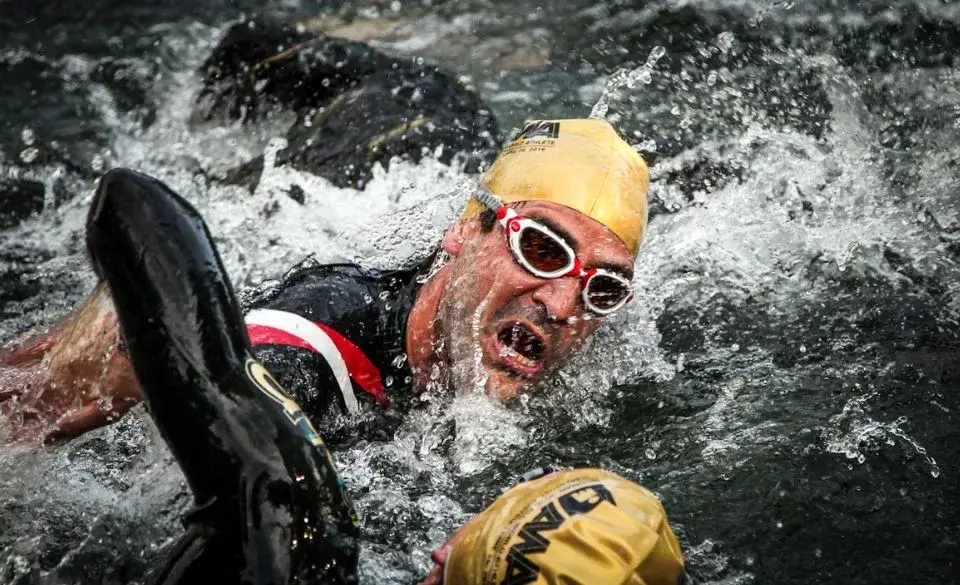
How Diet Shapes Iron Levels More Than Most Athletes Realize
Iron in your diet plays a bigger role than most athletes expect. You can train well, recover smart, and fuel consistently, but if your meals don’t match your body’s iron needs, performance slowly begins to slip. This is why food is the first place to look when you want to understand how your iron levels rise or fall across a season. If you want to understand how mineral loss during training affects your overall balance, including iron and electrolytes, you might also check resources like salt tablets for runners.
Iron comes in two forms: heme and non-heme. Heme iron is found in animal products and is easier for the body to absorb, while non-heme iron from plant foods relies on additional nutrients, like vitamin C, to boost absorption. When athletes unknowingly rely too heavily on low-iron or low-absorption meals, even healthy diets can fall short. And because training increases turnover of red blood cells, your body quietly asks for more iron without giving obvious signals.
Some athletes assume that if they eat “healthy,” they must be getting enough. But endurance training, menstrual cycles, altitude blocks, and long racing seasons all increase demand. When intake doesn’t match those demands, early signs of iron deficiency in athletes often appear: slower recoveries, fading energy, and workouts that feel harder without any clear reason. This is also why understanding broader micronutrient needs matters, and resources like good vitamins for runners can help athletes see how different nutrients support consistent energy.
What matters most is consistency. A well-rounded diet with diverse iron sources builds a base that supports steady oxygen transport. It also gives you a clearer picture when you test your ferritin levels, because you’re not guessing whether poor intake is part of the problem. When athletes take this approach, iron supplements become a targeted tool rather than the first solution.
Food won’t fix every drop in iron, but it’s the foundation that allows your training to feel stable. When your meals support you daily, your body is far better prepared for the challenges of long blocks, tough races, and the subtle stresses that pull iron down.

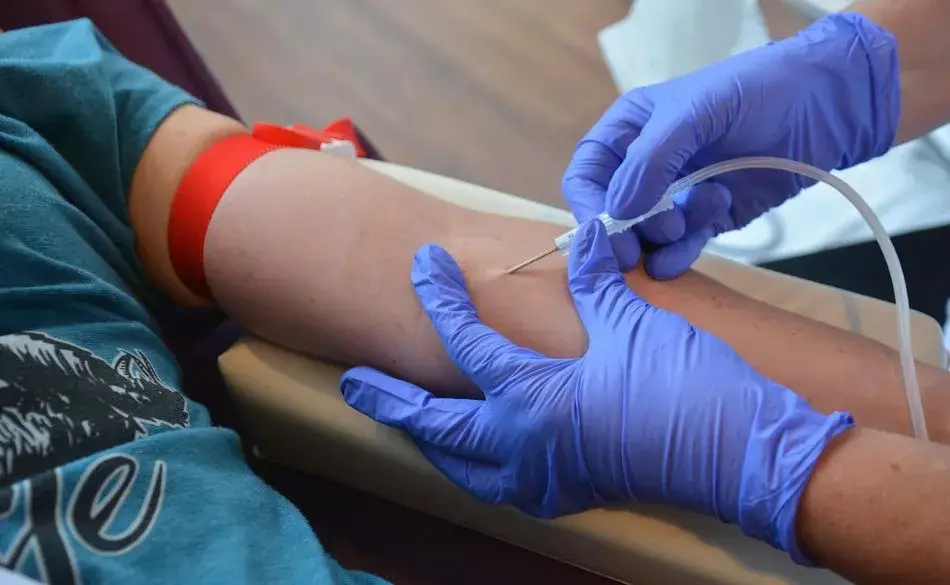
When Training Stress Overloads the Body’s Iron System
Heavy training doesn’t just tire your muscles, it also challenges the systems inside your body that keep iron balanced. After intense workouts, the hormone hepcidin naturally rises. Hepcidin temporarily reduces iron absorption, which means even perfectly planned meals may not deliver as much iron as you expect. This overlap between training stress and iron regulation is one reason endurance athletes often struggle more with fluctuating levels.
When you stack long sessions, double training days, or back-to-back intervals, your body uses more iron to repair tissues and support energy pathways. At the same time, iron absorption becomes less efficient. Over weeks of hard training, these small mismatches accumulate. Suddenly, a pace that once felt smooth starts to feel sharp. You may notice heavier breathing because oxygen transport isn’t keeping up the way it used to.
Low ferritin levels aren’t always caused by poor diet; sometimes they simply reflect a long stretch of demanding training. Athletes often mistake this for a lack of fitness, which can lead to pushing harder — and pushing iron levels even lower. Understanding this pattern gives you an advantage: instead of guessing, you can time your nutrition around sessions, support recovery more effectively, and choose periods in the season to test iron status.
For some athletes, strategic rest, better meal timing, and reduced training stress are enough to bring iron back into balance. For others, especially those with continued symptoms or confirmed deficiency, iron supplements may be part of the solution (but only after testing). This protects you from unnecessary dosing and makes sure your approach matches the real demands of your body. If you want a broader view on how supplements should be used in endurance training beyond just iron, check resources like supplements for endurance before deciding on supplements.
Training stress is essential for improvement, but when it overloads your iron system, progress stalls. Recognising this helps you decide whether your fatigue comes from normal training strain or a deeper issue within your iron balance.
Many triathletes feel tired or stuck when training load, recovery, and nutrition aren’t aligned. If you want clearer structure and support that helps you train with steady energy, our Triathlon Coaching program gives you personalised sessions and guidance that fit your goals and lifestyle.
Start Triathlon Coaching
Bringing It All Together for Stronger, Steadier Training
Iron is one of those quiet supporters in your training. You don’t see it, you don’t feel it directly, yet it shapes how strong and steady your workouts feel from one week to the next. When your iron levels are healthy, red blood cells carry oxygen smoothly, your legs feel more responsive, and your breathing settles into a natural rhythm. When iron begins to fall, everything you do starts to feel just a little harder, even if your training plan has stayed the same.
What’s most surprising for many athletes is how small changes in training load, travel, diet, or recovery can shift your iron balance. That’s why understanding the early signs of iron deficiency in athletes can save you weeks or even months of frustration. Heavy legs, drifting heart rate, or slower sessions aren’t always signs of lost fitness — they’re often signals that your body isn’t getting the support it needs to maintain strong oxygen transport.
Your ferritin levels tell a valuable story about your iron stores, but they’re only part of the picture. How you feel during training, how well you recover, and how consistently you can hold your usual pace or power can offer just as much insight. This is why combining awareness, nutrition, and periodic testing gives you the clearest view of what’s happening inside your body.
If iron does fall too low, the goal isn’t to rush into iron supplements without understanding your needs. Supplements are effective when used to correct a confirmed deficiency, but they aren’t a shortcut for performance. A well-planned diet, smart timing around key sessions, and learning the signals your body sends you all play a bigger long-term role than any single fix.