The Hidden Reasons Your Ears Hurt While Running
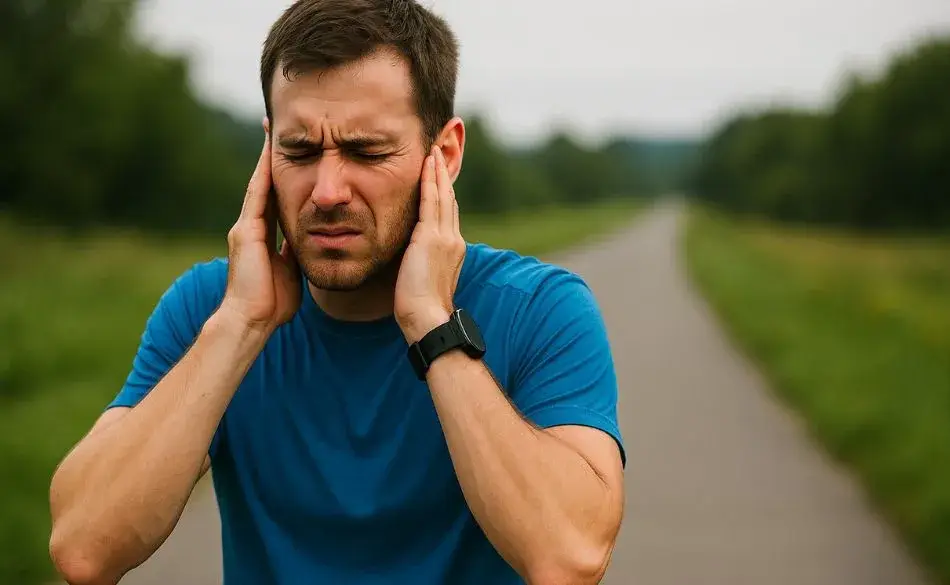
If you’ve ever wondered, “Why do my ears hurt after running?”, you’re not alone. Ear pain in runners is surprisingly common, but the causes are often overlooked. Unlike sore muscles, the discomfort in your ears can feel confusing because it doesn’t seem directly tied to running form.
One of the most common culprits is cold air exposure. When you run in chilly or windy conditions, the tiny blood vessels in your ear canal tighten up. This reduced blood flow can create a sharp sting or throbbing feeling, especially during winter training. If you’ve noticed that your ears ache when running in the cold, temperature is likely the trigger.
Another reason is ear pressure while running. When you breathe heavily and your heart rate climbs, the balance of pressure inside your middle ear can shift. This is similar to the sensation you feel on an airplane. Some runners describe it as their ears “plugging up” or feeling blocked.
Sinus congestion and allergies can also play a role. Inflammation in your sinuses can block drainage pathways, creating pressure that radiates into your ears. That’s why ear pain caused by sinus pressure while running is especially common during allergy season or after a head cold.
It’s not just the inside of your body either. Gear can be part of the problem. Earbuds and headphones sometimes irritate the ear canal, especially on longer runs. Poor fit or excessive movement can cause rubbing, soreness, or a feeling of fullness in your ears after the workout.
To sum it up, the main reasons behind ear pain from running include:
- Cold weather and wind exposure
- Barometric or pressure changes in the middle ear
- Sinus or allergy-related congestion
- Ill-fitting earbuds or headphones
Understanding these triggers is the first step to solving the problem. The good news? Most causes are minor, and simple adjustments can go a long way in reducing discomfort.
Getting started or looking for a structured path? Our How to Start Running from Scratch guide offers an 8-week beginner plan to help you build endurance safely and avoid common mistakes.
Dealing with ear pain after running can make every workout less enjoyable and slow your progress. Instead of trying to figure it out alone, our running coaching programs provide tailored training, recovery strategies, and expert guidance to help you prevent discomfort and run pain-free.
- Customized training plans that reduce the risk of ear pain from cold air and pressure changes
- Gear and breathing strategies to prevent blocked ears or ringing during runs
- Structured recovery routines to keep your body balanced and comfortable
- Ongoing feedback so you can make quick adjustments when issues appear
- Expert insights on long-term prevention for a smoother running experience
Don’t let ear pain interrupt your training—run smarter, recover better, and enjoy every mile.
Explore Running Coaching →

Is Ear Pain After Running Dangerous?
Let’s be honest: any new or unusual pain can feel worrying. When your ears hurt after running, your first thought might be, “Is something wrong with my hearing?” The good news is that in most cases, ear pain linked to running isn’t dangerous. But that doesn’t mean you should ignore it.
Most ear discomfort comes from simple issues like cold weather, pressure changes, or sinus congestion. These are annoying but rarely harmful. Think of it as your body’s way of signaling stress in an area that’s more sensitive than you realize.
However, there are a few red flags to pay attention to:
- Persistent sharp ear pain while running outside that doesn’t improve with rest or warmer conditions
- Blocked ears when running combined with dizziness or balance issues
- Ears ringing after running hard that continues long after your workout
- Sudden hearing changes or ear infections after exercise
These symptoms may suggest something beyond the usual runner’s ear discomfort. For example, recurring ringing or pressure could point to inner ear problems, while pain linked to fever or drainage may indicate an infection.
One factor many runners overlook is how tightly connected the ears are to your jaw and neck. If you carry tension or grind your teeth, you might experience jaw tension ear pain while running. In that case, it’s less about your ears and more about how your muscles are reacting to stress.
So, should you stop running if your ears hurt? Not necessarily. Occasional ear pain is common and often preventable with simple changes. But if your pain is severe, one-sided, or paired with other symptoms, it’s worth checking with a doctor. That way you can rule out anything serious and keep your training on track.


How to Stop Ears Hurting While Running (Practical Fixes & Tips)
If your ears hurt when running, the good news is that there are several simple solutions. Most fixes don’t require special equipment, just a few smart adjustments to your gear and habits.
The first step is to protect your ears from the elements. Cold air and wind are major triggers for discomfort. A lightweight headband, beanie, or even ear warmers can make a big difference. Runners who often struggle with ear pain from running in cold weather usually notice improvement right away once their ears stay covered.
Another effective fix is managing pressure. If you regularly feel ear pressure while running, try adjusting your breathing. Shallow or forceful breaths can sometimes create pressure changes in the middle ear. Focus on deep, steady breathing through your nose when possible. This keeps airflow balanced and reduces the plugged-ear feeling.
You should also look at your gear. Earbuds and headphones are a common source of discomfort. If your running earbuds cause ear pain, switch to a pair designed for sport with a looser, more ergonomic fit. Over-ear designs can reduce friction and still provide good sound without irritation.
Here are a few quick fixes many runners find useful:
- Use a moisture-wicking headband in cold or windy weather
- Replace in-ear headphones with open or over-ear models
- Warm up indoors before heading outside in winter
- Keep your sinuses clear with a saline spray if congestion is an issue
- Hydrate well to avoid excess mucus and pressure buildup
Most importantly, listen to your body. If small changes make the pain go away, you’re in the clear. But if discomfort lingers or worsens, don’t ignore it. It may be a sign to get checked by a professional.
If you want to refine your technique while protecting your ears, check out our guide on Best Running Form for Distance which covers posture, stride, and breathing for smoother runs.


When Ear Pain Signals Something More Serious
Most of the time, ear discomfort is minor. But there are situations where your ears hurting after running may be a sign of something more serious. Knowing the difference can save you from unnecessary worry or help you catch an issue before it worsens.
One clear warning sign is when ear pain comes with other symptoms. If your discomfort is paired with dizziness, nausea, or ringing that lingers for hours, it could point to an inner ear condition. Similarly, drainage, fever, or swelling may indicate an infection that needs medical attention.
Hearing changes are another red flag. If you notice muffled hearing or a sudden inability to hear properly after a run, don’t brush it off. While rare, can running cause ear damage is a question worth asking if symptoms persist. Ear pain linked to pressure that doesn’t ease up may also need checking by a doctor.
I coached a runner who often felt his ears throbbing after long runs. At first, he assumed it was just the cold air. But when the pain started pairing with balance issues, he decided to see a specialist. It turned out he had recurring sinus blockages that were creating pressure in his middle ear. With treatment and a few training adjustments, the pain disappeared and so did his dizziness.
While stories like this aren’t common, they show the importance of listening to your body. Occasional discomfort is normal, but patterns of pain or additional symptoms are your signal to act. If you’ve been asking yourself, “Should I see a doctor for ear pain from running?”, the answer is yes if:
- Pain is severe, one-sided, or persistent
- You experience hearing loss or ringing that doesn’t fade
- Symptoms come with fever, drainage, or dizziness
Catching problems early means you’ll be back to running comfortably (and safely) much sooner.


Preventing Ear Pain Before It Starts
The best way to handle ear pain when running is to prevent it before it even happens. Most of the common triggers can be managed with small changes in how you dress, breathe, and prepare for your runs.
Start with protection. If you often struggle with ear pain from running in cold weather, invest in a thermal headband or running-specific ear warmers. They’re lightweight, moisture-wicking, and won’t overheat you. Covering your ears can stop pain before it starts, especially on windy mornings.
Breathing also matters. Shallow or forceful breaths can create ear pressure during running, so practice controlled nasal breathing on easy runs. Not only does this help with pressure, but it also improves oxygen intake and running efficiency.
Earbuds are another piece of the puzzle. If your running earbuds cause ear pain, consider alternating between open-ear headphones for longer runs and in-ear models only for short sessions. The variation can keep your ears from getting irritated.
I coached a marathoner who always complained his ears hurt when breathing cold air running early in the season. Instead of skipping runs, we added ear warmers and adjusted his breathing drills. Within two weeks, his symptoms were gone, and his winter training felt far more comfortable.
To support your recovery and prevent soreness, try our Plunge Recovery Guide. It covers cold immersion techniques that reduce soreness and boost circulation after intense runs.
Here are some quick prevention tips to keep in mind:
- Warm up indoors before heading out in cold conditions
- Use moisture-wicking gear that covers your ears in winter
- Keep sinuses clear with a saline spray if you’re prone to congestion
- Rotate headphones or take breaks from earbuds on long runs
- Stay hydrated to prevent excess mucus and pressure buildup
Prevention doesn’t mean overhauling your entire routine, it’s about small, consistent choices. By making these adjustments, you’ll reduce the chances of ear pain disrupting your training and enjoy every mile with confidence.
To reduce discomfort and build resilience, adding Mobility Exercises for Runners to your weekly routine can ease tension and improve comfort during training.
If your ears hurt after running and it’s stopping you from enjoying your training, our Running Coaching offers expert guidance to help you train smarter, avoid common discomforts, and keep every mile enjoyable.
- Personalized plans that adapt to your body’s needs and challenges
- Strategies to prevent ear pain from cold air, pressure changes, and gear issues
- Guided recovery techniques to keep you consistent without setbacks
- One-on-one support so you never have to guess what’s causing discomfort
- Proven training methods to make running safer and more enjoyable long-term
Train confidently, stay consistent, and enjoy every run without worrying about ear pain.
Explore Running Coaching →
Common Causes of Ear Pain When Running: At-a-Glance Guide
Sometimes it helps to see everything in one place. Below is a clear breakdown of the most common reasons your ears hurt after running, what they feel like, and how to fix them. Think of it as a quick-reference guide you can revisit whenever discomfort pops up.
👉 Swipe to view full table
| Cause | Typical Symptoms | Practical Fix |
|---|---|---|
| Cold air exposure | Sharp ache, burning, or tingling ears in winter | Wear thermal headbands or ear warmers |
| Pressure changes | Blocked ears, muffled hearing, popping | Practice steady nasal breathing, avoid shallow breaths |
| Sinus congestion | Fullness in ears, throbbing, worse with allergies | Use saline spray, manage allergies, hydrate well |
| Earbuds & headphones | Soreness, rubbing, or irritation in ear canal | Switch to open-ear or over-ear headphones |
| Jaw/neck tension | Pain radiating from jaw to ear while running | Stretch jaw/neck muscles, check posture |
This table isn’t meant to replace listening to your body. Instead, it helps you connect your symptoms with possible causes and quick solutions. If you’re asking yourself, “Why do my ears ache when I run in the cold?” or “Why do my ears feel blocked after a run?”, this chart gives you a starting point to take action.
By linking discomfort with a clear fix, you’ll spend less time worrying and more time running comfortably.


Final Thoughts: Run Comfortable, Keep Your Ears Happy
Here’s the thing about running: it should leave you feeling strong, not distracted by sore ears. If your ears hurt after running, you’re not broken, and you don’t need to give up the sport you love. You just need a plan that matches your body and your environment.
Start simple. Cover your ears in wind and cold. Ease into the first 10 minutes so your breathing settles before the harder work. Swap tight earbuds for open or over-ear options if you’re prone to soreness. Small shifts add up fast.
Pay attention to patterns. Do you feel more ear pressure during running when you’re congested? Are your ears fine on the treadmill but not outside in winter? Do ears ringing after running only happen after all-out intervals? These clues point you to the fix that will actually work for you.
Be honest with yourself about recovery, too. Poor sleep, dehydration, and high stress can make your body more sensitive to pressure and cold. When you take care of the basics (water, food, sleep) your training feels smoother, and your ears often do, too.
Most of all, stay curious. Ask yourself: what’s one change I can try on my very next run? A headband? Nasal breathing on easy days? A different headphone style? You don’t need to overhaul everything. You just need to test, notice, and adjust.