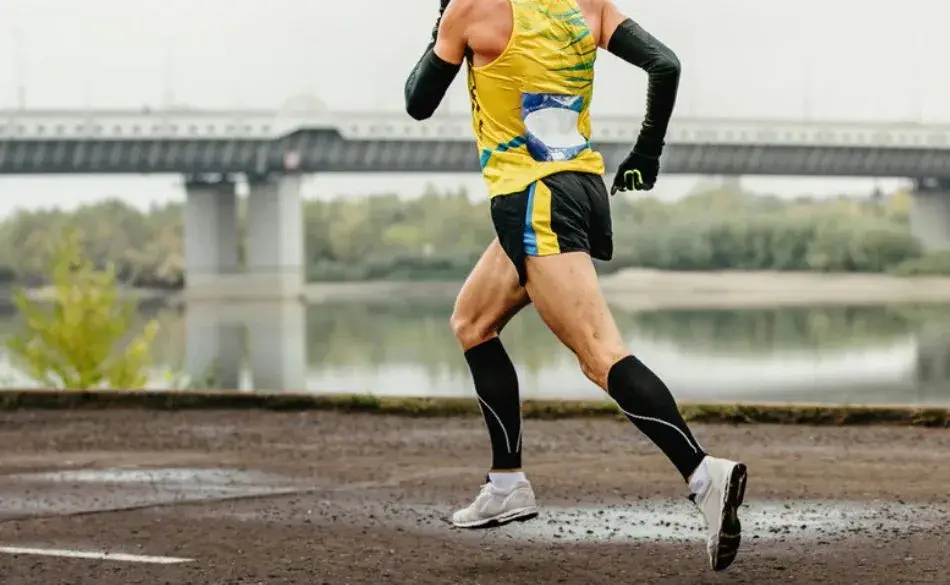
The Role of Compression in Running Performance
One of the main answers to why do runners wear arm sleeves comes down to compression. Arm sleeves apply gentle, consistent pressure along the muscles of the forearm and upper arm. This isn’t random. Compression is designed to improve blood circulation, reduce swelling, and support the muscles as they work under stress.
When you run, blood pumps harder through the body to deliver oxygen to working muscles. Compression sleeves help keep that blood flowing smoothly back toward the heart by reducing pooling in the extremities. Better circulation means more efficient oxygen delivery and faster removal of waste products like lactic acid. This process can delay fatigue and help you maintain stronger form late in a run.
Another benefit is muscle stabilization. Each stride creates vibration through the muscles, and over time, those tiny shocks can contribute to fatigue and soreness. Arm sleeves reduce this vibration by keeping muscles snug and supported, similar to how compression socks support the calves. Less vibration means less energy lost to unnecessary movement, which can add up over long distances.
For some runners, the psychological benefit is just as important. Wearing compression gear often provides a feeling of readiness and support, which boosts confidence heading into tough workouts or races. Even if the performance gains are subtle, the mental edge can make a noticeable difference.
It’s worth noting that not every runner will experience dramatic performance improvements. However, studies have shown that compression can make a meaningful difference in recovery and perceived exertion, especially during high-mileage training. This is why you’ll often see sleeves worn in marathons, ultras, and other endurance events where small advantages matter most.
In short, compression is the foundation of why many runners choose arm sleeves. The blend of improved circulation, reduced fatigue, and muscle support makes them more than just a fashion choice. They’re a functional piece of gear for endurance athletes.
If you’re finding compression helpful in your arms, you might also be curious about how compression socks support runners’ circulation and recovery. Check out our guide to Compression Socks and Running.


Recovery and Post-Run Benefits of Arm Sleeves
Another key reason behind running arm sleeves is the role they play in recovery. The benefits of compression aren’t limited to the miles you log, they continue even after you stop running.
After a tough workout or long race, your muscles are fatigued and microtears form in the tissue. This is a normal part of training adaptation, but it also leads to soreness and stiffness. Arm sleeves provide compression that reduces swelling, improves circulation, and speeds up the removal of metabolic waste from the muscles. As a result, recovery time is often shortened, and runners feel fresher for their next session.
Many athletes choose to keep their sleeves on for several hours post-run, especially after races or long training days. This ongoing support helps control inflammation while continuing to deliver oxygen-rich blood to tired muscles. Some runners even wear them during travel after events to avoid stiffness from sitting too long.
Another benefit is temperature regulation during recovery. Compression sleeves provide a thin but effective layer that keeps the arms warm, helping muscles stay relaxed and supple. This is particularly useful if you finish your run in cooler weather and don’t want your muscles to tighten up right away.
Psychological recovery also plays a role. Just like wearing supportive gear can make you feel stronger during a run, keeping compression on afterward often provides reassurance that you’re actively helping your body recover. It’s a simple but effective way to extend your recovery routine beyond stretching and nutrition.
Overall, arm sleeves are not just for performance, they’re a valuable recovery tool. If you value compression for circulation and recovery, you may also appreciate our guide to compression sleeves for shins.
If you’re new to running or returning after a break, our Couch to 5K Running Training Plan gives you a simple, structured path from walking to running 5 km without stopping.
- Beginner-friendly schedule that eases you into running step by step
- Mix of walking and running to build endurance without overloading your body
- Gradual progression that keeps motivation high and injury risk low
- Clear weekly structure so you always know what to do next
- Confidence-building approach to help you cross your first finish line
Start your running journey today and go from the couch to completing 5 km in just weeks.
Get Couch to 5K Plan →

Protection from Weather and Environment
Not every reason for arm sleeves is about circulation or recovery. For many, it’s also about practical protection from the elements. Whether you’re training in summer heat, chilly mornings, or challenging terrain, arm sleeves offer a simple way to keep your arms safe and comfortable.
In warm conditions, modern sleeves are made from lightweight, breathable fabrics that wick away sweat and help regulate temperature. Some are designed with UV protection, shielding your skin from harmful sun exposure during long outdoor runs. For runners logging hours on trails or roads in direct sunlight, this feature is as much about health as it is about comfort.
On cooler days, sleeves act like an extra layer of insulation without the bulk of a full long-sleeve shirt. The advantage is flexibility – you can easily roll them down or take them off mid-run as your body warms up. This adaptability is one reason sleeves are popular in spring and fall when temperatures can shift quickly.
Arm sleeves also protect against environmental irritants. Trail runners often use them to guard against scratches from branches, brush, or even insect bites. In urban areas, they can help reduce skin contact with pollution or allergens. The thin layer may seem small, but it adds a sense of comfort and security for many athletes.
Some runners even prefer sleeves over sunscreen for convenience, especially during races. Instead of worrying about reapplying lotion mid-run, they can rely on the consistent coverage that sleeves provide. This also eliminates the greasy feel of sunscreen that some runners dislike when sweating heavily.
In short, arm sleeves provide more than just performance benefits. They serve as a practical shield against weather and environment. Whether it’s blocking UV rays, keeping muscles warm, or protecting against scratches, they’re a versatile piece of gear for runners of all levels.

Choosing the Right Arm Sleeves for Running
Now that you know the main reasons behind why do runners wear arm sleeves, the next step is understanding how to choose the right pair. Not all sleeves are created equal, and finding the right fit ensures you get the performance and comfort benefits without frustration.
Here are some key factors to consider when shopping for arm sleeves:
- Fit and compression: Sleeves should feel snug but not restrictive. Too tight, and they can cut off circulation. Too loose, and you won’t get the benefits of compression.
- Material: Look for lightweight, breathable fabrics that wick away sweat. High-quality blends often include spandex for flexibility and comfort.
- Temperature needs: Thicker fabrics work well in cooler weather, while thin, ventilated options are better for hot conditions. Some brands offer UV-rated sleeves for sun protection.
- Durability: If you run on trails, choose sleeves with reinforced stitching or abrasion-resistant fabric to withstand brushes with branches or rocks.
- Style and visibility: Bright colors or reflective patterns can add a layer of safety for early morning or evening runs. Neutral tones are a good choice for a minimalist look.
- Ease of use: Sleeves should be easy to put on and remove mid-run if temperatures change. Some runners prefer options with grip bands to prevent slipping.
It’s worth trying a few brands and styles before committing. Comfort is highly individual, and what works for one runner may not feel right for another. Many athletes I’ve coached found that once they discovered the perfect pair, arm sleeves quickly became a non-negotiable part of their running kit.
The right choice depends on your goals – whether you want improved circulation, sun protection, warmth, or simply a confidence boost. With so many options available, there’s a sleeve out there for every runner’s needs.
Not ready for one-on-one coaching? Our Running Training Plans give you expert-designed schedules for everything from 5 km to marathon distance, helping you build endurance, pace, and confidence.
- Plans for every level – from beginners to experienced runners
- Distance-specific programs including 5 km, 10 km, half-marathon, and marathon
- Structured weekly workouts with long runs, speed sessions, and recovery days
- Clear progression to gradually improve fitness and avoid burnout
- Proven methods used by athletes and everyday runners alike
Follow a proven training plan and take the guesswork out of your running.
View Running Training Plans →

When Should You Wear Arm Sleeves?
By now, you understand the main reasons behind why runners wear arm sleeves, but the question many runners still ask is when to actually use them. The truth is, sleeves are not essential for every run, but they can make a noticeable difference in certain situations.
If you are training for long-distance races, such as half marathons or marathons, compression sleeves can help reduce muscle fatigue and improve circulation over extended efforts. They are especially useful on back-to-back training days, where quicker recovery keeps you consistent. Many distance runners wear them not only during the run but also for a few hours afterward to enhance repair.
Weather plays a big role as well. On cooler mornings, sleeves give you extra warmth without the bulk of a jacket or long-sleeve top. Once you warm up, you can easily roll them down or remove them, which makes them more versatile than heavy clothing layers. On the other end of the spectrum, in hot or sunny conditions, UV-protective sleeves shield your skin from sunburn while still allowing airflow.
Trail runners also benefit from sleeves thanks to the extra protection they provide. Whether it’s brushing against branches, fending off insects, or keeping dirt and pollen off your skin, sleeves serve as a lightweight barrier between your arms and the environment.
Finally, consider sleeves during races or key workouts where confidence and psychological edge matter most. If you’ve been training with them and feel more prepared while wearing them, it makes sense to bring that routine into competition. The mental boost alone can be valuable on race day.


Quick Comparison of Why Runners Wear Arm Sleeves
We’ve covered several reasons behind why do runners wear arm sleeves. To make things easier to digest, here’s a comparison of the main benefits and when they matter most:
👉 Swipe to view full table
| Reason | How It Helps | Best For |
|---|---|---|
| Compression | Improves circulation, reduces muscle vibration, and delays fatigue. | Long-distance runs, marathons, and ultras. |
| Recovery | Speeds up healing by reducing swelling and promoting blood flow post-run. | After races, long runs, or heavy training weeks. |
| Weather Protection | Keeps muscles warm in cold conditions, wicks sweat, and blocks UV rays. | Seasonal training, hot climates, or winter running. |
| Skin Protection | Prevents scratches, insect bites, and irritation from brush or allergens. | Trail running and outdoor races in nature-heavy routes. |
| Style & Confidence | Provides a psychological boost, sense of community, and personal style. | Any runner wanting extra confidence or a unique race-day look. |
As this table shows, arm sleeves aren’t just one-dimensional. They combine performance, protection, and psychology in ways that make them useful for different runners. Whether your focus is endurance, recovery, or simply feeling confident, there’s a benefit that fits your goals.
Whether you’re training for your first 5 km, building toward a marathon, or just looking to improve consistency, our Running Coaching Programs provide tailored guidance to match your goals, fitness level, and lifestyle.
- Personalized training plans designed around your current fitness and running goals
- Structured workouts including endurance runs, intervals, and strength sessions
- Injury-prevention strategies with mobility and recovery built into your schedule
- Direct coaching feedback to keep you motivated and accountable
- Flexible programming that adapts to your lifestyle, races, and progress
Run smarter, stay injury-free, and achieve results with expert coaching that supports every step.
Get Running Coaching →
Final Thoughts About Arm Sleeves
Compression improves blood flow and muscle support, while recovery benefits make them valuable long after the run is over. Weather protection adds comfort and safety, whether it’s shielding from UV rays, keeping warm in cooler temperatures, or preventing scratches on trails. And beyond the physical advantages, arm sleeves can also provide a mental boost, giving runners confidence and a sense of belonging.
Choosing the right sleeves comes down to your personal goals. For some, they’re essential for long-distance events or back-to-back training days. For others, they’re more about comfort, style, or the reassurance of having extra support. There’s no single “best” reason to wear them—what matters is how they fit into your running routine.
Ultimately, arm sleeves are one of those small pieces of gear that can make a surprisingly big impact. Whether you’re chasing performance, protecting your skin, or just looking for a confidence boost on race day, they offer benefits that go beyond their slim design. The next time you see runners wearing arm sleeves, you’ll know they’re not just for show, they’re part of a smarter, more prepared approach to the sport.
Explore this full guide to decide when sleeves truly earn a place in your kit: Should You Wear Running Sleeves for Arms?