1. Sports Build a Strong and Healthy Body
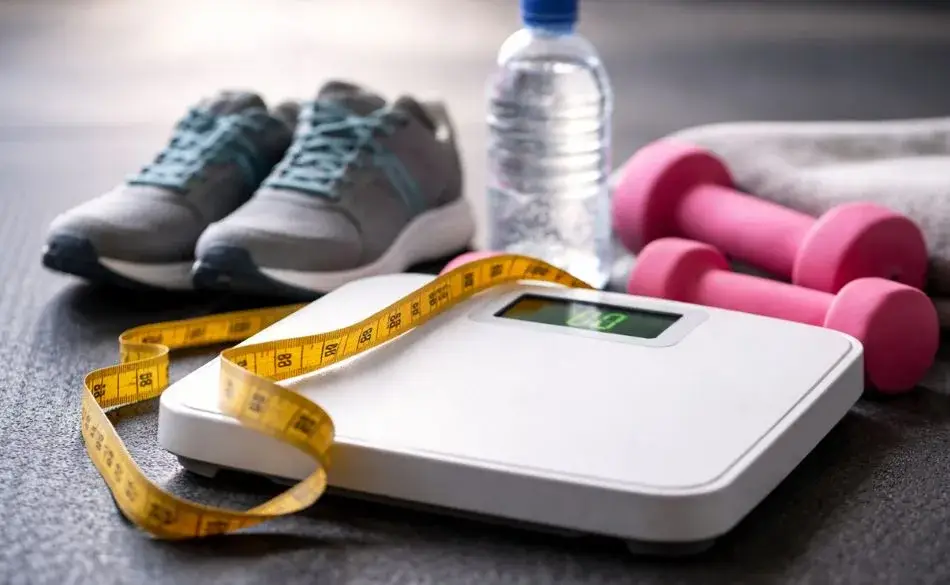
When you think about the benefits of sports, your mind probably goes straight to physical health. And you’re right to start there. Playing sports is one of the simplest ways to support a healthy lifestyle, because it keeps your body moving in ways that feel fun and natural. You’re not just exercising. You’re building habits that your future self will thank you for.
Sports help you improve cardiovascular health by making your heart stronger and more efficient. Each time your heart rate rises during movement, you train it to work better under pressure. Over time, this can lower the risk of heart issues. Even light activity adds up faster than most people expect. You don’t need elite athletic performance to get real health gains.
Another reason sports and health go hand in hand is muscle development. Regular movement strengthens muscles, improves joint stability, and boosts overall physical power. These changes help you move with ease and confidence in daily tasks, whether you’re carrying groceries or climbing stairs. When your body feels strong, your mind often feels stronger too.
Sports also support your immune system. Research shows that consistent moderate activity helps your body fight off illness more effectively. It’s one of those quiet benefits many people never think about, yet it makes a massive difference in how you feel week to week.
And let’s be honest. Feeling strong just feels good. When your muscles warm up, your breathing deepens, and your coordination improves, you start to trust your body more. That trust can spill into the rest of your life. You begin to take on challenges you might have avoided before, simply because your body now feels ready for them.
Ask yourself this. When was the last time you finished a workout and thought, “I regret doing that”? Probably never. The role of sports in life starts with the body, but the confidence that follows is what keeps you coming back.


2. Sports Support Mental Health and Resilience
Let’s be honest. Life feels heavy sometimes. Sports give you a simple way to lift some of that weight and protect your mind. The benefits of sports are not only about your body. They also shape your mood, your focus, and your daily energy.
Movement helps your brain release natural feel-good chemicals. You feel calmer after practice because activity helps your body clear stress signals. That is why sports often reduce stress even on busy days. A short game, a swim, or a jog can shift a bad morning into a better afternoon.
Here’s the thing about confidence. You earn it through action. Each practice you finish sends a small message to your brain that says, “I can do hard things.” Over time, this steady pattern improves confidence in sports and in life. You start speaking up in meetings. You try new tasks. You face challenges with a little more courage.
Sports also help you build routines that support your mental well-being. Set training times, simple goals, and a clear plan make your day feel more stable. That structure quietly builds discipline. It becomes easier to sleep on time, eat well, and show up ready. Small wins add up fast when your week has rhythm.
What about tough days when you want to skip? This is where the team or club matters. Training partners keep you honest and present. You arrive for them, and they arrive for you. The result is a stronger support network and better sports and mental health outcomes over months, not just hours.
Ask yourself this. Do you feel different after you move your body for twenty minutes? Most people do. That shift is powerful because it gives you control. When your mind starts to spiral, you have a simple tool you can use today. Sports put that tool in your pocket and remind you to use it.
In the end, the value of sports is clear. Your body moves. Your mind settles. Your day improves. That is a cycle worth repeating.
These positive changes are supported by a comprehensive review from Systematic Reviews Journal, which found that both team and individual sports improve psychological wellbeing and social connection.
If reading this has reminded you how powerful sports can be for your body, mind, and daily life, our Triathlon Coaching Program helps you turn those benefits into long-term progress. You’ll train with structure, learn smarter habits, and build confidence through clear sessions tailored to your goals and your weekly routine.
Every plan is designed to help you move better, stay consistent, and enjoy the journey—whether you're building fitness, improving your technique, or taking on your first major event. With the right coaching, the positive effects of sports become even stronger and far more sustainable.
Explore Triathlon Coaching
3. Sports Teach Powerful Life Skills You Can Use Every Day
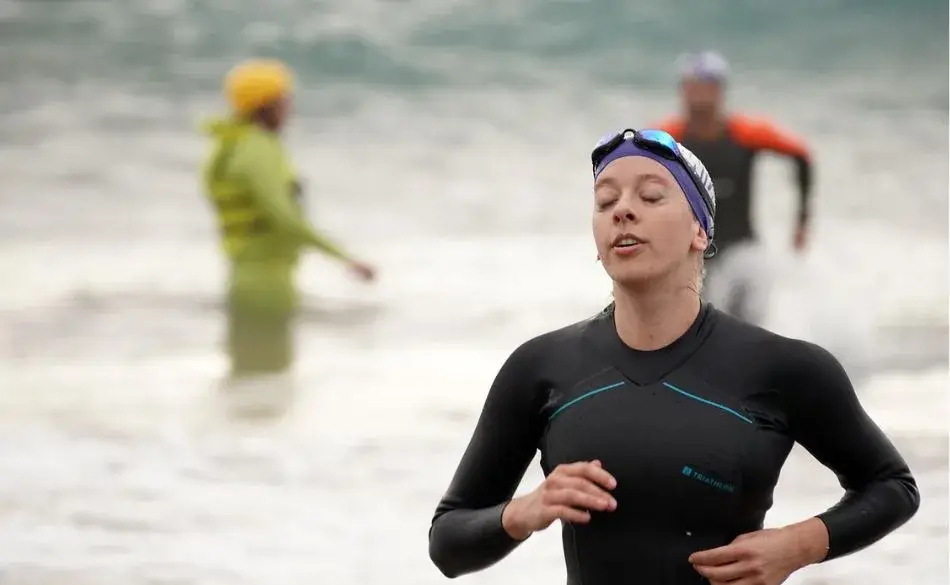
Some of the most important lessons you learn in life start with simple moments on the field, the track, or the court. The value of sports reaches far beyond physical movement. It teaches skills that shape how you think, how you work, and how you connect with people.
One of the biggest gifts sports give you is stronger teamwork skills. Even in individual sports, you often train with others. You learn how to communicate under pressure, how to support someone when they’re struggling, and how to accept help when you need it. These skills matter at work, in relationships, and in daily challenges that require patience and cooperation.
You also pick up leadership skills without even noticing. Sports push you to speak up, solve small problems fast, and make decisions when the moment matters. You learn how to stay calm when things feel intense. Those tiny moments build confidence you carry into real life.
Here’s the thing about character. It’s shaped through action. Sports quietly grow traits like honesty, responsibility, and discipline. You learn to show up on time. You learn that effort leads to improvement. You learn to fail, reset, and try again. This is how character building happens in a real, practical way.
Many people also forget how much sports improve communication skills. You practice listening. You learn how to give feedback that helps, not hurts. You understand how your tone affects the people around you. These are social skills some adults still struggle with, yet sports teach them early and naturally.
If you want a quick summary of how sports support you in daily life, here are a few core examples:
- Clearer communication during stressful moments.
- Better teamwork at school, work, or home.
- More confidence in unfamiliar or challenging situations.
- Improved problem-solving when things don’t go as planned.
- Stronger discipline that helps you stay on track with goals.
Ask yourself this. How many good habits have you built from sports without even noticing? Chances are, more than you think. The role of sports in life becomes obvious when you see how these skills help you every single day.


4. Sports Boost Your Social Life and Sense of Community
Sports have a unique way of bringing people together. You might join a team for fitness, stress relief, or fun, but you often gain something even more valuable. You gain people. The benefits of sports often show up in the friendships you build and the support you receive from others who share the same goals.
When you step into a training session, you enter a space where everyone is working toward something. That shared purpose creates connection fast. You start learning about others, cheering for their progress, and celebrating small wins together. This natural sense of belonging helps you feel grounded, even during stressful weeks.
Sports also help with social development in ways many people overlook. You learn how to interact with different personalities. You understand how to give space, how to encourage someone, and how to read a situation without words. These skills matter everywhere in life. They help you build stronger relationships at work, at school, and at home.
Another benefit is accountability. Your training partners become people who expect you to show up. They notice when you miss a session. They ask how you’re feeling and remind you of your goals. This gentle pressure helps you stay consistent without feeling alone.
Here’s something else worth noting. Sports create natural conversation. Whether you’re talking about last week’s training plan, a new personal best, or a tough session, you always have something real to share. This makes socialising easier, especially if you usually struggle to connect with people.


5. Sports Improve Discipline, Focus, and Goal Setting
Sports train your mind to stay steady when life gets busy. You learn how to plan, how to adjust, and how to chase goals that feel bigger than your comfort zone. These habits shape your daily life in powerful ways, and most people don’t realise how much the benefits of sports influence these skills.
Think about the discipline you build through regular practice. You show up even when the weather is cold or when you feel tired. You learn that progress comes from consistency, not perfection. That steady effort teaches you the kind of focus you need to succeed in school, work, or personal projects. It’s all connected through routine and repetition.
Sports also help you understand simple goal-setting. You choose something to improve, plan the steps, and slowly see results. You get better at breaking big challenges into smaller tasks, and guides like our Cycling and Weight Training for Beginners show how structured training makes those steps easier to follow. This is one of the core parts of goal setting that carries into real life. The ability to work through a plan without giving up is one of the most useful life skills you can develop.
Here’s something many people overlook. Sports sharpen your concentration. Every kick, throw, sprint, or stroke teaches your brain to tune out noise and stay present. Over time, this focus becomes a habit. You start thinking more clearly in other parts of your life, especially in moments that feel stressful or fast-paced.
If you want to see how sports improve focus and discipline, consider these examples:
- Practice schedules teach you to manage your time more effectively.
- Training plans help you stay organised and committed.
- Challenging sessions strengthen your ability to push through discomfort.
- Competitive moments sharpen your focus under pressure.
- Small improvements reinforce the value of patience and consistency.


6. Sports Help Kids and Adults Build Healthy Habits for Life
Healthy habits are easier to build when they feel enjoyable, and that’s why sports make such a big difference. The importance of physical activity becomes clear when you realise how early movement shapes your routines, energy, and long-term health. Whether you’re a child learning a new game or an adult returning to fitness, sports guide you toward habits that support a stronger mind and body.
Sports are especially powerful for kids. They encourage play, curiosity, and confidence. Children who join sports early often develop better coordination, stronger social skills, and more stable routines. These patterns follow them into adulthood. Many studies show that kids in sports are more likely to stay active later in life, which supports long-term sports participation.
Adults benefit in a different but equally important way. When life gets busy, activity is usually the first thing people drop. Sports give you structure so healthy habits stay in your schedule. When training feels enjoyable, you’re more likely to stick with it. This supports your healthy lifestyle over months and years instead of short bursts of motivation.
Here are a few ways sports help people of all ages build habits that last:
- They create regular activity patterns that keep your body strong.
- They offer a social environment that makes movement more enjoyable.
- They teach responsibility through simple commitments.
- They add natural motivation through games, goals, and progress.
- They turn exercise into something you look forward to, not avoid.
Ask yourself this. How much easier is it to stick with movement when you enjoy the people and the process? That’s why sports feel different from normal workouts. They pull you in emotionally. They help you see progress in a real and satisfying way.
If this article has reminded you how valuable sports are for your health, confidence, and daily energy, our Cycling Coaching Program gives you the structure and support you need to turn those benefits into real progress. You’ll train smarter with personalised sessions built around your goals, fitness level, and weekly schedule.
Whether you're aiming to improve endurance, climb stronger, increase power, or simply enjoy riding more, you’ll follow a clear plan that keeps you consistent and motivated. The right coaching amplifies every benefit of cycling and helps you feel confident on every ride.
Explore Cycling Coaching

7. Sports Improve Your Overall Health in Ways Most People Don’t Notice
Most people think of sports as something that builds strength or fitness, but the hidden benefits of sports reach much deeper. Some of the most powerful changes happen quietly inside your body. You may not feel them right away, but they make a huge difference in your long-term health.
One of the biggest changes is how sports support your heart and lungs. Regular movement helps your body use oxygen more efficiently. Your heart pumps more smoothly. Your breathing becomes steadier during daily tasks. These improvements make simple activities feel easier, whether you’re walking stairs or carrying groceries.
Sports also help create better balance between effort and recovery. This supports your immune system over time. Moderate, consistent activity encourages your body to fight off illness more effectively. You may notice you get fewer colds, feel less run-down, or recover faster after busy weeks.
Another quiet benefit is improved coordination. When you move quickly in different directions, your brain and muscles learn to communicate better. This helps you avoid falls, react faster, and stay safer in everyday life. It’s one of the reasons both kids and older adults benefit so much from regular movement.
Here’s something many people never consider. Sports improve your metabolic health. Your body uses energy more efficiently. Your blood sugar becomes more stable. Your muscles burn more calories even when you’re resting. These changes help reduce long-term health risks without you thinking about them every day.
If you want examples of unnoticed improvements, here are a few:
- Better sleep quality that helps your mind reset overnight.
- More stable energy throughout the day instead of big crashes.
- Improved posture from stronger core and back muscles.
- Better joint support from increased muscle strength.
- Faster recovery after stressful days or tough weeks.
8. Sports Improve Performance Through Structure and Smart Training
Sports give you something most workouts don’t. They give you structure. When you follow a training plan or practice schedule, you start improving your athletic performance in steady, measurable ways. This structure helps your body get stronger, faster, and more coordinated without feeling overwhelmed.
Here’s something many people overlook. Sports follow patterns that match how the human body improves best. You warm up, you build skill, you challenge your limits, and then you cool down. This natural flow teaches your body to adapt without burning out. Over time, you see improvements in speed, power, and overall fitness. These changes happen because sports train different systems of the body at once.
Sports also help you understand your strengths and weaknesses. You learn where you feel confident and where you need more practice. This awareness supports better sports training decisions. Instead of guessing what to work on, you focus on exactly what helps you progress. That’s how real skill grows.
To show how structure improves performance, here is a simple comparison table:
👉 Swipe to view full table
| Training Element | Unstructured Workouts | Sports-Based Training |
|---|---|---|
| Consistency | Often depends on daily motivation which can drop quickly. | Practice schedules and team commitments keep you showing up. |
| Skill Development | Skills improve slowly without guidance. | Clear drills and coaching accelerate improvement. |
| Progress Tracking | Harder to measure improvements. | Games, times, or distances show progress clearly. |
| Motivation | Easy to skip or stop early. | Teammates and goals push you to stay focused. |
| Fitness Gains | Inconsistent physical results. | Balanced training improves endurance, strength, and coordination. |
If you want to understand your training intensity even better, our Mastering Running Zones guide explains how to use zones to improve performance with less guesswork.

9. Build Confidence Through Real Progress and Personal Growth
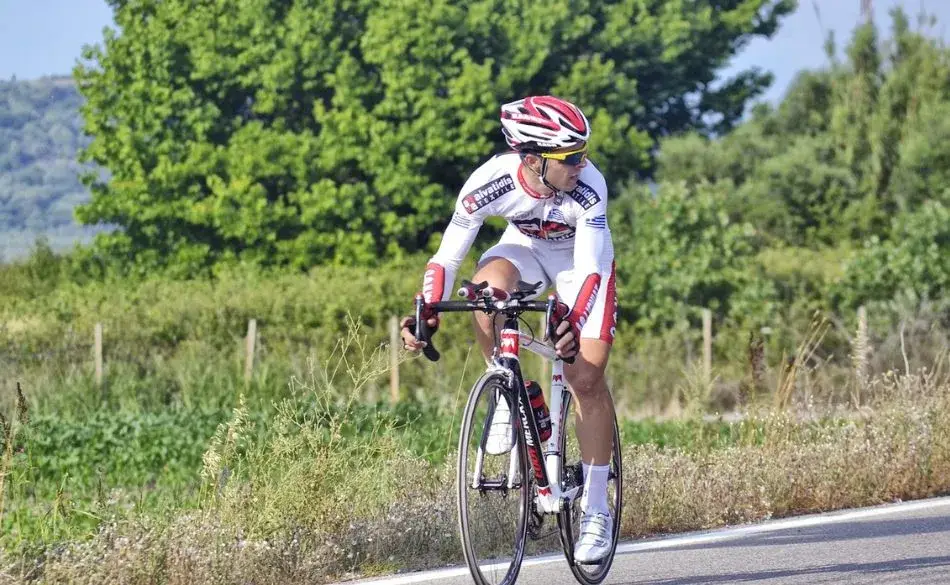
Confidence grows when you see yourself improving, even in small ways. That’s one of the quiet benefits of sports that people often underestimate. Every practice, every game, and every challenge gives you a chance to prove to yourself that you can grow. This steady progress becomes the foundation for stronger self-belief in your daily life.
One of my coaching clients, Mark, told me he joined a local social team because he felt out of shape and stressed. At first, he doubted himself during every session. But after a few weeks, he noticed he was breathing easier and moving smoother. That small shift changed everything. He started taking on new tasks at work, speaking up in meetings, and even joining weekend events he used to avoid. His confidence didn’t come from winning. It came from showing up.
Sports also challenge you in ways that build resilience. You learn how to handle setbacks without falling apart. Missed goals, tough matches, and hard training sessions teach you to keep going. These are the moments that shape your mental well-being. When you face difficulties later in life, you remember that you have already faced tough moments and found a way through them.
Another powerful part of confidence comes from self-awareness. Sports help you see what you’re good at and where you can improve. This awareness supports your personal growth. You learn to celebrate your strengths and work on your weaknesses. That balanced mindset helps you make smarter decisions in school, work, and relationships.
You might not realise it, but confidence from sports spills into every area of life. You stand a little taller. You speak a little clearer. You trust yourself more. These small shifts build up over months and shape how you see yourself every day.

10. Sports Shape a Better Quality of Life Through Joy, Energy, and Balance
Sports make life feel fuller, brighter, and more balanced. This is one of the benefits of sports people talk about less often, yet it might be the most important one. When you move your body, connect with others, and work toward simple goals, your whole life feels more stable and enjoyable.
One of the biggest changes you notice is your energy. Regular activity supports a healthy lifestyle by helping your body create more natural energy throughout the day. You don’t feel as sluggish in the morning. You recover faster after stressful moments. Your mood feels more even. Movement acts like a reset button that keeps you feeling balanced.
Sports also add fun to your routine. Let’s be honest. Many adults lose the sense of play they had as kids. Sports bring that back. The games, challenges, friendly competition, and shared excitement create real joy. This emotional lift is part of your mental well-being and helps reduce the stress that builds up during the week.
Sports also give you purpose. When you have a training session planned, a skill to master, or a team to support, your days feel more meaningful, and guides like our What Is the Best Age for a Marathon Runner article show how different life stages shape the goals you pursue. These moments help you avoid the boredom, isolation, or restlessness that many people experience when life becomes repetitive.
If you want to see how sports improve your quality of life, here’s what they quietly add:
- More steady daily energy so you can handle busy schedules.
- Better mood thanks to lower stress and more movement.
- A sense of excitement from new challenges and goals.
- Time away from screens that helps your mind reset.
- A stronger sense of identity through hobbies and interests.
Ask yourself this. When was the last time you felt genuinely proud, excited, or recharged after doing something active? Sports give you these moments over and over again. The value of sports becomes impossible to ignore when you notice how much they improve not just your health but your overall happiness and balance in life.