How Your 24 Week Ironman Training Plan Is Structured
A strong Ironman training schedule isn’t built on punishment — it’s built on structure, recovery, and purpose. Your 24 Week Ironman Training Plan follows a proven four-phase approach used by endurance coaches worldwide: base, build, peak, and taper. Each phase serves a unique purpose, helping you develop endurance, strength, and confidence without burning out.
The base phase usually lasts around 6 to 10 weeks. This is where you build your aerobic foundation and refine technique across the swim, bike, and run. Most of your sessions stay in low to moderate intensity, with gentle progressions and easy brick workouts to help your body adapt to combined efforts. Think of it as pouring the concrete before you raise the walls. Steady, patient, and consistent.
The build phase typically spans 5 to 8 weeks. Here, your workouts become longer and more race-specific. You’ll start simulating the fatigue of race day through bike-run brick workouts, extended rides, and tempo runs. This is also where you fine-tune your Ironman nutrition and pacing strategies, since learning how to fuel and pace now prevents big mistakes later.
Next comes the peak phase, lasting roughly 4 to 6 weeks before taper. During this period, many age-group athletes train somewhere in the range of 8 to 15+ hours per week, depending on experience, recovery, and time availability. Data from platforms like TrainingPeaks and 220 Triathlon show that consistent, balanced training in this range produces excellent results for most non-professional athletes. Overdoing volume often leads to fatigue rather than better fitness.
Finally, the taper phase (the final 2 to 4 weeks) reduces your total training volume by about 30 to 50 percent while maintaining shorter, race-intensity efforts. This taper allows your body to repair muscle fibers, rebuild glycogen, and sharpen mentally before race day. Research and coaching practice consistently show that athletes who taper properly perform better and feel fresher on the start line.
Every athlete’s 24-week journey looks a little different and that’s the point. By following a structured, flexible plan built around proven endurance principles, you’ll stay consistent, confident, and ready to perform your best when it counts.
If you're following our 24 Week Ironman Training Plan and want personalised guidance, our Triathlon Coaching Program gives you structured support across swimming, cycling, and running. You’ll get clear sessions, pacing strategies, and taper guidance designed to help you improve steadily while avoiding burnout.
Each plan is built to enhance your technique, manage training load intelligently, and make you feel prepared and confident on race day—whether it’s your first full Ironman or you’re aiming to beat your previous best time.
Explore Triathlon Coaching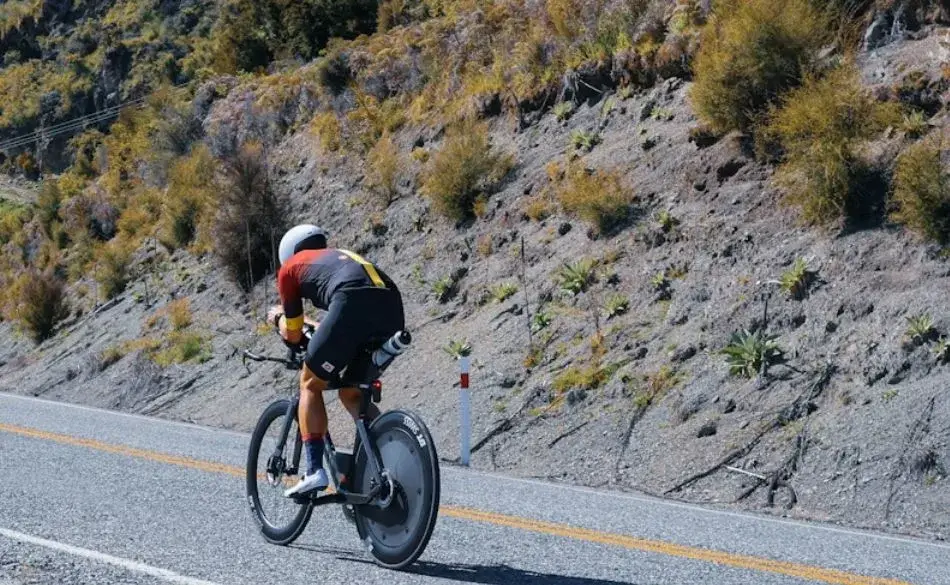
What Your Weekly Ironman Schedule Looks Like
Planning your weekly schedule is the key to getting the most out of your 24 Week Ironman Training Plan. Each week should balance swim, bike, and run workouts with rest and recovery so your body adapts without burning out.
During the base phase, focus on building aerobic endurance, refining swimming technique, and getting comfortable with consistent mileage. The build phase gradually increases volume and intensity, introducing brick sessions that simulate race-day fatigue. The peak phase pushes your longest training sessions while reinforcing pacing and fueling strategies. Finally, the taper phase reduces volume and maintains short bursts of race-pace effort so you arrive at the start line feeling strong and fresh.
The table below outlines a full 24-week plan with ranges for duration and intensity for each session. Use it as a guide, adjusting based on your experience, recovery, and schedule.
👉 Swipe to view full 24-week plan
| Week | Monday | Tuesday | Wednesday | Thursday | Friday | Saturday | Sunday |
|---|---|---|---|---|---|---|---|
| 1 | Rest | Swim 30-45 min (Easy) | Bike 45-60 min (Easy) | Run 20-30 min (Easy) | Swim 30-45 min (Easy) | Bike 60-90 min (Easy) | Run 30-45 min (Easy) |
| 2 | Rest | Swim 30-45 min (Technique focus) | Bike 45-60 min (Easy) | Run 25-35 min (Easy) | Swim 35-45 min (Easy) | Bike 70-100 min (Endurance) | Run 35-50 min (Easy) |
| 3 | Rest | Swim 40-50 min (Technique/Endurance) | Bike 50-65 min (Easy-Moderate) | Run 30-40 min (Easy) | Swim 40-50 min (Endurance) | Bike 80-110 min (Endurance) | Run 40-55 min (Easy) |
| 4 | Rest | Swim 40-50 min (Endurance) | Bike 55-70 min (Easy-Moderate) | Run 35-45 min (Easy) | Swim 45-55 min (Endurance) | Bike 90-120 min (Endurance) | Run 45-60 min (Easy) |
| 5 | Rest | Swim 45-55 min (Endurance) | Bike 60-75 min (Easy-Moderate) | Run 40-50 min (Easy) | Swim 45-55 min (Endurance) | Bike 100-130 min (Endurance) | Run 50-65 min (Easy) |
| 6 | Rest | Swim 45-60 min (Endurance) | Bike 60-75 min (Easy-Moderate) | Run 45-50 min (Easy) | Swim 50-60 min (Endurance) | Bike 110-140 min (Endurance) | Run 55-70 min (Easy) |
| 7 | Rest | Swim 50-60 min (Technique/Moderate) | Bike 70-90 min (Moderate) | Run 45-55 min (Easy-Moderate) | Swim 50-60 min (Endurance) | Bike 120-150 min (Endurance) | Run 60-75 min (Easy) |
| 8 | Rest | Swim 55-65 min (Endurance) | Bike 75-90 min (Moderate) | Run 50-60 min (Moderate) | Swim 55-65 min (Endurance) | Bike 130-160 min (Endurance) | Run 65-80 min (Easy-Moderate) |
| 9 | Rest | Swim 55-65 min (Technique/Endurance) | Bike 80-100 min (Moderate) | Run 55-65 min (Moderate) | Swim 55-65 min (Endurance) | Bike 140-170 min (Endurance) | Run 70-85 min (Easy-Moderate) |
| 10 | Rest | Swim 60-70 min (Endurance) | Bike 85-100 min (Moderate) | Run 60-70 min (Moderate) | Swim 60-70 min (Endurance) | Bike 150-180 min (Endurance) | Run 75-90 min (Easy-Moderate) |
| 11 | Rest | Swim 60-70 min (Endurance) | Bike 90-110 min (Moderate) | Run 60-70 min (Moderate) | Swim 60-70 min (Endurance) | Bike 160-190 min (Endurance) | Run 75-95 min (Moderate) |
| 12 | Rest | Swim 65-75 min (Endurance) | Bike 90-110 min (Moderate) | Run 65-75 min (Moderate) | Swim 65-75 min (Endurance) | Bike 170-200 min (Endurance) | Run 80-100 min (Moderate) |
| 13 | Rest | Swim 65-75 min (Endurance) | Bike 100-120 min (Moderate) | Run 65-75 min (Moderate) | Swim 65-75 min (Endurance) | Bike 180-210 min (Endurance) | Run 85-105 min (Moderate) |
| 14 | Rest | Swim 70-80 min (Endurance) | Bike 100-120 min (Moderate) | Run 70-80 min (Moderate) | Swim 70-80 min (Endurance) | Bike 190-220 min (Endurance) | Run 90-110 min (Moderate) |
| 15 | Rest | Swim 70-80 min (Endurance) | Bike 110-130 min (Moderate-Hard) | Run 75-85 min (Moderate) | Swim 70-80 min (Endurance) | Bike 200-230 min (Endurance) | Run 95-115 min (Moderate) |
| 16 | Rest | Swim 75-85 min (Endurance) | Bike 110-130 min (Moderate-Hard) | Run 80-90 min (Moderate) | Swim 75-85 min (Endurance) | Bike 210-240 min (Endurance) | Run 100-120 min (Moderate) |
| 17 | Rest | Swim 75-85 min (Endurance) | Bike 120-140 min (Moderate-Hard) | Run 80-90 min (Moderate) | Swim 75-85 min (Endurance) | Bike 220-250 min (Endurance) | Run 105-125 min (Moderate) |
| 18 | Rest | Swim 80-90 min (Endurance) | Bike 120-140 min (Moderate-Hard) | Run 85-95 min (Moderate) | Swim 80-90 min (Endurance) | Bike 230-260 min (Endurance) | Run 110-130 min (Moderate) |
| 19 | Rest | Swim 80-90 min (Endurance) | Bike 130-150 min (Moderate-Hard) | Run 85-95 min (Moderate) | Swim 80-90 min (Endurance) | Bike 240-270 min (Endurance) | Run 115-135 min (Moderate) |
| 20 | Rest | Swim 85-95 min (Endurance) | Bike 130-150 min (Moderate-Hard) | Run 90-100 min (Moderate) | Swim 85-95 min (Endurance) | Bike 250-280 min (Endurance) | Run 120-140 min (Moderate) |
| 21 | Rest | Swim 60-70 min (Easy) | Bike 90-110 min (Easy) | Run 50-60 min (Easy) | Swim 60-70 min (Easy) | Bike 150-180 min (Moderate) | Run 70-90 min (Easy) |
| 22 | Rest | Swim 50-60 min (Easy) | Bike 70-90 min (Easy) | Run 40-50 min (Easy) | Swim 50-60 min (Easy) | Bike 120-150 min (Moderate) | Run 50-70 min (Easy) |
| 23 | Rest | Swim 40-50 min (Easy) | Bike 60-80 min (Easy) | Run 30-40 min (Easy) | Swim 40-50 min (Easy) | Bike 90-120 min (Moderate) | Run 40-60 min (Easy) |
| 24 | Rest | Swim 30-40 min (Easy) | Bike 45-60 min (Easy) | Run 20-30 min (Easy) | Swim 30-40 min (Easy) | Bike 60-90 min (Easy) | Run 20-30 min (Easy) |
This 24-week schedule is designed to guide you safely from base fitness to race-ready performance. Remember, these times are ranges, not rigid rules. Listen to your body and modify sessions if you feel fatigued or need extra recovery.
Consistency matters more than exact hours. Rest days, shorter workouts, and proper fueling all contribute to peak performance on race day. You can also experiment with brick workouts and long weekend rides to see what works best for your body.
By following this structured plan, you’ll build endurance, confidence, and race-day readiness. Stick with it, track your progress, and you’ll see the results on the course.
You’re already following the 24 Week Ironman Training Plan. If your goal is ambitious and you’re targeting a finish under 13 hours, our Sub‑13 Hour Ironman Training Plan offers a focused roadmap built for speed, efficiency, and optimal race execution.
Designed for experienced athletes committed to maximising their performance, this plan refines your swim, bike, and run phases, fine‑tunes your pacing strategy and nutrition, and ensures you show up to race day primed and ready.
Explore the Sub‑13 Hour Plan
Essential Swim, Bike, and Run Workouts
Your 24 Week Ironman Training Plan isn’t just about logging hours, it’s about choosing the right workouts at the right intensity. Each discipline has specific sessions that build endurance, strength, and race-day readiness. Here’s what to focus on:
Swim Workouts
- Technique-focused sessions: 30–60 minutes, including drills for breathing, stroke efficiency, and body position.
- Endurance swims: 45–90 minutes at moderate intensity, building aerobic capacity. As you approach the taper phase, you can refine these with specific sets. See our Taper Swim Sets guide for how to adjust your swim volume and intensity.
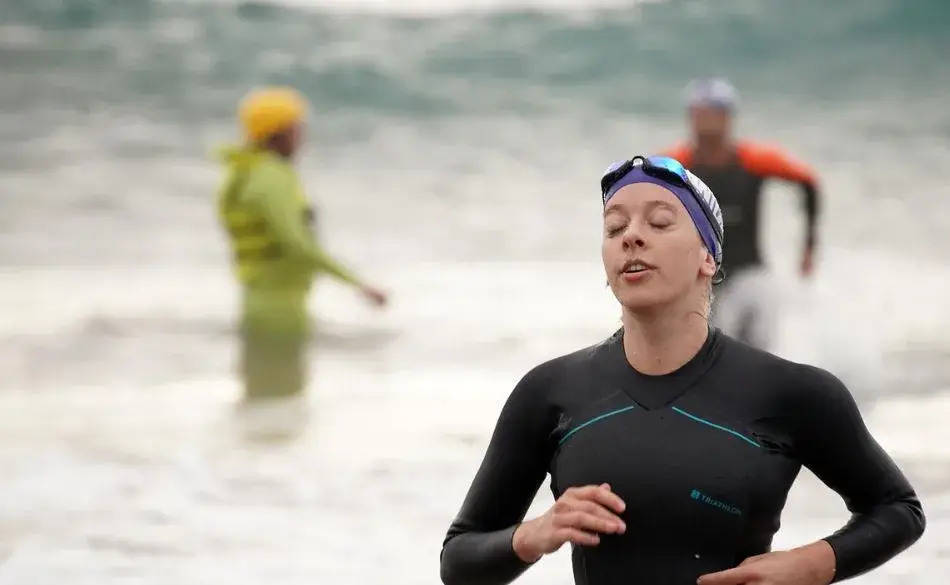
- Open-water practice: Simulate race conditions, practice sighting, starts, and turns.
- Speed intervals: 50–200m repeats at higher intensity, helping you maintain form under fatigue.
One of my clients, Mark, improved his swim by consistently doing 2 technique sessions per week plus an endurance swim. His stroke felt effortless by week 12.
Bike Workouts
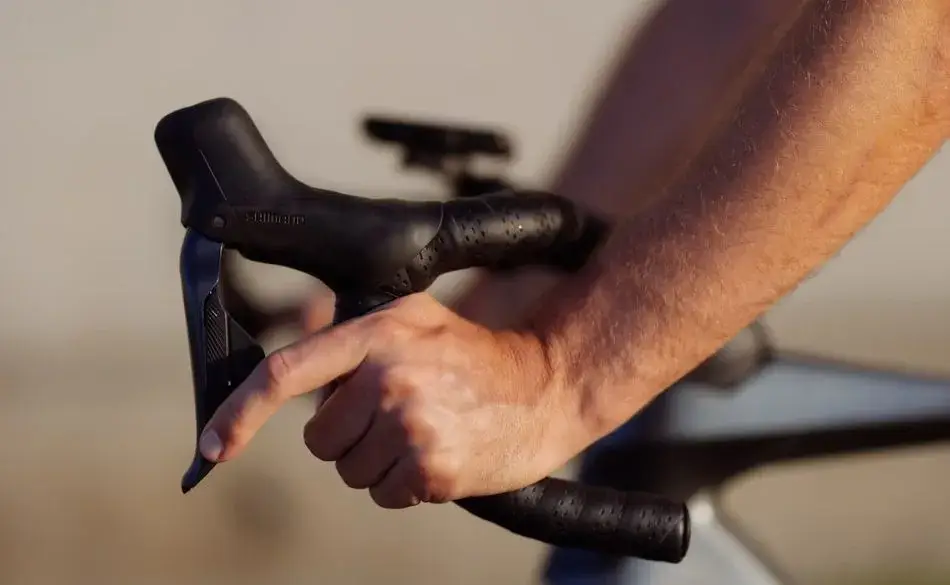
- Endurance rides: 60–250 minutes depending on the phase, focus on consistent pace and efficient pedal technique.
- Intervals: 5–15 minutes at high intensity with recovery periods, building power and lactate threshold.
- Brick workouts: Bike immediately followed by a short run, teaching your legs to adapt to race-day fatigue.
- Cadence drills: High cadence for 5–10 minutes to improve pedalling efficiency. For a deeper explanation of why cadence matters and how to find your ideal rhythm check out our Finding The Best Cadence for Cycling guide.
Run Workouts
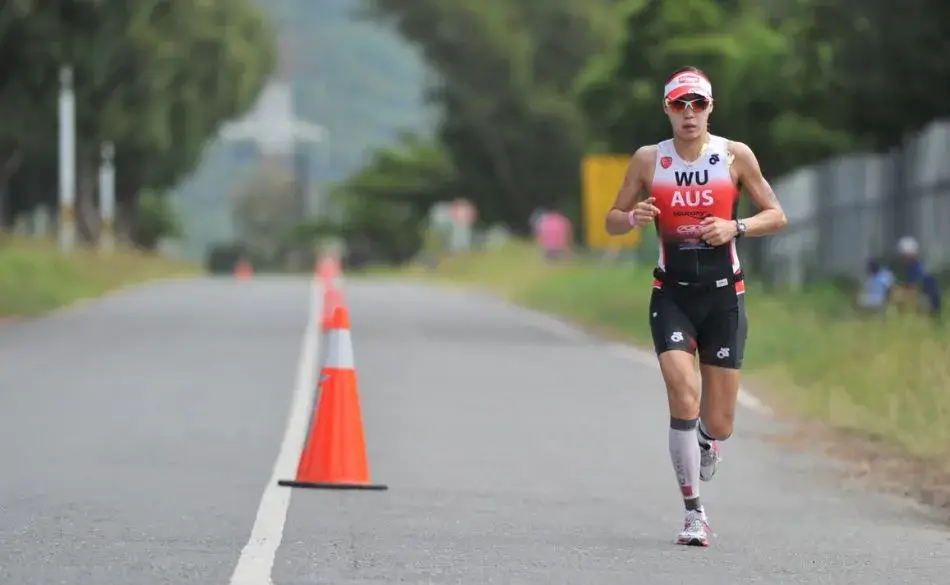
- Easy runs: Build aerobic base, usually 20–90 minutes depending on phase. For focused run strategy and finishing strong in the build and peak phases check out our How to Conquer Ironman Runs article.
- Tempo runs: Sustained pace for 20–45 minutes, improving lactate threshold and pacing skills.
- Brick runs: Short runs after cycling to simulate race conditions.
- Strides or intervals: 15–30 seconds sprints with recovery, enhancing running form and speed.
Balancing these workouts is crucial. Consistency beats volume alone, and recovery days allow your body to adapt and avoid injury. Each session in your plan has a purpose, whether it’s technique, endurance, or race simulation. For those just starting out, our Couch to Triathlon Beginners Guide provides a perfect introduction to building swim, bike, and run endurance safely and effectively.
Remember to track your perceived effort and heart rate during each session. This helps you adjust intensity without overtraining, ensuring you progress steadily through the 24 Week Ironman Training Plan.

Recovery, Nutrition, and Race-Day Tips
Training for an Ironman is demanding. Your 24 Week Ironman Training Plan works best when you pair workouts with proper recovery, nutrition, and race-day strategies. These elements ensure you make consistent progress, prevent injuries, and perform at your best on race day.
Recovery Tips
- Rest days: At least one full rest day per week allows muscles to repair and adapt.
- Active recovery: Easy swims, light cycling, or walking can increase blood flow without adding stress.
- Sleep: Aim for 7–9 hours nightly; recovery, hormone regulation, and performance improve with quality rest.
- Foam rolling and stretching: Reduce muscle tightness, improve flexibility, and prevent overuse injuries.
- Monitor fatigue: Use perceived effort, heart rate, or simple wellness checks to know when to scale back intensity.
Nutrition Strategies
- Daily fueling: Balance carbohydrates, protein, and healthy fats to support energy and recovery.
- Hydration: Maintain fluid balance throughout the day and during workouts.
- Race-day practice: Use long rides and runs to test energy gels, drinks, and timing strategies.
- Timing meals: Eat 2–3 hours before long sessions, and refuel within 30–60 minutes post-workout.
- Electrolytes: Replenish sodium, potassium, and magnesium to prevent cramping during long sessions.
Race-Day Tips
- Pacing: Stick to your practiced pace from training, avoiding early burnout. For guidance on timing yourself and ensuring you meet race limits, see our Full Ironman Cut Off Times Explained guide.
- Transitions: Practice bike-to-run bricks to get your legs used to changing disciplines.
- Equipment check: Test wetsuits, shoes, and bikes in training to avoid surprises.
- Mental strategies: Break the race into manageable sections; visualize success and stay positive.
- Nutrition during race: Stick with familiar gels, bars, and drinks; avoid experimenting with new foods.
One athlete I coach avoided common race-day fatigue by practicing fueling every 30–45 minutes on long bike sessions. By race day, her body adapted to digesting while moving, and she felt strong through the marathon.
Combining these recovery, nutrition, and race-day strategies with your structured 24 Week Ironman Training Plan will maximize performance and reduce the risk of injury. Train smart, recover well, fuel properly, and you’ll arrive at the start line confident and prepared.
Whether you’re using the 24 Week Ironman Training Plan, have completed one, or are just starting your long‑distance journey, our Ironman Training Plans for All Levels give you the flexibility to choose the ideal programme tailored to your experience, goal time and fitness level.
From first‑time finishers to seasoned age‑group athletes chasing a personal best, these plans include structured swim, bike, and run workouts, pacing strategies and taper guidance—so you show up feeling prepared and confident.
View All Ironman Training Plans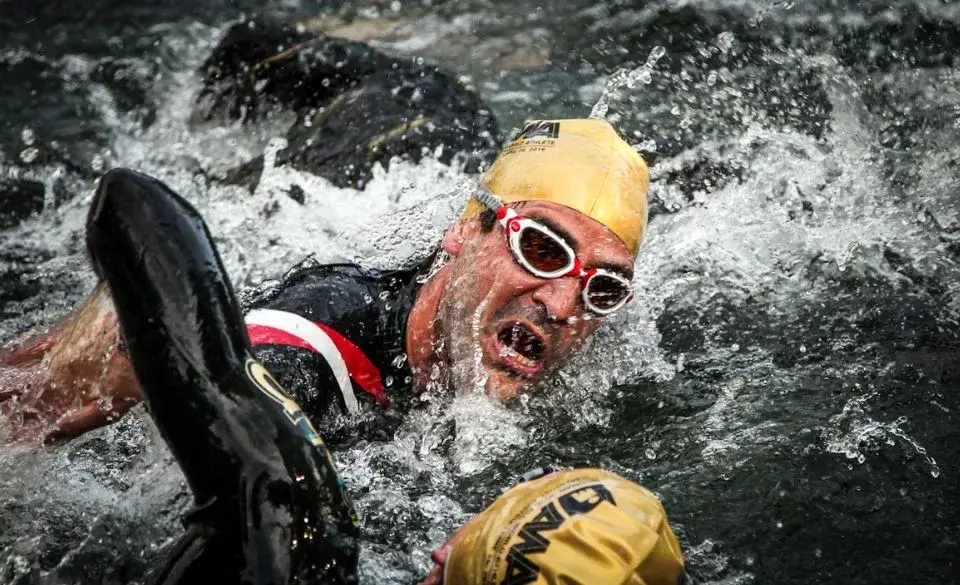
Conclusion: Take on Your Ironman with Confidence
Completing a full Ironman is a remarkable achievement — and your 24 Week Ironman Training Plan is designed to guide you step by step. Remember, it’s not about rushing through workouts or overtraining; it’s about smart, consistent progress and learning how your body responds to each session.
By following the structured phases ( base, build, peak, and taper)you’ll develop endurance, strength, and confidence across swim, bike, and run. Integrating proper recovery, nutrition, and race-day strategies ensures your training is sustainable and effective.
Ask yourself:
- Are you fueling consistently during long sessions?
- Are you listening to your body and adjusting for fatigue?
- Have you practiced bricks and transitions enough to feel confident on race day?
Answering these questions honestly will help you train smarter and stay injury-free. One of my coaching clients, Laura, found that simply tracking her perceived effort and recovery each week made her stronger and more confident. By race day, she felt prepared and avoided the burnout many first-time Ironman athletes face.
Here’s the thing: preparation isn’t just physical. Mental strategies, confidence in your plan, and knowing your limits play a huge role in success. Celebrate small milestones along the way — each long ride, brick workout, and tempo run counts toward building the athlete you want to become.
Take the knowledge, structure, and tips in this 24 Week Ironman Training Plan and make it your own. Stick with it, stay consistent, and you’ll arrive at the start line ready, confident, and excited to achieve your Ironman goal.
Frequently Asked Questions
How many hours per week should I expect to train?
Training time varies depending on your experience and the phase you’re in, but most people average between 8 and 14 hours per week. Expect lower volume early on, with bigger training weeks as you approach peak phase.
Do I need a coach to complete an Ironman?
A coach isn’t required, but they can make a big difference—especially for first-timers. A coach can help you stay on track, adjust for your schedule, and make smarter decisions when fatigue or life shows up.
How important is nutrition during training?
Very. Fueling well supports performance, recovery, and overall energy levels. Long sessions are the perfect time to test your race-day nutrition plan so you’re not guessing on the big day.
Is strength training really necessary?
Absolutely. Two short strength sessions a week can improve durability, reduce injury risk, and make you more efficient across all three sports. Think of it as support work that pays off on race day.
I’m not a strong swimmer—should I still do an Ironman?
You’re not alone. Many athletes come to triathlon with limited swim experience. Focus on technique early, add a third swim session if possible, and consider working with a swim coach or group for added support.