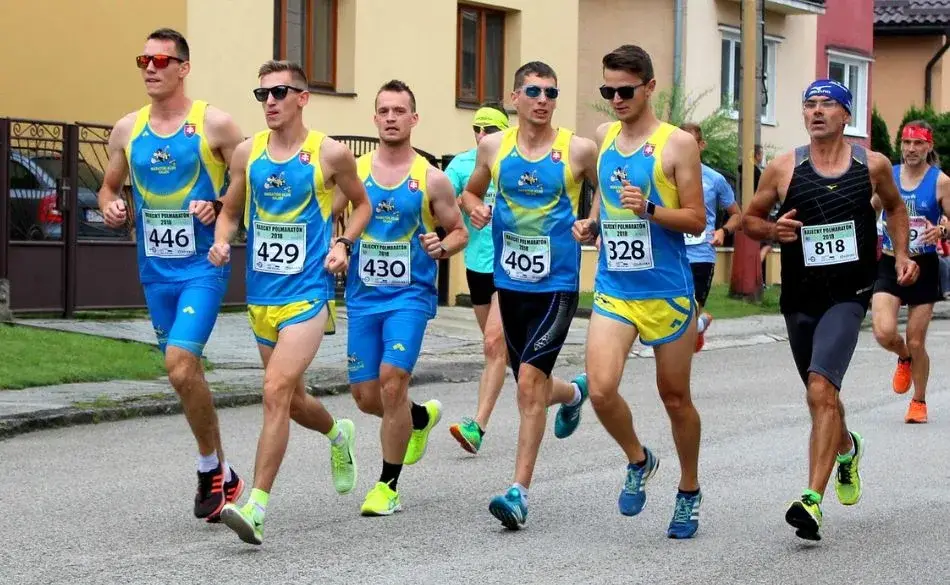
What Is a 3:30 Marathon Pace?
To run a marathon in 3 hours and 30 minutes, you must average 8:00 minutes per mile or 4:58 per kilometer. This is your target pace across the entire race distance. That means no sprinting at the start, and no slowing down at mile 20 if you want to hit your goal.
It’s a balancing act. You need to run smart, conserve energy, and be ready for the hard miles in the final third of the race.
Here’s a detailed marathon pace chart to help visualize your race splits:
| Mile Marker | KM Marker | Split Time (Mile) | Cumulative Time (Mile) | Split Time (KM) | Cumulative Time (KM) |
|---|---|---|---|---|---|
| 1 | 1.6 | 8:00 | 0:08:00 | 4:58 | 0:04:58 |
| 5 | 8 | 8:00 | 0:40:00 | 4:58 | 0:39:04 |
| 10 | 16 | 8:00 | 1:20:00 | 4:58 | 1:19:04 |
| 13.1 (Half) | 21.1 | 8:00 | 1:44:52 | 4:58 | 1:44:52 |
| 15 | 24 | 8:00 | 2:00:00 | 4:58 | 1:59:12 |
| 20 | 32 | 8:00 | 2:40:00 | 4:58 | 2:39:12 |
| 23 | 37 | 8:00 | 3:04:00 | 4:58 | 3:03:46 |
| 25 | 40 | 8:00 | 3:20:00 | 4:58 | 3:19:12 |
| 26.2 (Finish) | 42.2 | 8:00 | 3:30:00 | 4:58 | 3:29:59 |
Why Pacing Strategy Matters
Your pacing plan can be the difference between running strong to the finish or crashing at mile 30. A well-thought-out marathon pacing strategy helps manage energy, prevent injury, and keep your head in the game when things get tough.
The ideal approach for a 330 marathon pace is called even pacing. This means hitting your 8:00 per mile (or 4:58 per kilometer) target right from the start and holding it steady throughout the race. It sounds simple, but in the excitement of race day, many runners take off too fast and pay for it later.
Why is this such a big deal?
Think of your energy like a fuel tank. Go out too hot, and you’ll be running on fumes by the final 10 kilometers. That early adrenaline rush? It’s tempting, but deceptive. Experienced runners know the real race starts around 30 to 32 km. If you’ve burned through your energy early, that’s when you hit “the wall.”
In contrast, runners who stick to a conservative pace and aim for a negative split – running the second half slightly faster than the first – often finish stronger and recover faster.
A good read from Training Peaks is the Pacing Strategy for a Marathon article which provides insights into various pacing techniques, including the benefits and challenges of each.
| Pacing Strategy | How It Works | Pros | Cons | Best For |
|---|---|---|---|---|
| Even Split | Run consistent pace throughout (e.g., 8:00/mile) | Energy efficient, easy to plan fueling | Requires strict discipline early on | Most runners, especially those chasing sub-3:30 |
| Negative Split | Slightly slower first half, faster second half | Stronger finish, mental boost in final 10K | Harder to execute, demands precise training | Advanced runners with excellent pacing control |
| Positive Split | Faster first half, slower second half | Takes advantage of early adrenaline | Often leads to burnout and slower finish | Inexperienced runners or high-risk strategies |
| Pace Group Running | Follow a pacer to stay on track | Motivating, less mental effort | Group may go too fast or feel crowded | First-time sub-3:30 runners |
Are You Ready for a Sub 3:30 Marathon?
A sub 3:30 marathon isn’t something you can fake your way through. You’ll need a solid marathon training plan, and that starts with a reality check.
Ask yourself:
- Can you currently run a 10K in under 45 minutes?
- Have you completed a half marathon near 1 hour and 40 minutes?
- Are you running 50 kilometers or more each week consistently?
If you’re unsure, don’t worry. These benchmarks don’t mean you’re out of reach. They just tell you where you’re starting from. With 16 to 20 weeks of smart training, many runners build up to this level.
One of my clients, Jack, had never gone sub-4 before. We worked on volume, pacing, and recovery. Within six months, he clocked a 3:28 on a hilly course. The biggest game-changer? Consistent weekly mileage and race-specific long runs.


How to Train for a 330 Marathon
A solid marathon training plan for a 3:30 finish isn’t just about piling on miles. It’s about training smart, being consistent, and balancing effort and recovery. You’re not just building fitness, you’re preparing your mind and body for over three hours of sustained effort.
Let’s break it down by workout type:
Long Runs (Key to Endurance)
You’ll want to run long once per week, gradually increasing your distance over time. These runs should peak around 32 to 35 kilometers during your peak weeks, roughly 4–6 weeks before race day. Aim to run these at easy to moderate effort, around 45–60 seconds slower than race pace. The goal here isn’t speed, it’s time on your feet and building fatigue resistance.
Some coaches recommend adding a fast finish to your long runs. For example, running the final 5 km at goal pace mimics late-race fatigue and teaches your body to push when tired. This is a powerful tool for marathon-specific strength.
Tempo Workouts (Build Your Threshold)
Tempo runs are crucial for improving your aerobic threshold, the point where your body starts to accumulate lactic acid faster than it can clear it. These runs help you stay comfortable at a harder effort for longer.
A typical tempo run might include:
- 2–3 km warm-up
- 6–10 km at 7:40–7:50 per mile (4:45–4:50/km)
- 2 km cool-down
These runs should feel “comfortably hard” you can talk, but only in short phrases. Think of it as locking into a rhythm that feels challenging but controlled.
Incorporating regular tempo runs is crucial for building endurance. For a comprehensive guide, check out our article on What Is a Tempo Run: A Runner’s Guide to Boost Speed & Endurance.
Interval Training (Sharpen Your Speed)
Interval workouts are short bursts of faster running with rest in between. They help you develop leg turnover, VO2 max, and running economy. You won’t run your race at these speeds, but training faster than your goal pace makes your goal pace feel easier.
Try these sample sessions:
- 6 x 1 mile at 7:10–7:20 with 2 minutes jog recovery
- 8 x 1 km at 4:30/km with 90 seconds recovery
These workouts are tough but they teach your legs how to move efficiently and recover quickly.
Interval training enhances speed and endurance. Learn more about its benefits in our article on 10 Proven Benefits of Interval Running for Speed & Endurance.
Recovery Runs (Don’t Skip These)
It might feel counterintuitive, but slow recovery runs are just as important as hard workouts. Running at 60 to 90 seconds slower than marathon pace helps flush out fatigue, aids in muscle repair, and keeps your aerobic base growing.
Keep these runs conversational and relaxed. Use them to enjoy your surroundings, run with a friend, or listen to music or a podcast. They should leave you feeling better, not more tired.
Pace Rehearsal Runs (Mental and Physical Prep)
Practicing your 330 marathon pace during training is critical. These runs teach you how it feels to run at 8:00/mile (4:58/km), especially when your legs are fatigued. Include a few mid-length runs (10–15 km) at goal pace during peak training weeks.
You can also do pace segments during long runs. For example:
- 24 km long run with the final 8 km at marathon pace
These sessions build race-day confidence and prepare your body to handle race-specific stress.
Tapering: The Final Piece of the Puzzle
Your marathon taper begins about three weeks before race day. This is not the time to test yourself or cram in last-minute training. Think of it as sharpening the blade.
- In week one of taper: cut volume by 20–30%
- In week two: cut volume by another 20%
- Final week: reduce volume further but maintain a few light workouts with short race pace bursts
This phase is about letting your muscles heal, glycogen stores refill, and mental energy reset. You should arrive at race day feeling fresh, springy, and full of anticipation—not burned out.
As you taper, it’s normal to feel sluggish or even anxious. Trust the process. Many runners say the taper is more mental than physical. Just remember: your training is done. Now it’s time to recover and believe in your fitness.


What Does a Week of Sub-3:30 Marathon Training Look Like?
By the time you’re deep into your training cycle—around weeks 10 to 14 of a 16- to 20-week marathon training plan your weekly mileage should hover between 55 and 70 km (or 35 to 45 miles). This is where the real fitness gains happen.
A smart training week blends variety and structure: a long run for endurance, a tempo session for aerobic strength, intervals for speed and economy, and easy days to recover and absorb all that work. The balance is crucial as overtraining can sideline you, while undertraining leaves you underprepared.
Below is a sample week for a runner training toward a 3:30 marathon finish, including specific workout goals, pacing guidance, and recovery strategies.
| Day | Workout Type | Details | Purpose |
|---|---|---|---|
| Monday | Recovery Run | 8 km at 5:45–6:00/km (9:15–9:40/mile) | Flush out fatigue and promote recovery |
| Tuesday | Intervals | 6 x 1 km @ 4:30/km (7:15/mile), 90 sec jog recovery | Build speed, leg turnover, and VO₂ max |
| Wednesday | Easy Run | 10 km at 5:30–5:45/km (8:50–9:15/mile) | Aerobic maintenance and recovery |
| Thursday | Tempo Run | 2 km warm-up, 8 km at 4:45/km (7:40/mile), 2 km cool-down | Boost lactate threshold and pacing control |
| Friday | Rest or Cross-Training | Light cycling, swimming, yoga, or full rest | Promote recovery, maintain mobility and balance |
| Saturday | Long Run | 28–32 km at 5:10–5:30/km (8:20–8:50/mile) | Build endurance and mental strength |
| Sunday | Recovery Run or Rest | 6–8 km easy or full rest depending on fatigue | Enhance adaptation and prevent burnout |
This week provides around 65–70 km of volume, which is ideal for the peak phase of a sub 3:30 marathon training plan. It includes smart spacing between hard workouts, and it honors recovery.
For a structured approach to your training, consider SportCoaching’s Marathon Training Plan, tailored to help you achieve your 3:30 marathon goal.


FAQs About 330 Marathon Pace
How fast is 330 marathon pace?
You need to run 8:00 per mile or 4:58 per kilometer consistently for 42.195 km.
Can a beginner run a 3:30 marathon?
How long should I train for a 3:30 marathon?
You should allow 16 to 20 weeks using a structured plan that includes long runs, tempo work, and recovery weeks.
What’s a good nutrition plan for race day?
What if I fall behind pace during the race?
Final Thoughts: Precision, Pacing, and Preparation Lead to 3:30
Achieving a 3:30 marathon finish isn’t about luck, it’s the result of structured training, precise pacing, efficient fueling, and consistent execution over months of preparation. It requires you to develop aerobic capacity, muscular endurance, and mental resilience through a carefully calibrated mix of long runs, tempo efforts, and interval sessions, all aligned with a strategic marathon pacing plan.
When race day comes, your success will hinge on how well you pace the early kilometers, how consistently you fuel, and how you manage fatigue in the final 10K. Trusting your taper, sticking to your nutrition plan, and staying mentally composed under pressure can be just as important as the workouts you completed in training.
Crossing the line in 3:29:xx will mean that every stride had purpose. Every early morning run, every negative split practice, every recovery session – it all added up to one thing: execution.
If you commit to the process, respect the science, and refine your strategy with each training cycle, a sub-3:30 marathon isn’t just possible, it’s predictable.